
Saint Gregor — History & Facts
The first thing to catch the eye in Saint Gregor is the gentle, almost private concentration of the saint, his gaze lowered into the open book he holds. The pointed miter, adorned with delicate gold filigree, rises above his youthful face, while the deep red of his vestment, patterned with swirling gold, draws the viewer in. The hands, carefully modeled, grip the volume with a sense of purpose, inviting us to wonder what wisdom lies within.
The faint, intricate halo behind his head is not merely a symbol of sanctity but a web of fine lines that echo the saint’s inner world—a world of contemplation and study. The worn edges of the painted niche frame him like a window into another time, reminding us that this is both a portrait and a relic. Created in 1470, this work belongs to a period when religious imagery was both a devotional tool and a declaration of faith, often commissioned by churches or private patrons seeking spiritual merit. Antonello da Messina was known for his ability to fuse the clarity of Northern European detail with the warmth and humanity of Italian portraiture, and even in a lesser-known piece like this, the artist’s hand is felt in the careful attention to fabric, flesh, and the subtle play of light.
The Yorck Project’s inclusion of this painting in its vast collection speaks to the enduring interest in such devotional images, even as history has kept few traces of their original settings or patrons. As you study the saint’s calm absorption in his book, you are drawn into the meditative world of fifteenth-century devotion, where art was a bridge between the earthly and the divine.
More Artworks by Antonello da Messina

San Cassiano Altarpiece
Antonello da Messina

Pietà
Antonello da Messina
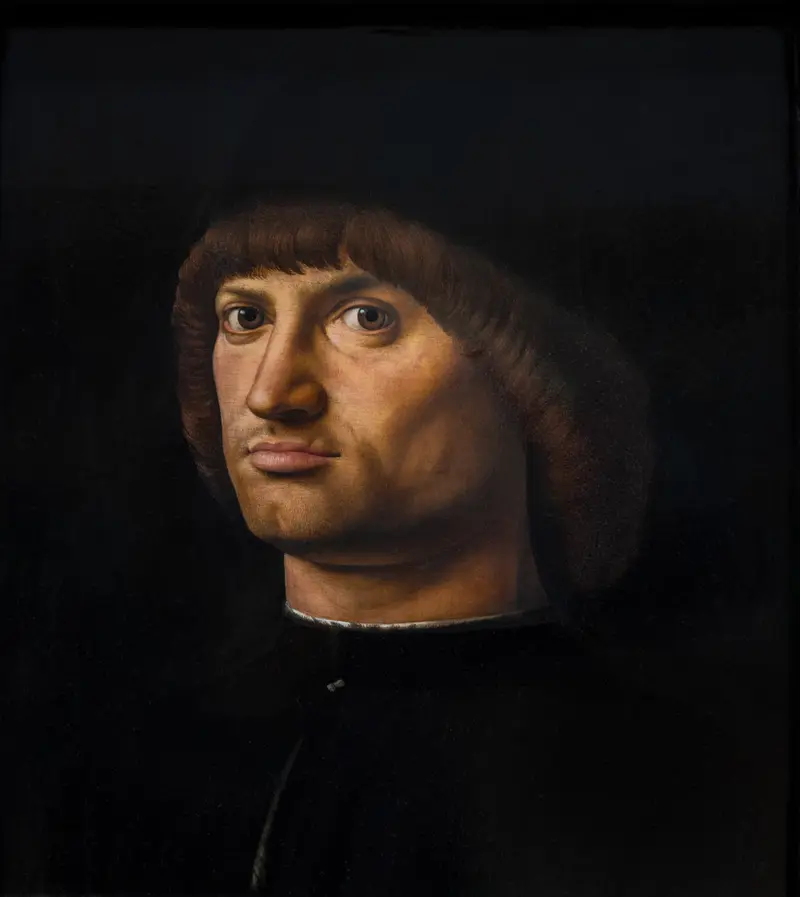
Portrait of a Man, called condottiere
Antonello da Messina
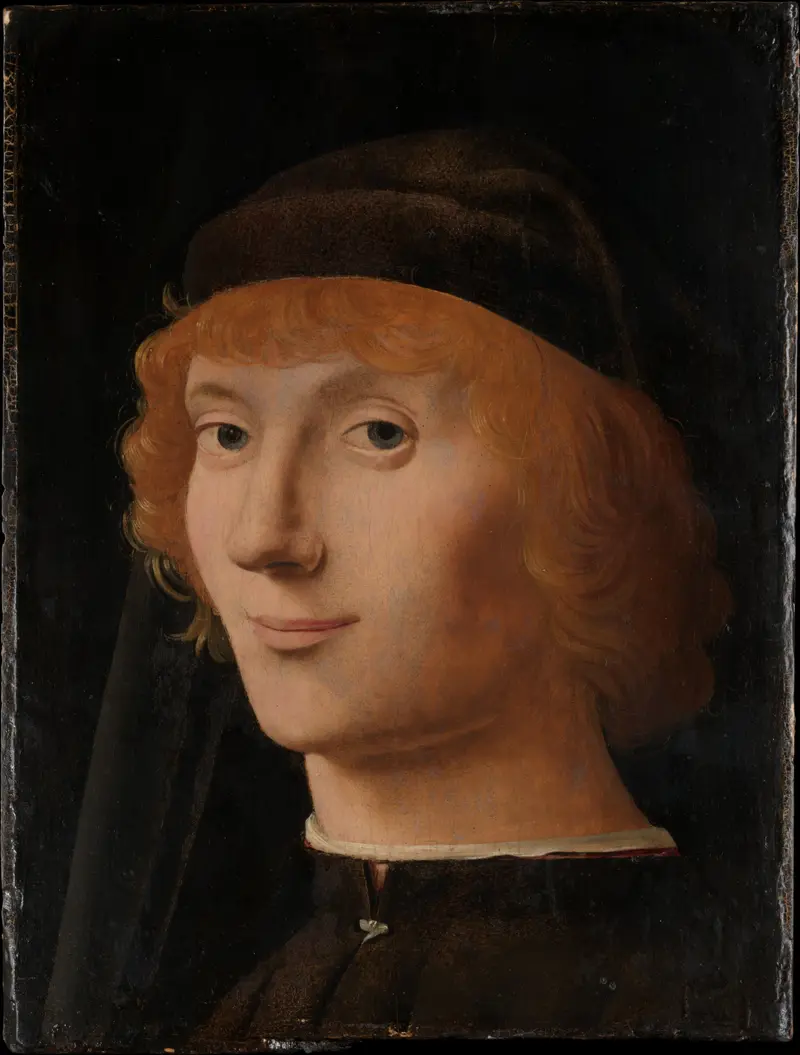
Portrait of a Young Man
Antonello da Messina
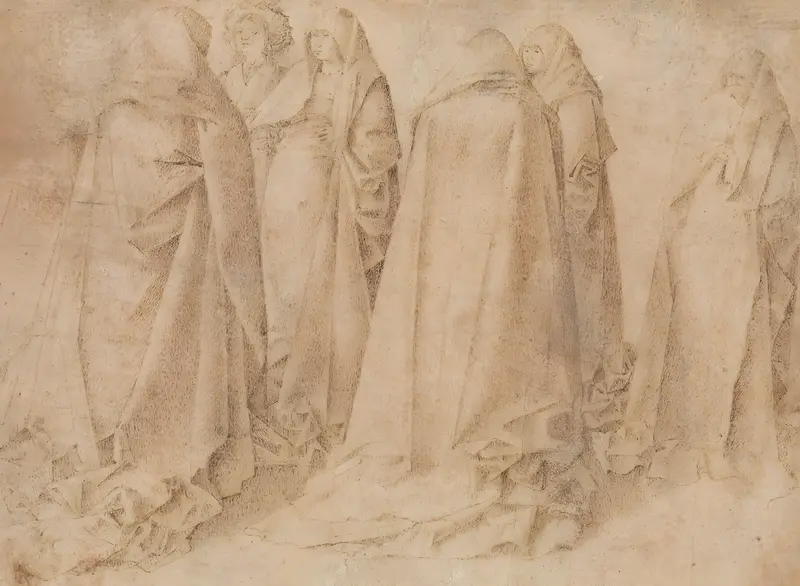
Group of Draped Figures
Antonello da Messina
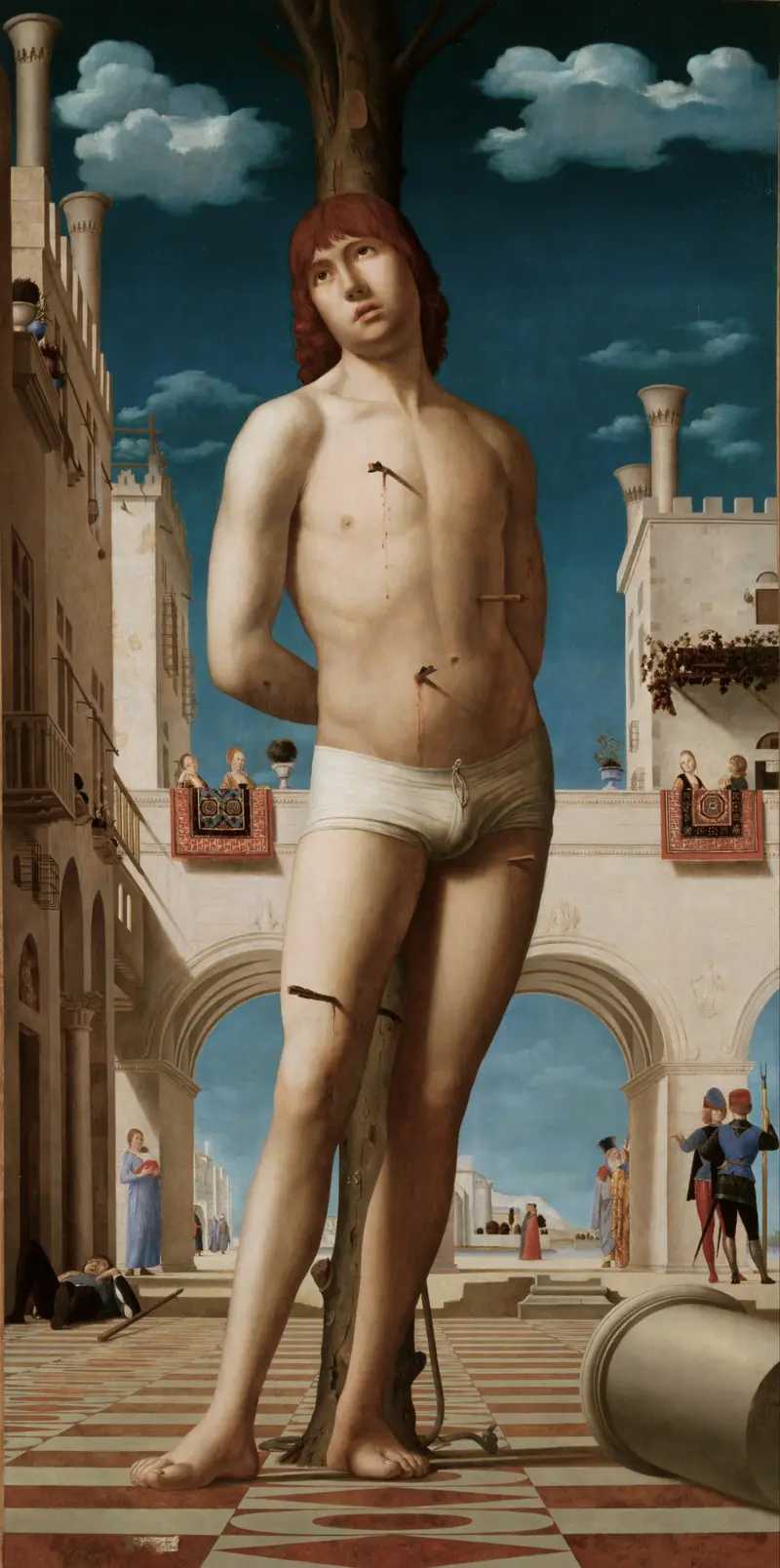
Saint Sebastian
Antonello da Messina
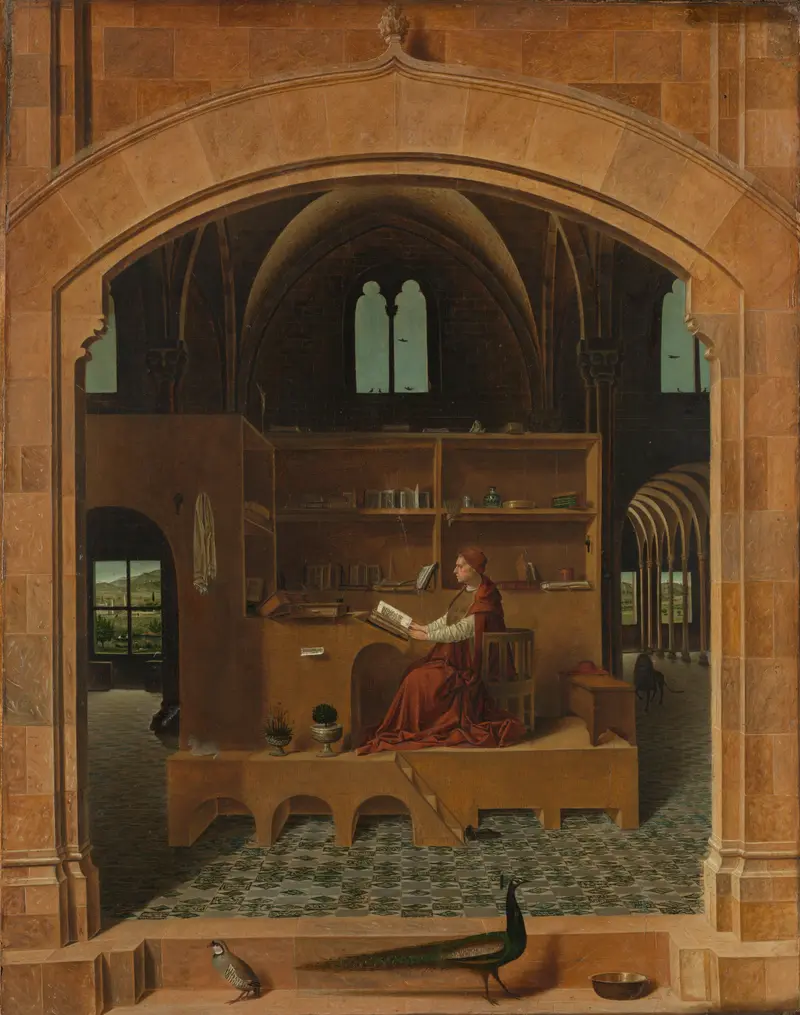
St. Jerome in His Study
Antonello da Messina
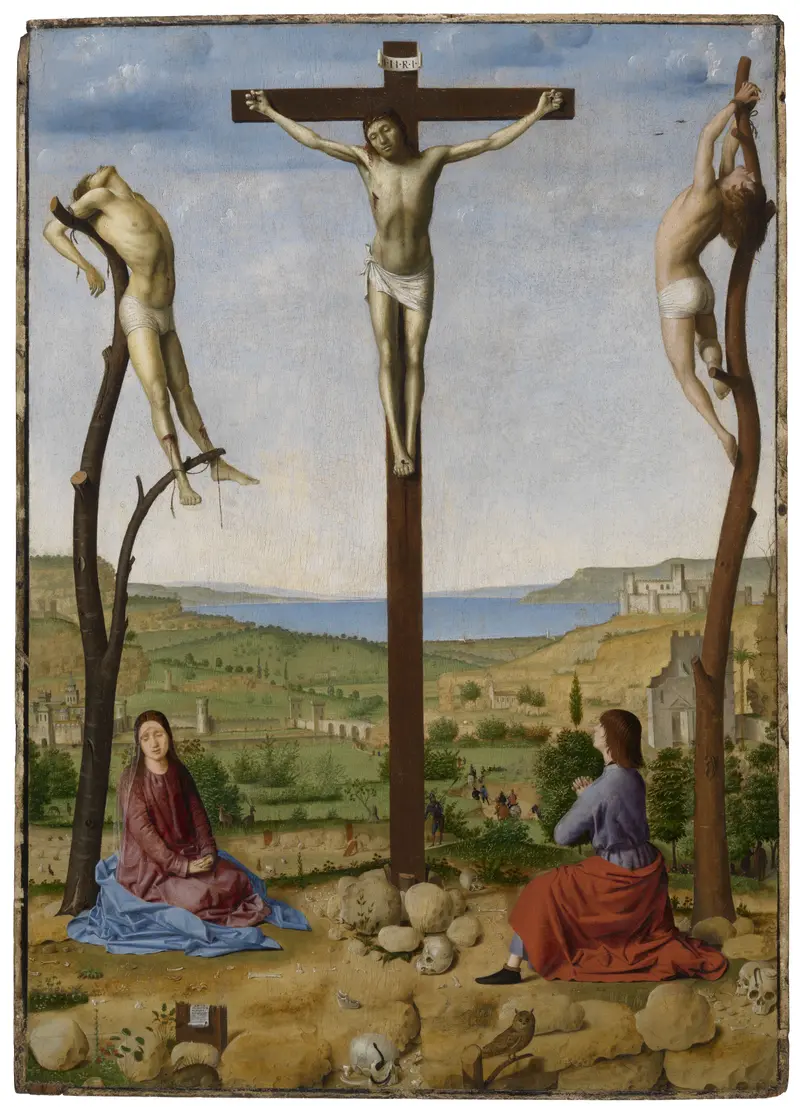
Calvary
Antonello da Messina
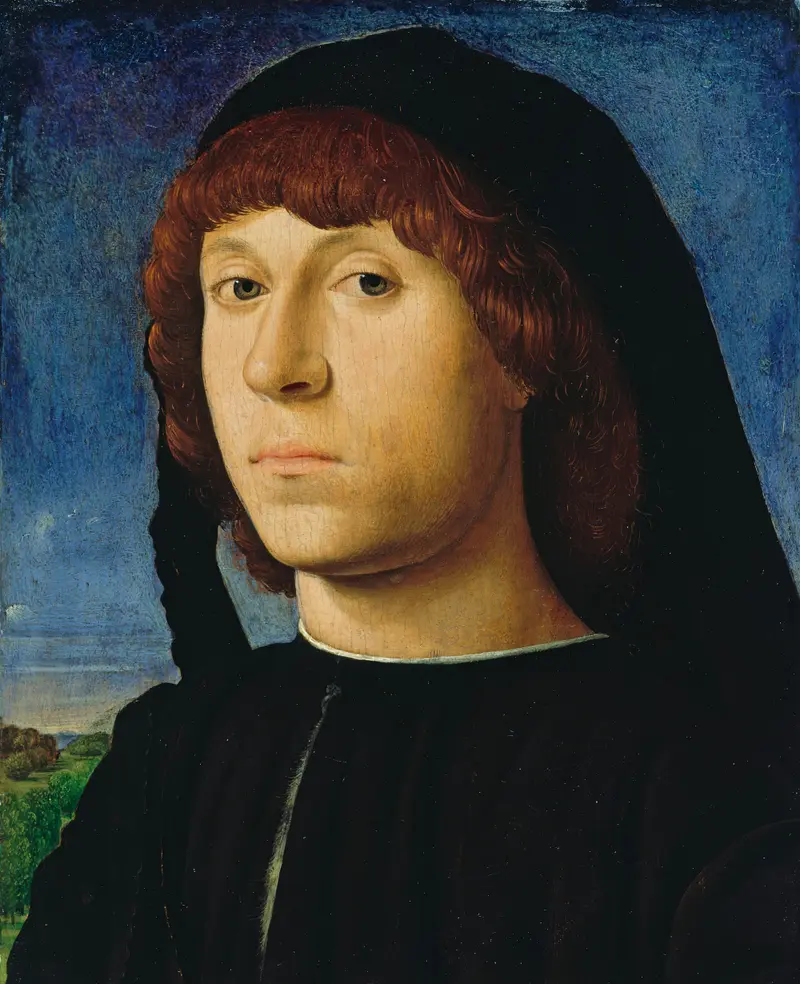
Portrait of a Man
Antonello da Messina
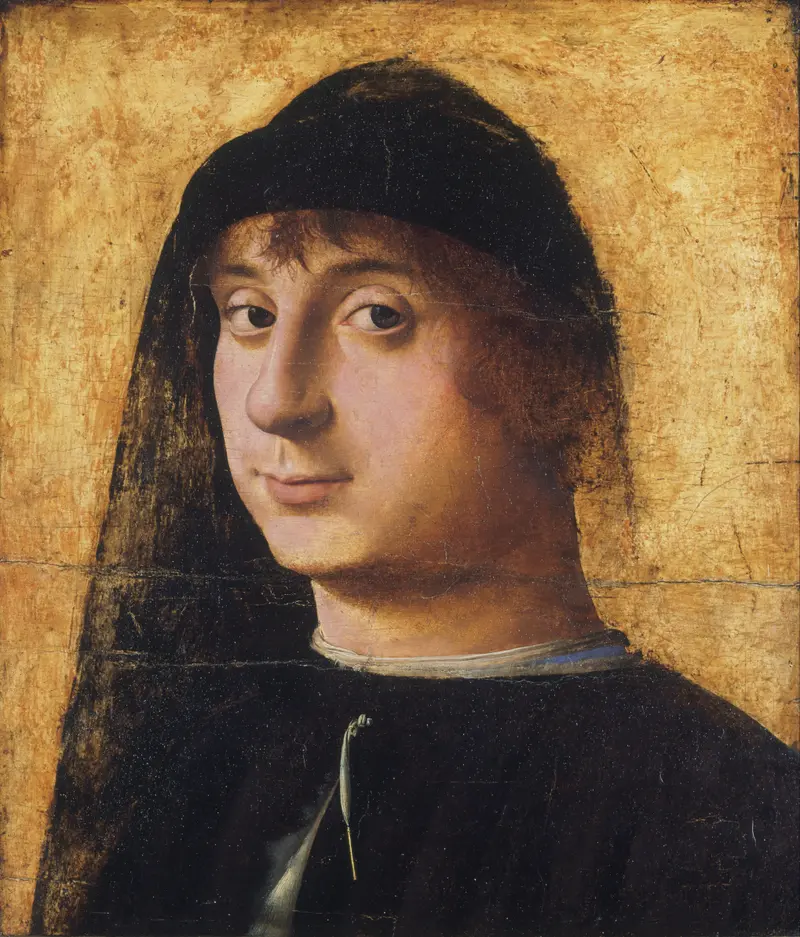
Portrait of a Young Gentleman
Antonello da Messina





