
Saint Hubert — History & Facts
Is this a mirror — or a memory? The ethereal beauty captured in this work invites introspection, urging us to confront the layers of our own past and the fleeting nature of existence. Look to the center of the canvas, where a serene figure of Saint Hubert stands, illuminated against a backdrop of muted greens and browns. His gaze is directed skyward, suggesting contemplation, while the delicate strokes bring a rhythmic fluidity to the surrounding foliage. Notice how the dappled light falls gently on his face, creating a harmonious blend of shadow and illumination that enhances the sense of peace yet hints at an inner turmoil. The juxtaposition of nature's tranquility with the figure’s earnest expression reveals a profound tension between the spiritual and the earthly.
The deer, a symbol of transformation, lingers in the background, echoing the saint's journey from hunter to protector of the hunted. This quiet yet powerful interplay between man and beast prompts questions about the nature of sacrifice and redemption, highlighting the inherent beauty found in moments of vulnerability and reflection. Eliseu Visconti painted Saint Hubert in 1916 while living in Brazil, a time marked by a burgeoning cultural renaissance in the arts. Influenced by Symbolism and Impressionism, Visconti explored themes of spirituality intertwining with the natural world, as the chaos of World War I loomed globally.
This period of artistic exploration allowed him to embrace a unique narrative style that transcended the confines of traditional representation, making his work resonate with a contemporary audience searching for solace and beauty amidst turmoil.
More Artworks by Eliseu Visconti
Browse all →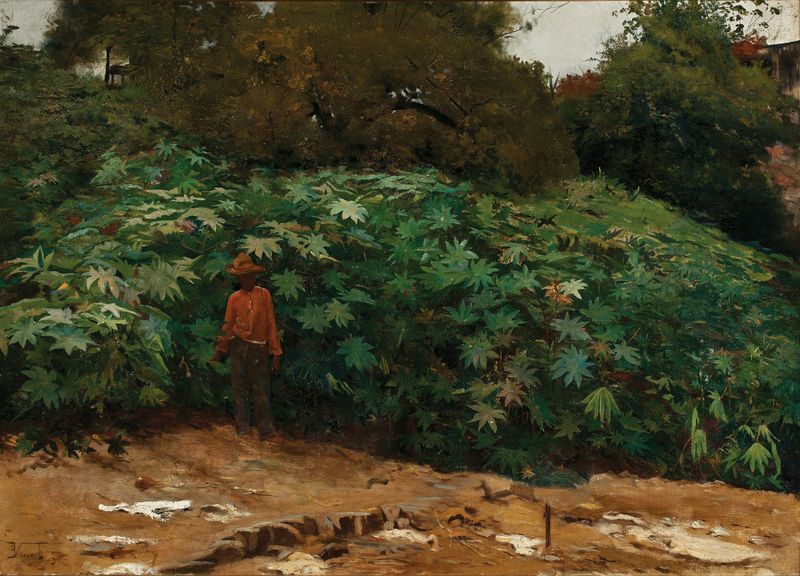
Mamoneiras – Morro de São Bento
Eliseu Visconti
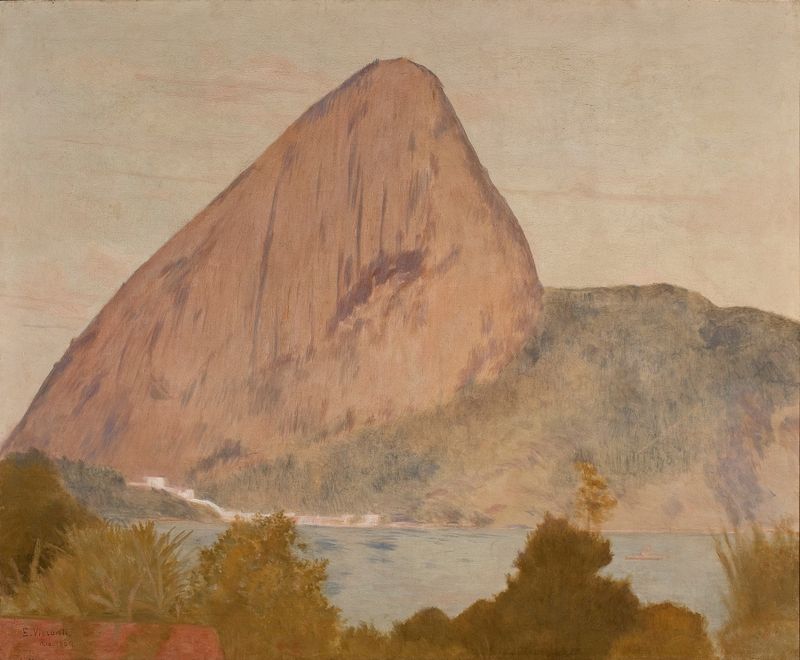
Marina com Pão de Açúcar
Eliseu Visconti

O batismo da boneca
Eliseu Visconti
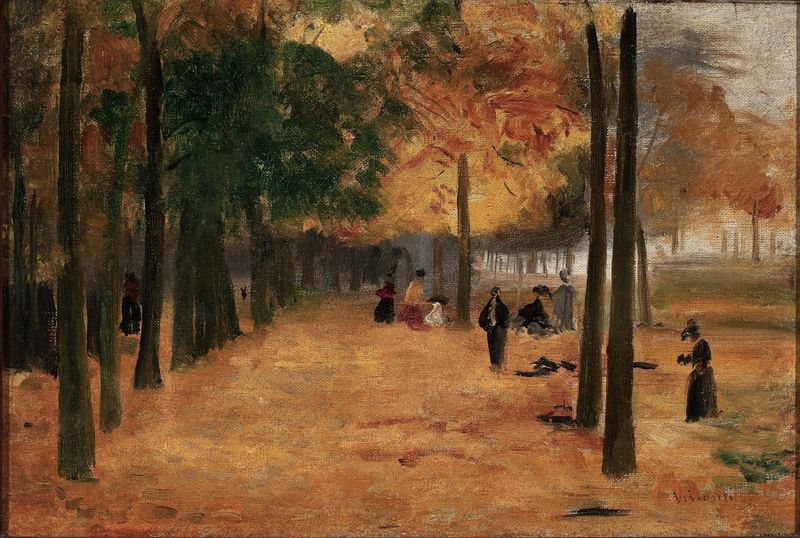
Canto de Luxemburgo (Outono)
Eliseu Visconti
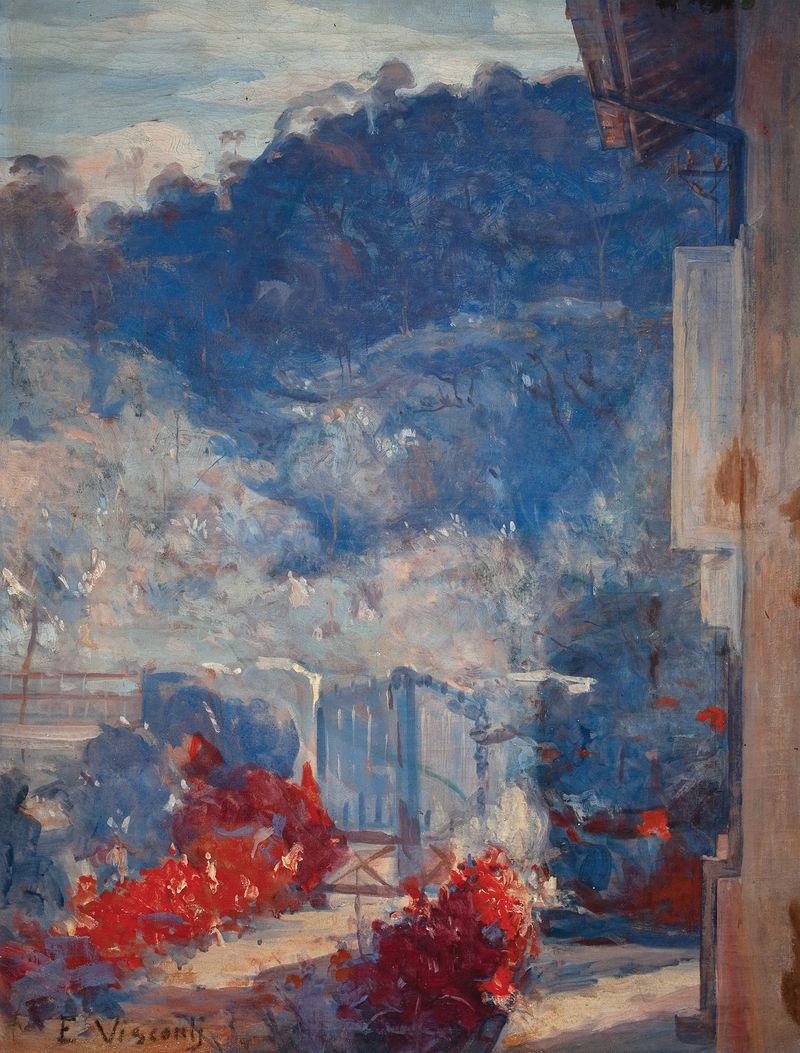
Raios de sol
Eliseu Visconti
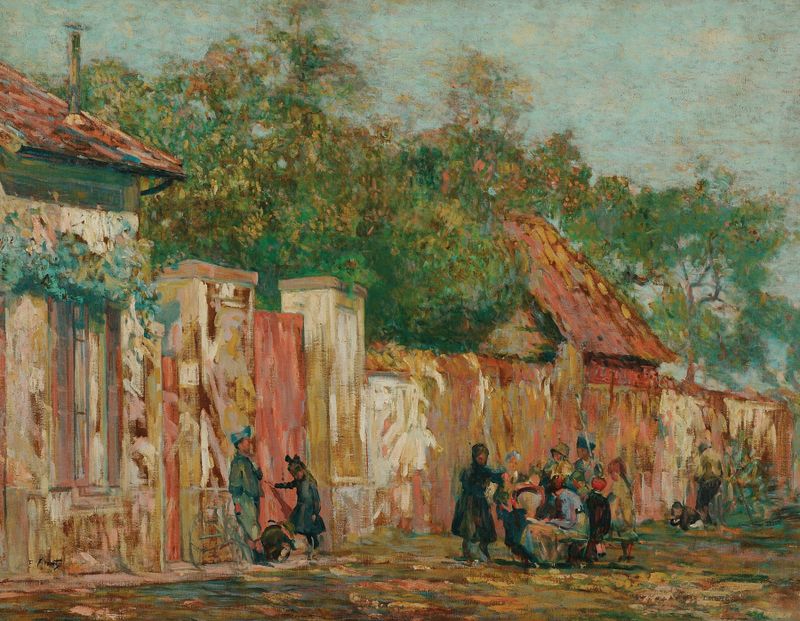
Tarde em Saint Hubert
Eliseu Visconti

Efeito matinal
Eliseu Visconti
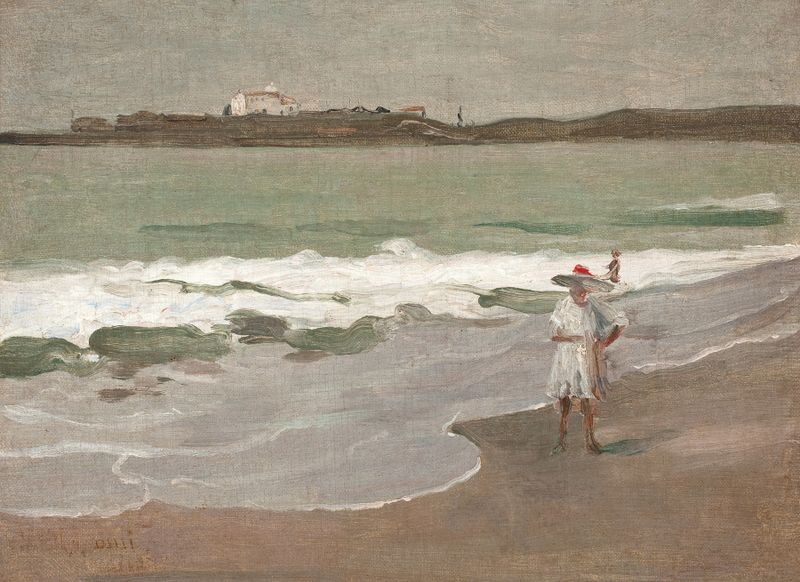
A Igrejinha (Copacabana)
Eliseu Visconti

A caminho da escola
Eliseu Visconti

Flores da rua
Eliseu Visconti
More Religious Art
Browse all →
The Return of the Prodigal Son
Rembrandt van Rijn

The Garden of Earthly Delights
El Bosco

Count Orgaz’ funeral
El Greco

The Hundred Guilder Print: the central piece with Christ preaching, the plate arched
Rembrandt van Rijn

The Descent from the Cross
Rogier van der Weyden

The return of the prodigal son
Rembrandt van Rijn