Discover insights about this artwork
Saint John the Baptist in the Wilderness — History & Facts
In Saint John the Baptist in the Wilderness, Guercino presents a striking figure of Saint John, clothed in rough garments, set against a backdrop of a wild, untamed landscape. The colors are rich and earthy, with deep greens and browns dominating the scene. Light plays a crucial role, illuminating John’s face and creating a dramatic contrast with the shadowy surroundings.
This composition draws the viewer's eye directly to the figure of John, emphasizing his role as a solitary prophet. The painting is executed in oil on canvas, typical of the Baroque period, allowing for vibrant colors and intricate details. Guercino's brushwork is fluid and dynamic, capturing the texture of John's hair and the roughness of his clothing. The use of chiaroscuro enhances the three-dimensionality of the figure, making it stand out against the natural setting.
This technique is a hallmark of Baroque art, showcasing the artist's skill in manipulating light and shadow. Guercino, born Giovanni Francesco Barbieri, was a prominent Italian Baroque painter known for his dramatic use of light and color. This work, created in the 1610s, reflects his deep engagement with religious themes and the human condition. An interesting fact about this painting is that it was commissioned for a church, highlighting the importance of religious art during this period.
Guercino's ability to convey emotion through his subjects has made this piece a significant work in his oeuvre.
More Artworks by Guercino

The Entombment
Guercino
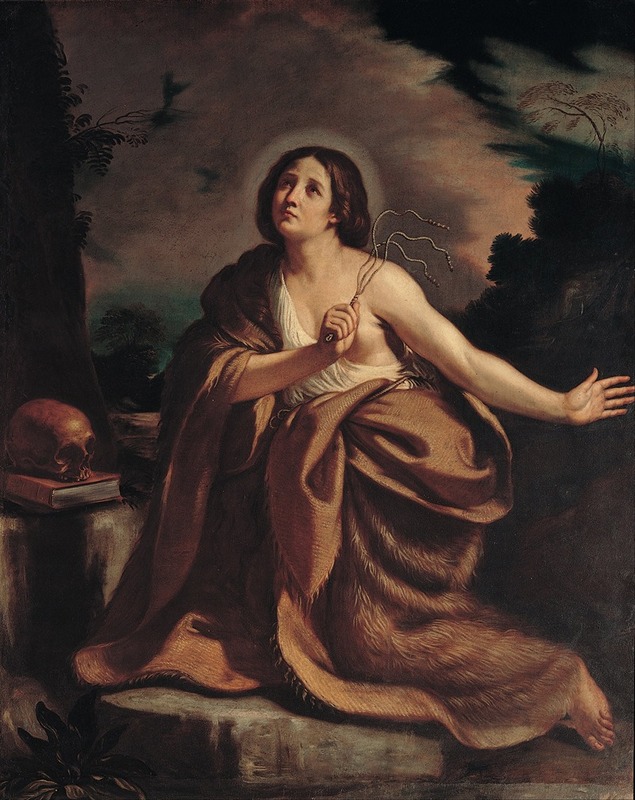
Penitent Magdalene
Guercino
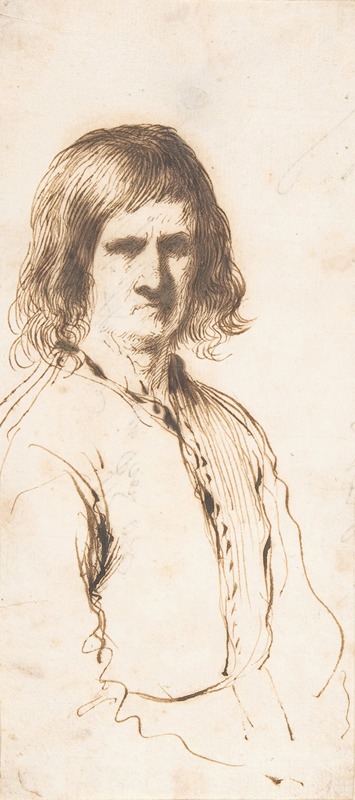
Portrait of Morose Man in Half-Length
Guercino
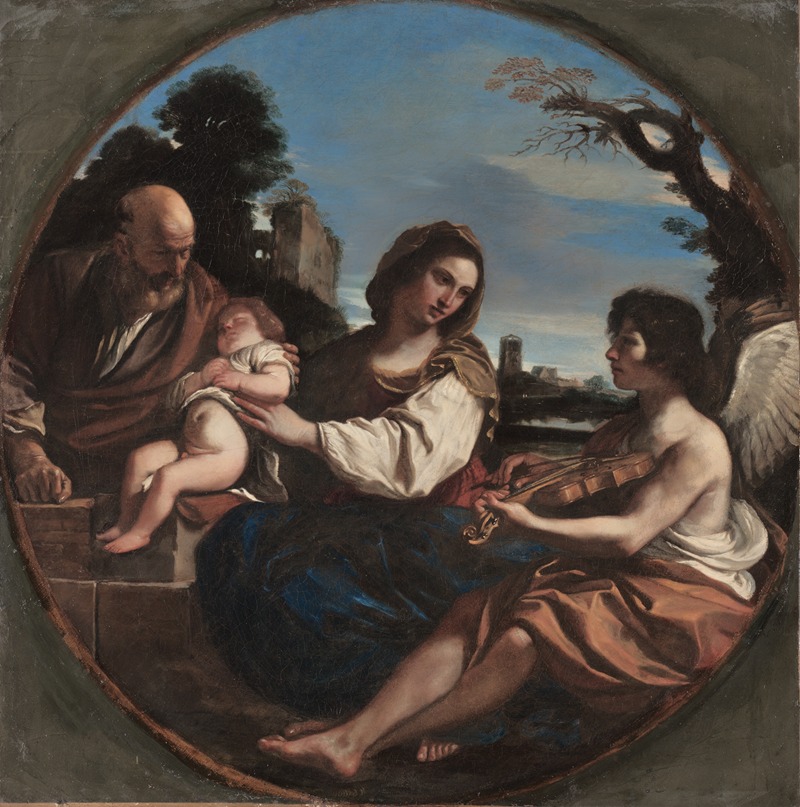
Rest on the Flight into Egypt
Guercino
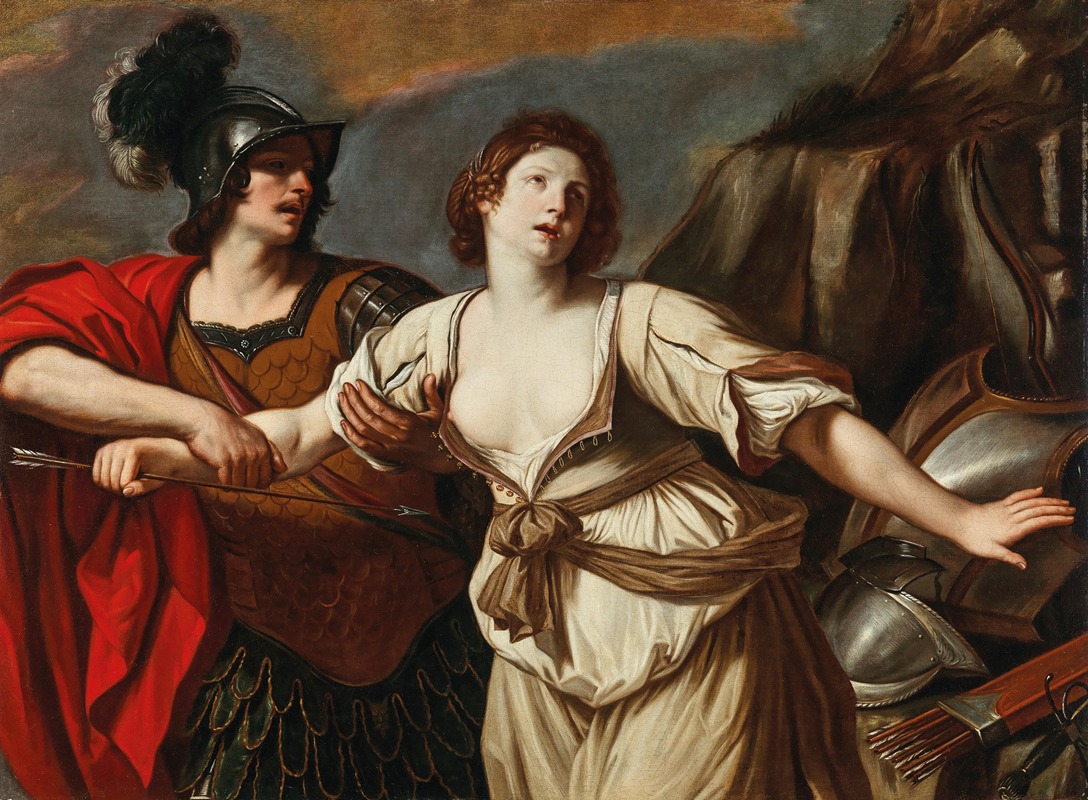
Rinaldo ed Armida
Guercino
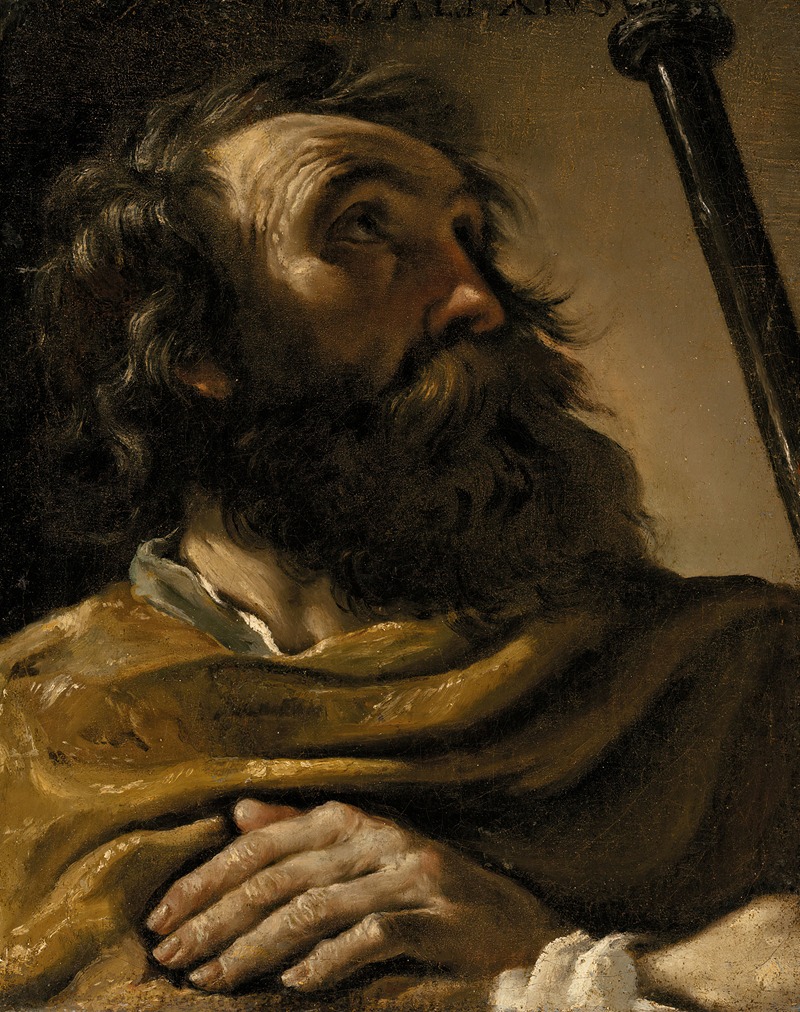
Saint Alexius In A Brown Wrap, Holding A Staff
Guercino
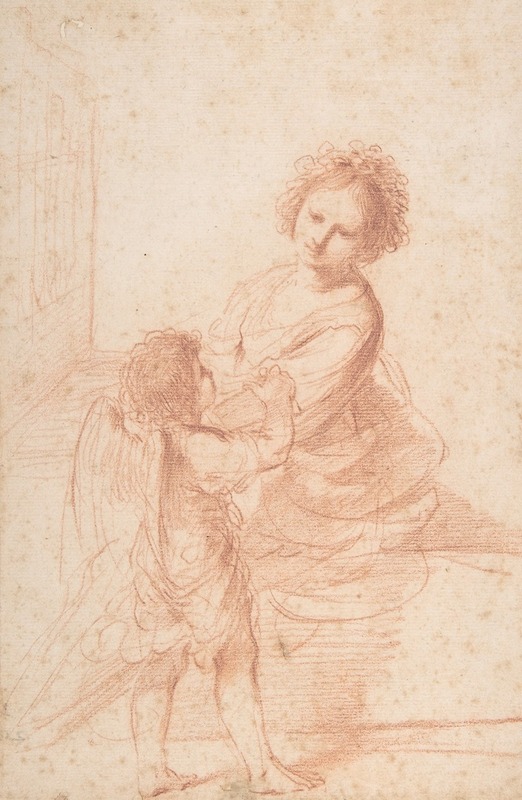
Saint Cecilia Playing the Organ
Guercino
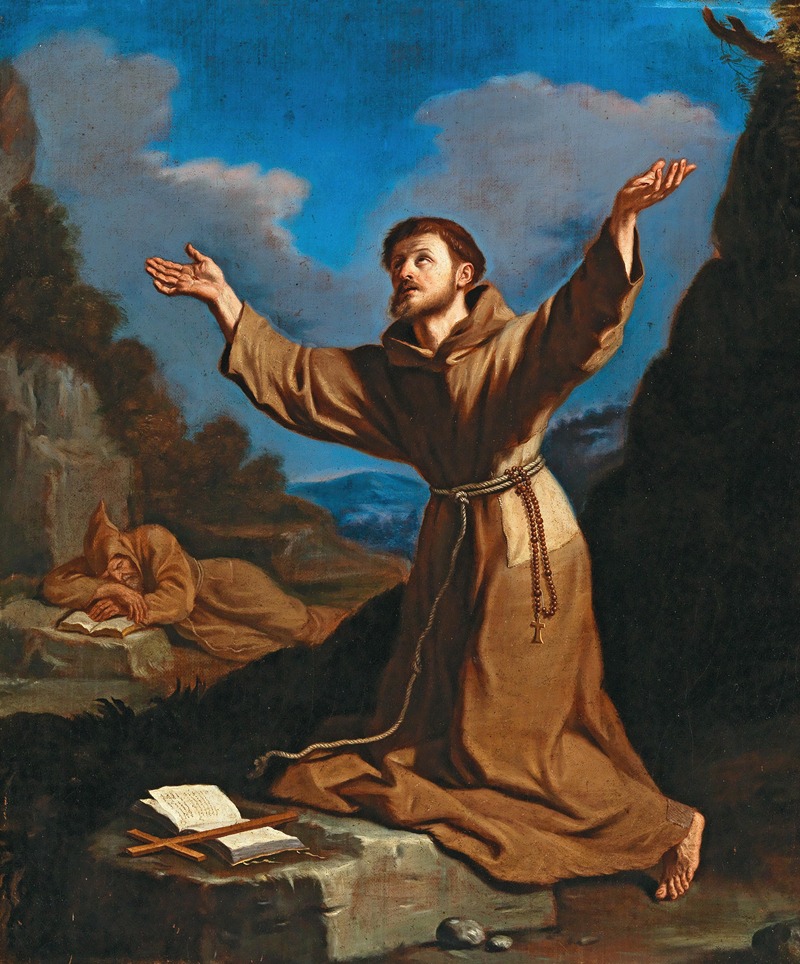
Saint Francis receiving the Stigmata
Guercino
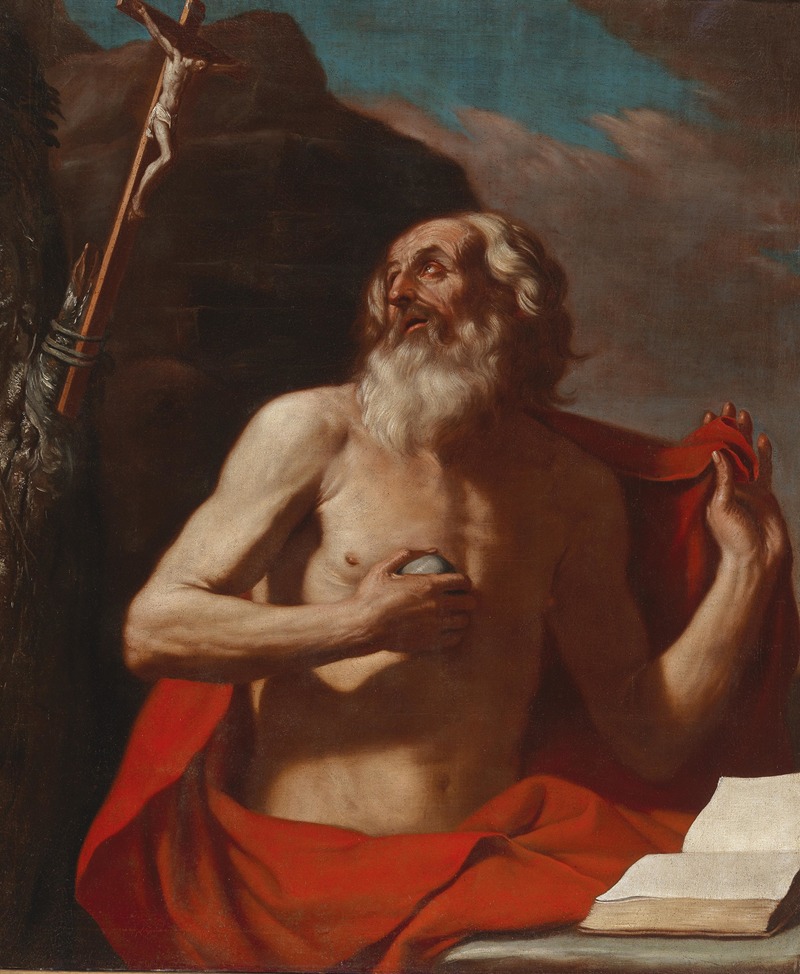
Saint Jerome
Guercino
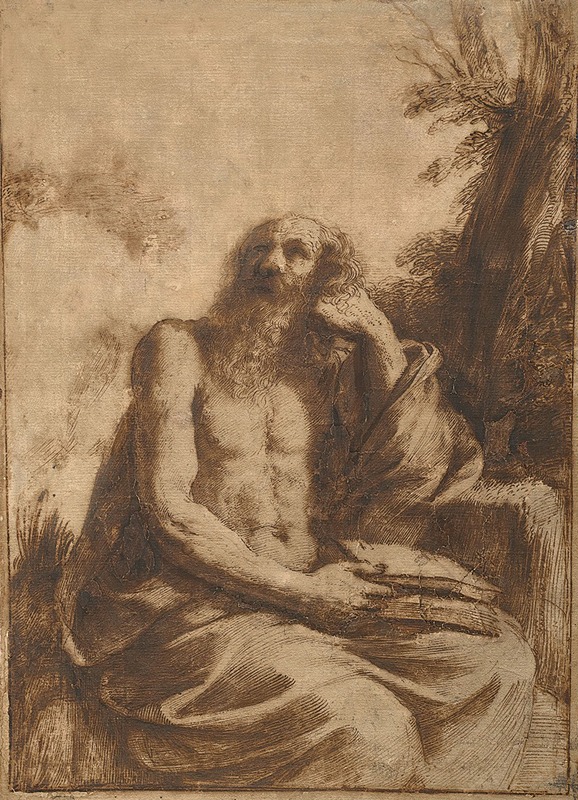
Saint Jérôme
Guercino