
SAINT JOHN THE EVANGELIST — History & Facts
In Saint John the Evangelist, the figure of John is depicted with a serene expression, dressed in rich robes. The colors are deep and vibrant, with reds and golds dominating the palette. The background features a soft, atmospheric landscape that enhances the spiritual quality of the scene.
Light plays a crucial role, illuminating John's face and drawing the viewer's attention to his contemplative gaze. The painting showcases the characteristic techniques of the Renaissance, including chiaroscuro and linear perspective. The use of oil on panel allows for rich color depth and fine detail, particularly in the textures of John's clothing and the background. Viewers can observe the meticulous brushwork that defines the folds of the fabric and the naturalistic portrayal of John's features.
The composition is balanced, with John positioned centrally, creating a focal point for the viewer. This work is attributed to the Italian School, which flourished during the Renaissance period. Artists of this time sought to blend naturalism with spiritual themes, a hallmark of the era. An interesting fact about this painting is that it reflects the influence of earlier masters, such as Caravaggio, in its dramatic use of light and shadow.
The identity of the artist remains unknown, but the work continues to be celebrated for its beauty and depth.
More Artworks by Italian School
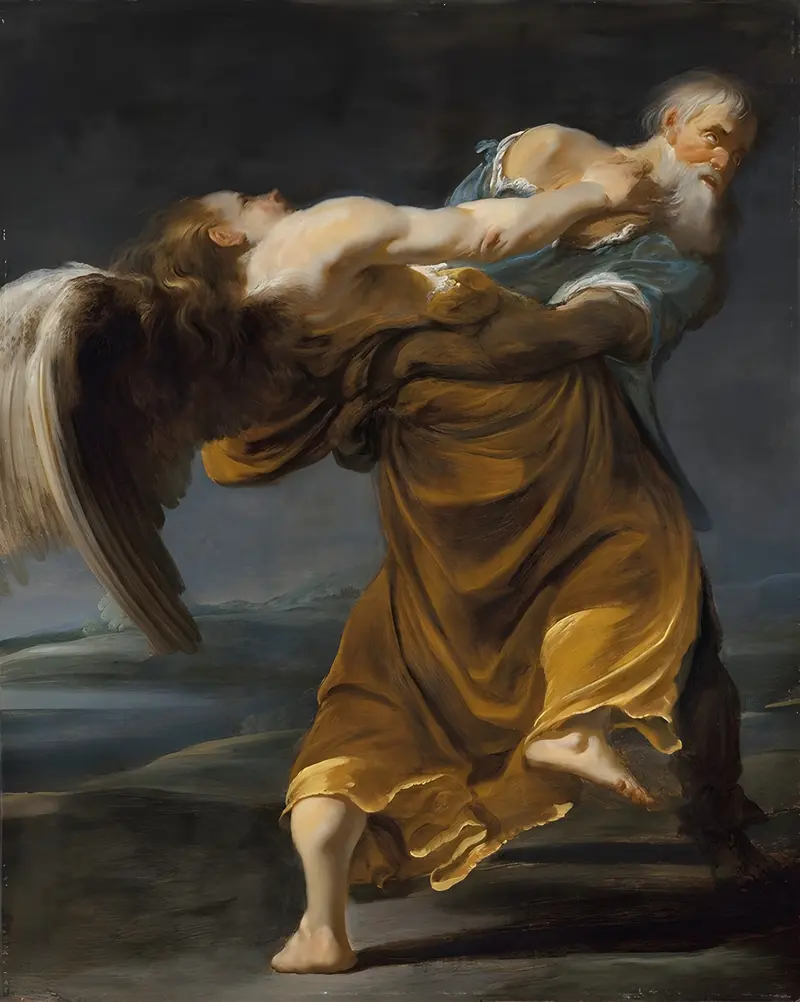
Jacob wrestling with the angel
Italian School
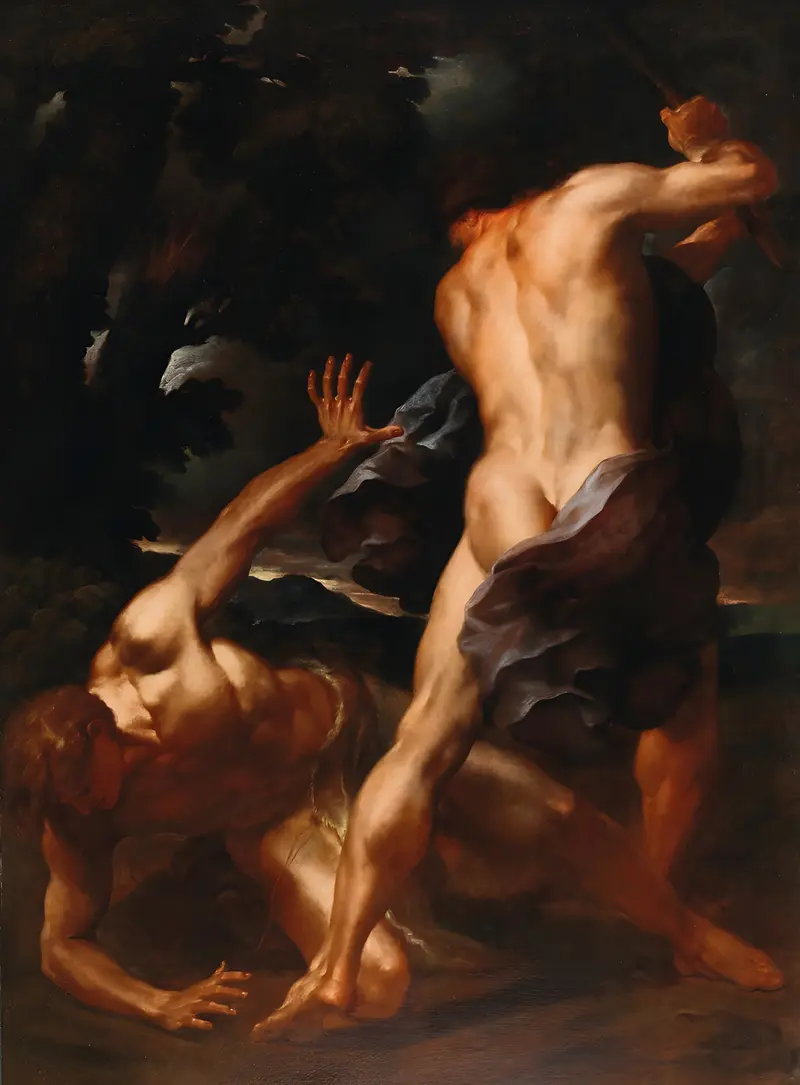
Cain and Abel
Italian School
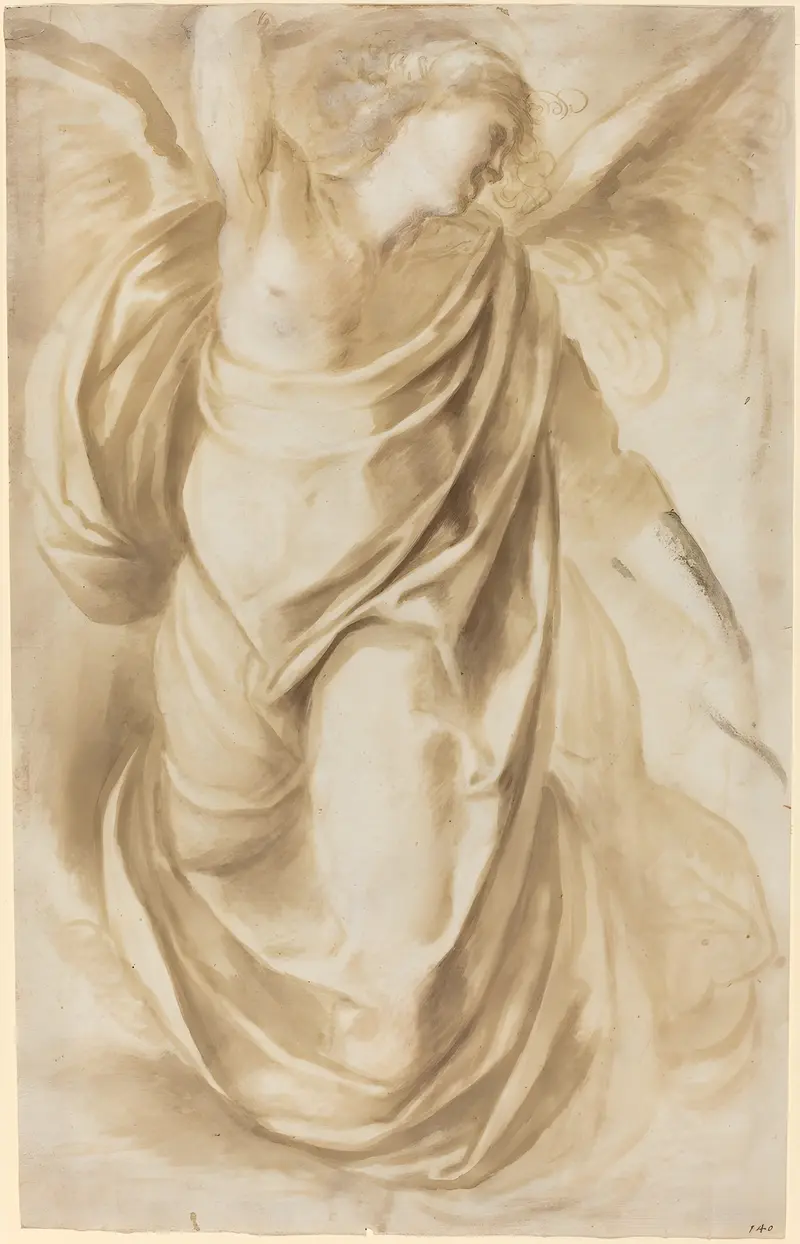
An Angel
Italian School
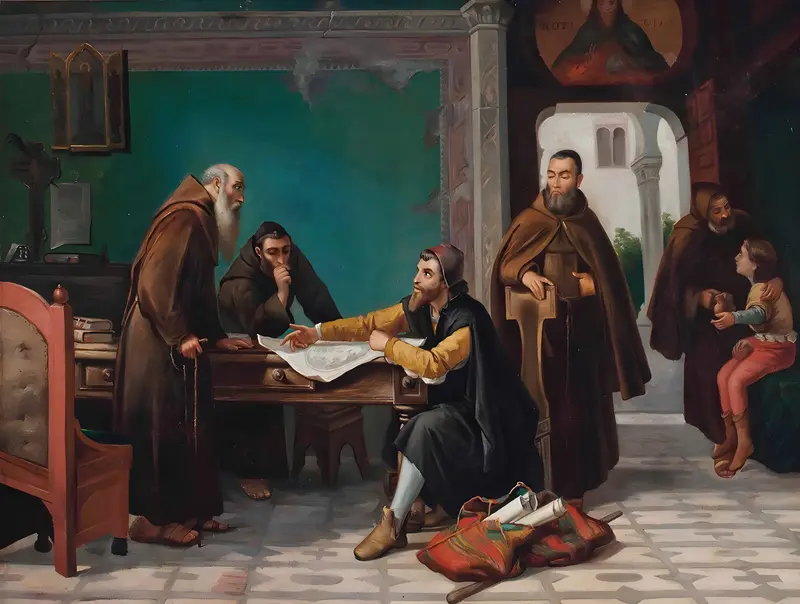
Christopher Columbus at the Monastery of Rabida
Italian School
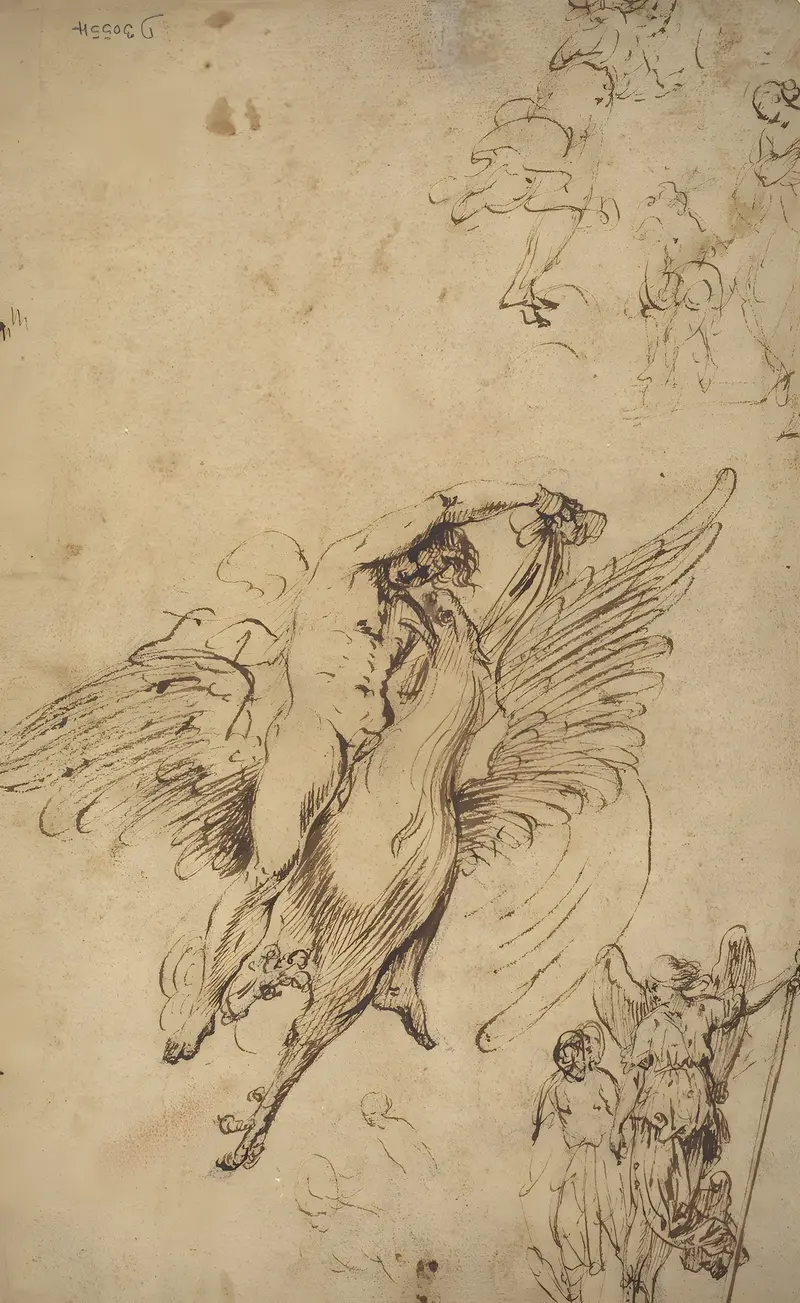
Ganymede
Italian School

MADONNA AND CHILD WITH THE INFANT SAINT JOHN THE BAPTIST, AMONG ARCHITECTURAL RUINS, A LANDSCAPE BEYOND
Italian School
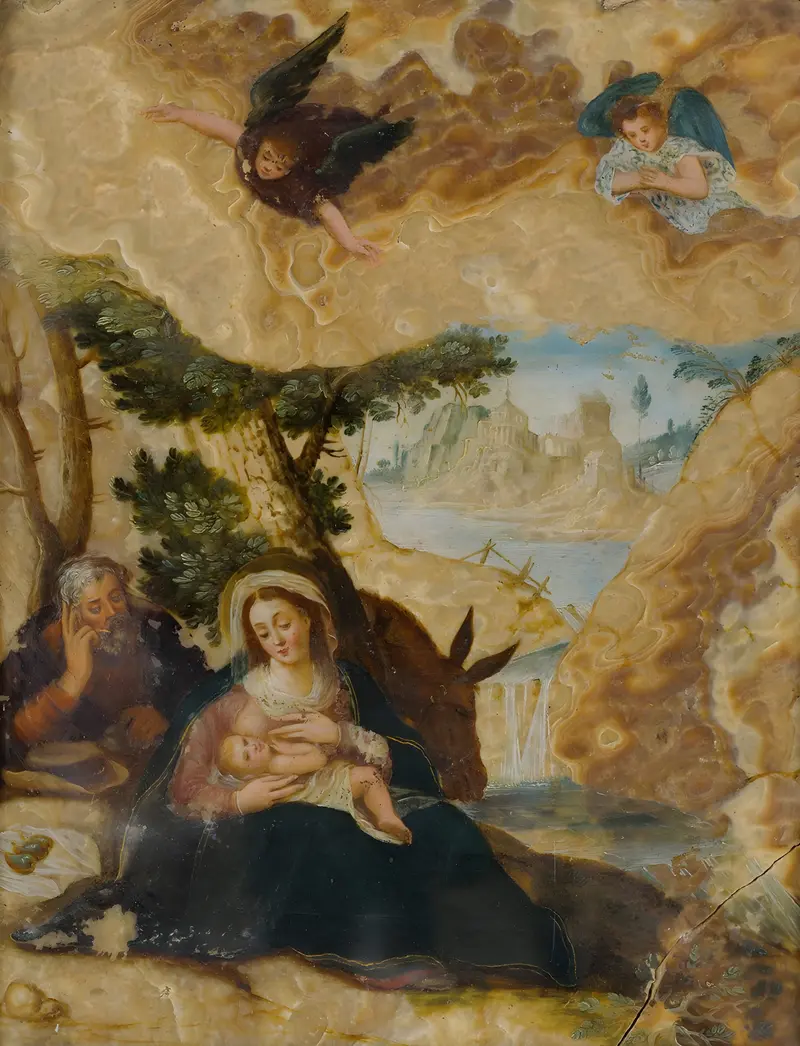
Madonna And Child
Italian School

Saint John the Baptist
Italian School
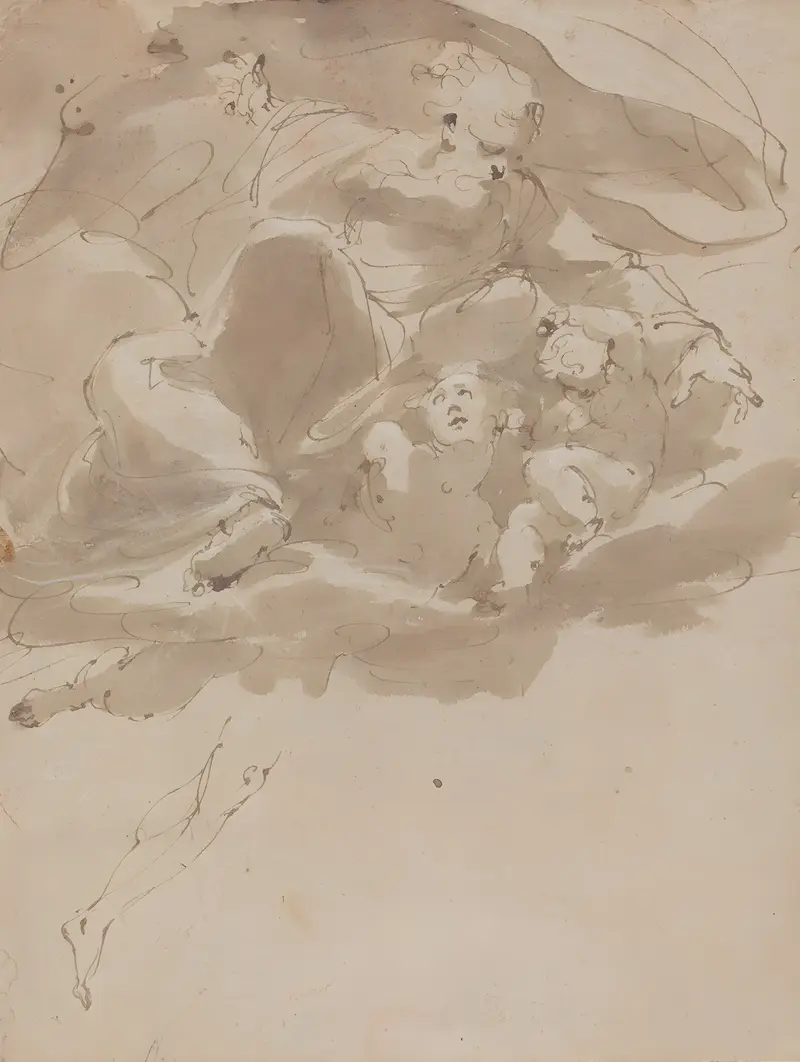
God the Father with Angels
Italian School

Standing Woman Holding a Scroll
Italian School





