Saint-Lambert-des-Bois — History & Facts
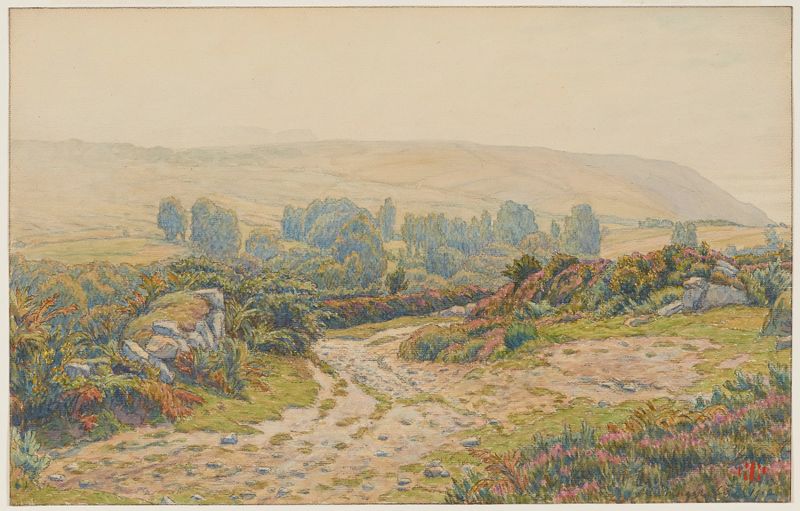
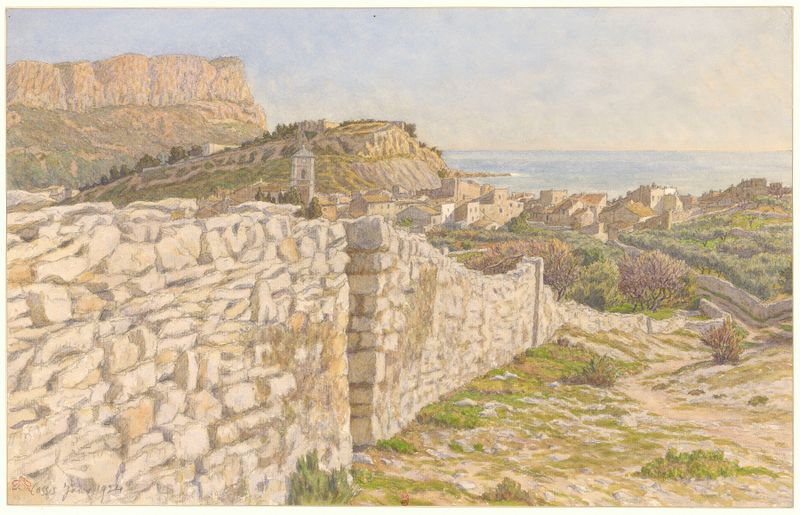
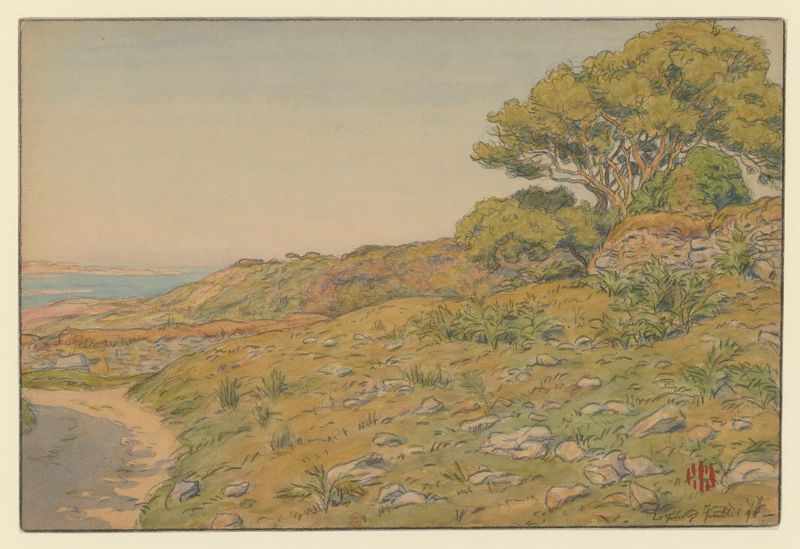
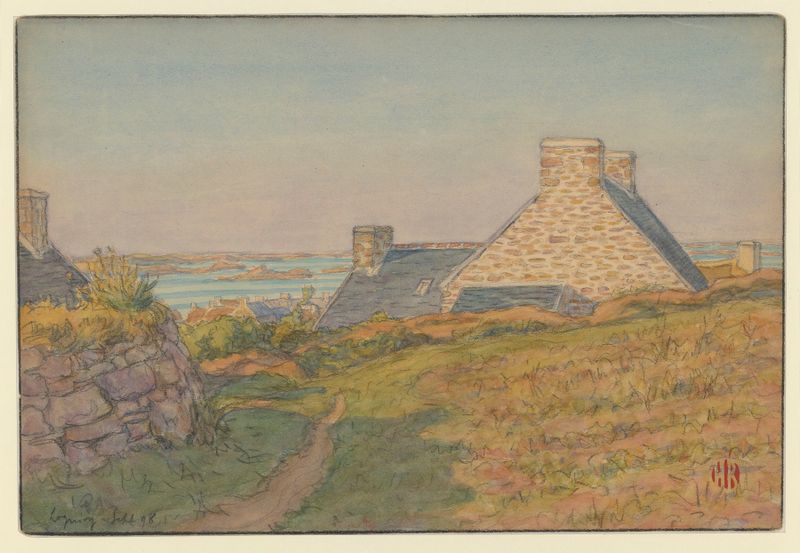
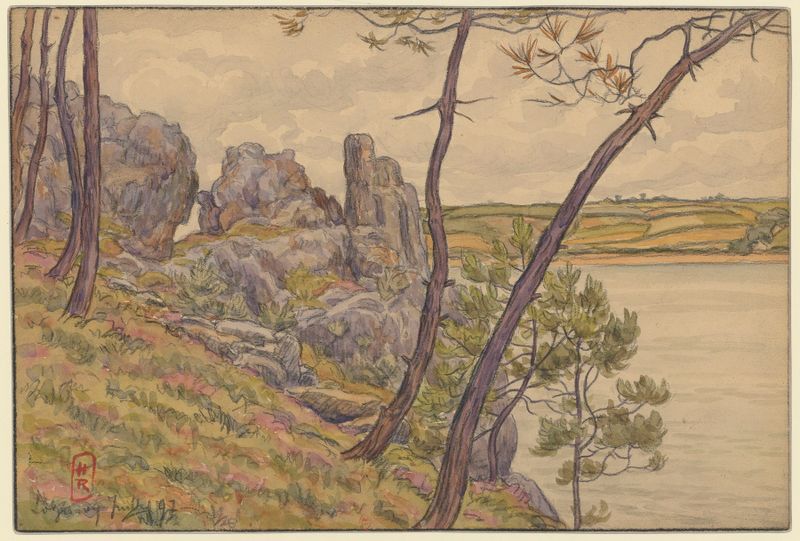
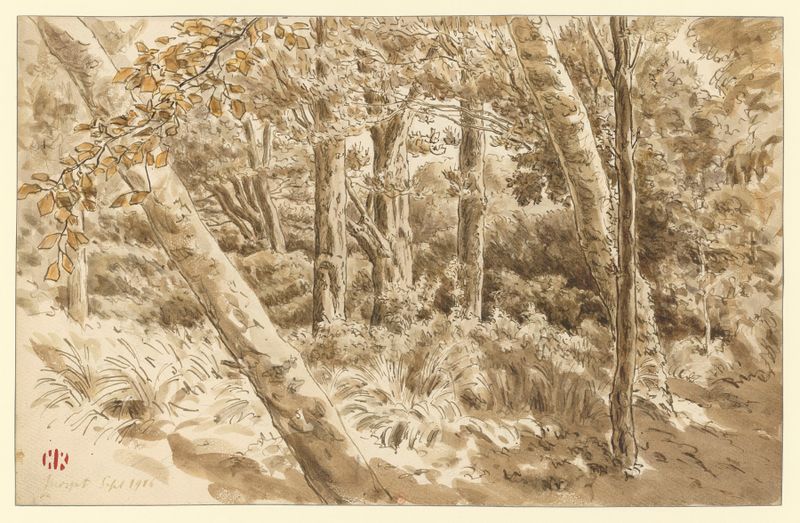
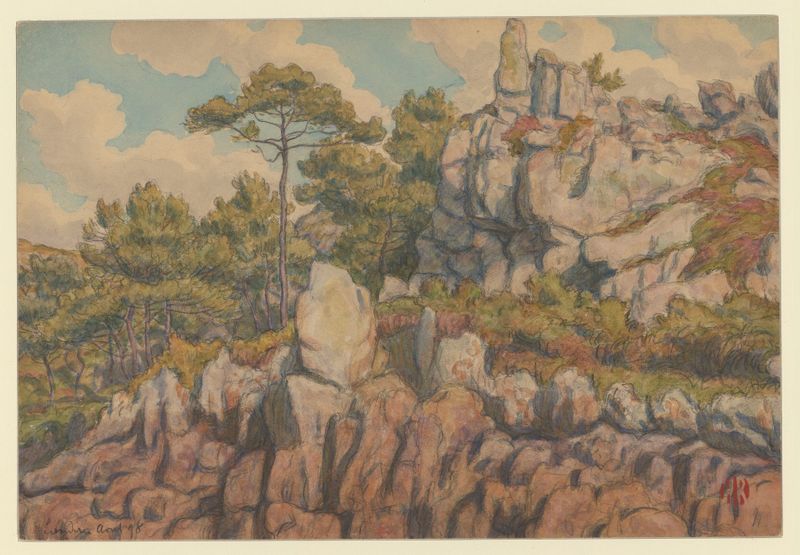
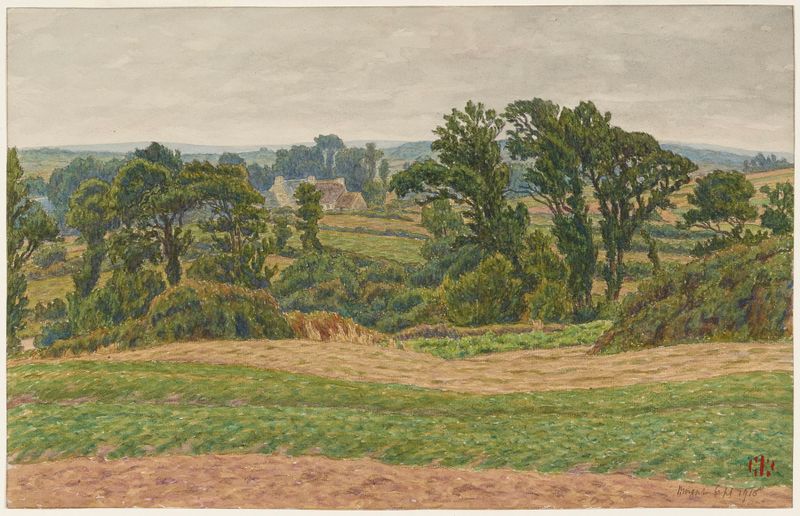
Can beauty exist without sorrow? In Saint-Lambert-des-Bois, the delicate interplay of innocence and melancholy invites contemplation of life’s transient moments. Focus on the soft hues of the landscape, where gentle greens and muted blues blend seamlessly to create a serene vista. The eye is drawn to the distant horizon, where trees stand like sentinels against a sky brushed with wisps of pastel clouds. Notice how the light filters through the foliage, casting dappled shadows on the ground, evoking a sense of peace yet hinting at the impermanence of nature's beauty.
The composition is balanced, inviting the viewer to wander through this tranquil scene, yet there’s an underlying tension in the stillness of the environment. Here, the innocence of the landscape is tinged with a subtle melancholy. The untouched greenery and the soft, reflective water evoke a sense of nostalgia for moments that have passed, while the soft color palette suggests the fragility of happiness. The juxtaposition of light and shadow plays a crucial role in conveying this emotional landscape, reminding us that even within beauty, there exists an echo of sorrow—a reminder of the transient nature of life. Henri Rivière painted Saint-Lambert-des-Bois in 1923, during a period marked by a growing interest in the interplay of light and atmosphere.
At this time, Rivière was exploring Impressionist techniques, infusing his landscapes with a sense of introspection and emotional depth. This work reflects his desire to capture the essence of memory and place, amidst the shifting tides of post-war art movements in France.