Saint-Lambert-des-Bois — History & Facts
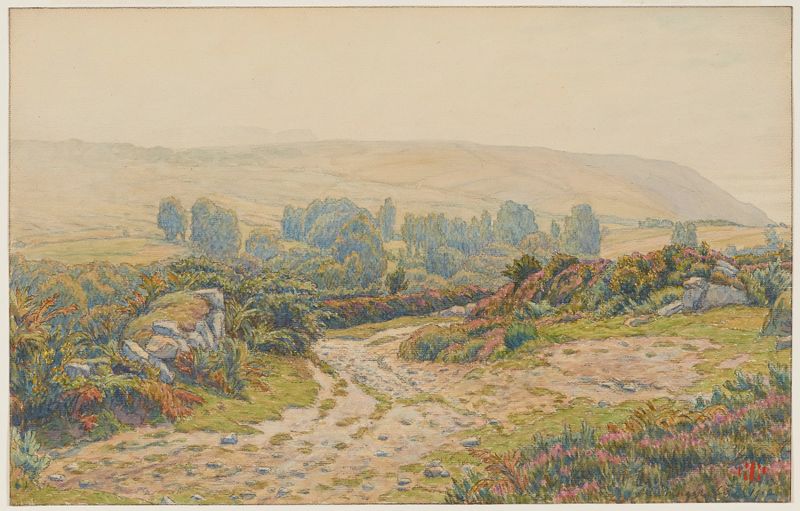
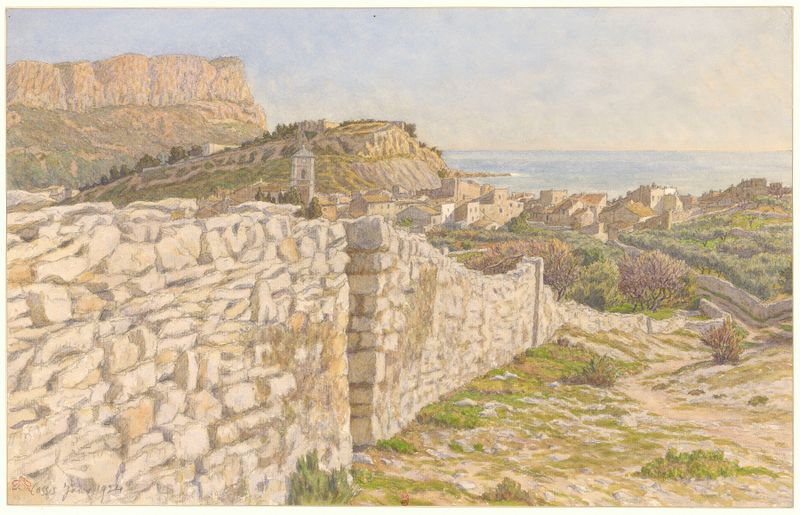
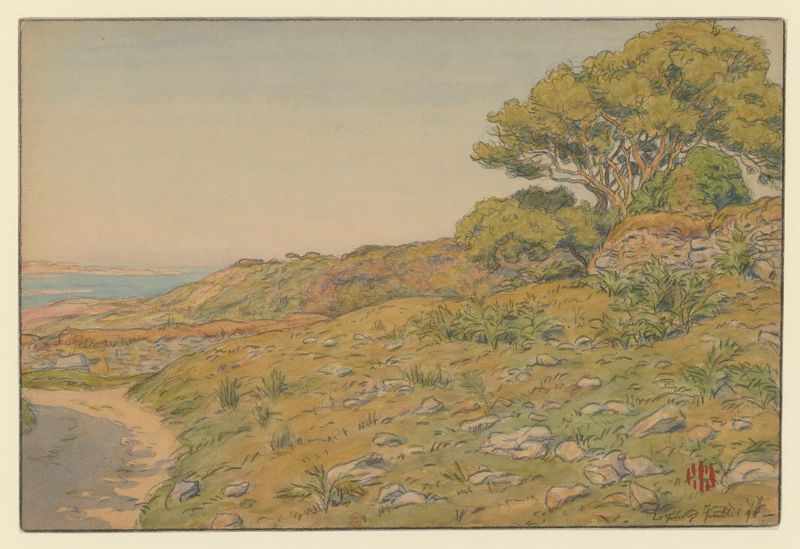
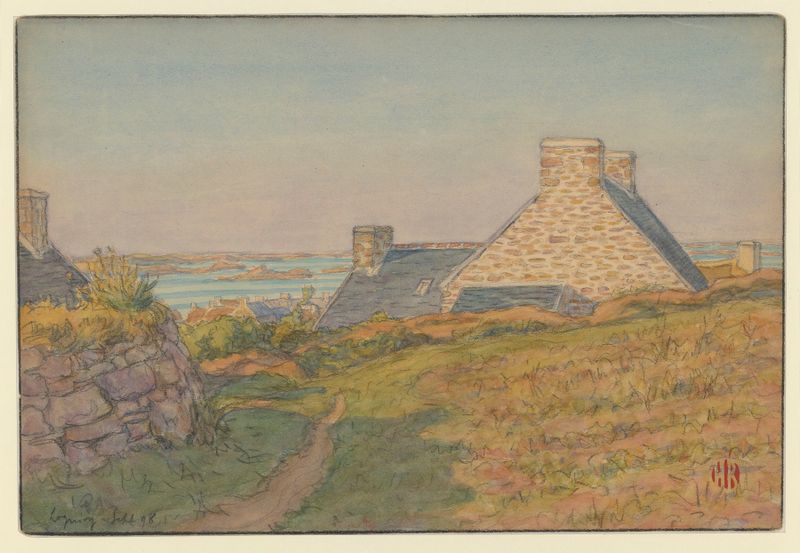
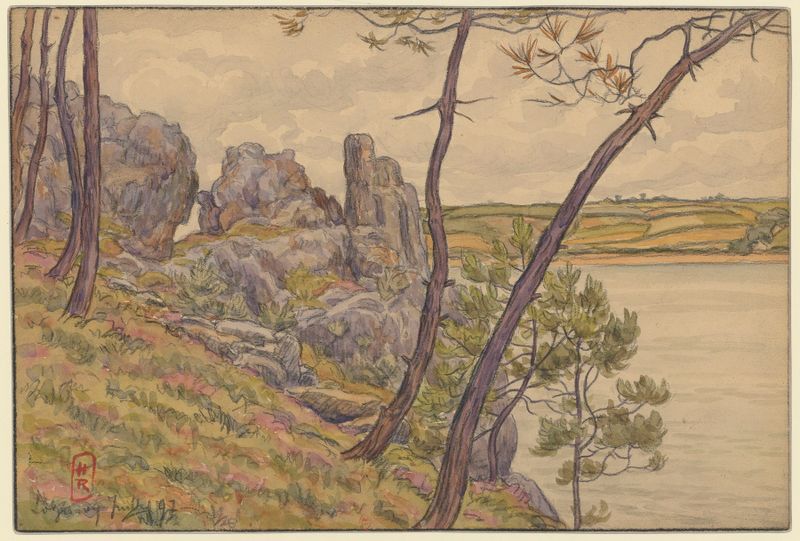
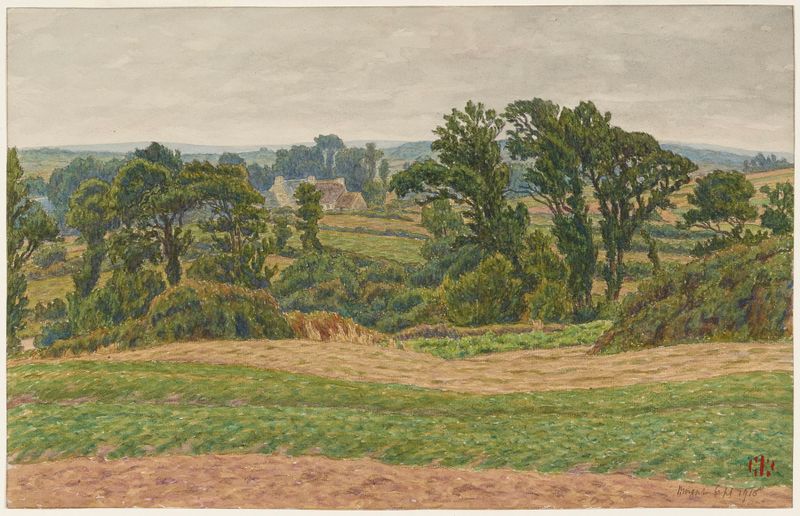
Could beauty survive in a century of chaos? This question hangs heavy in the air as one stands before the serene landscape painted by Rivière, where destiny unfolds in layers of tranquility and contemplation. Look to the left at the gentle slope of the hills, where vibrant green meets soft gold, seamlessly blending into the cerulean sky. The careful brushwork captures the subtle texture of the foliage, inviting you to feel the rustle of leaves and the whisper of a breeze. Notice how the light falls upon the small village nestled at the horizon, its rooftops bathed in a warm, inviting glow, suggesting a life that flourishes amidst the stillness.
The colors are both muted and rich, a deliberate choice that evokes an emotional resonance, drawing the viewer into this serene world. As you absorb the scene, consider the interplay of light and shadow that dances across the canvas. The delicate balance between the organic forms of nature and the man-made structures hints at a fragile coexistence, a reminder of humanity's place in the grand tapestry of existence. The quietude of the village suggests a refuge from the tumultuous world beyond, yet it begs the question of how long such serenity can endure in the face of destiny's relentless march.
Each stroke serves not only to craft the visual beauty but also to encapsulate a deeper narrative of resilience and hope. In 1923, Rivière painted Saint-Lambert-des-Bois during a time marked by post-war recovery and burgeoning artistic movements in France. The artist found himself deeply influenced by the changing landscape of Europe, as the echoes of conflict began to recede but left a lingering sense of fragility. This work reflects both a personal search for peace and a broader exploration of beauty in a world still healing from its wounds, embodying a quiet yet profound assertion that art can provide solace in turbulent times.