Saint-Lambert-des-Bois – dessin — History & Facts
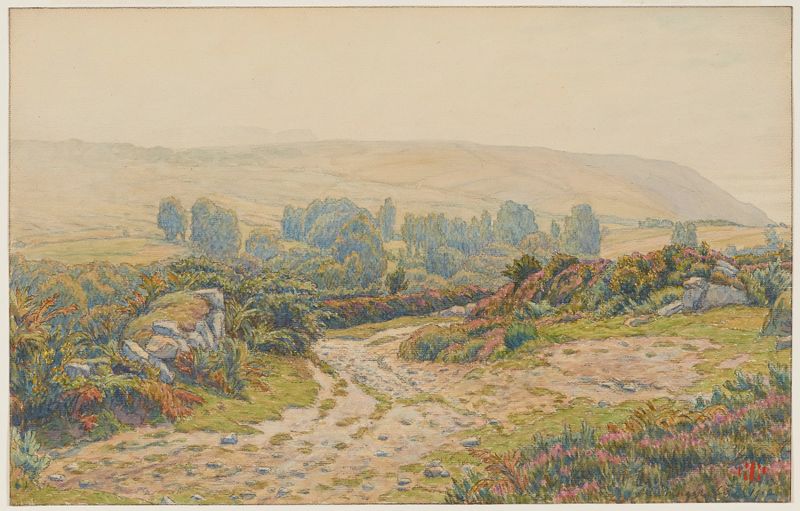
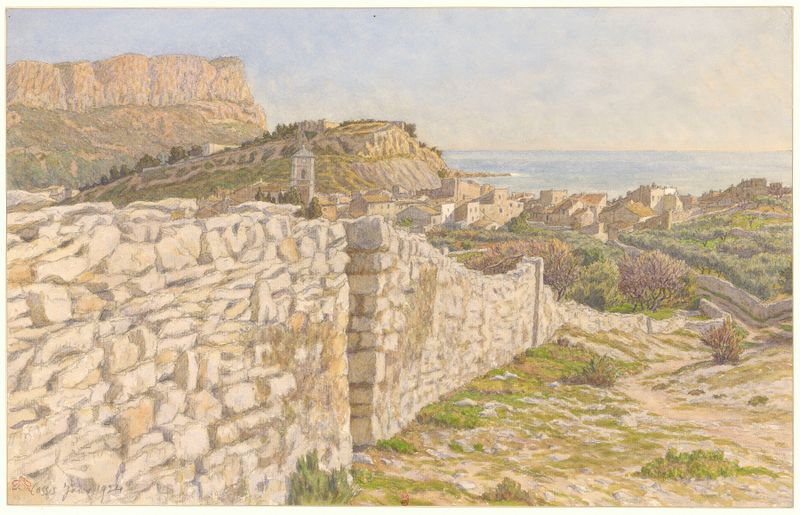
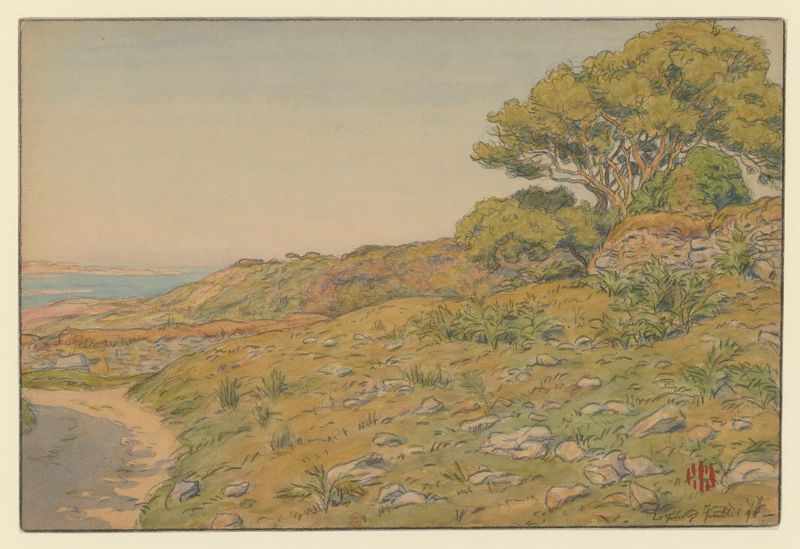
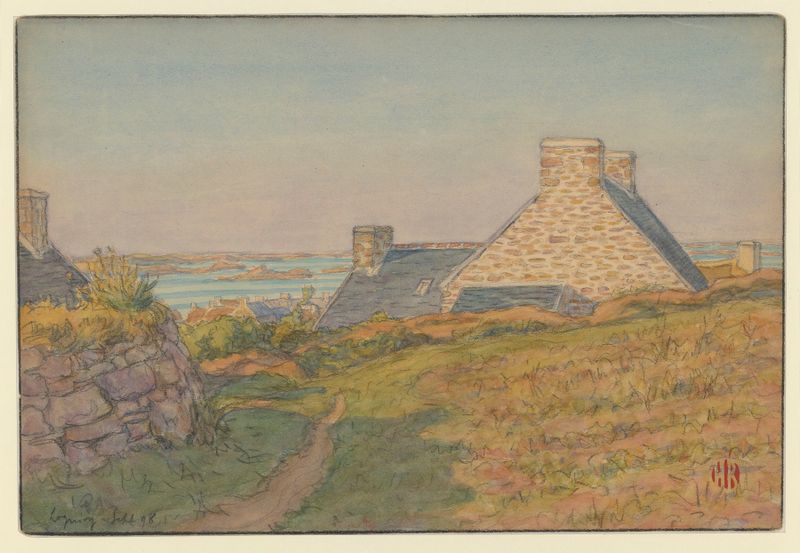
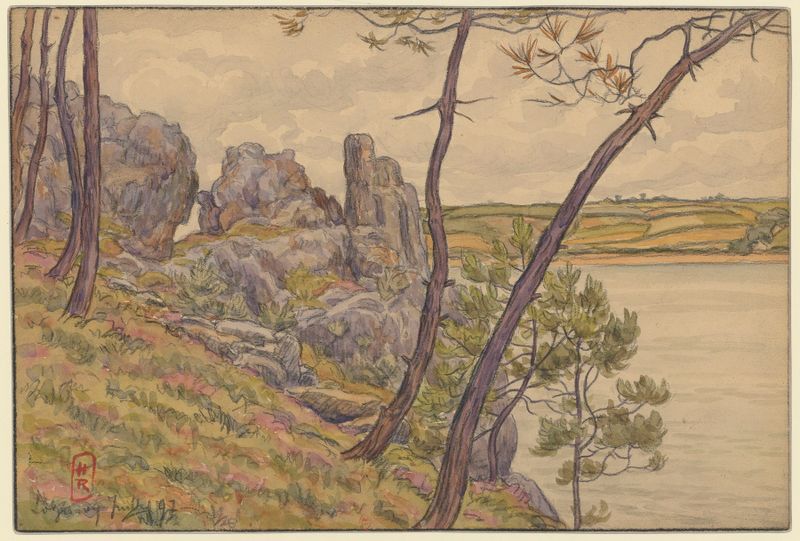
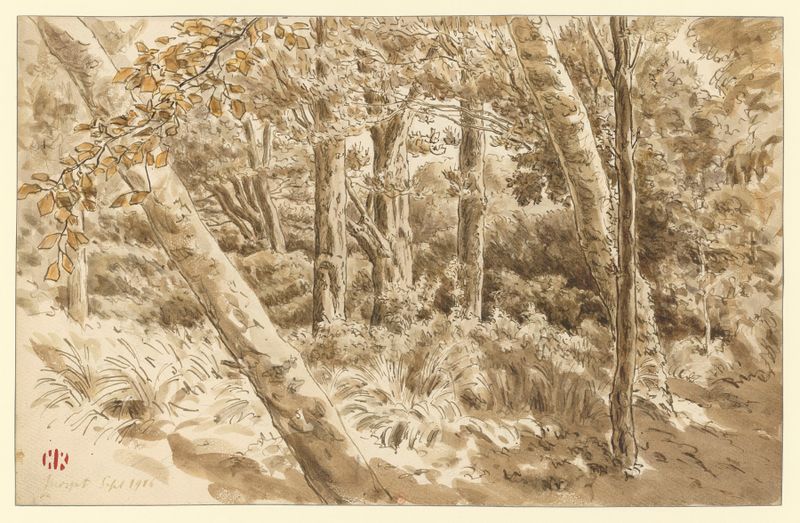
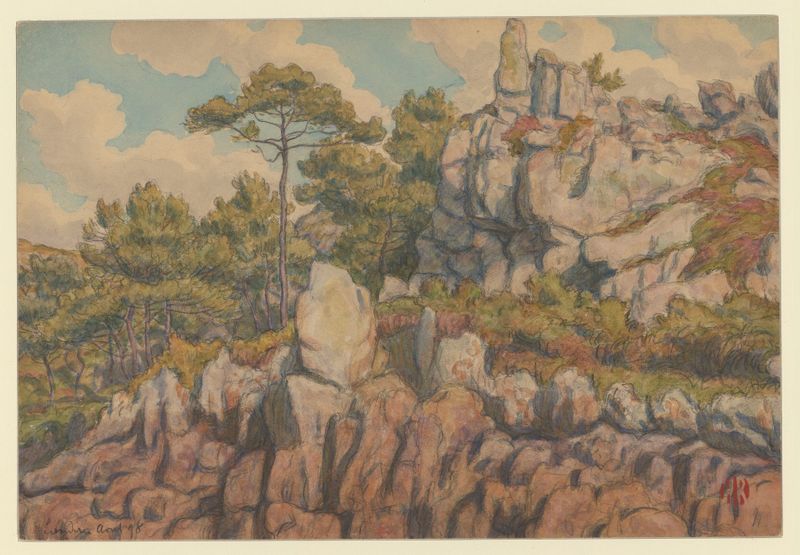
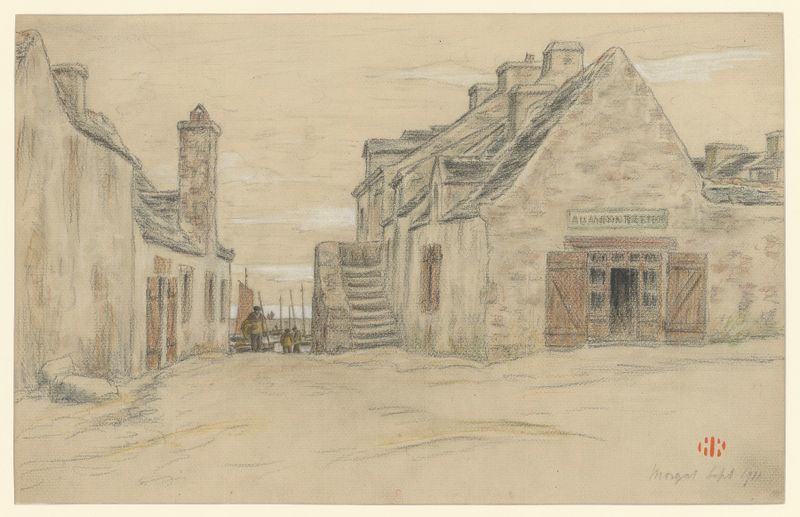
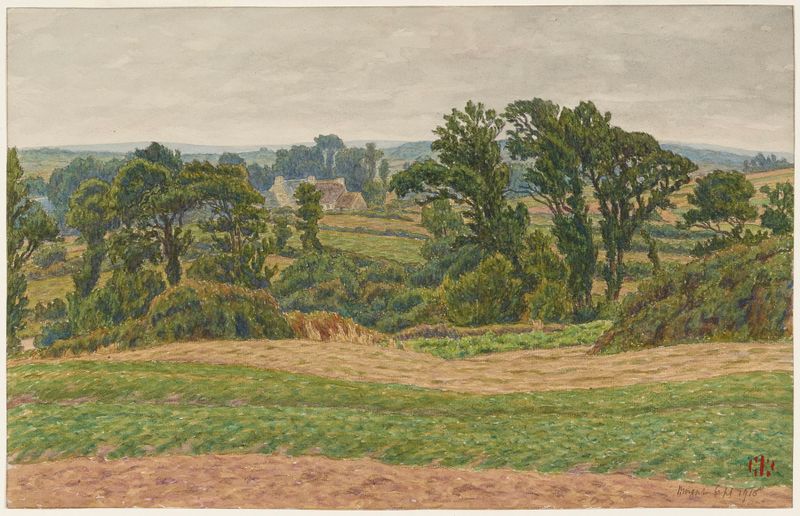
In the depths of madness, we find a longing for clarity, a grip on fleeting moments that slip through our fingers like sand. Henri Rivière captures this essence in a world interwoven with intricate lines—a testament to the chaos and beauty of existence. Look closely at the swirling forms that construct the landscape; the undulating lines draw you into the heart of the scene. Notice how the shading plays with light, casting shadows that dance around the edges of consciousness.
The muted palette of earthy tones speaks to the surreal harmony and instability of nature, inviting viewers to explore the emotions intertwined with every stroke. Each element seems to breathe, oscillating between serenity and turmoil, a reflection of the artist's inner labyrinth. Delve deeper into the details, and you may uncover a profound commentary on sanity and memory. The unpredictable rhythm of lines evokes a sense of unease, suggesting that beneath the surface of peaceful recollections lies a torrent of unacknowledged chaos.
The juxtaposition of order and madness serves as a reminder of the fragile balance in our own minds, where beauty often exists alongside despair, latent yet powerful. In 1923, Rivière created this work amidst a post-World War I Europe, grappling with the aftermath of conflict and the burgeoning modernism movement. Living in Paris, he was influenced by the rapid changes in art and society, which shaped his experimental approach and rich visual language. The tension of this era permeates his work, reflecting both a personal struggle and a collective search for meaning in a fractured world.