
Saint Paul's from the South — History & Facts
A haze of river mist and industry softens the monumental dome of St Paul’s, drawing the viewer’s gaze upward from the bustle of the Thames to the quiet authority of London’s skyline. The drama here is not in storm or spectacle, but in the steady pulse of daily life: barges with ochre sails cluster at the quayside, their crews bent to work, while smoke from distant steamers drifts into the pale, clouded light. The artist leads the eye along the water’s surface, where reflections waver and dissolve, up to the dome that presides over the city’s ceaseless activity.
The muted palette—greys, browns, and ochres—suggests both the grime of the industrial city and the poetry that can be found within it. Painted in 1898, this view belongs to a moment when London was the world’s busiest port, and artists like Albert Goodwin found new subjects in the changing urban landscape. Such scenes were rarely grand commissions; rather, they were made for a growing middle class eager to see their city reflected as both modern and historic. Goodwin’s approach, blending careful observation with atmospheric effects, echoes the innovations of the late Victorian era, when painters were fascinated by light, weather, and the rhythms of city life.
History has kept few traces of this particular work beyond its date and its survival in photographic form, but its mood and detail invite the viewer to linger, searching for stories in the mist.
More Artworks by Albert Goodwin

Kynance Cove, Cornwall
Albert Goodwin
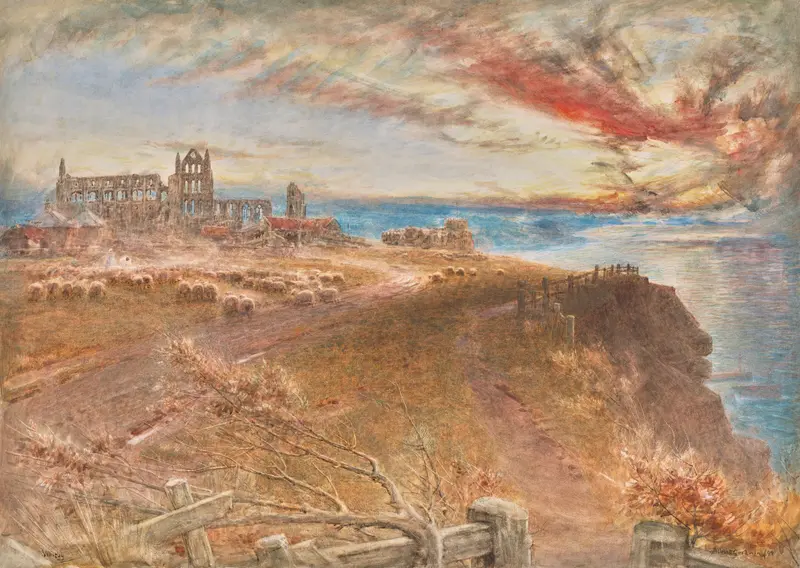
Evening, St Hilda’s Abbey, Whitby, Yorkshire
Albert Goodwin
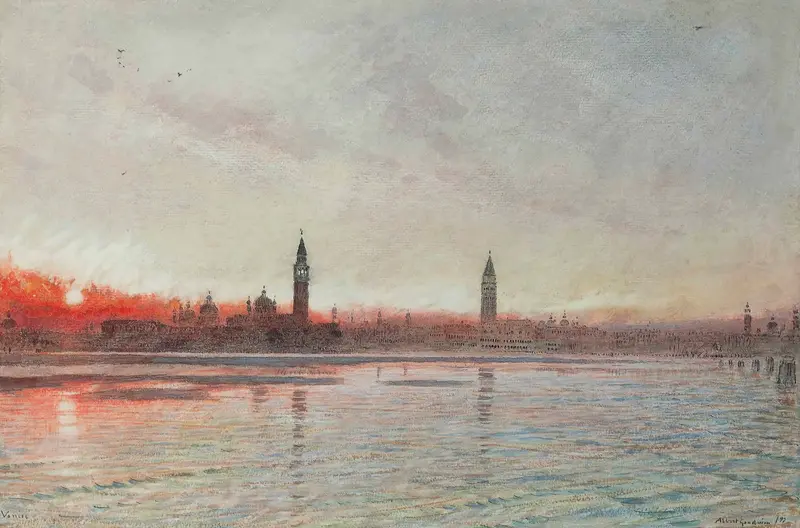
Sunset, Venice
Albert Goodwin
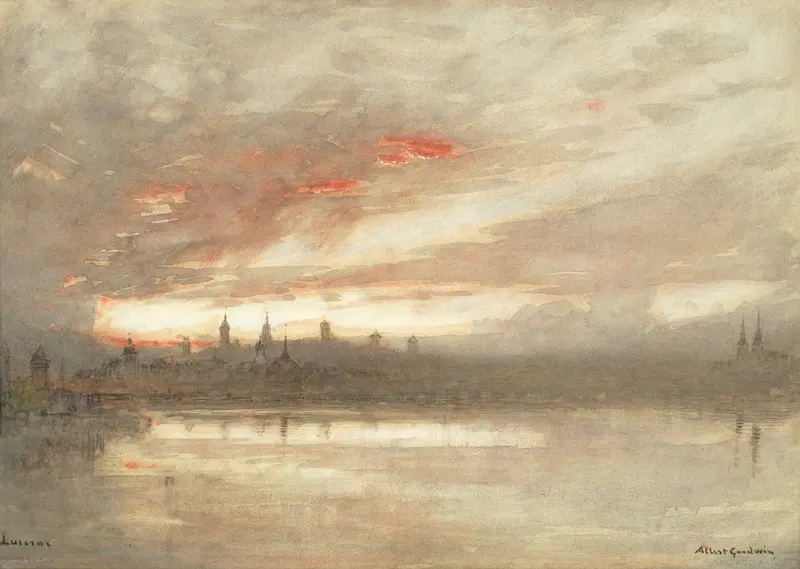
A view over Lake Lucerne
Albert Goodwin
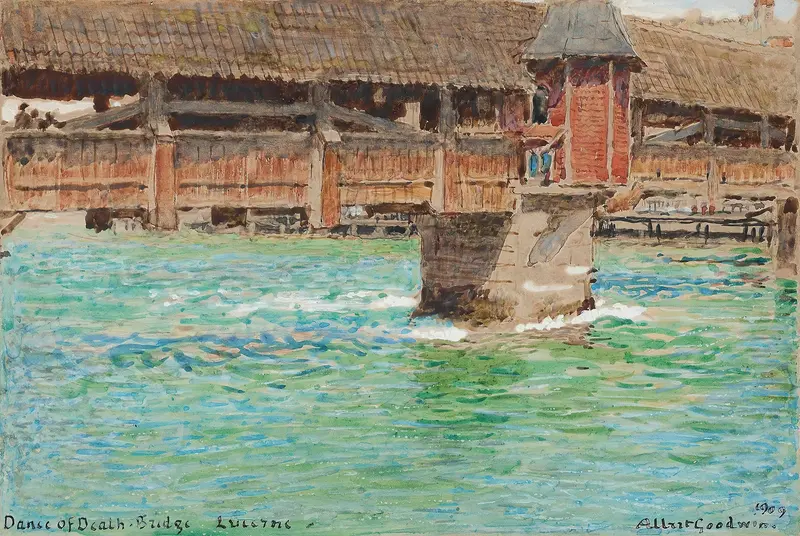
Dance Of Death Bridge, Lucerne
Albert Goodwin
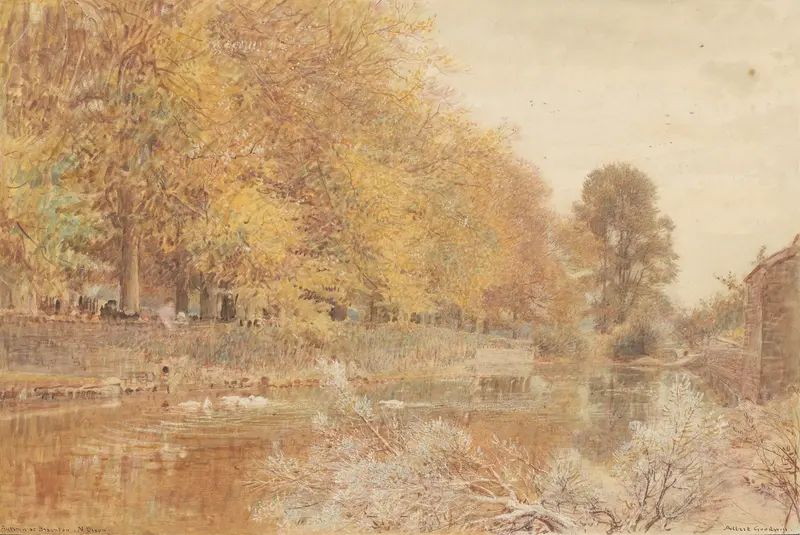
Autumn at Braunston, North Devon
Albert Goodwin
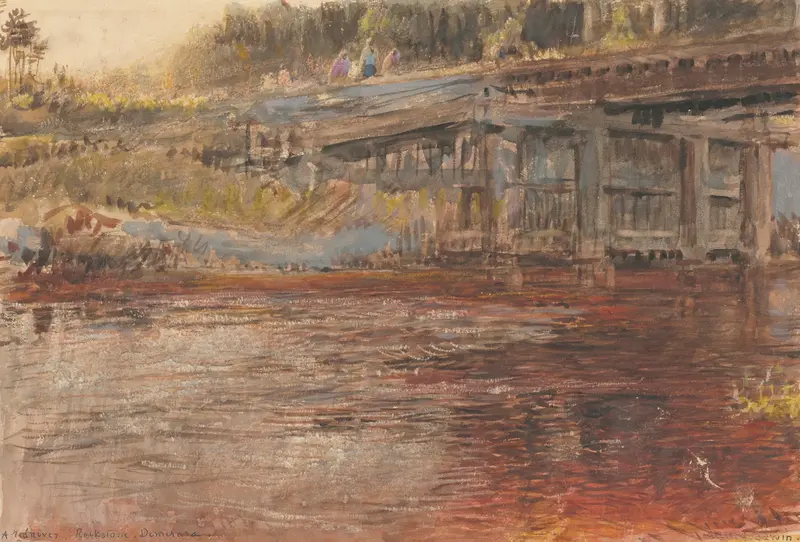
Rockstone, Demerara, Guyana
Albert Goodwin
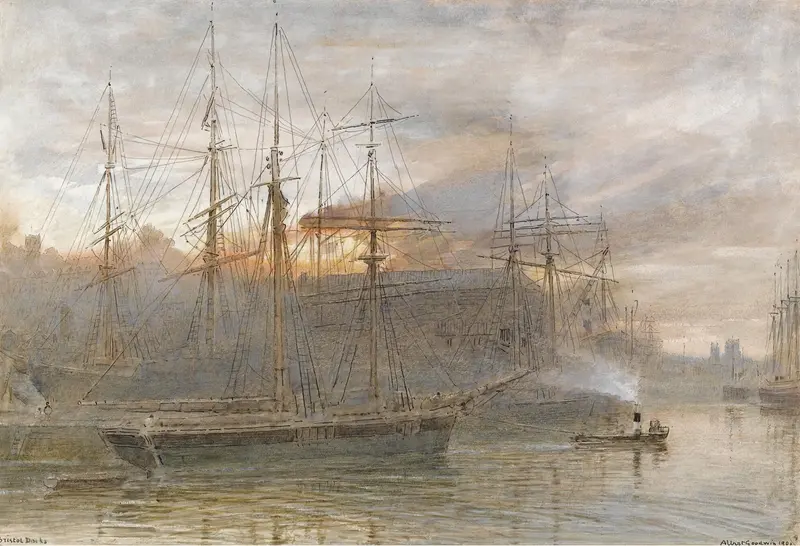
Bristol docks
Albert Goodwin
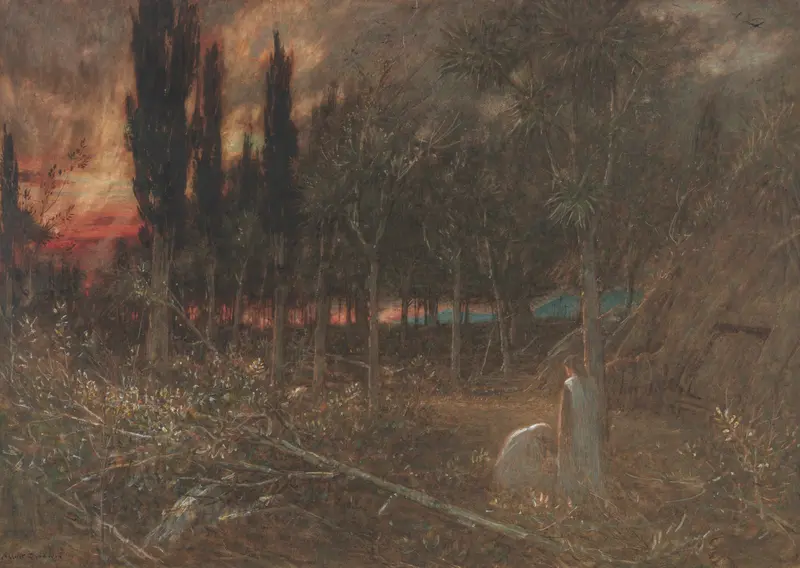
Night – faithful unto death
Albert Goodwin
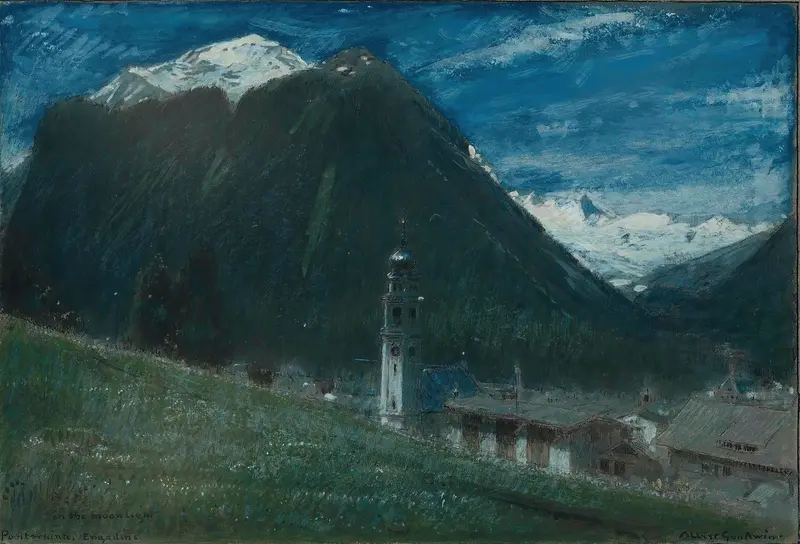
In The Moonlight, Pontresina, Engadine, Switzerland
Albert Goodwin
More Landscape Art

The Starry Night
Vincent van Gogh

View of Delft
Johannes Vermeer

Water Lilies
Claude Monet

The Grand Canal, Venice, looking north-west from the Ca' Corner to the Ca' Contarini degli Scrigni, with the campanile of Santa Maria della Carità
Canaletto

Windsor Castle
Canaletto

The Grand Canal looking North-East from the Palazzo Dolfin-Manin to the Rialto Bridge
Canaletto