
Saint-Servan — History & Facts
Did the painter know this moment would outlive them? In the stillness of Saint-Servan, one can almost feel the brushstrokes breathe life into the eternal beauty of a fleeting scene, capturing the essence of ecstasy in its quietude. Look to the foreground, where the gentle curve of the shoreline embraces the calm waters, reflecting a soft, dreamy palette of blues and greens. The distant boats appear like whispers against the horizon, their sails bloated with an unseen wind. Notice how the sunlight dances upon the water's surface, creating a shimmering tapestry that draws the viewer's eye toward the distant cliffs, majestic yet serene, standing guard over the tranquil scene. As you delve deeper, observe the contrasting emotions woven into the fabric of this piece.
The tranquil waters suggest peace, yet the looming cliffs hint at the untamed power of nature, a reminder of life's duality. The delicate interplay between light and shadow further enhances this tension, conveying a sense of longing and an unspoken connection between humanity and the natural world. In 1912, Auguste Louis Lepère painted Saint-Servan during a period of personal exploration and artistic maturity. Living in France amidst a vibrant art scene influenced by Impressionism, he sought to capture the intimate relationship between landscape and emotion.
This work reflects his dedication to the beauty of everyday moments, showing that even in stillness, there is a profound sense of life.
More Artworks by Auguste Louis Lepère
Browse all →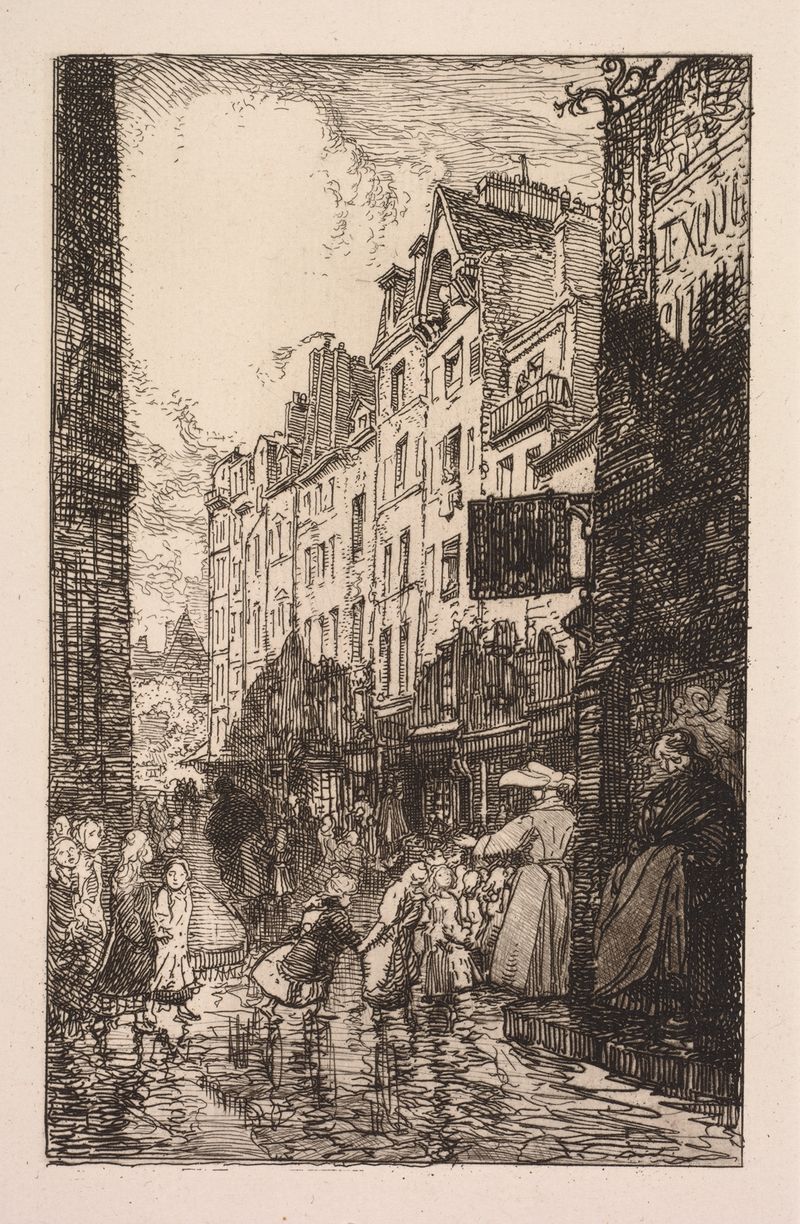
La Rue des Prêtres Saint-Séverin
Auguste Louis Lepère
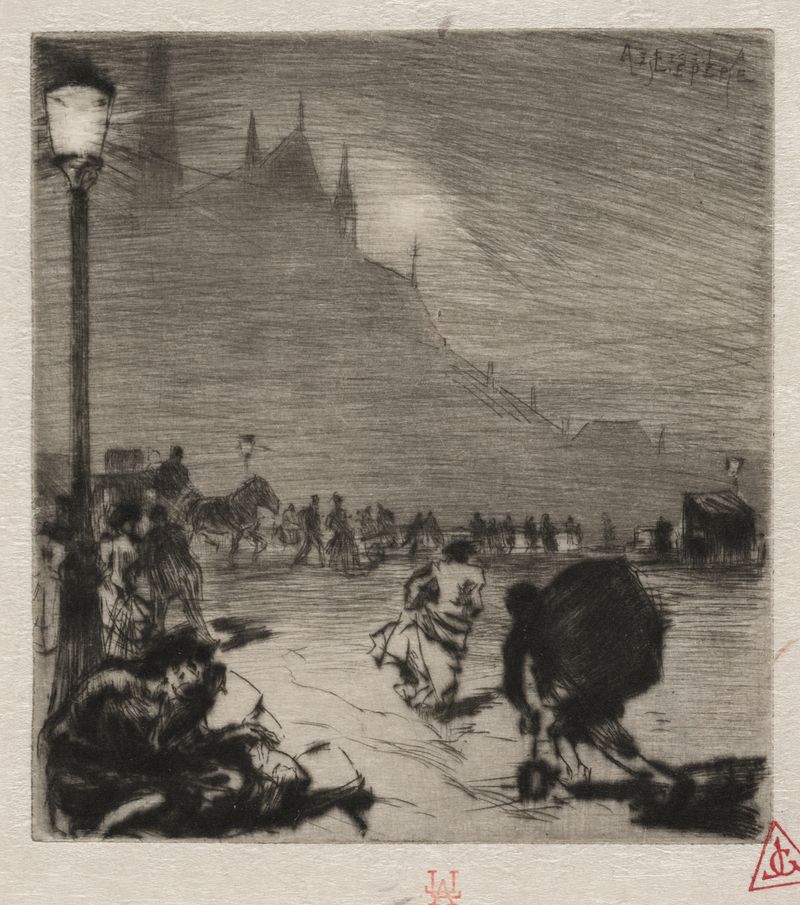
Au Coin du Pont-aux-Doubles
Auguste Louis Lepère
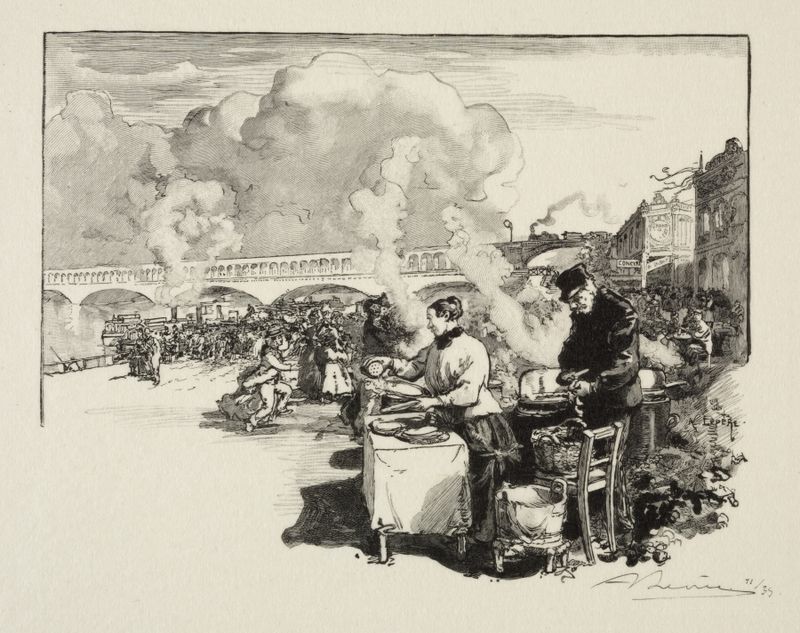
Debarcadère des bateaux-omnibus
Auguste Louis Lepère

La Seine, au quai de la Rapée
Auguste Louis Lepère
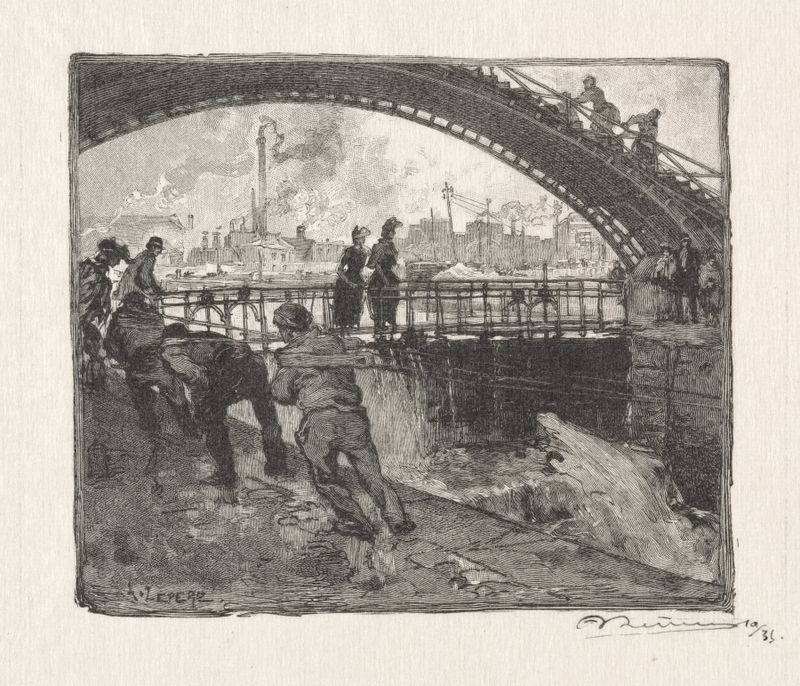
L’Ecluse du Canal St. Martin
Auguste Louis Lepère

Le Boulevard Montmartre, le Soir
Auguste Louis Lepère

Une Chasse au Mont Gérard
Auguste Louis Lepère
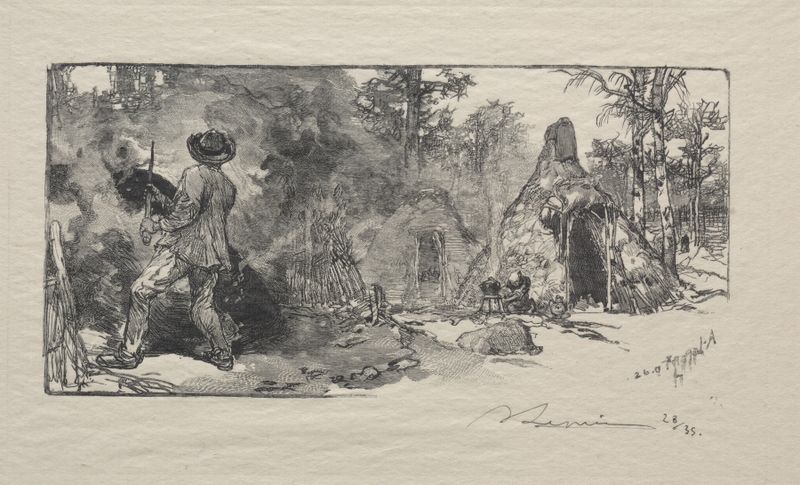
Les Charbonniere
Auguste Louis Lepère
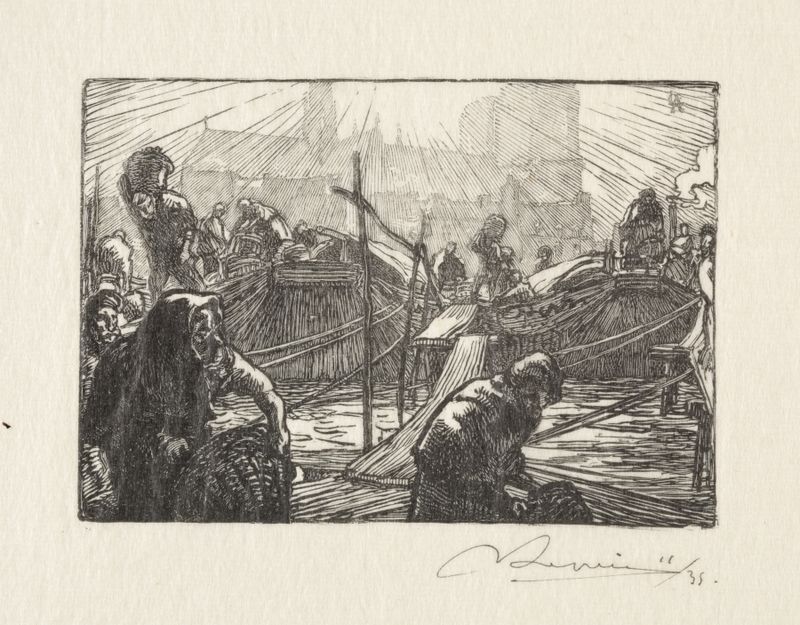
Notre Dame vue du Marché aux pommes
Auguste Louis Lepère

Le Palais des Arts Liberaux, Intèrieur
Auguste Louis Lepère





