
Saint-Tropez — History & Facts
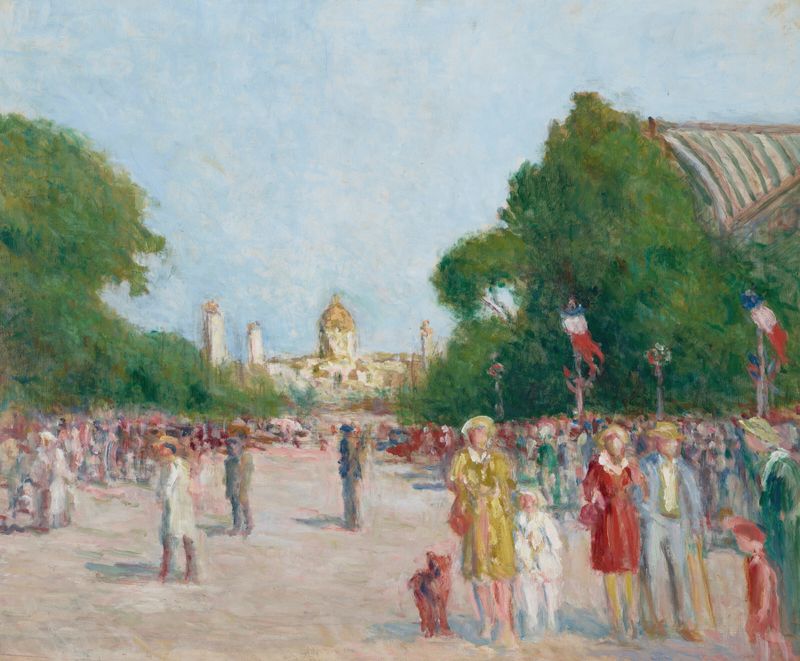
In the chaotic dance of brushstrokes, Saint-Tropez emerges as a testament to the complexity of existence amid serene landscapes. Look to the diagonal lines that converge in the foreground, guiding your gaze toward the lively harbor bustling with activity. The bold strokes of vibrant blues and yellows reflect the Mediterranean sun’s intensity, casting a jubilant glow. Notice how the figures, slightly blurred yet full of life, seem to move with the rhythm of the waves, capturing a moment suspended between tranquility and tumult. Amidst this vivid tableau, contrasts reveal much about the human condition; the serene backdrop of the harbor juxtaposed with the frenetic energy of its inhabitants speaks to the duality of peace and chaos.
The way light plays upon the water and the boats hints at a deeper, almost fleeting beauty in the chaos of daily life — a realization that joy often exists just beneath the surface of disorder. Created in 1892, this piece reflects Maximilien Luce's immersion in the Post-Impressionist movement, set against the backdrop of a rapidly changing France. At this time, Luce was deeply inspired by the sights and sounds of urban life, grappling with the dualities of modernity while seeking to capture the emotional resonance of a world in transition. His work encapsulates a moment where nature and humanity intersect, forever entwined in an eternal dance.
More Artworks by Maximilien Luce
Browse all →
Le Quai Montebello Et La Colline Sainte-Geneviève
Maximilien Luce

Le Pont-Neuf, La Seine, Petit Bras
Maximilien Luce
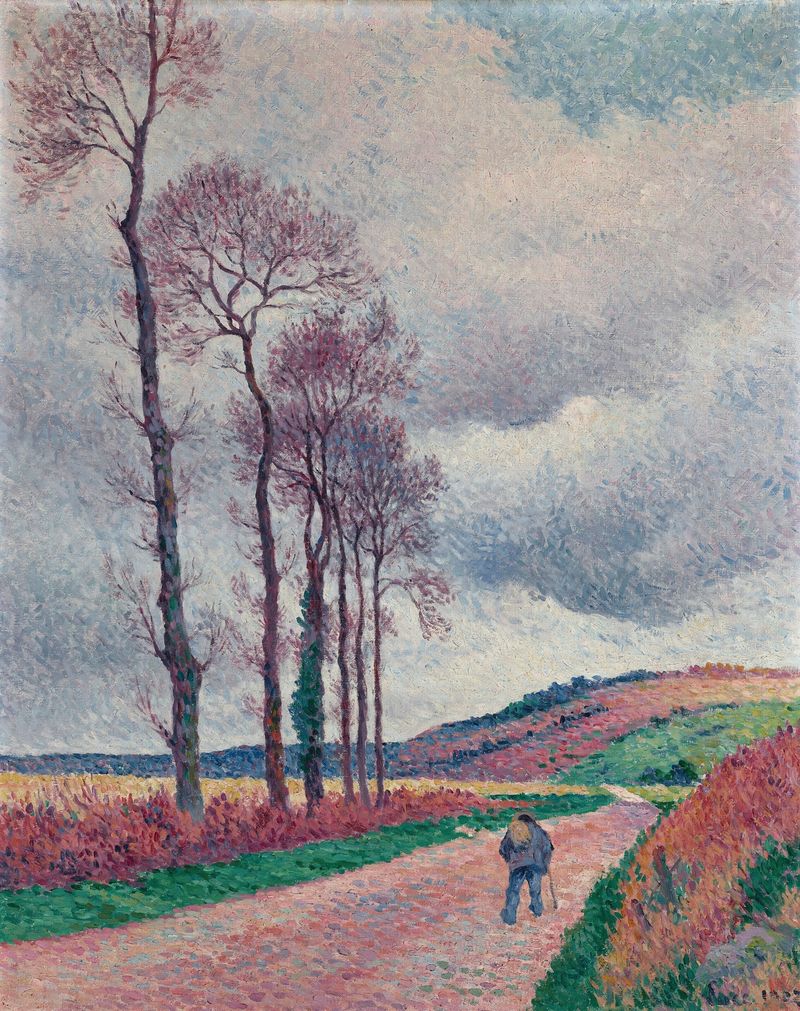
La route aux environs de Méréville
Maximilien Luce
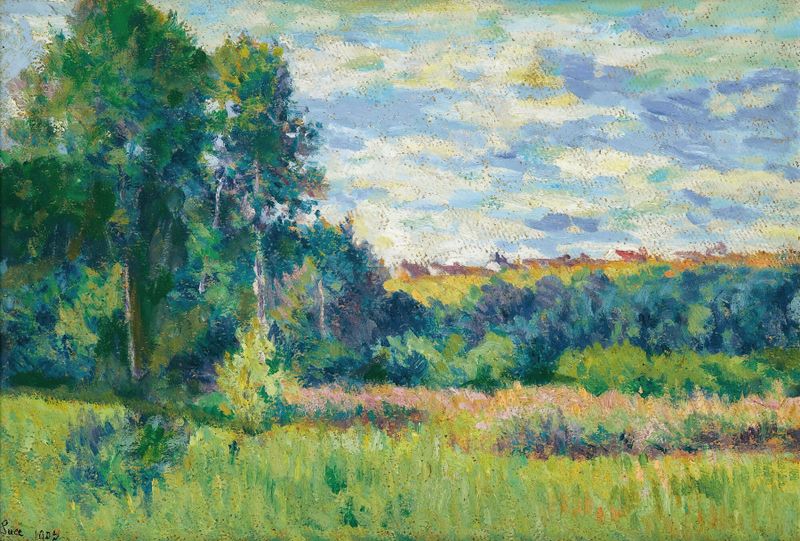
Paysage
Maximilien Luce
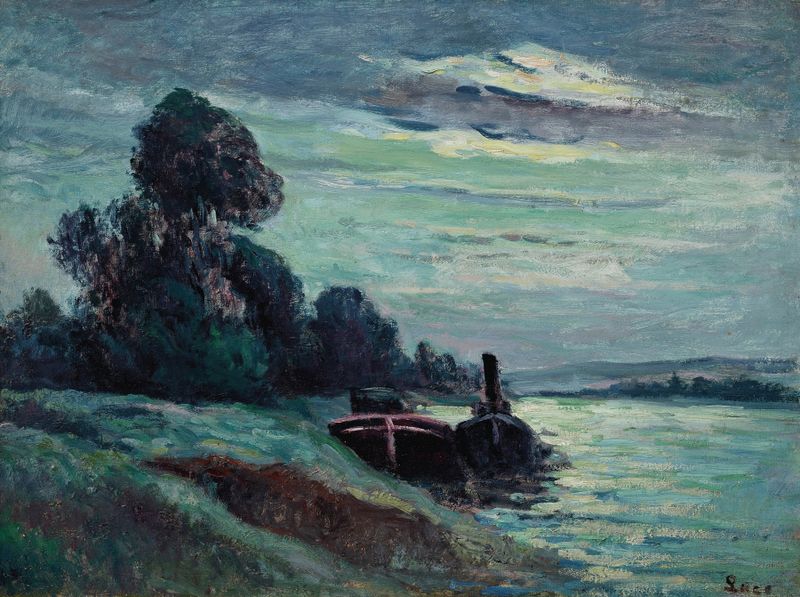
Péniches sur la Seine
Maximilien Luce

Notre Dame de Paris
Maximilien Luce
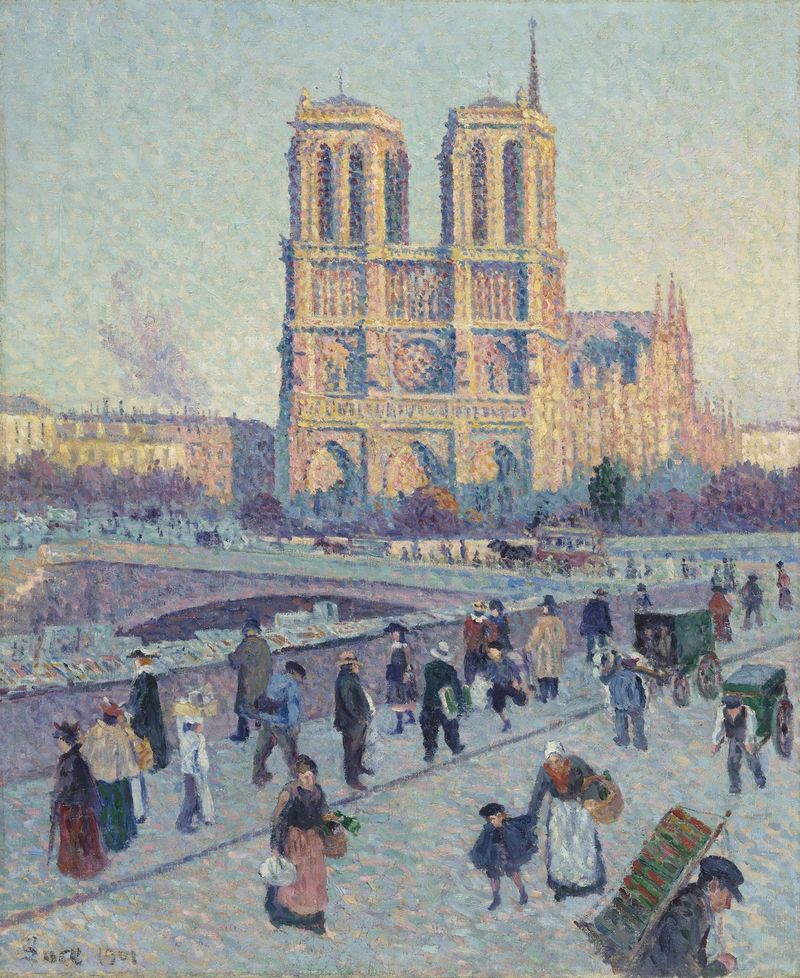
The Quai Saint-Michel and Notre-Dame
Maximilien Luce

La Seine au Pont Mirabeau
Maximilien Luce
L’avenue Winston-Churchill, Paris
Maximilien Luce

Paris, Le Quartier De Vaugirard
Maximilien Luce





