
Salome brengt het hoofd van Johannes de Doper naar Herodias — History & Facts
In the intricate dance of obsession, a single moment captures the haunting allure of desire and its destructive power. Look to the center of the composition, where Salome stands poised, her elegantly draped garments flowing as if they are alive. The stark contrast of her pale skin against the deep hues of the background draws the viewer's eye, inviting contemplation. Notice how the soft light delicately highlights her expression—an intoxicating mixture of triumph and melancholy—as she presents the severed head of John the Baptist.
The meticulous detail in the bloodied visage speaks to the artist's skill, while the rich colors evoke a blend of reverence and horror. Among the layers of this masterpiece lie profound emotions—obsession and betrayal intertwine like shadow and light. Salome's calm demeanor belies the violence of her act, creating a chilling tension that permeates the scene. The head, a grotesque trophy, symbolizes the inevitable consequences of unchecked passion and desire.
The expressions of those surrounding her whisper stories of their own, caught in the reverberations of her choice. Created between 1485 and 1491, this work emerged from the skilled hands of the Master of Antwerp, a period marked by a burgeoning interest in both the human form and dramatic narratives within art. At a time when Northern Renaissance painting was flourishing, the artist captured a pivotal moment that resonated with themes of power, femininity, and morality. The world was evolving, and this painting stands as a testament to the complexities of human emotion in the face of societal constructs.
More Artworks by Meester van Antwerpen (I)
Browse all →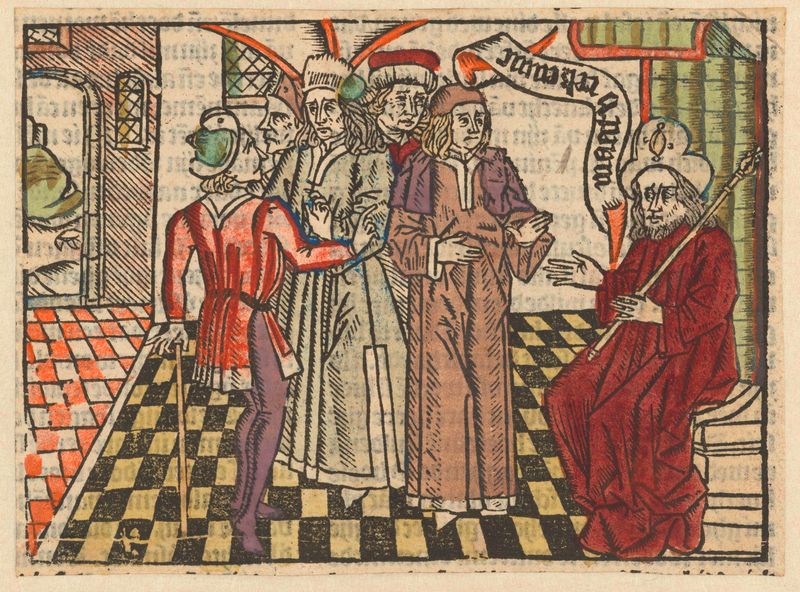
Parabel van de koning en de dienaar die geen vergiffenis schonk
Meester van Antwerpen (I)
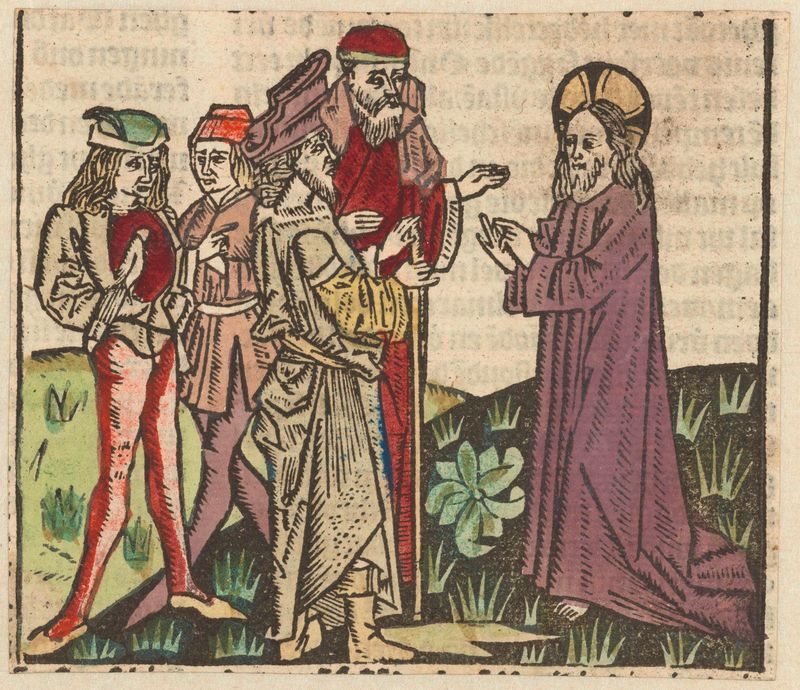
Christus in gesprek met Nicodemus
Meester van Antwerpen (I)
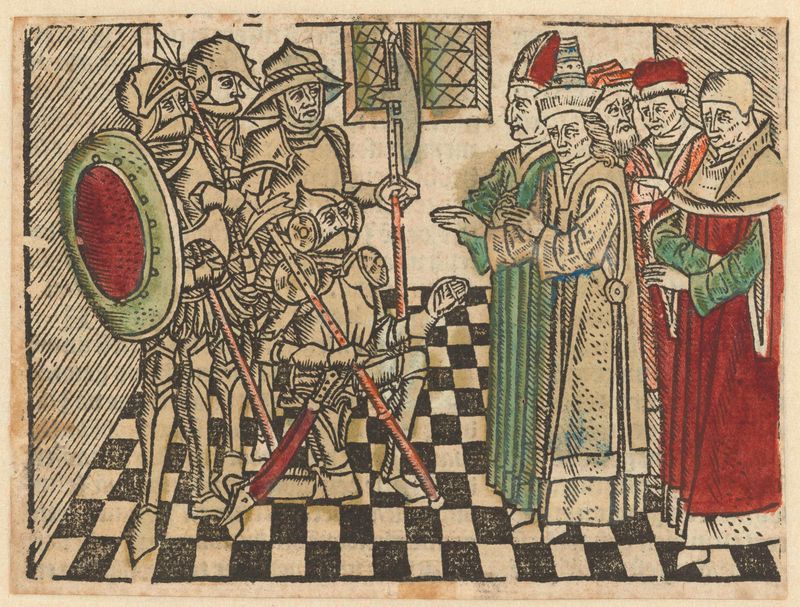
Soldaten berichten de hoge priesters dat Christus is herrezen
Meester van Antwerpen (I)
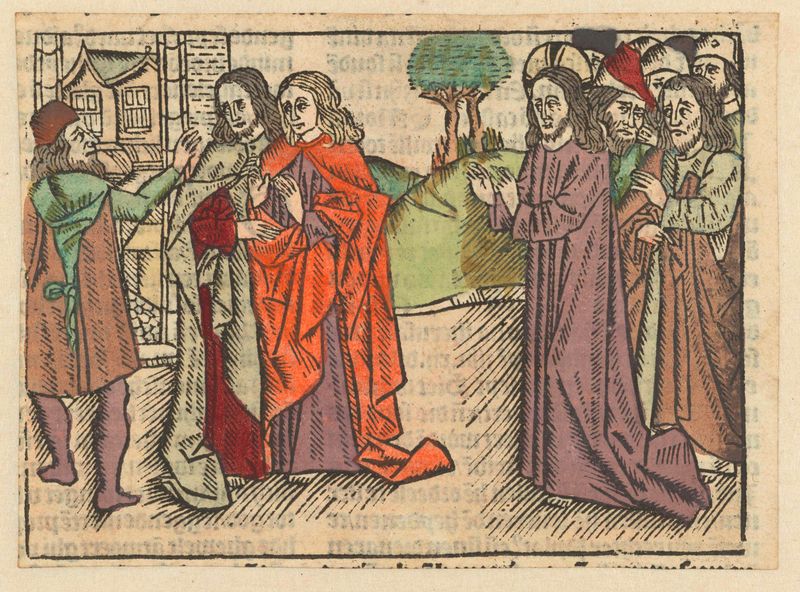
Een Samaritaan weigert Christus te ontvangen
Meester van Antwerpen (I)
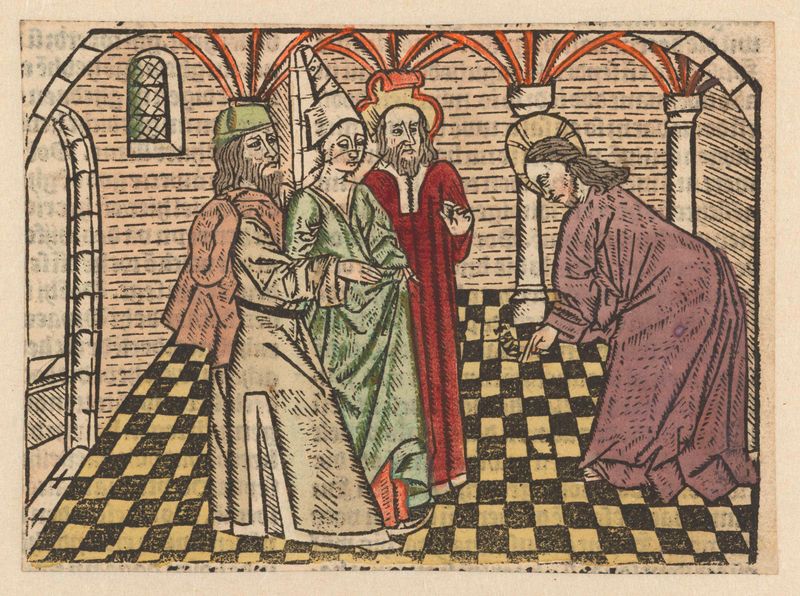
Christus en de overspelige vrouw
Meester van Antwerpen (I)
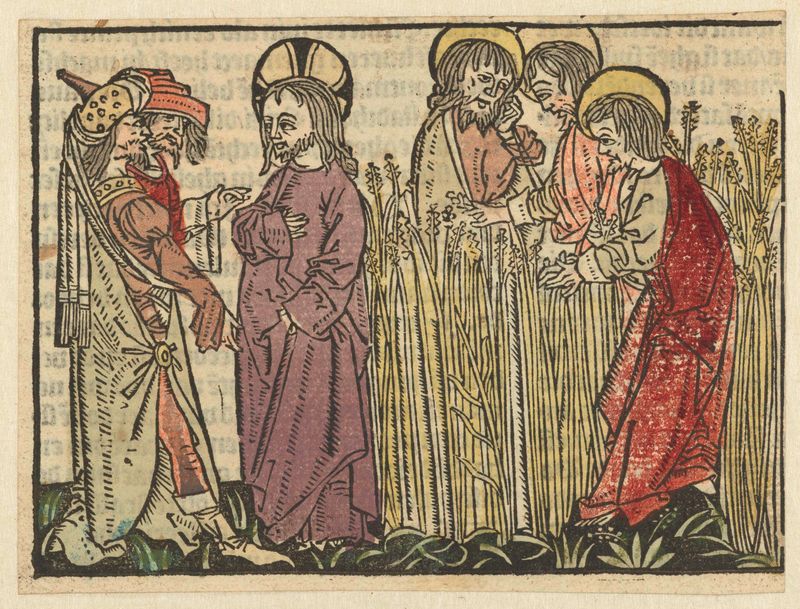
De discipelen plukken en eten aren op de sabbat
Meester van Antwerpen (I)
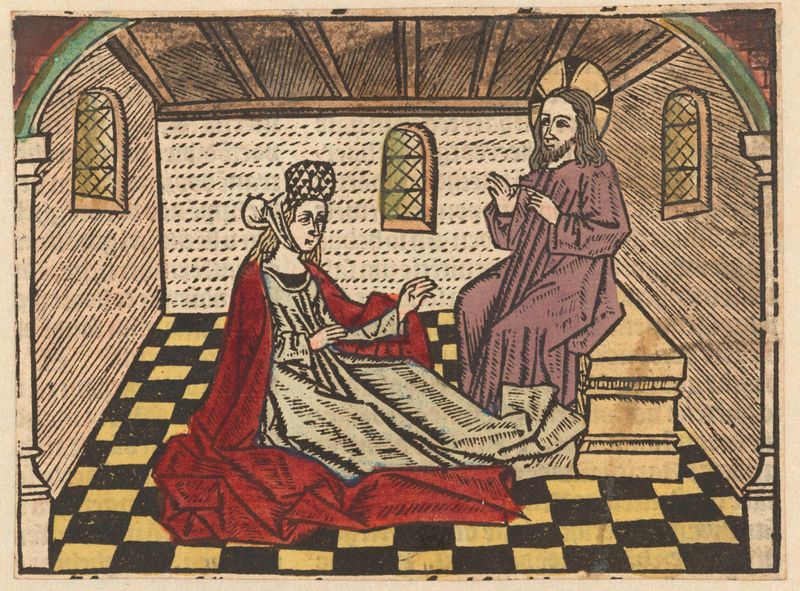
Maria Magdalena luistert naar Christus en bekeert zich
Meester van Antwerpen (I)
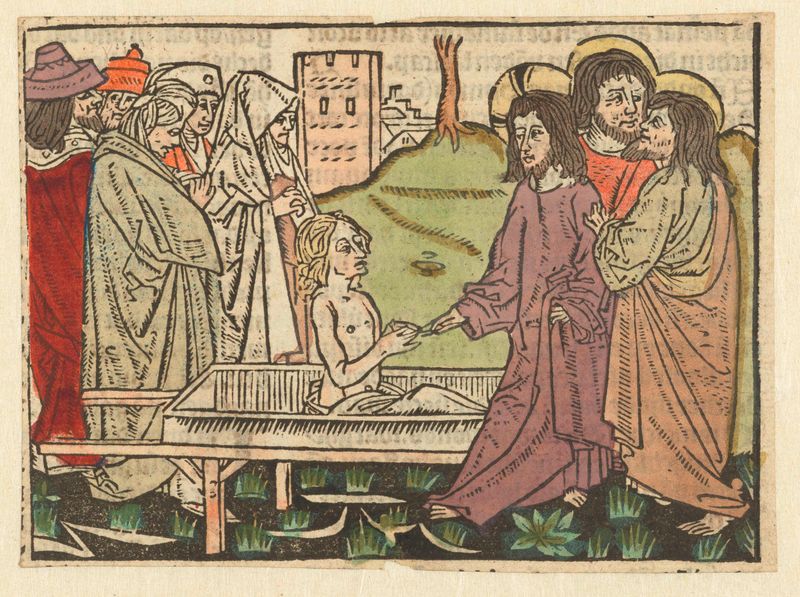
Opwekking van de zoon van de weduwe van Nain
Meester van Antwerpen (I)
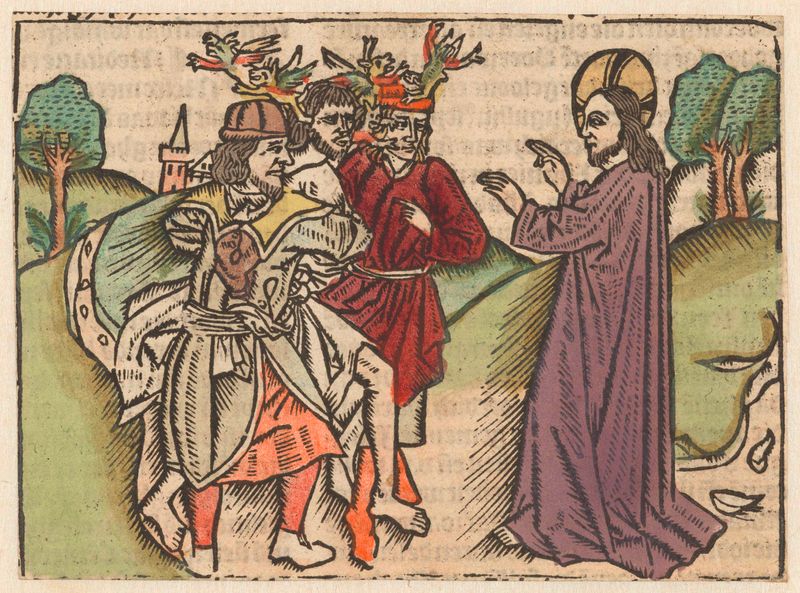
Christus geneest de bezeten man die niet kon spreken
Meester van Antwerpen (I)
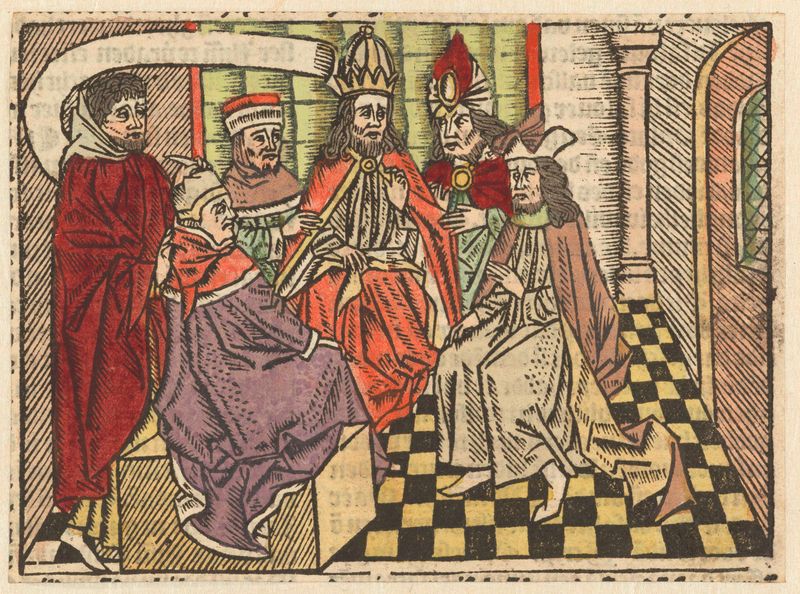
Judas bij de hogepriesters om Christus te verraden
Meester van Antwerpen (I)
More Religious Art
Browse all →
The Return of the Prodigal Son
Rembrandt van Rijn

The Garden of Earthly Delights
El Bosco

Count Orgaz’ funeral
El Greco

The Hundred Guilder Print: the central piece with Christ preaching, the plate arched
Rembrandt van Rijn

The Descent from the Cross
Rogier van der Weyden

The return of the prodigal son
Rembrandt van Rijn