
Samarkand – marketplace. From the journey to Turkestan — History & Facts
When did color learn to lie? It is a question that reverberates through the vibrant layers of reality and illusion in this captivating work. Look to the center of the composition, where the bustling marketplace teems with life. Vendors animatedly engage with customers, their colorful textiles creating a tapestry of hues that drape the scene. Notice how the artist employs rich reds, deep blues, and vibrant yellows to draw the eye, while soft, golden light bathes the figures, casting elongated shadows that hint at the day's fleeting passage.
The rhythmic patterns of fabric and light meld into a dynamic dance, inviting viewers to step into the marketplace. Yet amidst this vibrant energy lie subtle tensions. The expressions on the faces of the merchants, a mix of eagerness and weariness, suggest a struggle beneath the surface of this lively exchange. The juxtaposition of the crowded stalls against the expansive, open sky evokes a sense of both connection and isolation—each figure lost in their own world, even as they mingle.
In this marketplace, color not only tells a story but also conceals deeper narratives of culture, commerce, and human experience. In 1912, Jan Ciągliński painted this piece during a period of significant change in the art world, influenced by movements embracing impressionism and realism. Living in Paris, Ciągliński immersed himself in the diverse artistic landscape while drawing from his Polish heritage. The journey to Turkestan, marked by exploration and fascination, inspired him to capture the essence of distant lands, infusing his work with a sense of nostalgia and cultural exploration that resonates throughout his career.
More Artworks by Jan Ciągliński
Browse all →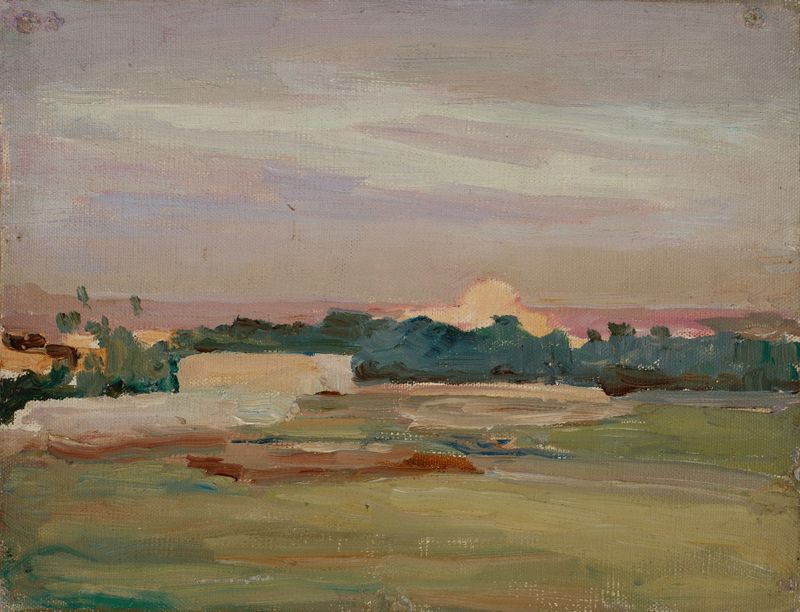
The Sirocco
Jan Ciągliński
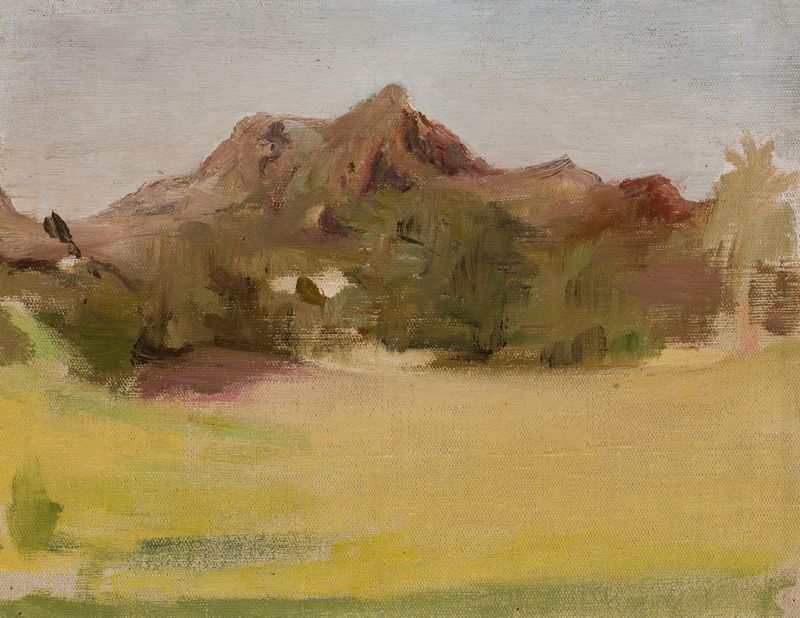
Mountain landscape. From the journey to India
Jan Ciągliński
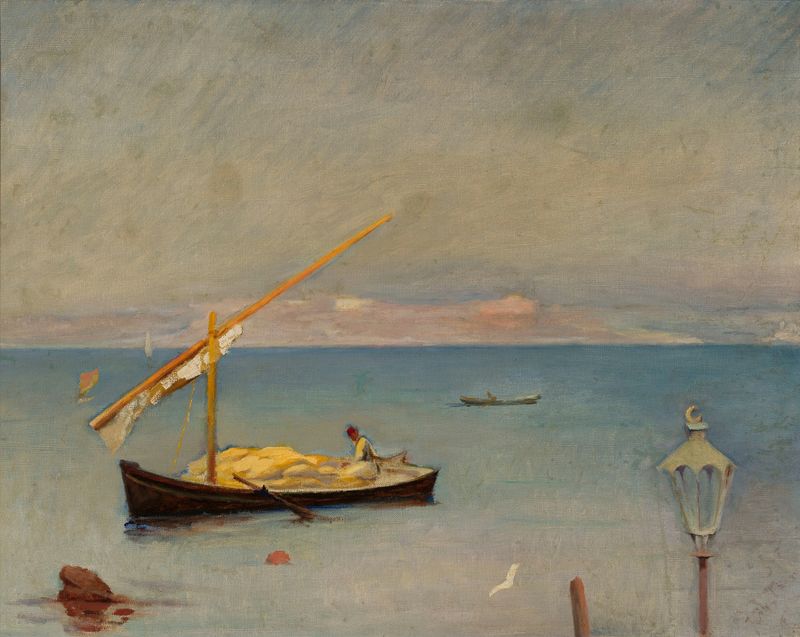
At Bosporus
Jan Ciągliński
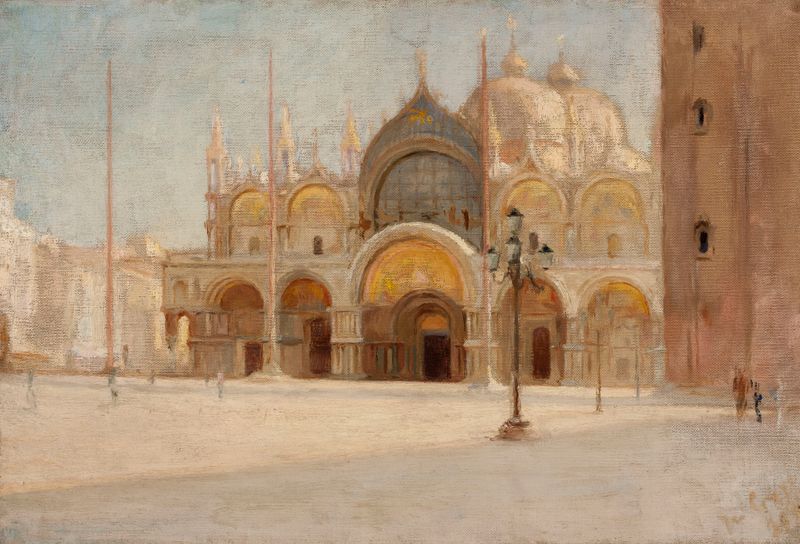
St Mark’s Square in Venice
Jan Ciągliński
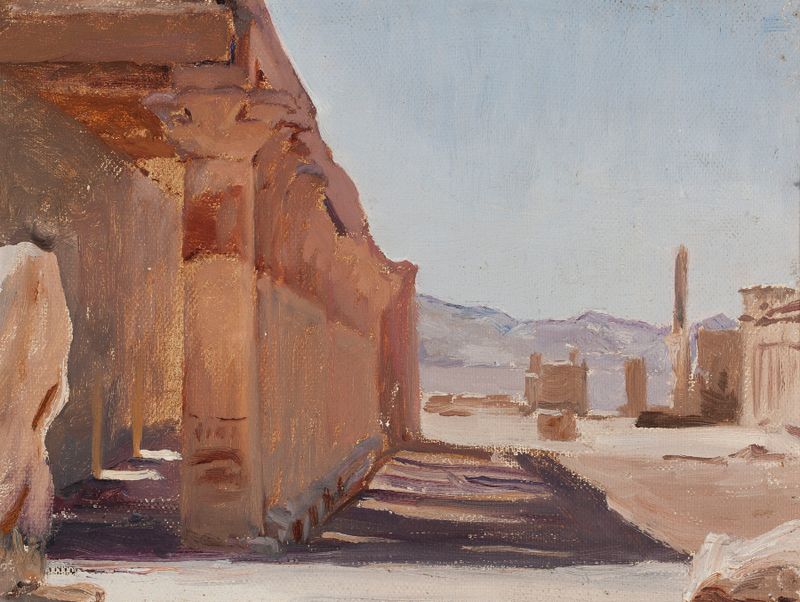
Temple. From the journey to Egypt
Jan Ciągliński
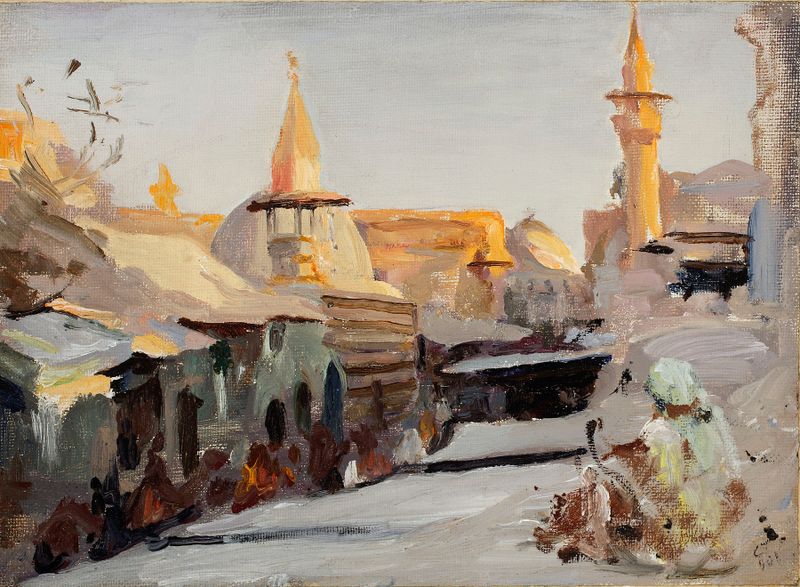
Street in Damascus. From the journey to Palestine
Jan Ciągliński
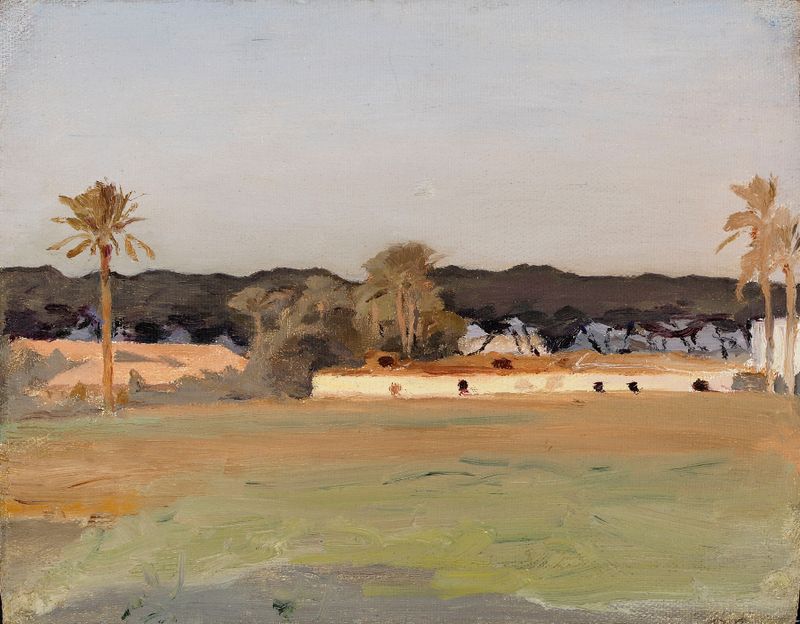
Evening. From the journey to Egypt
Jan Ciągliński
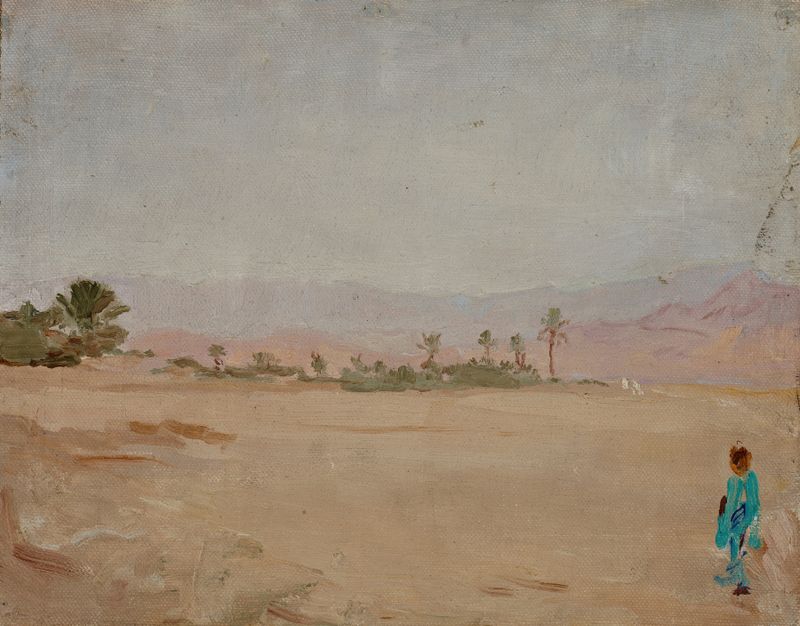
Sahara (Desert)
Jan Ciągliński
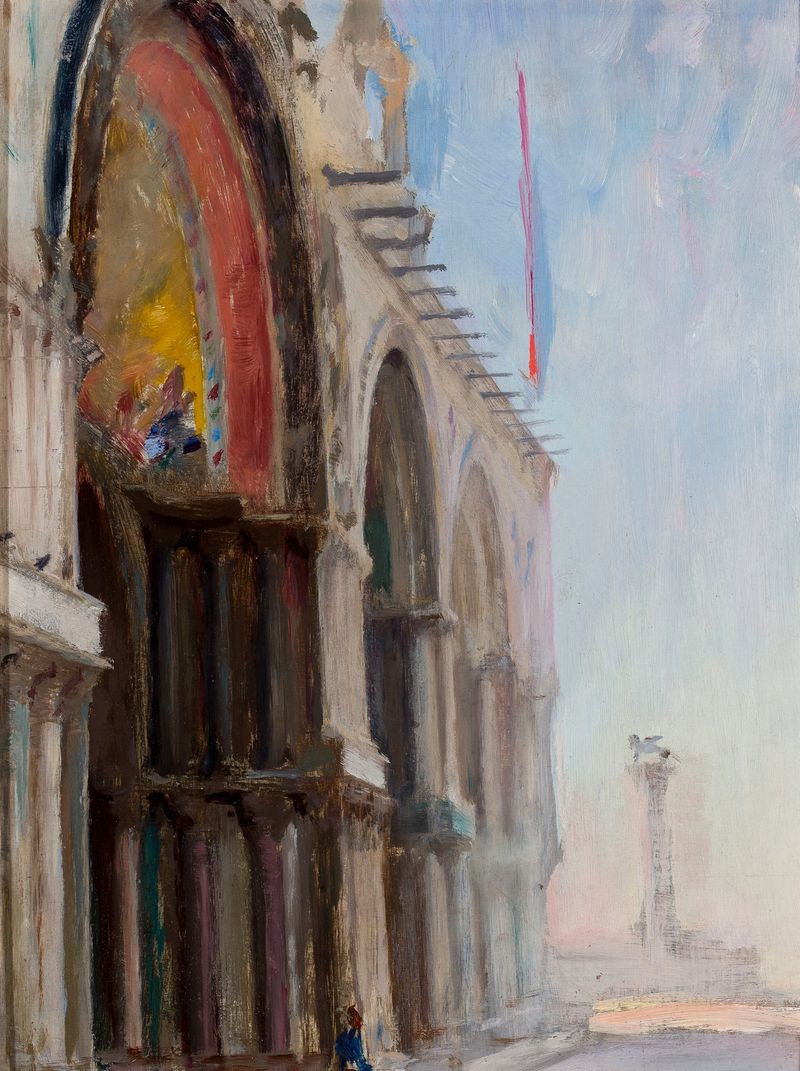
Venice – San Marco. From the journey to Italy
Jan Ciągliński
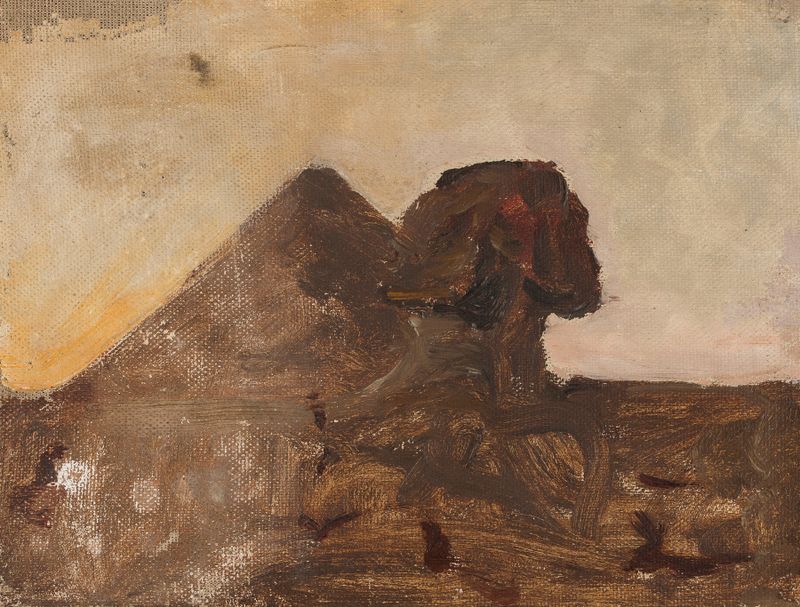
Evening in the desert – Sphinx and pyramid. From the journey to Egypt
Jan Ciągliński





