
Samidare (Arakawa) (Early summer rain at Arakawa) — History & Facts
Could beauty survive in a century of chaos? In a world painted with the strokes of conflict and turmoil, we find solace in moments where nature reigns, reminding us of life’s gentle resilience. Look to the foreground of the composition, where delicate raindrops cling to vibrant green leaves, each droplet like a tear suspended in time. The soft palette of blues and greys envelops the scene, drawing your gaze upward towards the hazy silhouettes of distant hills, which blend with the sky in an ethereal embrace. Notice how the light filters through the rain-soaked air, casting an almost dreamlike glow upon the landscape, creating a conversation between serenity and the unrest that lingers just outside the frame. These subtle contrasts speak volumes.
The heavy clouds suggest an impending storm, yet the lushness of the foliage and the soft, rhythmic patter of rain evoke a sense of calm and renewal. The tension lies in the juxtaposition of beauty and violence, as nature thrives in its quietude, even amidst a backdrop that hints at turmoil. Every element—the careful brushwork of the leaves, the stillness of the water—whispers of a fragile peace that must be cherished. In 1932, Kawase Hasui painted this evocative piece during a time when Japan was grappling with significant social changes and political unrest.
As part of the Shin-hanga movement, he sought to merge traditional Japanese aesthetics with Western influences, creating a dialogue about identity in an era of transformation. Samidare (Arakawa) stands as a poignant reminder of nature's ongoing beauty, even in the face of human chaos.
More Artworks by Kawase Hasui
Browse all →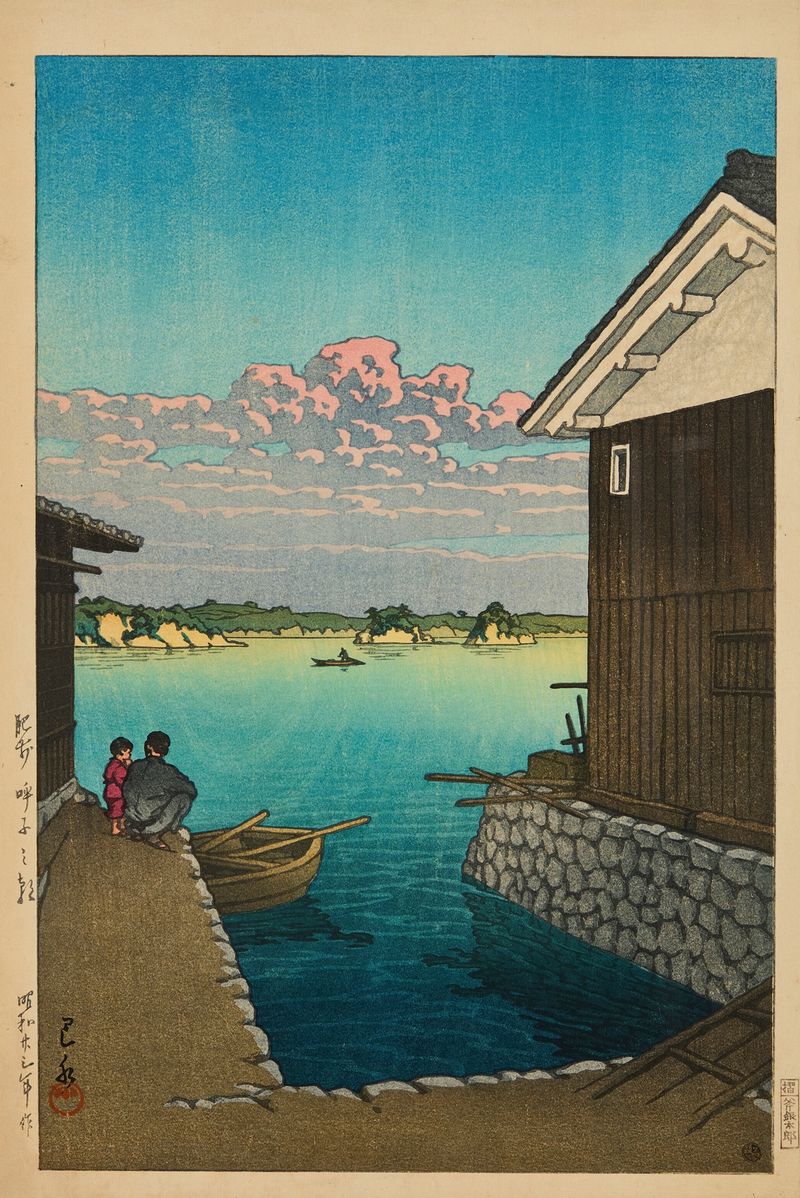
Hizen Yobuko no asa (Morning in Yobuko, Hizen)
Kawase Hasui
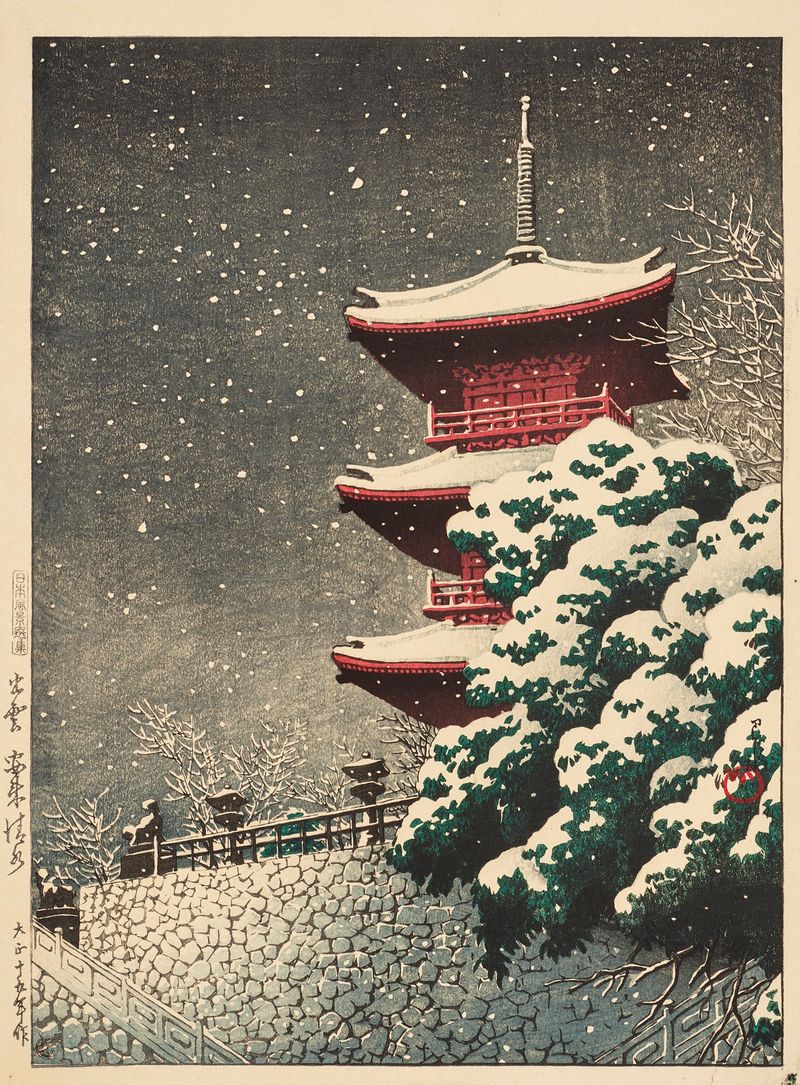
Izumo, Yasugi Kiyomizu (Yasugi Kiyomizu Temple at Izumo)
Kawase Hasui
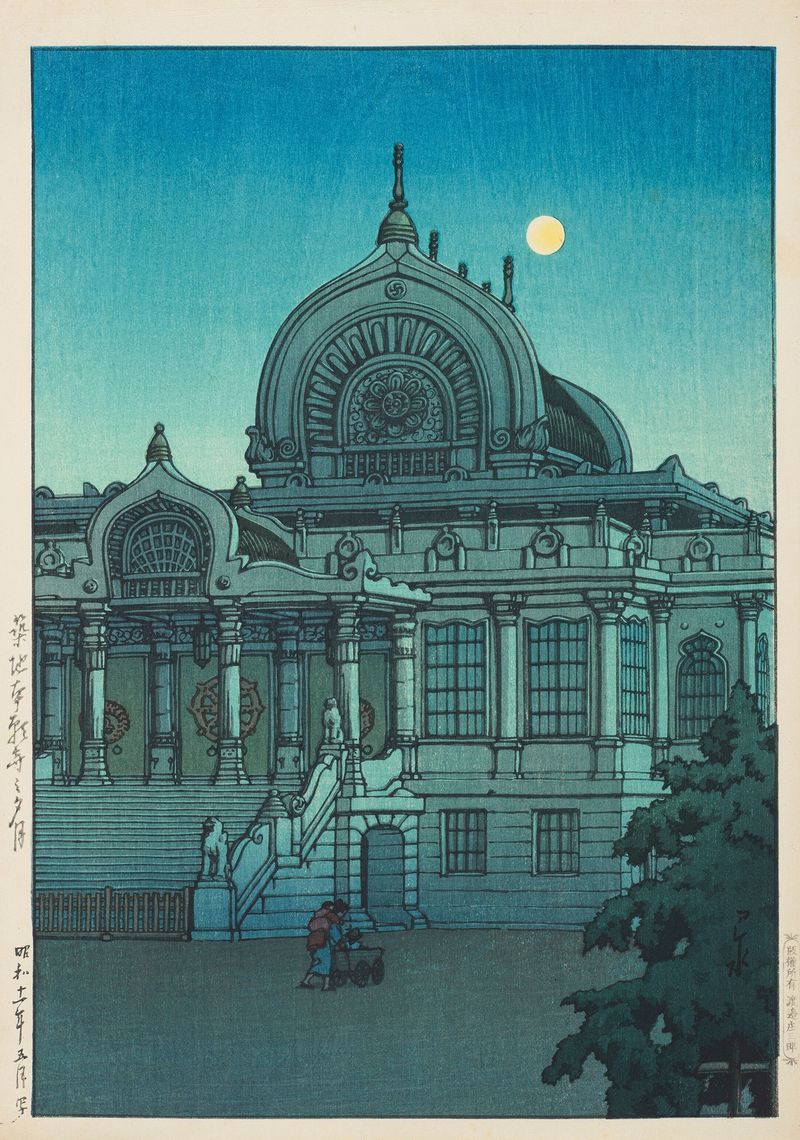
Tsukiji Honganji no yuzuki (Evening moon at Honganji Temple in Tsukiji)
Kawase Hasui
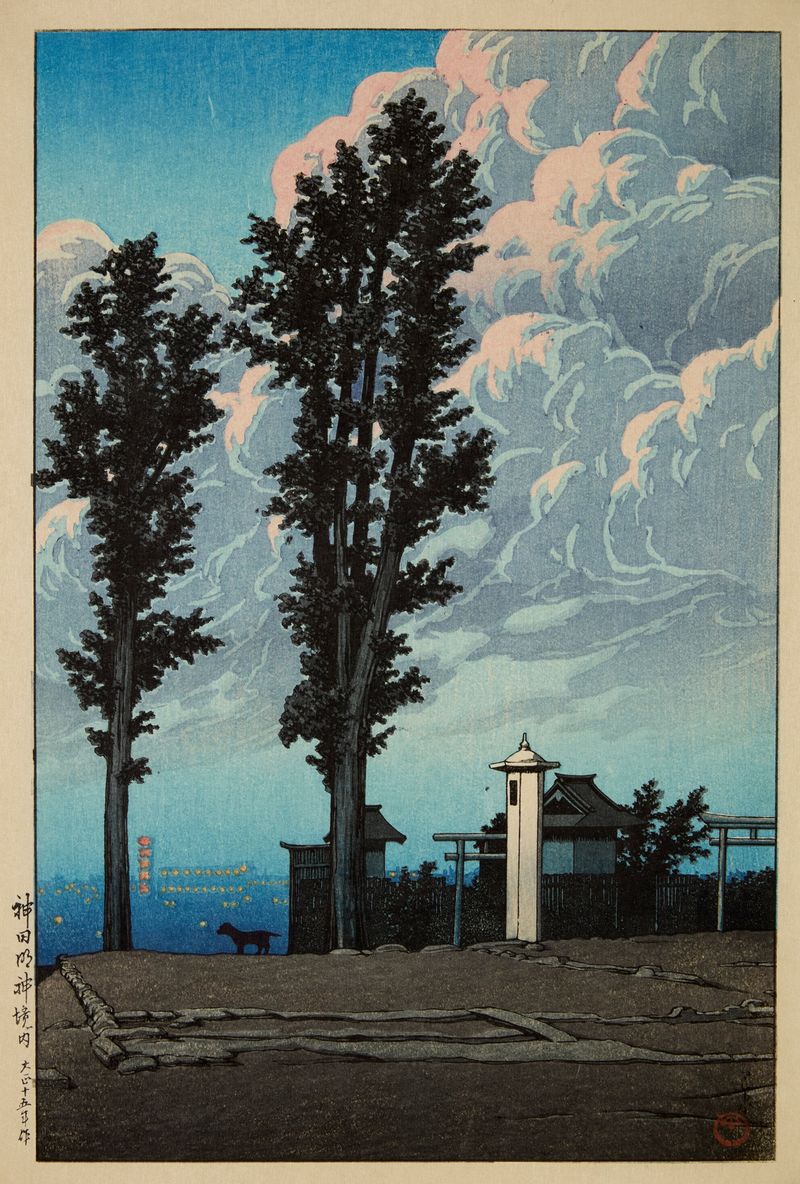
Kanda Myojin keidai (Kanda Myojin Shrine precent)
Kawase Hasui
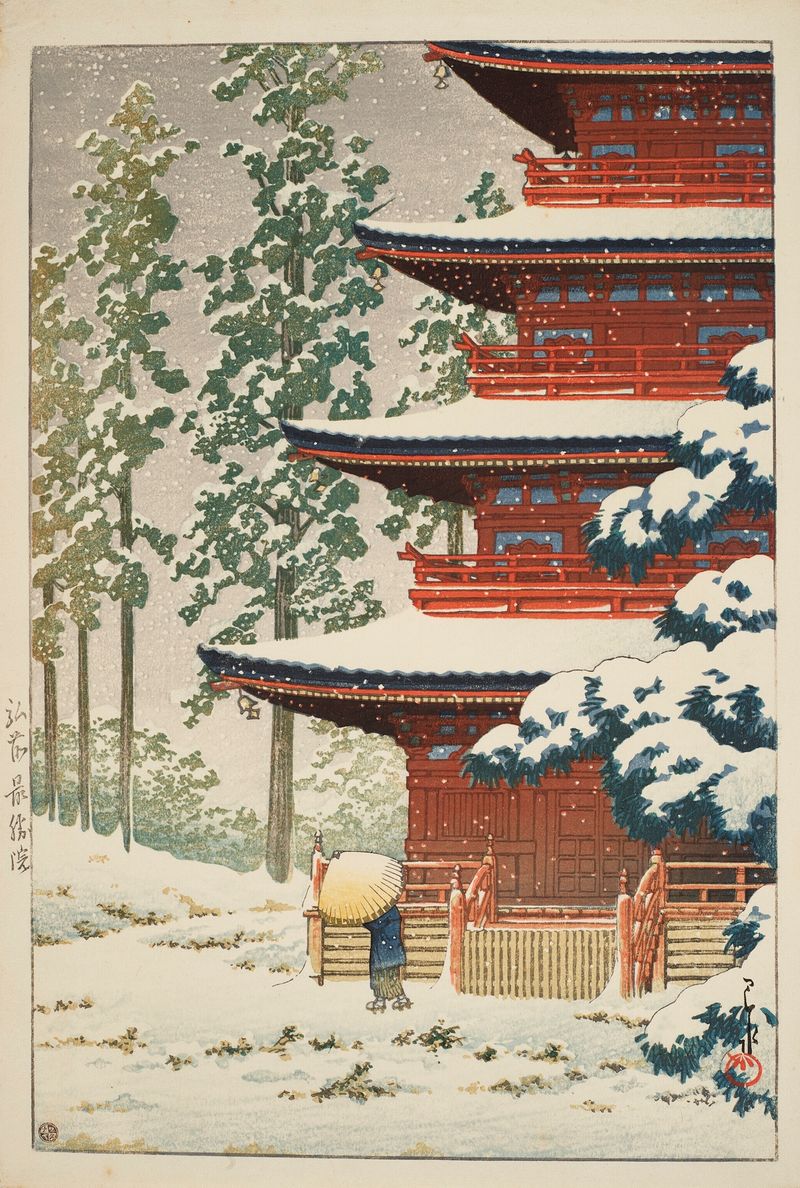
Saisho-in Temple, Hirosaki
Kawase Hasui
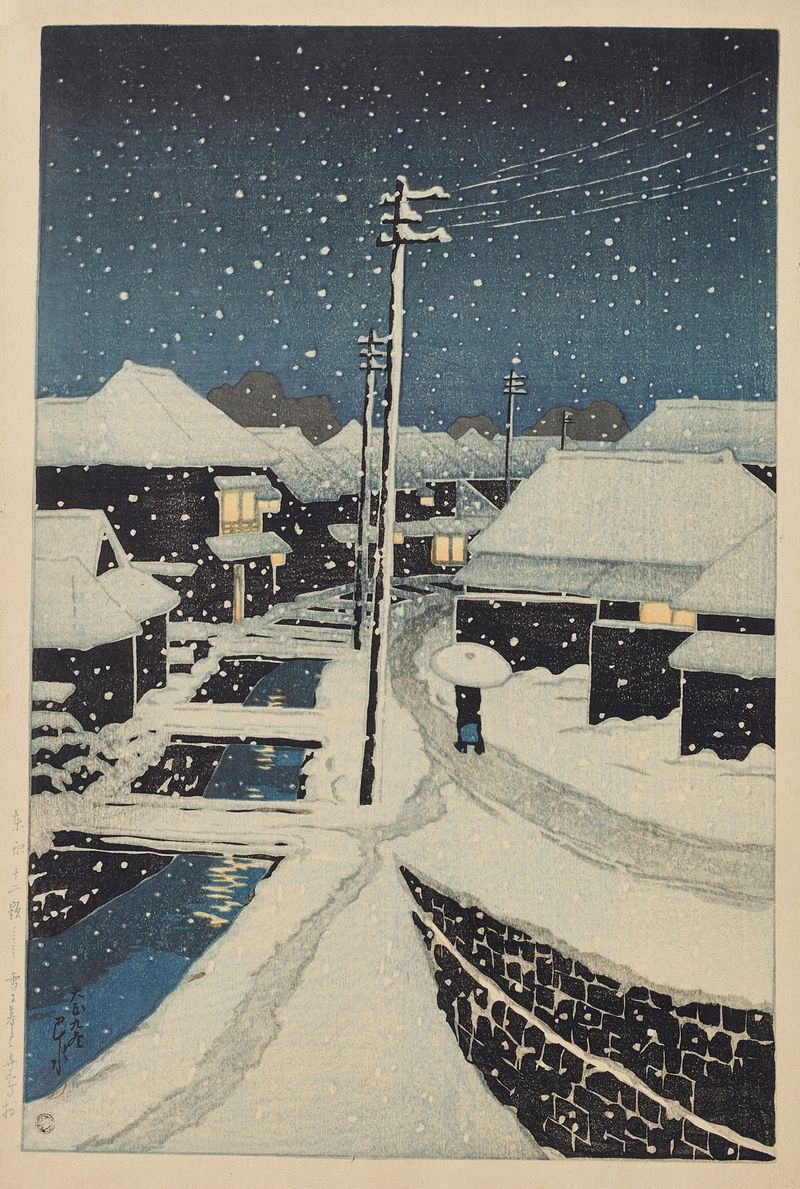
Yuki ni fururu Terajima mura (Evening snow at Terajima Village)
Kawase Hasui
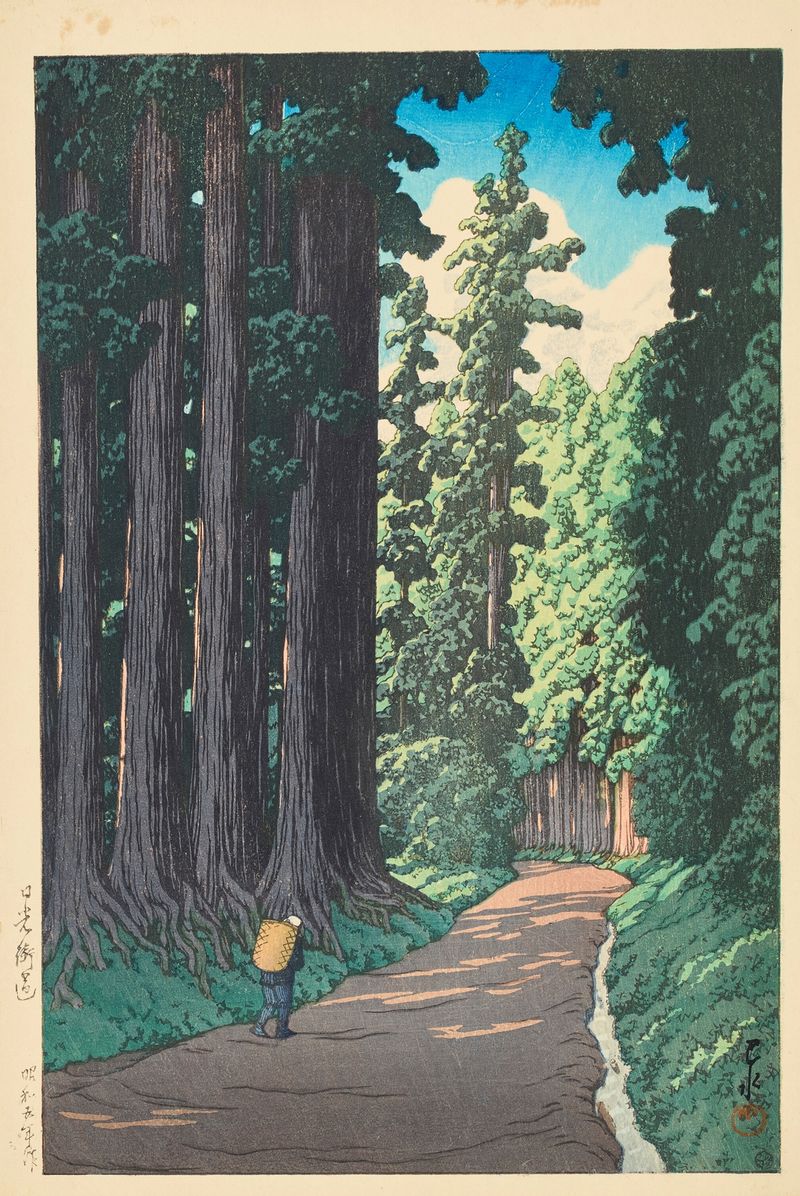
Nikko gaido (The Road to Nikko)
Kawase Hasui
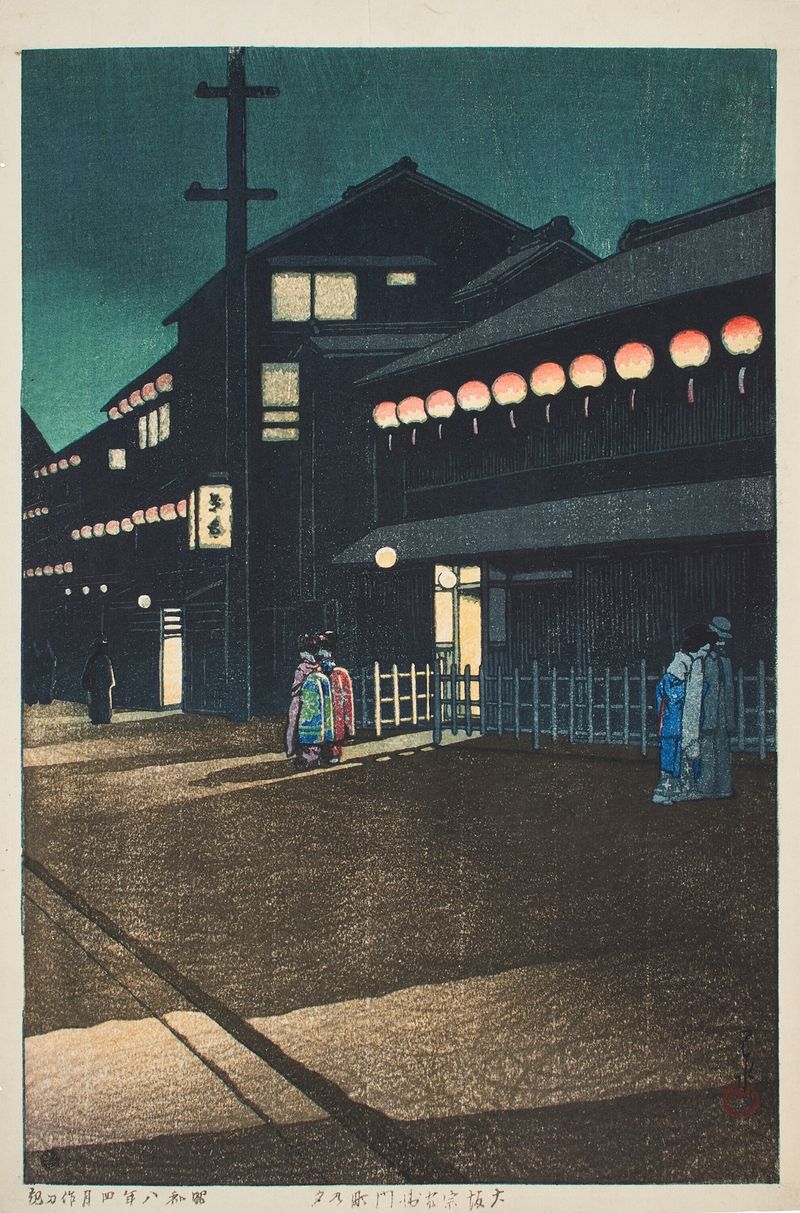
Osaka Soemon-cho no yu (Evening in Soemon-cho, Osaka)
Kawase Hasui
Autumn In Oirase
Kawase Hasui
Shinshu Kizakiko (Kizaki Lake in Shinshu)
Kawase Hasui





