
Samoreus — History & Facts
Could beauty survive in a century of chaos? The question resonates deeply within the canvas of Samoreus, where isolation and tranquility intertwine, reflecting the struggle of the human spirit amid turmoil. Look to the left at the solitary figure standing on the rocky shore, gazing out at the vast, turbulent sea. The muted palette of grays and blues enhances the sense of melancholy, while delicate brushstrokes depict intricate details of the figure's attire and the frothy waves crashing below. Notice how the light falls upon the ocean, illuminating the restless waters, creating a dynamic contrast with the stillness of the lone observer.
This juxtaposition draws the eye and invites contemplation, grounding the viewer in the scene's emotional weight. Delve deeper into the nuances of this work, and you'll uncover layers of meaning. The figure’s turned back signifies a retreat from society, embodying the loneliness that permeates the painting. The rugged coastline may symbolize life's challenges, while the expansive sea evokes both danger and freedom, suggesting an internal struggle between the desire for escape and the burden of solitude.
Each element contributes to a poignant commentary on isolation, revealing a profound emotional resonance within a seemingly simple composition. Reinier Nooms created Samoreus between 1652 and 1654 during a time when the art world was grappling with the remnants of the Dutch Golden Age. Amidst political upheaval and social change, he sought to capture the essence of solitude, reflecting his own introspections as an artist. This painting stands as a testament to the era’s complexities, a snapshot of the tension between beauty and despair that defined his life and work.
More Artworks by Reinier Nooms
Browse all →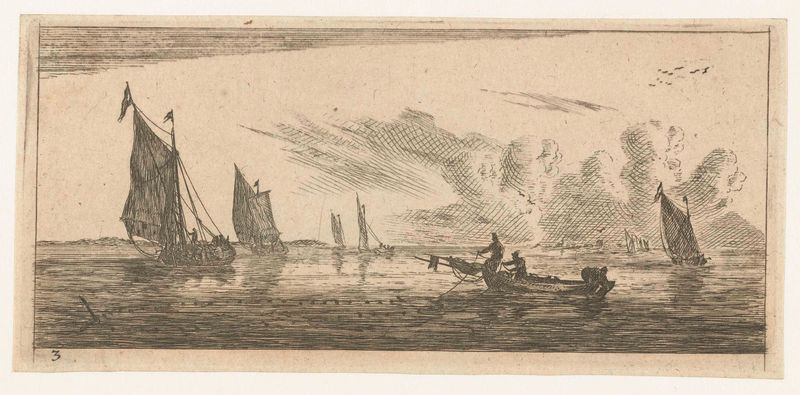
Zeegezicht met verschillende zeilschepen
Reinier Nooms
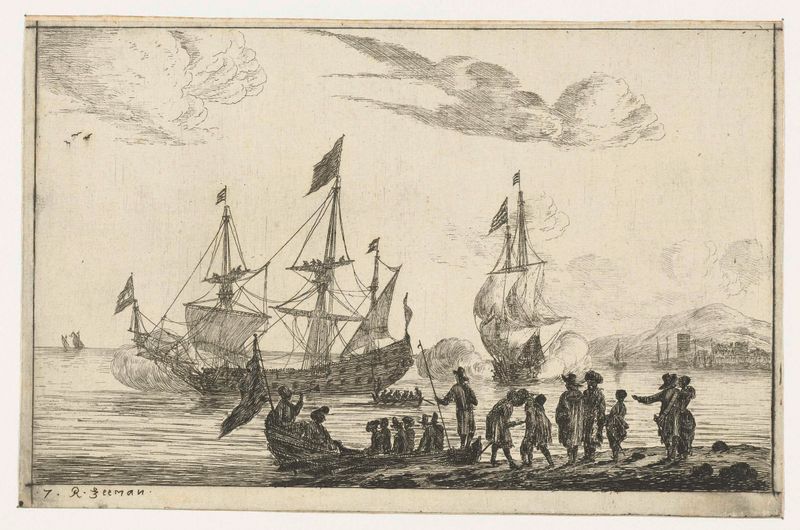
Havenscène met een spiegelsloep
Reinier Nooms
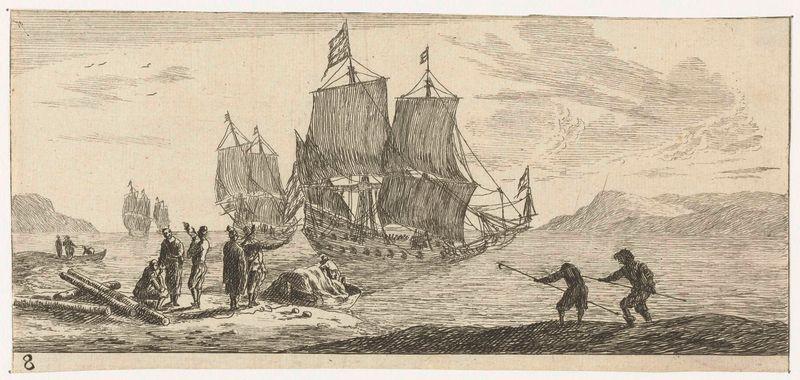
Vier grote zeilschepen in een baai
Reinier Nooms
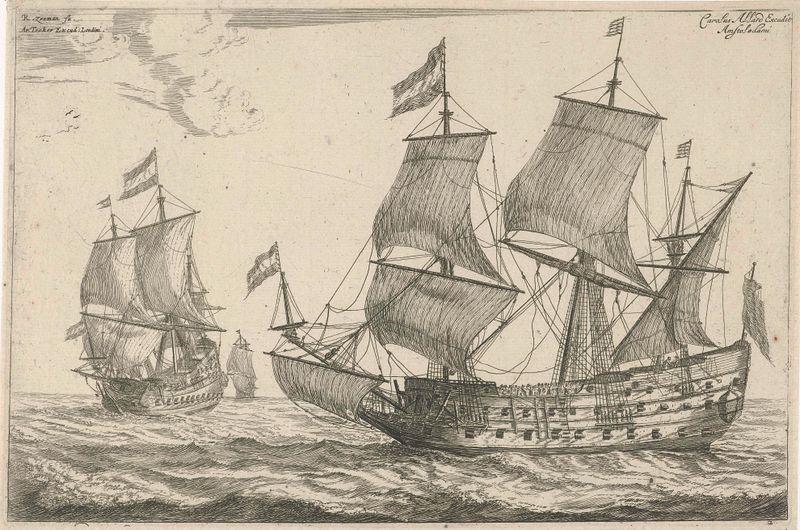
Twee grote oorlogsschepen
Reinier Nooms
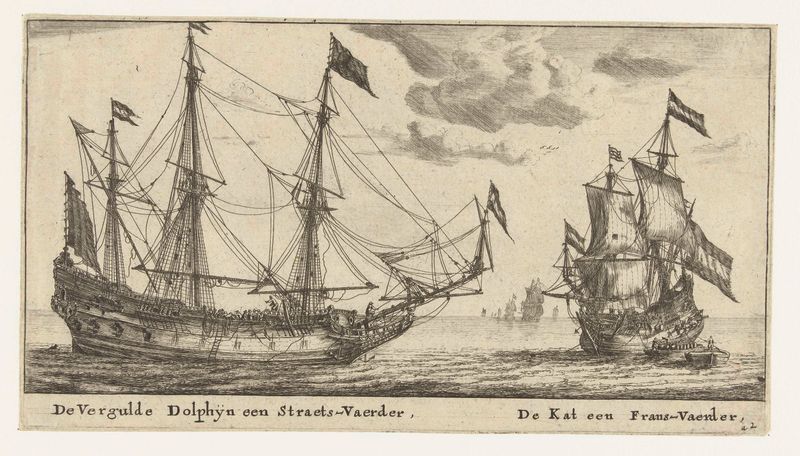
De schepen De Vergulde Dolfijn en De Kat
Reinier Nooms
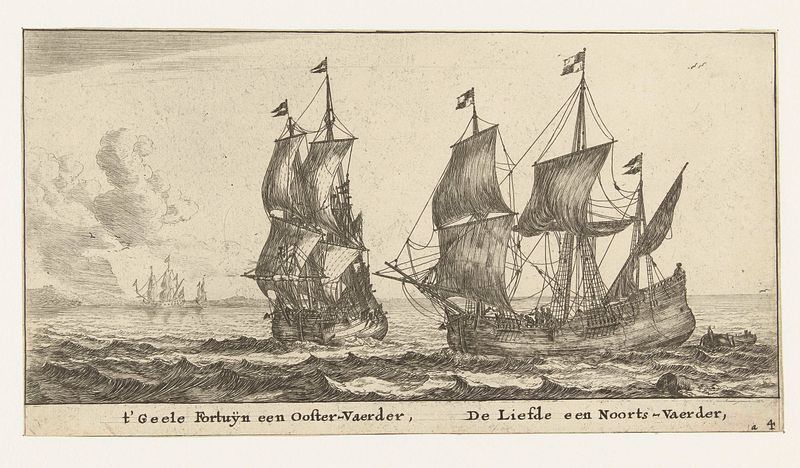
De schepen 't Gele Fortuin en De Liefde
Reinier Nooms
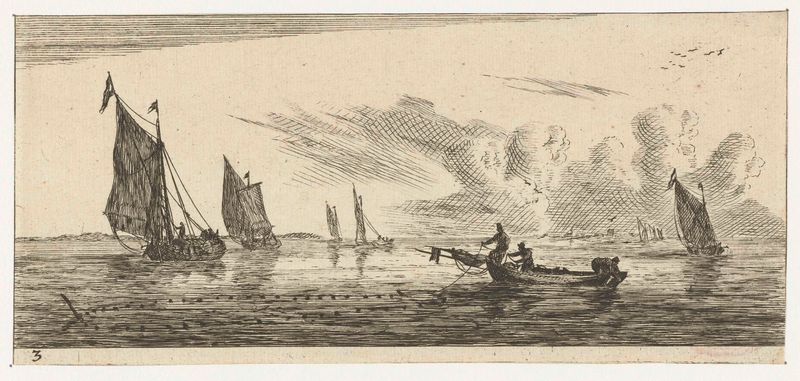
Zeegezicht met verschillende zeilschepen
Reinier Nooms
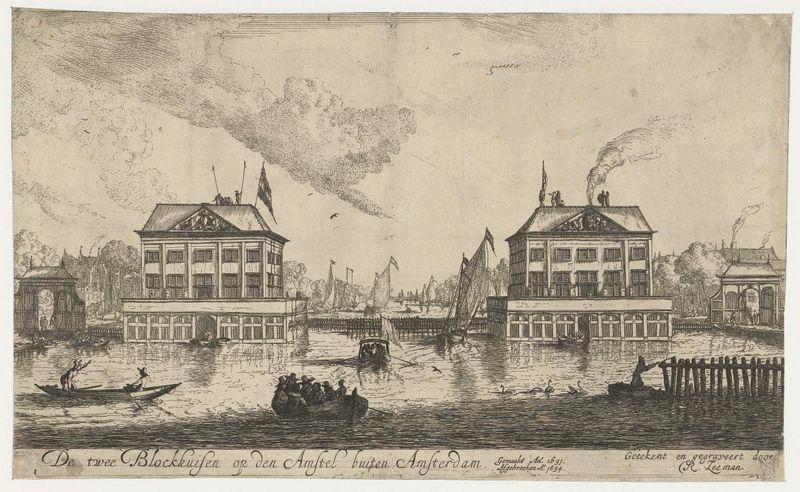
Gezicht op de twee Blokhuizen in de Amstel
Reinier Nooms
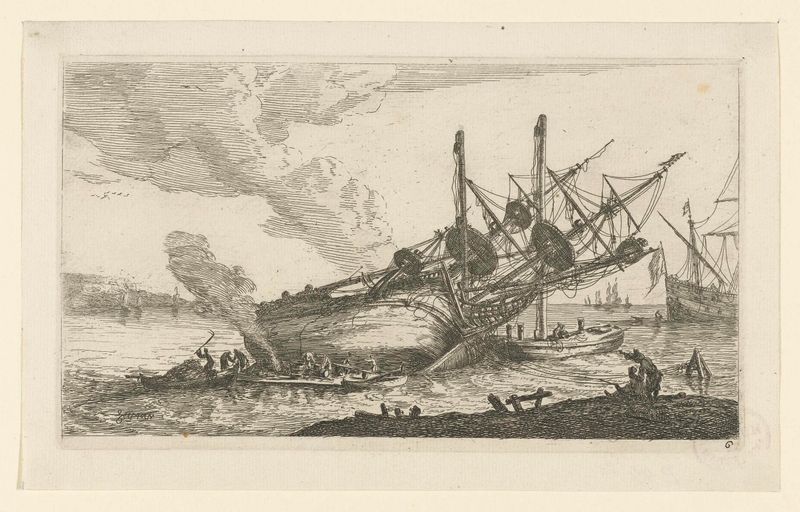
Reparaties aan de romp van een schip
Reinier Nooms
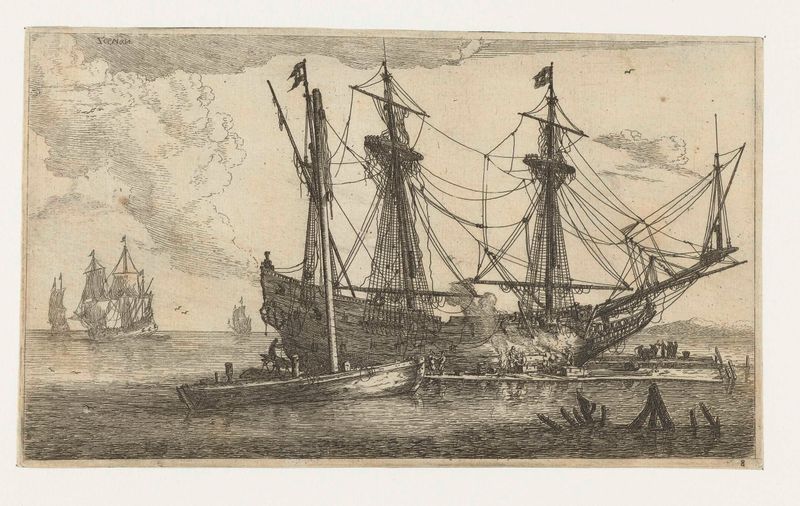
Reparaties aan de romp van een schip
Reinier Nooms





