
Samoreus — History & Facts
When did color learn to lie? In Samoreus, hues dance across the surface, weaving narratives more complex than mere representation. The light becomes a storyteller, revealing truths hidden beneath the layers of paint, inviting the viewer to question the very nature of perception. Look to the left at the vivid blue of the water, shimmering under an ethereal sky. The radiant sunlight filters through, illuminating the subtle textures of the canvas, creating a mesmerizing interplay between color and shadow.
Notice how the artist expertly balances warm and cool tones, guiding your gaze to the figures interacting in the foreground, their postures and expressions telling a tale of camaraderie and purpose. Within this harmonious composition lies a tension between reality and illusion. The juxtaposition of the serene landscape and the human activity hints at a deeper narrative about man's relationship with nature—each brushstroke revealing both connection and distance. The figures, while engaged in their tasks, also appear slightly detached, suggesting an underlying commentary on the transient nature of existence, where moments are fleeting yet captured in vibrant permanence. Reinier Nooms painted Samoreus between 1652 and 1654 during a period when maritime scenes were gaining popularity in Dutch art.
He was living in Amsterdam, where the influence of the burgeoning Dutch Golden Age was palpable. This was a time of exploration and trade, and his work reflects both the beauty of seafaring life and the complex interplay of light and shadow that defined his artistic journey.
More Artworks by Reinier Nooms
Browse all →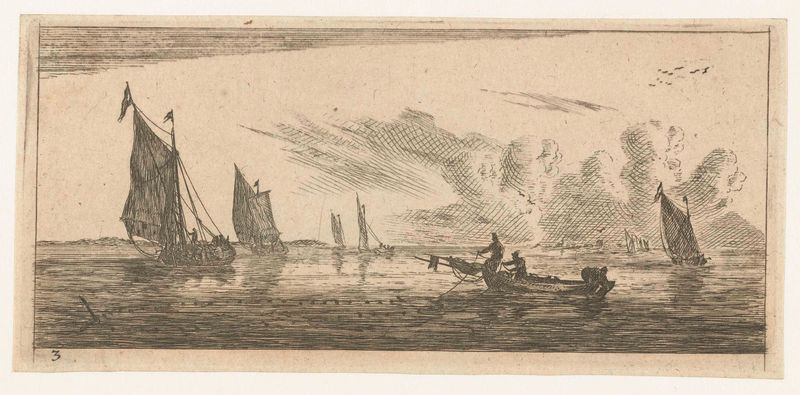
Zeegezicht met verschillende zeilschepen
Reinier Nooms
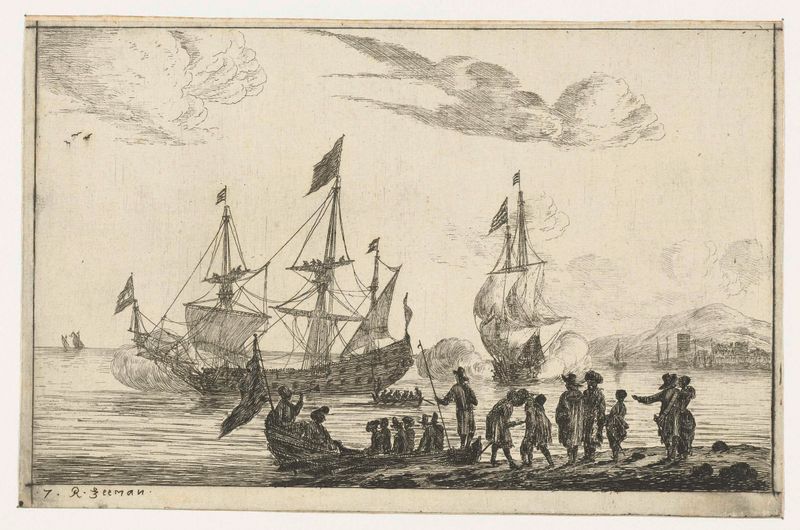
Havenscène met een spiegelsloep
Reinier Nooms
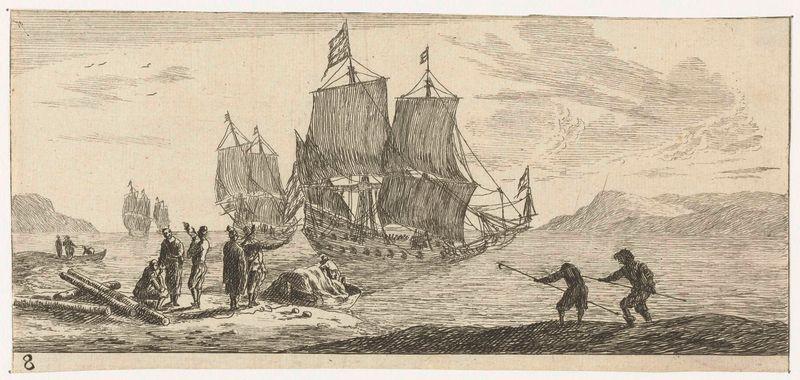
Vier grote zeilschepen in een baai
Reinier Nooms
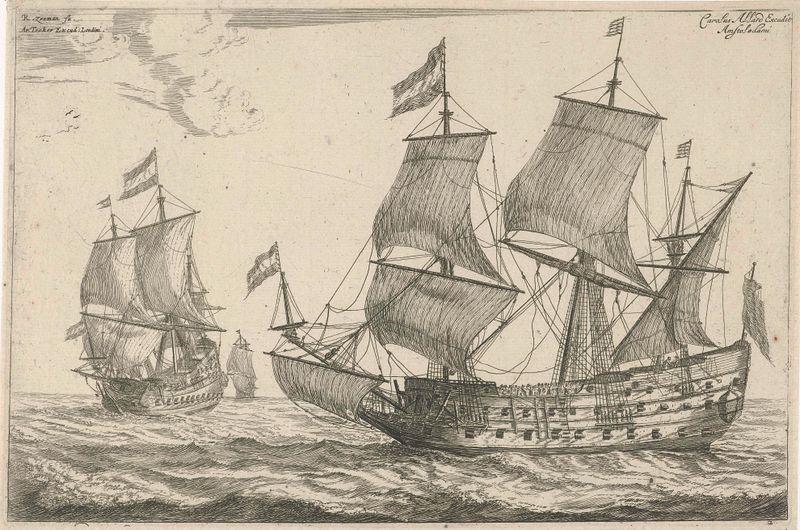
Twee grote oorlogsschepen
Reinier Nooms
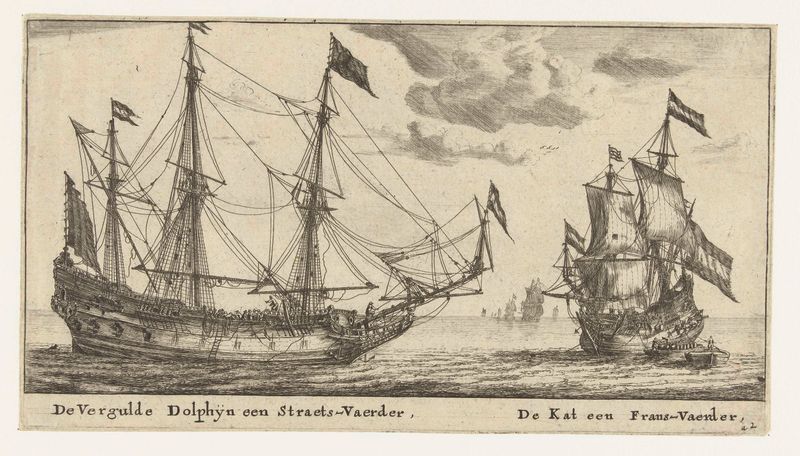
De schepen De Vergulde Dolfijn en De Kat
Reinier Nooms
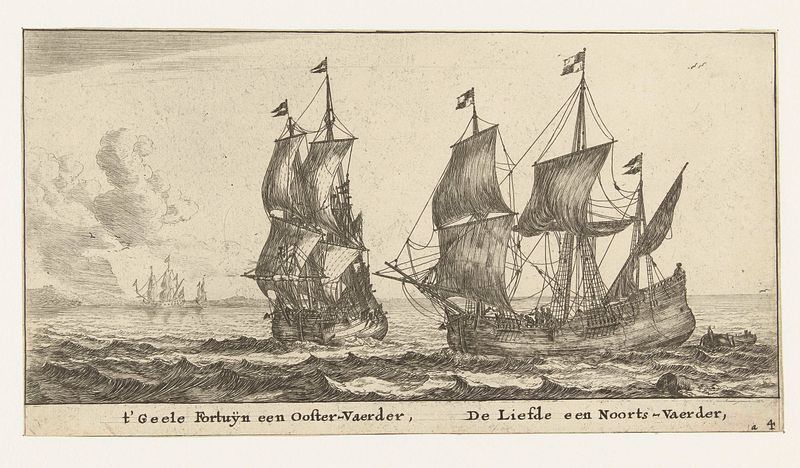
De schepen 't Gele Fortuin en De Liefde
Reinier Nooms
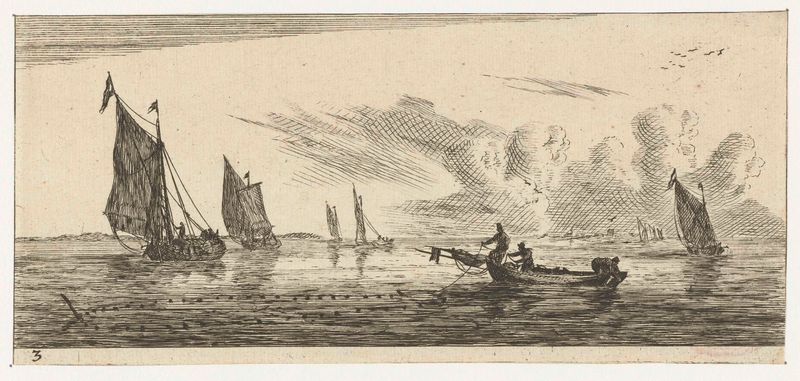
Zeegezicht met verschillende zeilschepen
Reinier Nooms
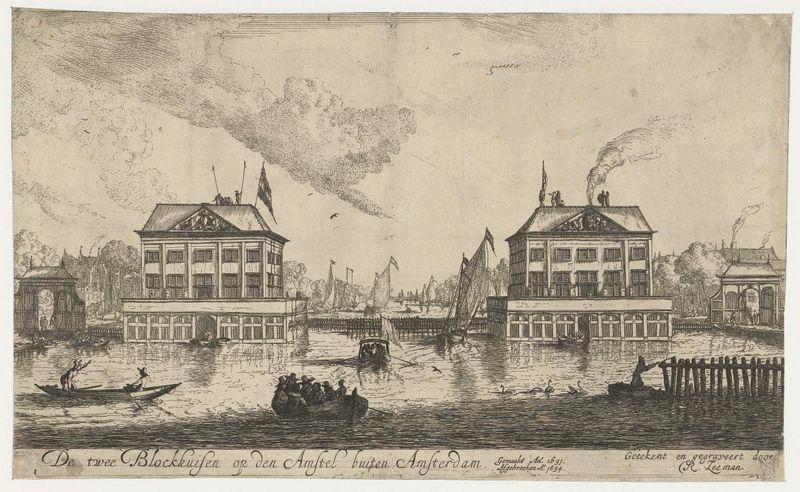
Gezicht op de twee Blokhuizen in de Amstel
Reinier Nooms
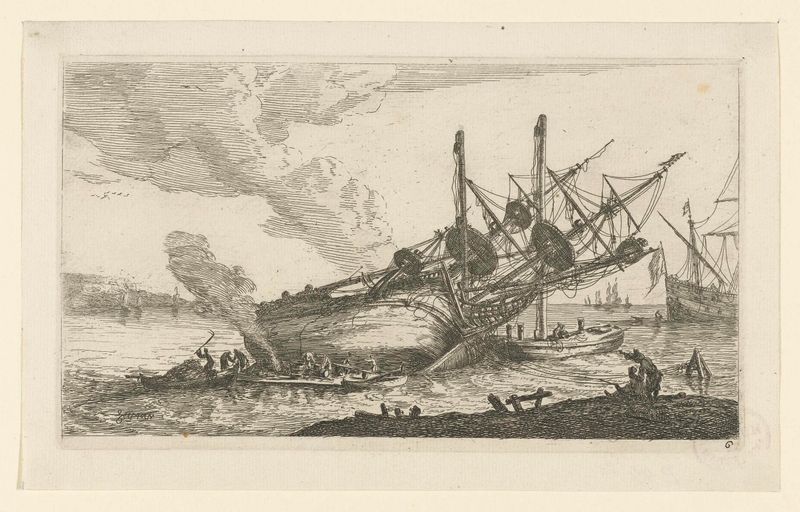
Reparaties aan de romp van een schip
Reinier Nooms
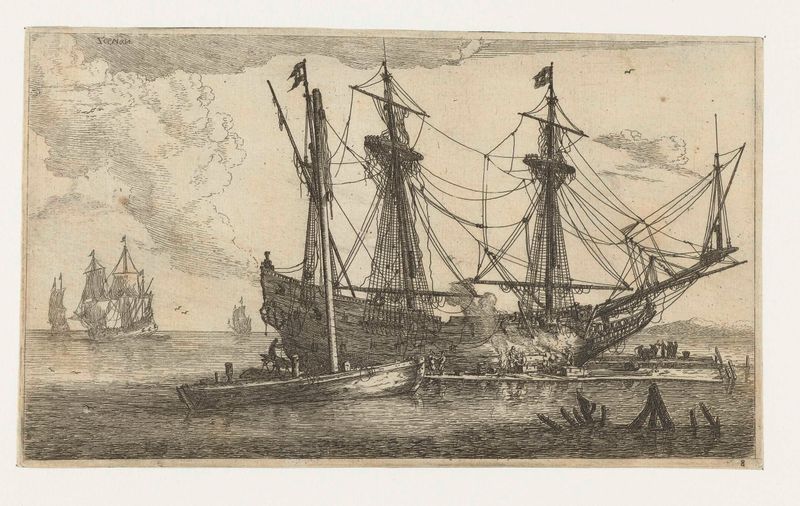
Reparaties aan de romp van een schip
Reinier Nooms





