Samson threatens his father-in-law — History & Facts
What first seizes the eye in this work is the electric tension between two men divided by a wooden door, each caught in a moment of charged, wordless confrontation. The figure in the foreground—his hair held by a jeweled band, his robe shimmering with gold—commands the light, his raised fist frozen mid-gesture. At his waist hangs a curved sword with a golden hilt, its exotic form echoing the biblical violence simmering beneath the surface.
The older man, peering anxiously from behind the door, seems both wary and pleading, his hands braced as if to shield himself from the force of the visitor’s anger. In the shadows behind, two young Black pages stand as silent witnesses, their presence a reminder of the social hierarchies and global connections of Rembrandt’s world. Painted in 1635, at the height of the Dutch Golden Age, this scene draws on the era’s fascination with biblical drama and theatrical lighting. Rembrandt van Rijn was renowned for his ability to turn a familiar story into a living moment, and here he uses darkness and gold to focus our attention on the psychological duel at the heart of the picture.
The opulent costume, the glint of the sword, and the expressive faces all serve to heighten the sense of imminent action, while the architectural setting roots the scene in a world both ancient and tangible. History has kept few traces of this particular painting’s journey, but its date and signature—still visible, though partly lost to time—anchor it in Rembrandt’s early, ambitious years, when he was redefining how stories could be told with paint. The longer you look, the more the silence between these figures seems to thicken, daring you to imagine what will happen next.
More Artworks by Rembrandt van Rijn
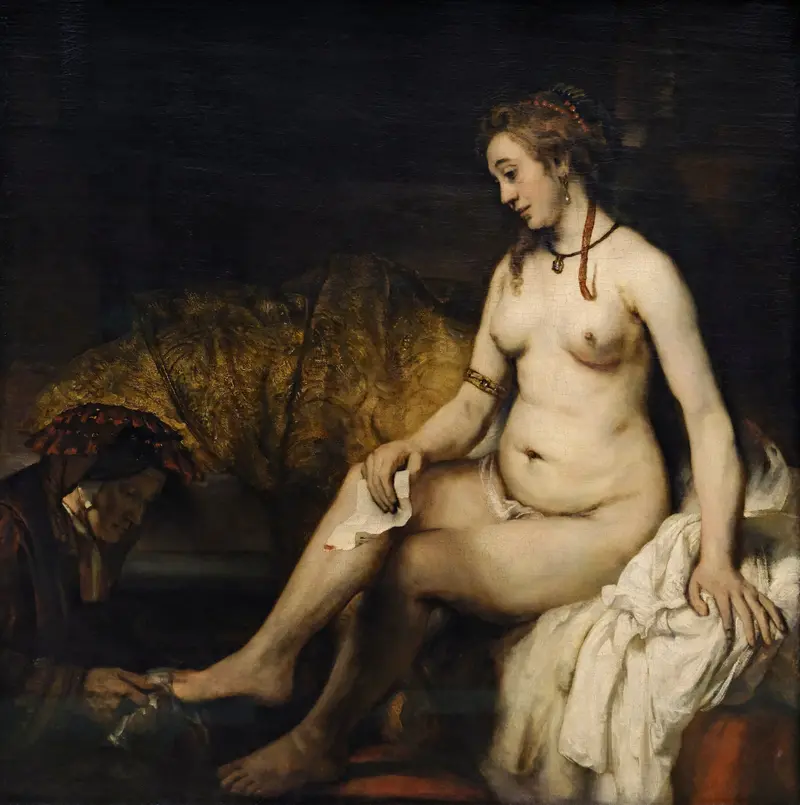
Bathsheba at Her Bath
Rembrandt van Rijn
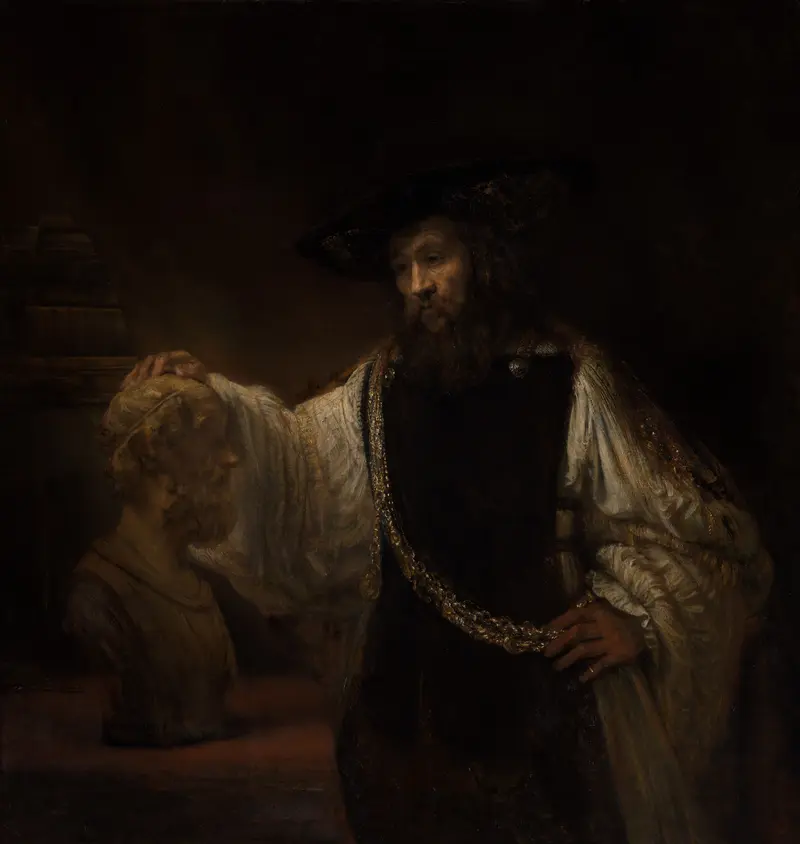
Aristotle with a Bust of Homer
Rembrandt van Rijn
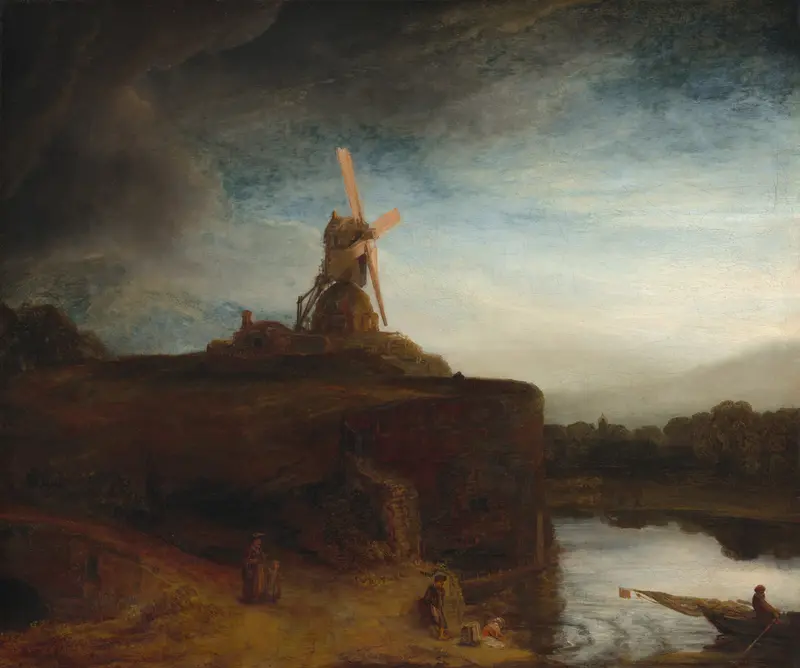
The Mill
Rembrandt van Rijn
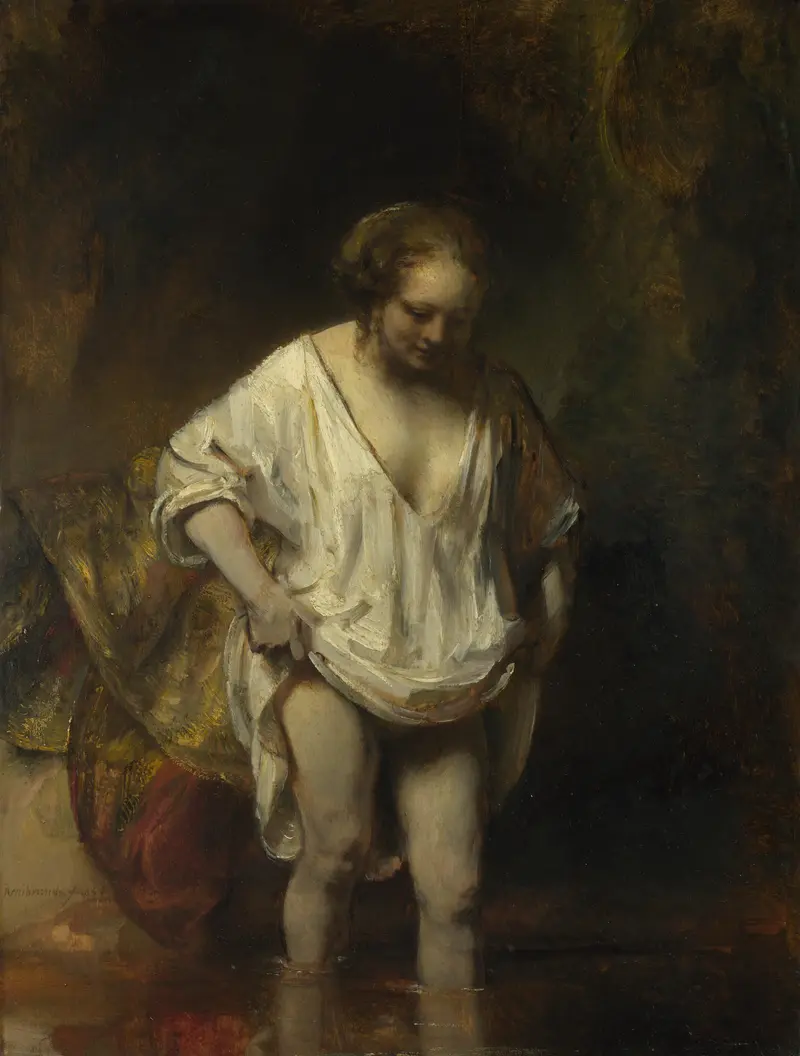
A Woman Bathing in a Stream
Rembrandt van Rijn
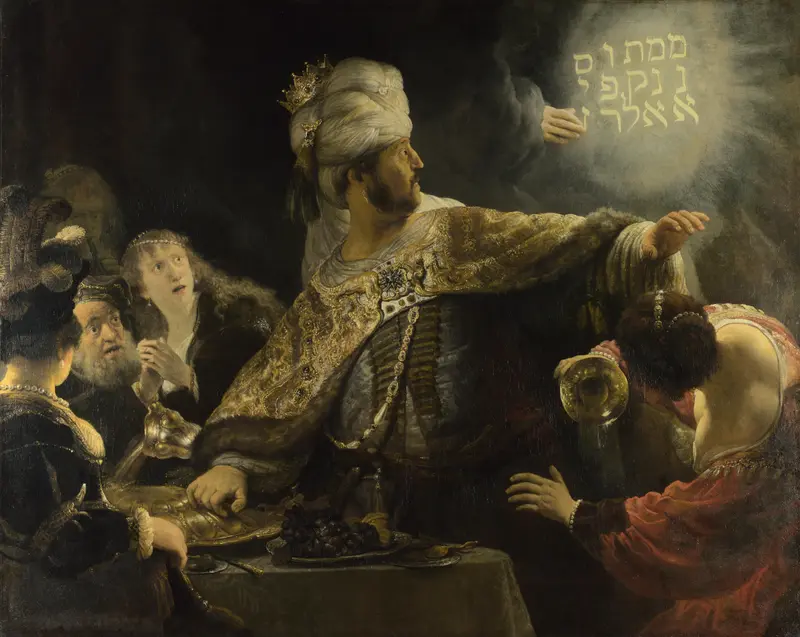
Belshazzar’s Feast
Rembrandt van Rijn
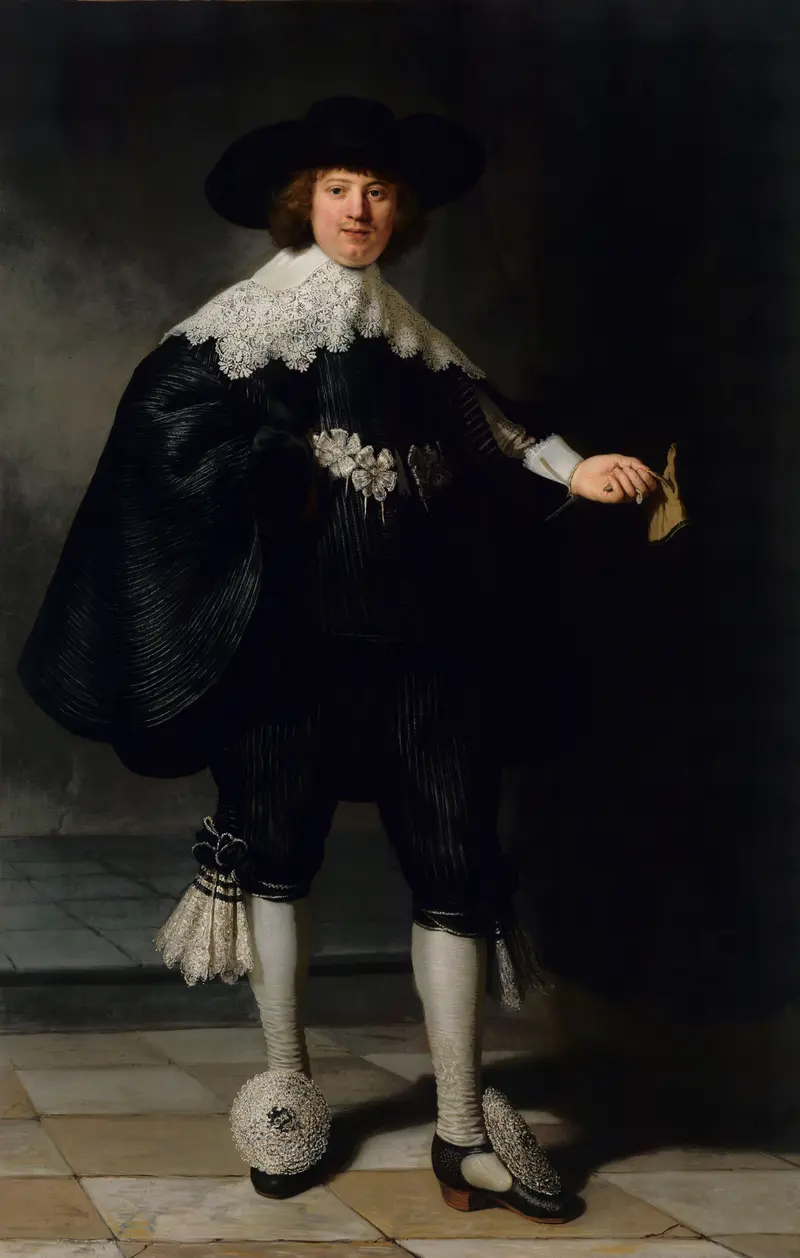
Portrait of Marten Soolmans
Rembrandt van Rijn
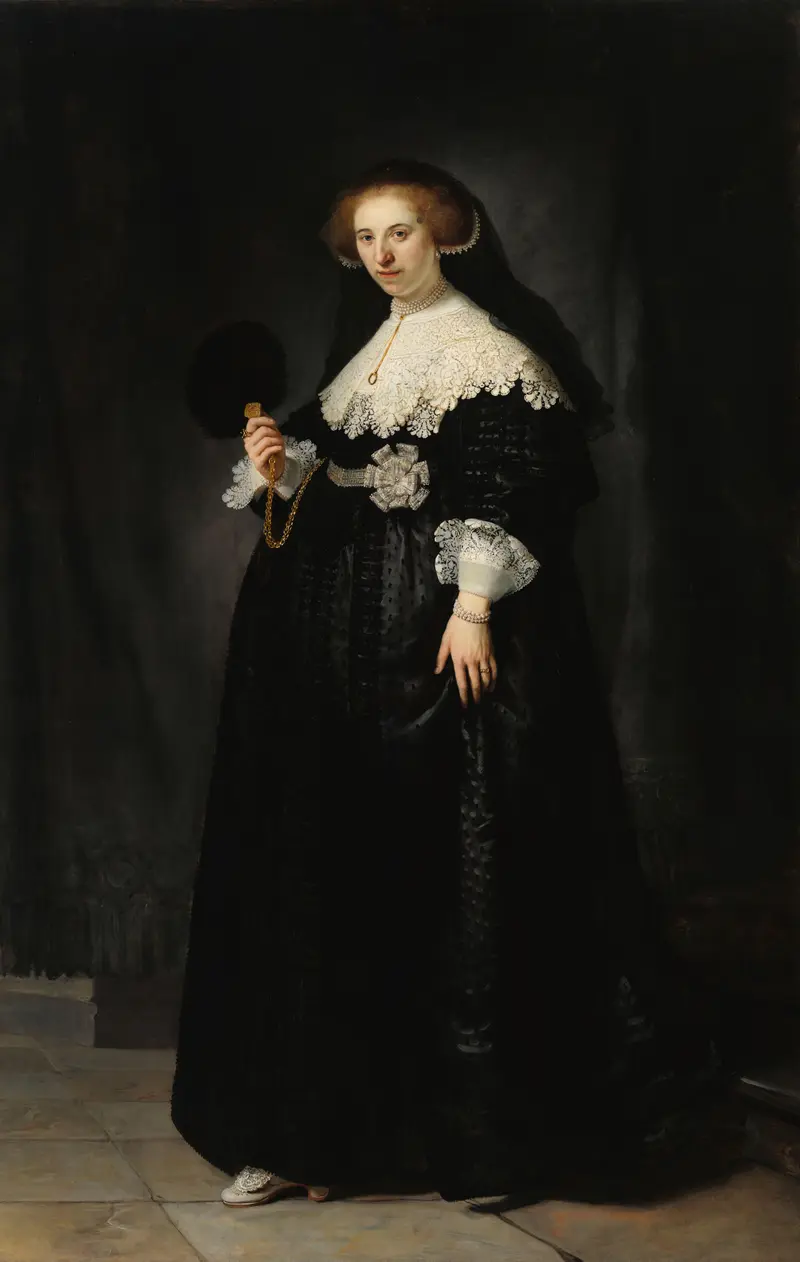
Portrait of Oopjen Coppit
Rembrandt van Rijn

The Prodigal Son in the Tavern
Rembrandt van Rijn
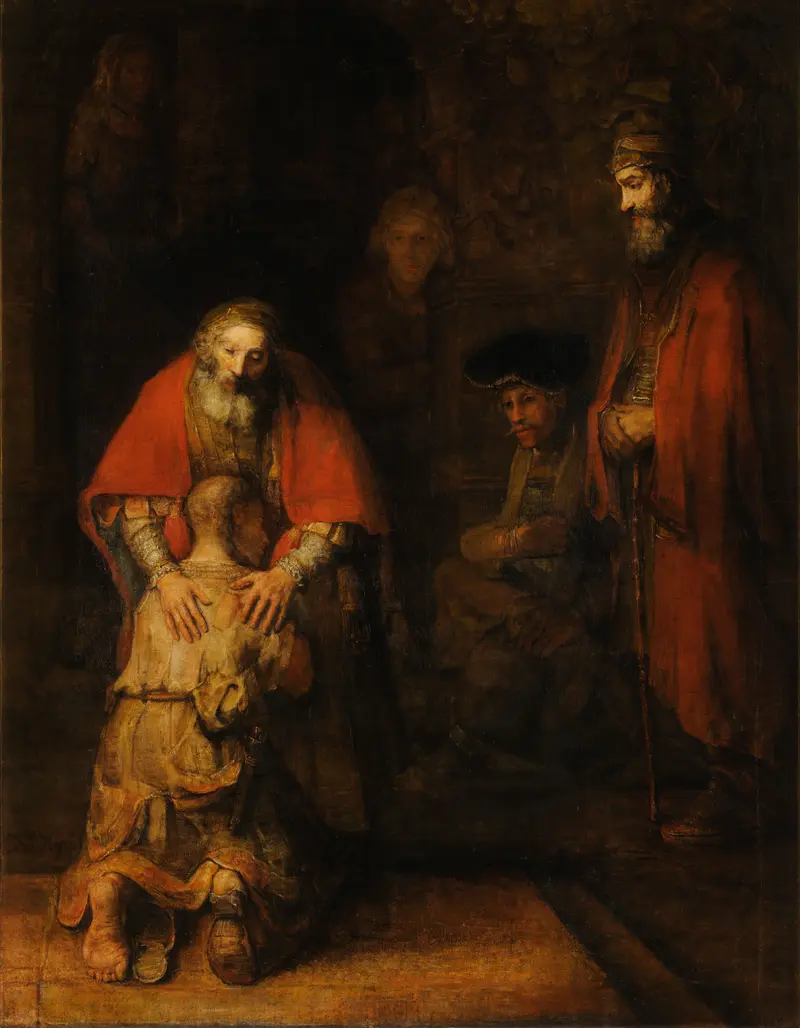
The Return of the Prodigal Son
Rembrandt van Rijn
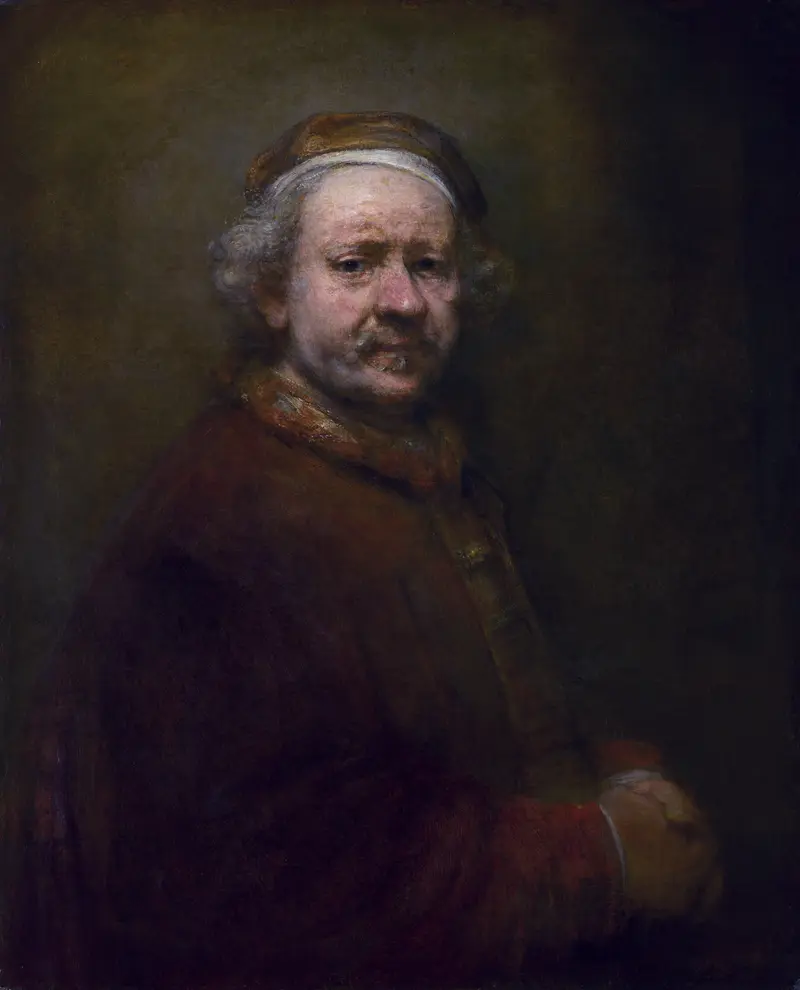
Self-Portrait at the Age of 63
Rembrandt van Rijn