
San Gimignano — History & Facts
Could beauty survive in a century of chaos? In San Gimignano, Hermann Lismann captures a timeless elegance amid the tumult of the early 20th century, inviting viewers to wonder about the resilience of beauty in a rapidly changing world. Look to the center of the composition, where the towers of San Gimignano rise majestically against a softly diffused sky. The warm, golden hues blend seamlessly with the cool, muted tones of the landscape, creating a harmonious balance that draws the eye upward. Notice how Lismann’s brushwork dances lightly over the surfaces, evoking both the texture of ancient stone and the ephemeral quality of light.
The careful placement of the towers, almost like sentinels, suggests both strength and vulnerability, embodying a dialogue between nature and human ingenuity. There is a palpable tension in the juxtaposition of the tranquil setting and the imposing architecture. Each tower represents not just a physical structure but also the aspirations and achievements of a civilization facing existential threats. The surrounding hills, painted in soft greens and browns, serve as a reminder of nature’s enduring presence, contrasting the human ambition embodied in the towers.
This interplay invites contemplation of what remains when progress often feels frail. In 1923, Hermann Lismann was in the midst of exploring themes of urbanity and tradition while living in Germany. The aftermath of World War I had left a mark on artists, prompting a reflection on the past and the search for meaning in a disordered world. During this period, art became a crucial medium for envisioning a future while honoring the beauty found in the remnants of history, as exemplified in his portrayal of San Gimignano.
More Artworks by Hermann Lismann
Browse all →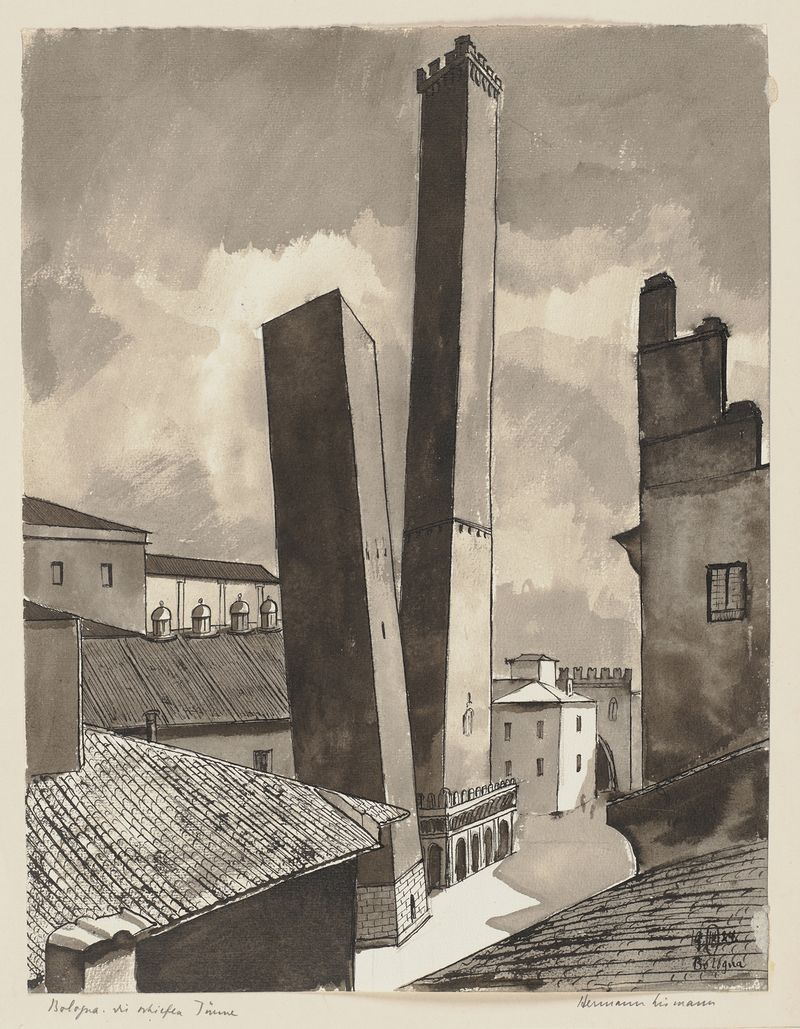
Die beiden Türme Garisenda und Asinelli in Bologna
Hermann Lismann
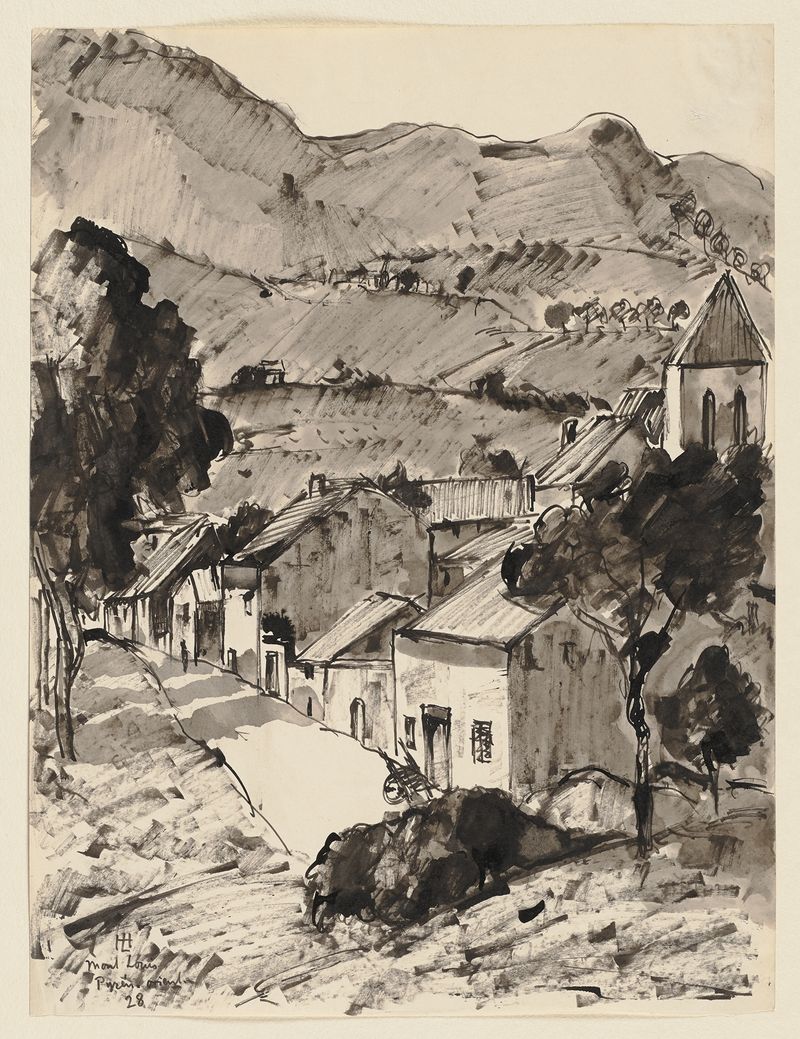
Mont-Louis
Hermann Lismann
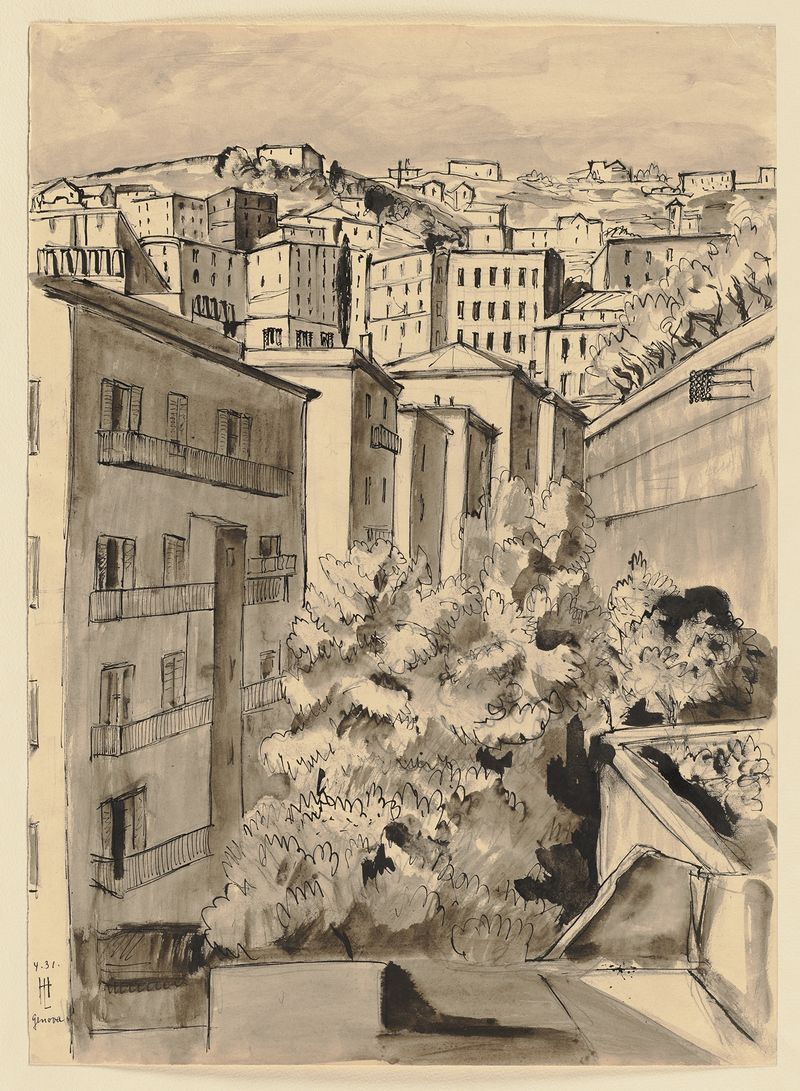
View of Genoa
Hermann Lismann
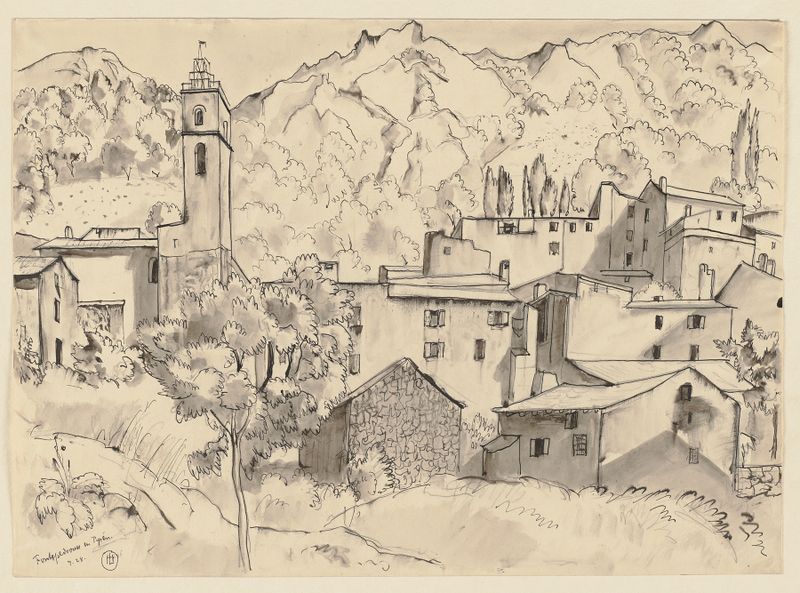
Fontpédrouse en Pyrénées
Hermann Lismann
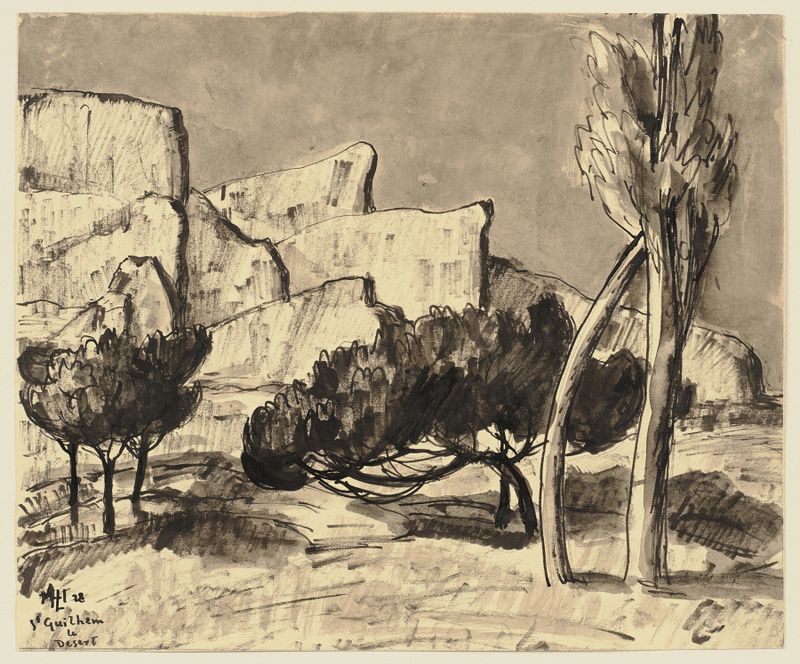
Saint-Guilhem-le-Désert
Hermann Lismann
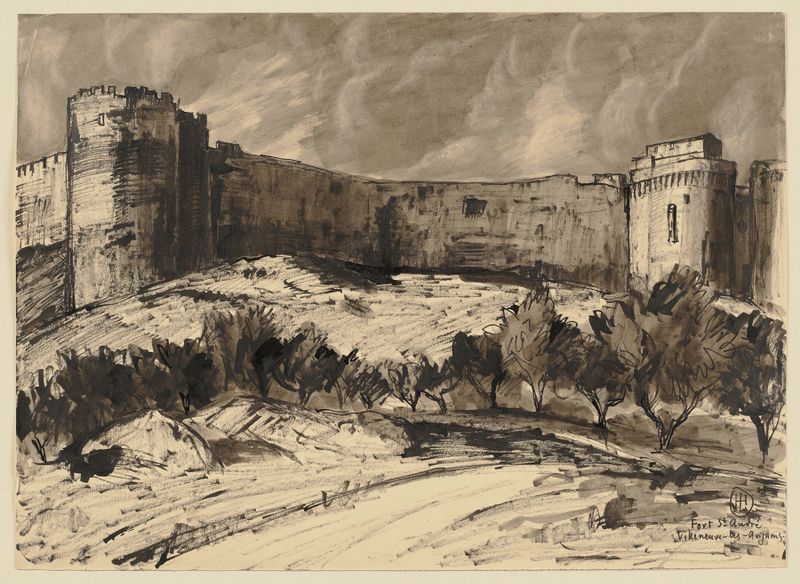
Fort Saint-André in Villeneuve-les-Avignon
Hermann Lismann
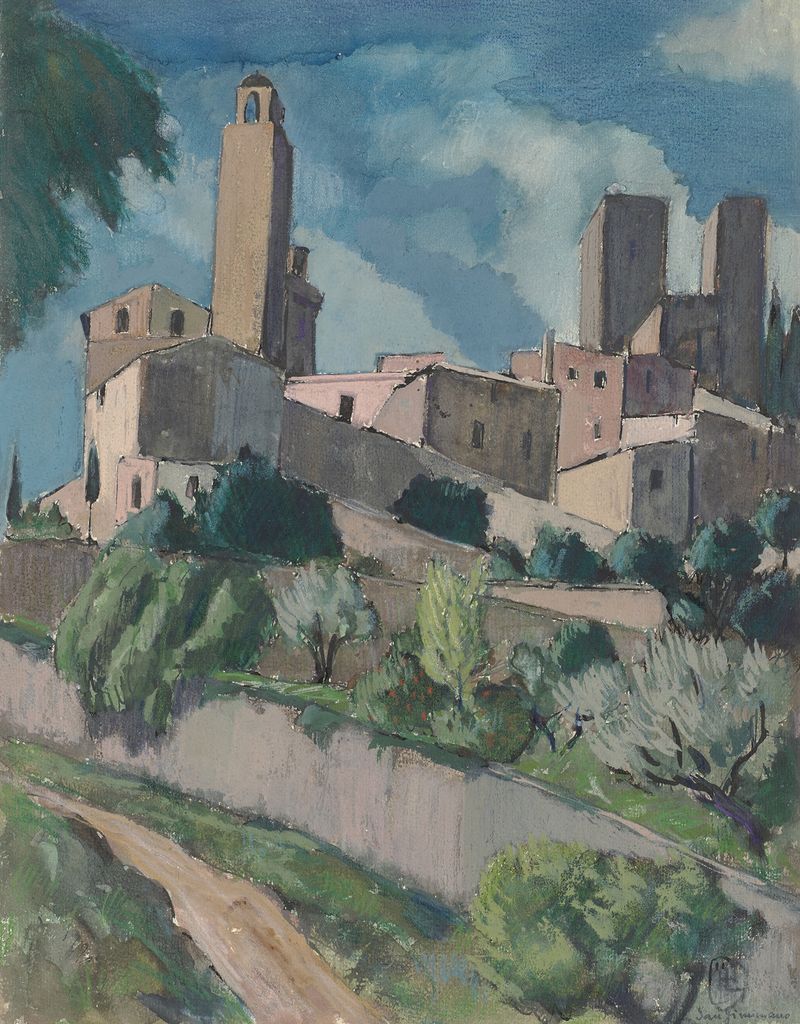
San Gimignano
Hermann Lismann
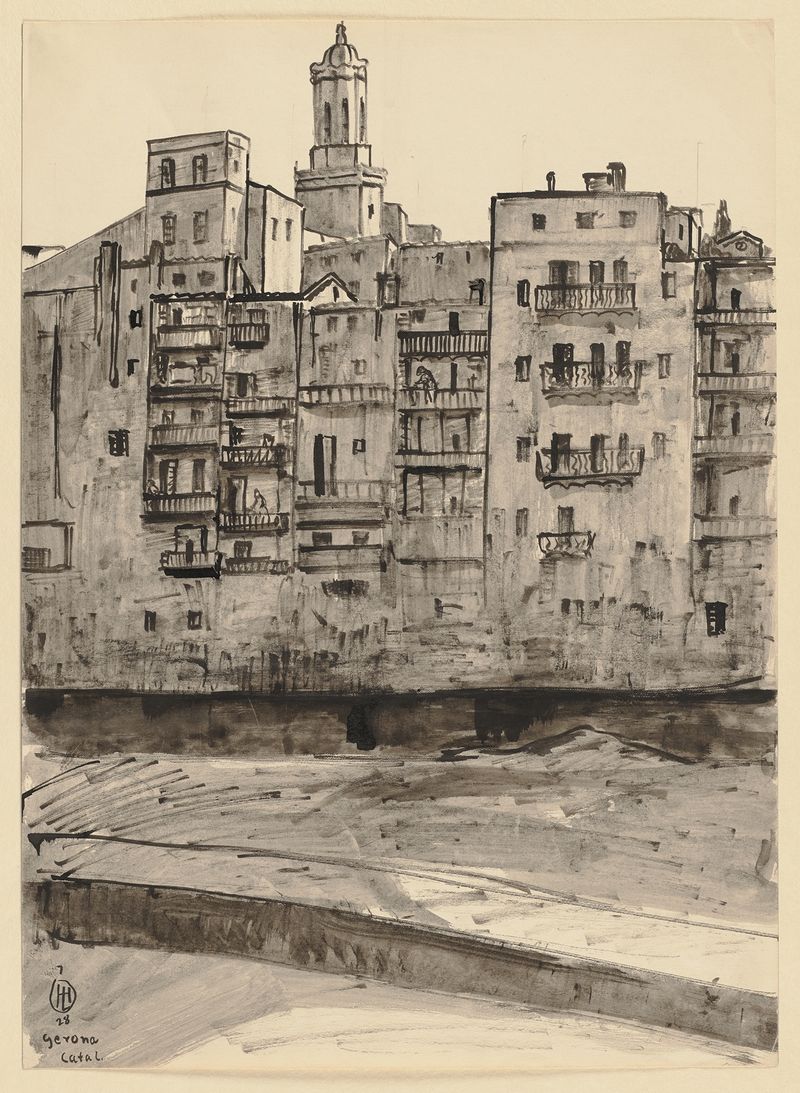
Girona vom Fluss aus gesehen, im Hintergrund der Turm der Kathedrale
Hermann Lismann
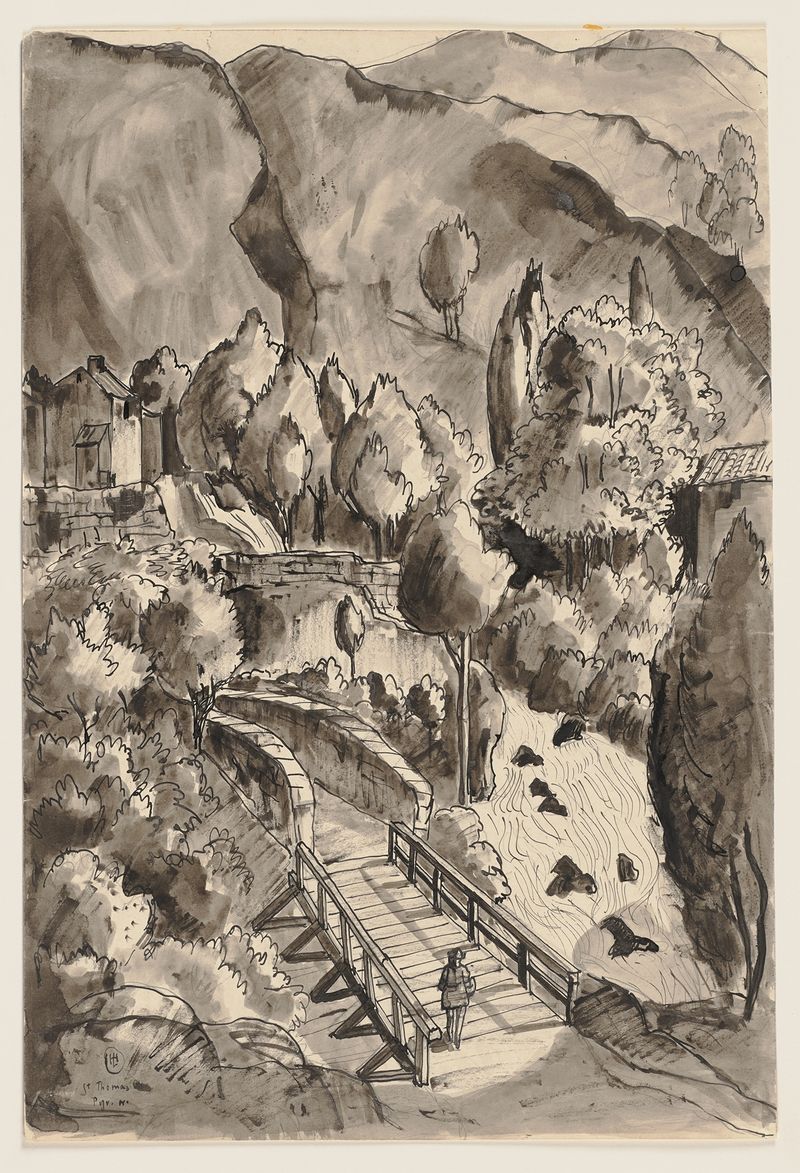
Saint Thomas, Pyrénées
Hermann Lismann
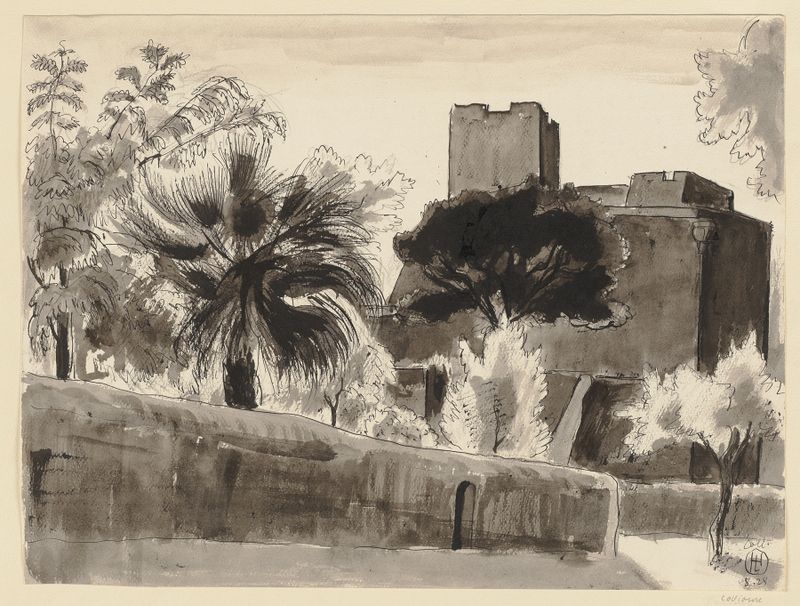
Collioure
Hermann Lismann
More Architecture Art
Browse all →
The statue of Liberty
Frédéric Auguste Bartholdi

View of Houses in Delft, Known as ‘The Little Street’
Johannes Vermeer

View of Houses in Delft, Known as ‘The Little Street’
Johannes Vermeer

The Cathedral in Rouen. The portal, Grey Weather
Claude Monet

The yellow house
Vincent van Gogh

The Church in Auvers-sur-Oise, View from the Chevet
Vincent van Gogh