
San Gimignano — History & Facts
In the quiet embrace of the divine, art transcends mere representation to touch the profound. Focus on the delicate interplay of light and shadow that dances across the canvased landscape. Look closely at the subtle hues of soft ochres and deep blues that define the medieval buildings of San Gimignano, resembling both earthly structures and ethereal forms. Notice the meticulous brushwork that captures the warmth of a setting sun, casting a golden glow that transforms the scene into a sacred moment, suspended in time. Within this work lies a contrast between the solidity of the towers and the ephemeral quality of the sky, suggesting a dialogue between the earthly and the divine.
Each architectural detail resonates with history, while the surrounding landscape breathes an air of reverence. The overall composition not only invites the viewer’s eye to wander but also evokes a sense of peace, reminding us of the transcendence found in the mundane. In 1923, Hermann Lismann painted this piece during a time of post-war reflection in Europe. Living in Germany amidst the evolving currents of modernism, he sought to connect the spiritual with the architectural.
This period marked a quest for identity in art, and San Gimignano stands as a testament to Lismann's pursuit of harmony, capturing a moment where earthly beauty meets divine inspiration.
More Artworks by Hermann Lismann
Browse all →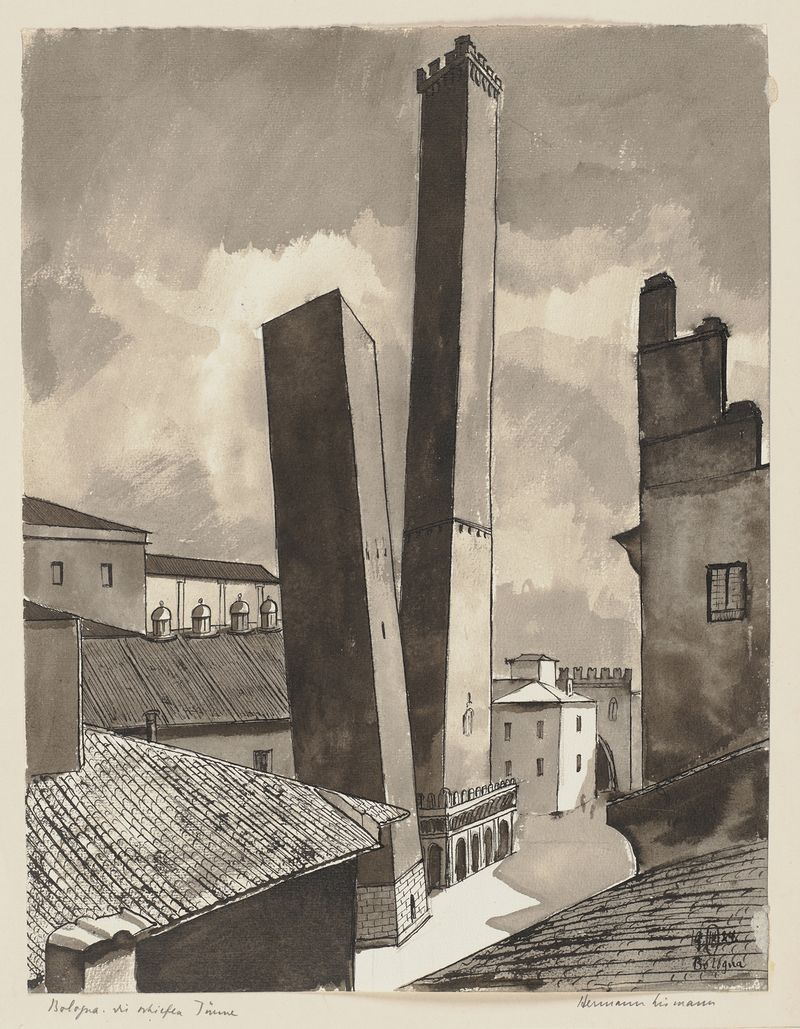
Die beiden Türme Garisenda und Asinelli in Bologna
Hermann Lismann
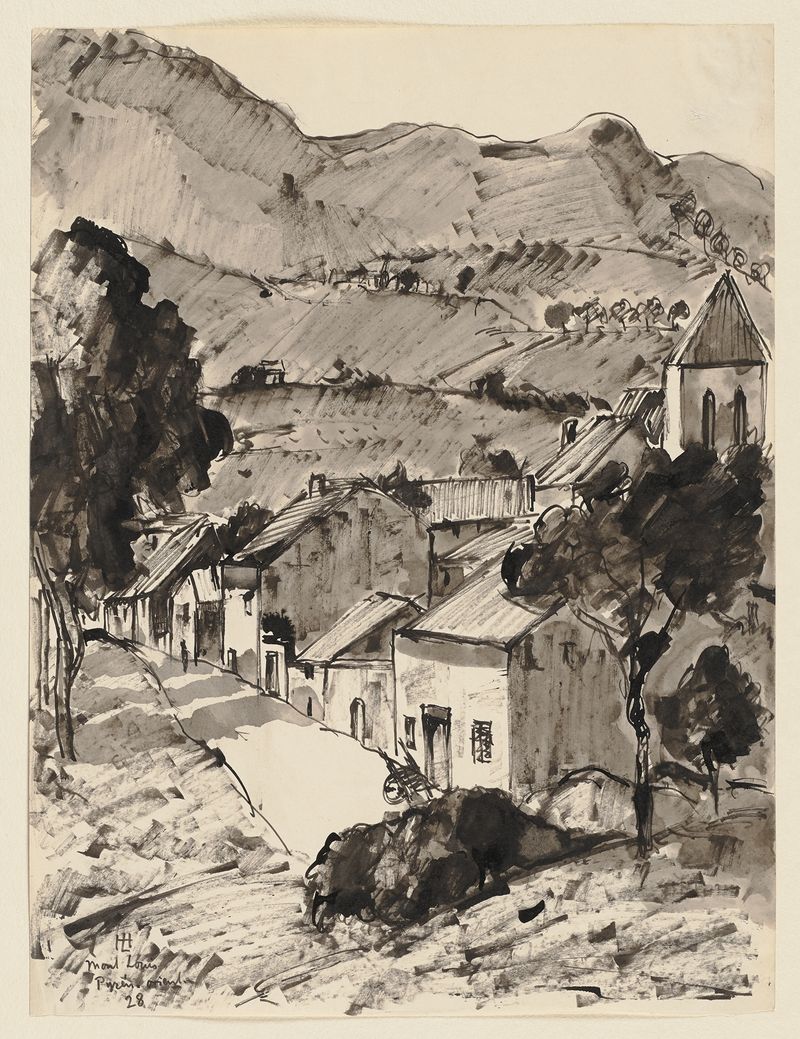
Mont-Louis
Hermann Lismann
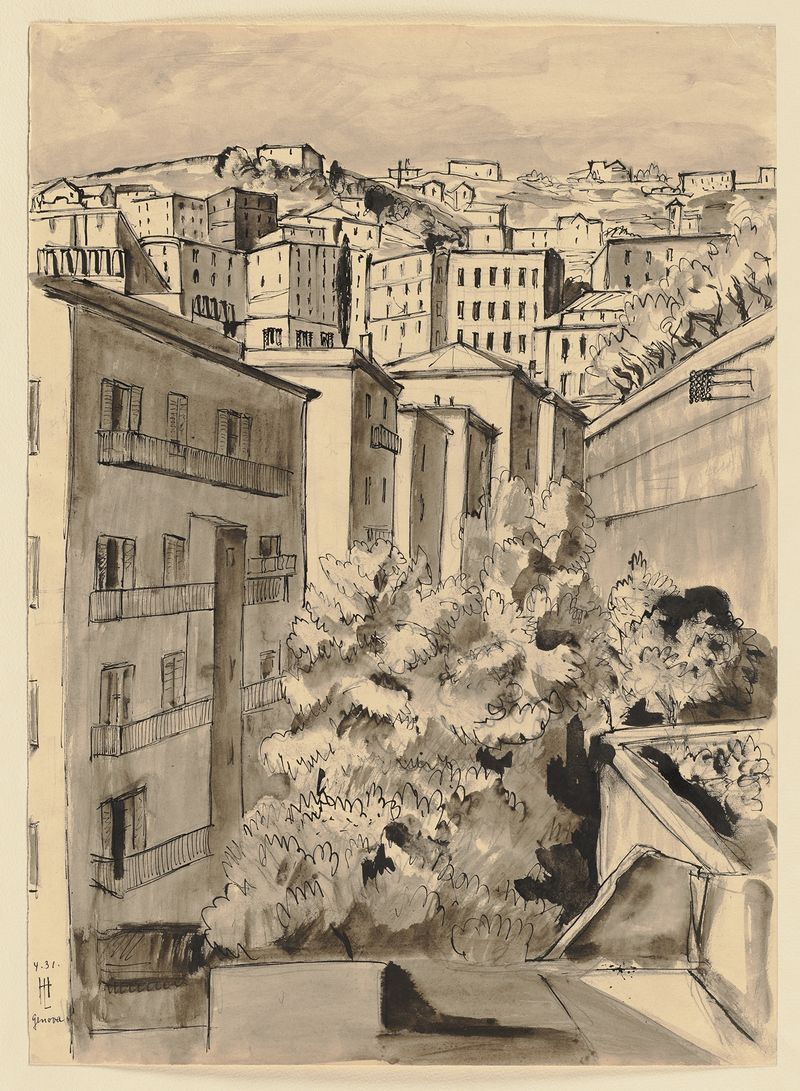
View of Genoa
Hermann Lismann
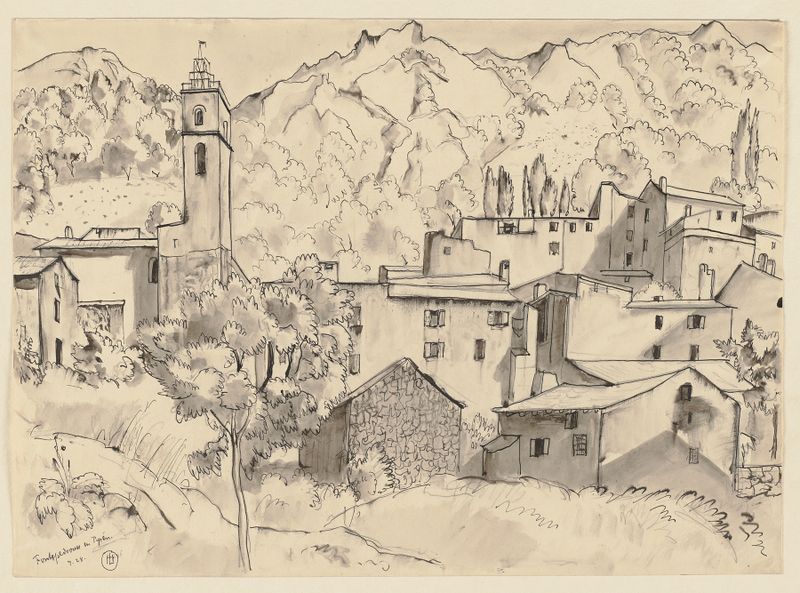
Fontpédrouse en Pyrénées
Hermann Lismann
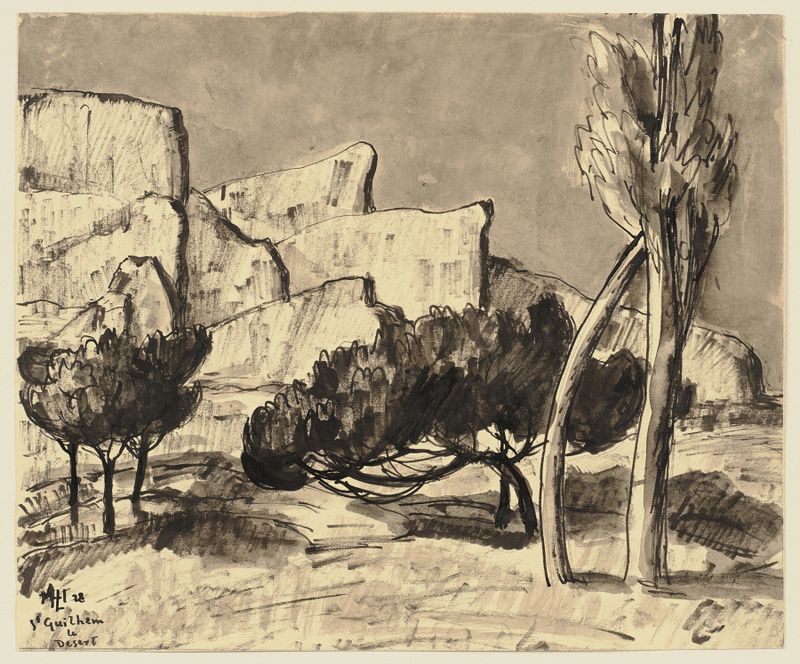
Saint-Guilhem-le-Désert
Hermann Lismann
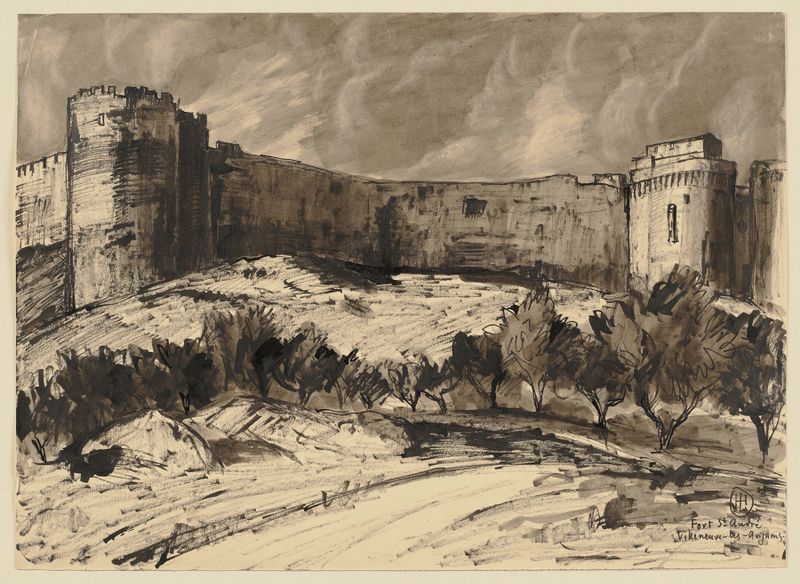
Fort Saint-André in Villeneuve-les-Avignon
Hermann Lismann
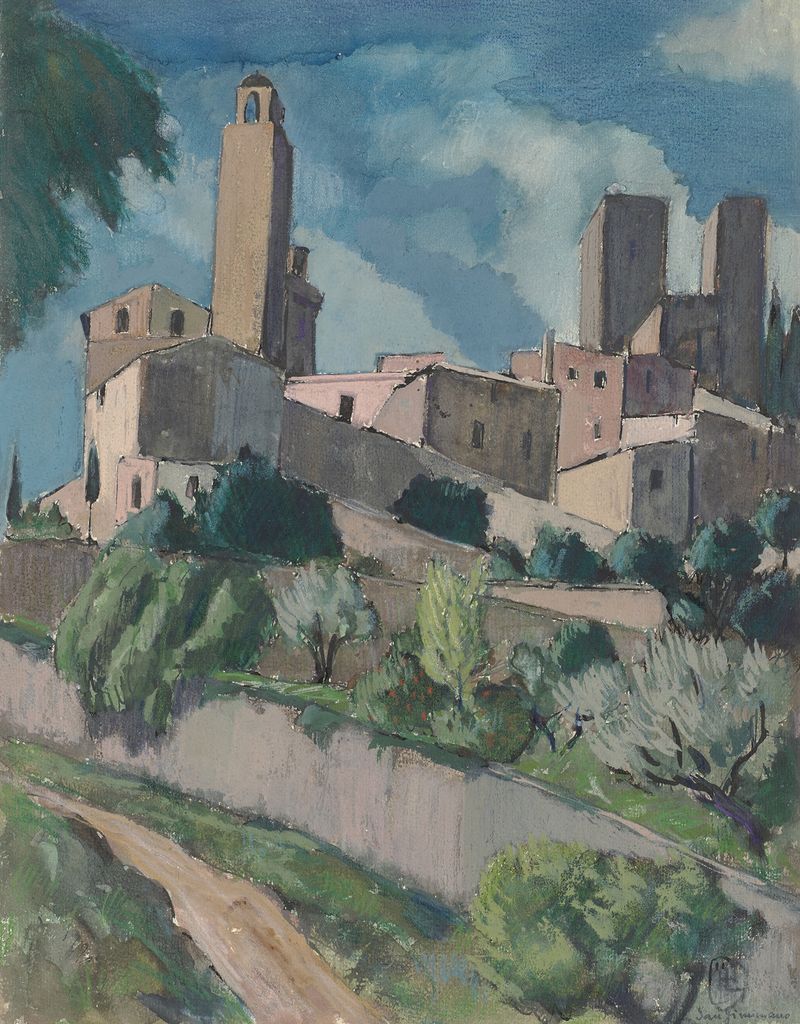
San Gimignano
Hermann Lismann
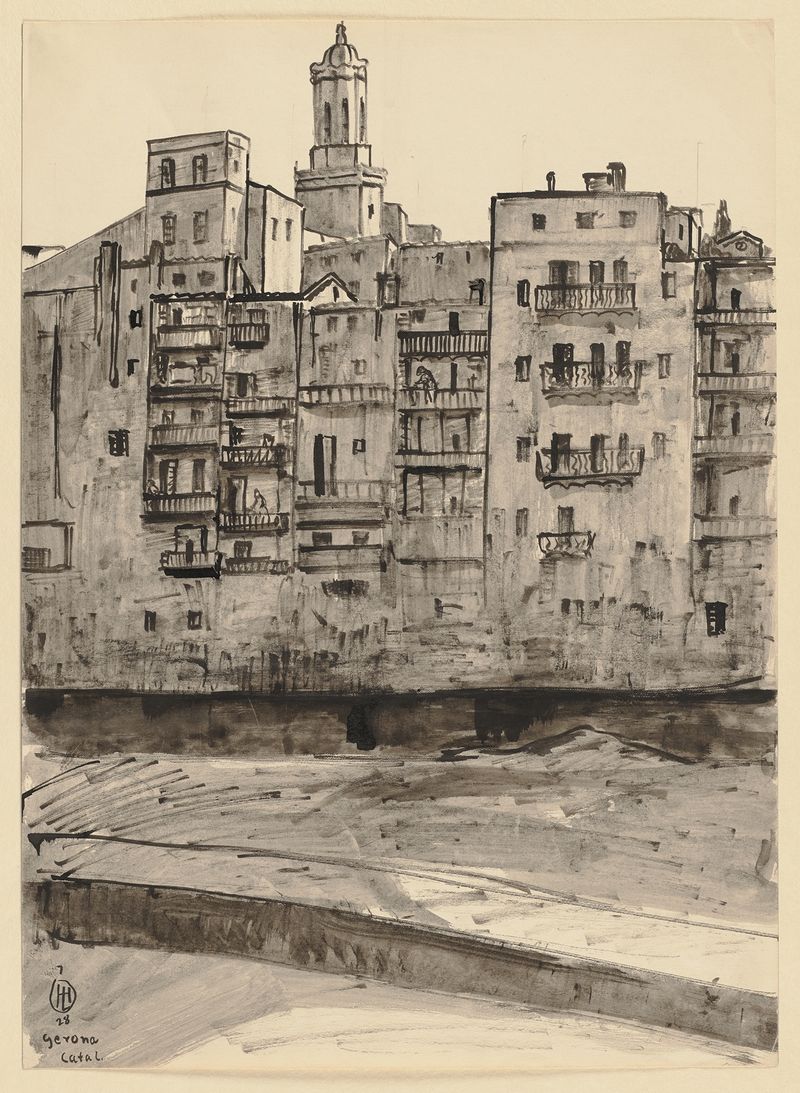
Girona vom Fluss aus gesehen, im Hintergrund der Turm der Kathedrale
Hermann Lismann
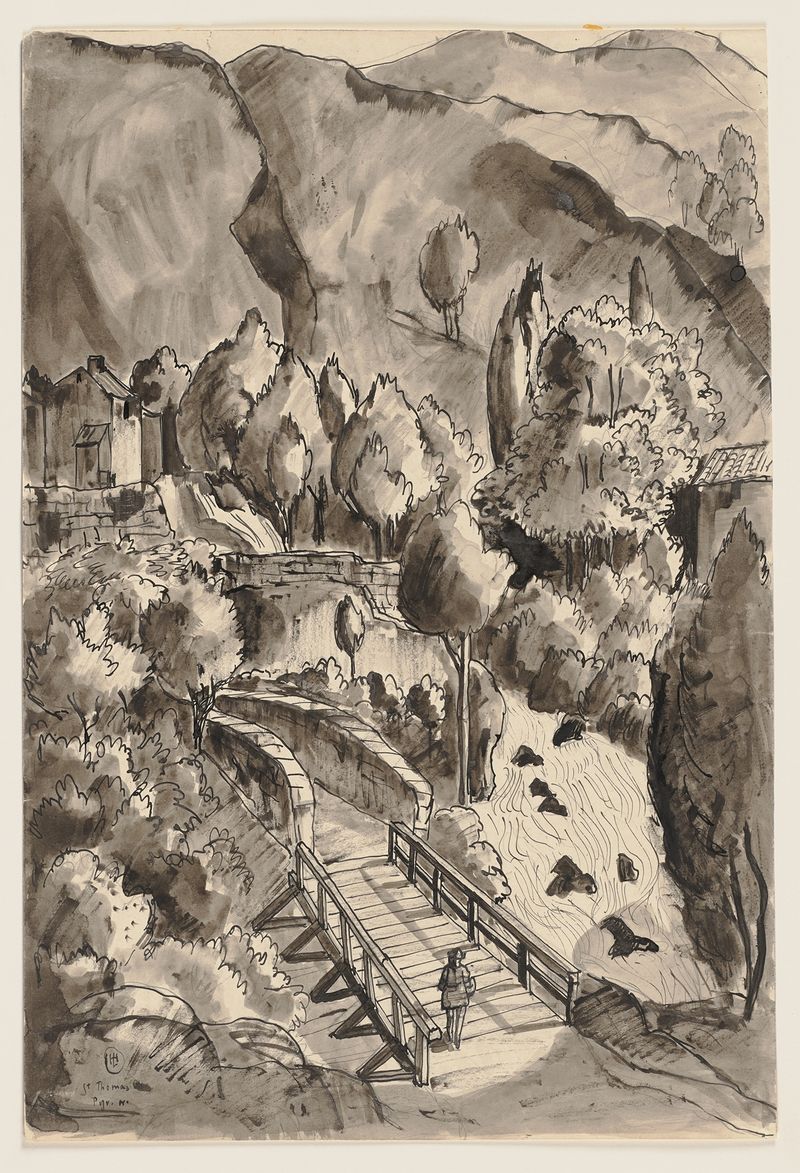
Saint Thomas, Pyrénées
Hermann Lismann
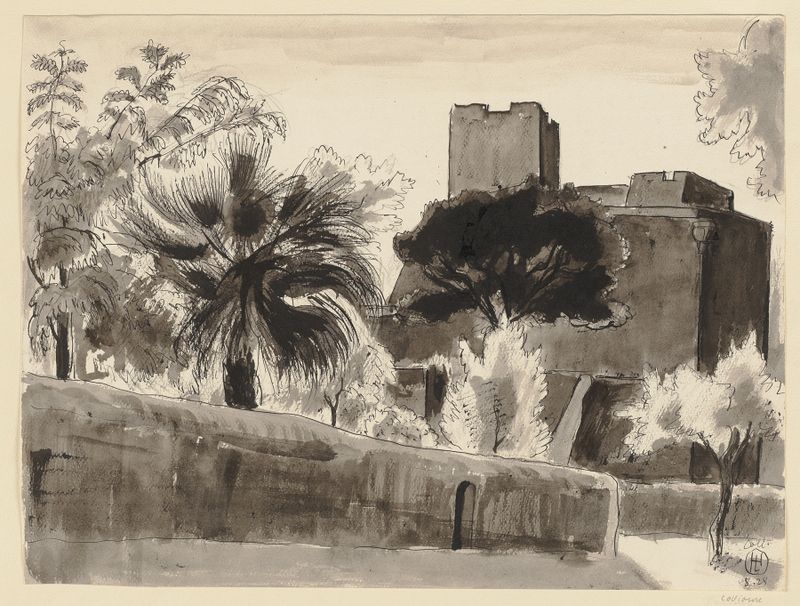
Collioure
Hermann Lismann





