
San Giovanni Apostolo et Evangelistae — History & Facts
Can beauty exist without sorrow? In James Abbott McNeill Whistler's San Giovanni Apostolo et Evangelistae, the interplay of light and shadow beckons us to ponder the profound depths of truth beneath the surface of elegance. This work invites viewers to explore the duality of existence, where the serene and the melancholic coexist in an exquisite embrace. Focus first on the central figure, the apostle John, whose contemplative expression draws you in. The warm tones of ochre and gold wash across the canvas, enveloping him in a gentle glow that contrasts with the cooler shades surrounding him.
Notice how the drapery cascades around him, each fold meticulously rendered, guiding the eye to the intricacies of his pose. Whistler’s delicate brushwork captures not just the physical essence but the spiritual resonance of this biblical figure, suggesting layers of meaning beneath his tranquil visage. Examining the details reveals emotional tensions lurking within the piece. The slight tilt of John's head suggests introspection—a solitary figure in a vast expanse of color and shadow.
The ethereal quality of the background underscores a sense of isolation, inviting contemplation of personal and collective truths. This ambiguity between joy and sorrow is emblematic of Whistler's style, challenging the viewer to confront their own emotional landscapes while reflecting on the nature of faith and the human condition. Created between 1879 and 1880, Whistler painted San Giovanni Apostolo et Evangelistae during a period of great personal and artistic evolution. Living in London, he was navigating the complexities of his reputation while experimenting with new techniques that blended realism with abstraction.
The art world was in flux, with movements stretching the boundaries of traditional representation, and Whistler's work stands as a testament to the era's pursuit of deeper meaning through beauty.
More Artworks by James Abbott McNeill Whistler
Browse all →
Nocturne in Blue and Silver
James Abbott McNeill Whistler
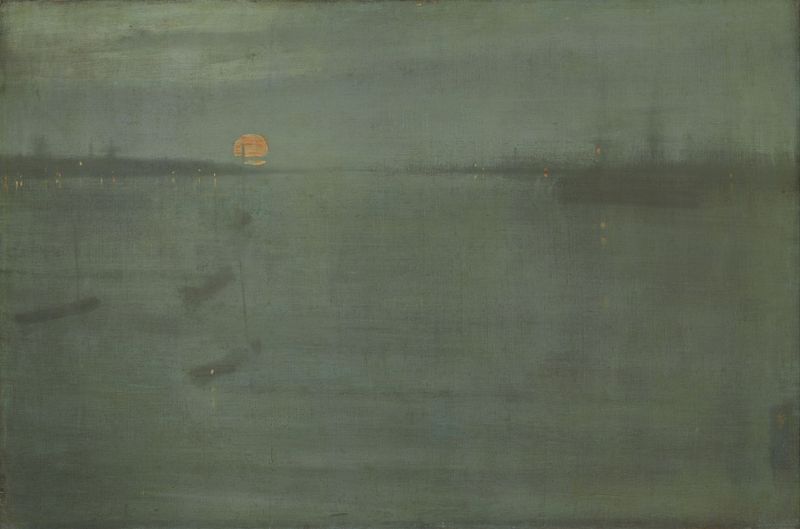
Nocturne: Blue and Gold–Southampton Water
James Abbott McNeill Whistler
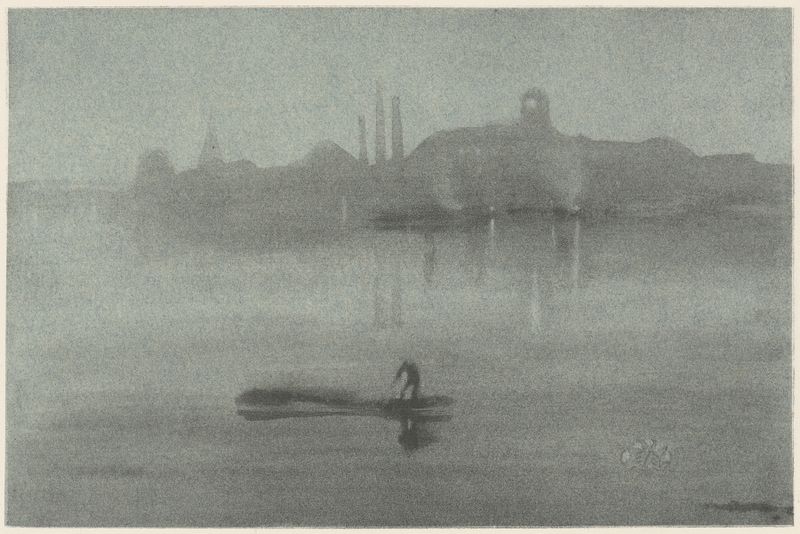
Nocturne
James Abbott McNeill Whistler
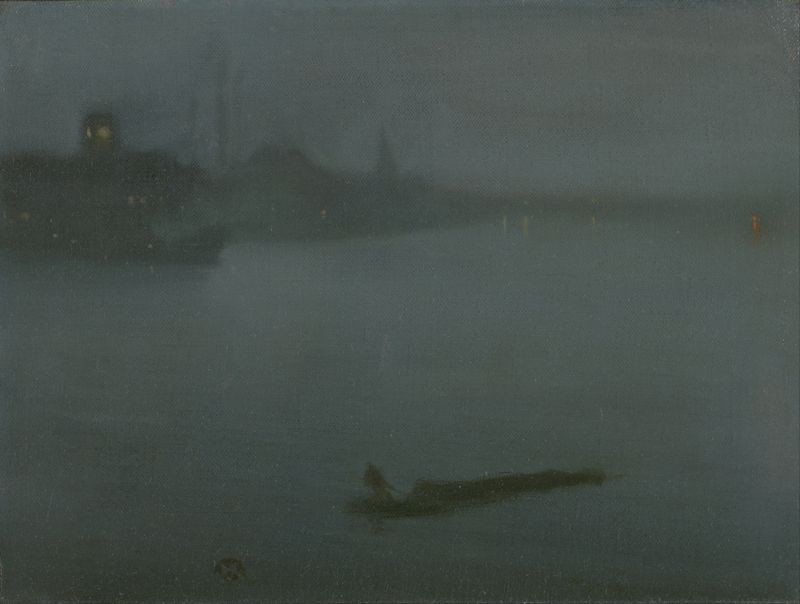
Nocturne in Blue and Silver
James Abbott McNeill Whistler
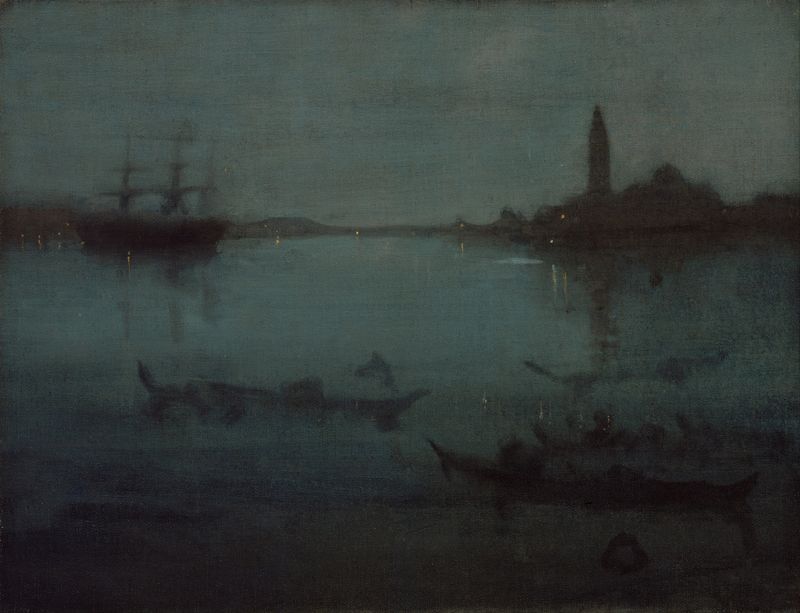
Nocturne in Blue and Silver- The Lagoon, Venice
James Abbott McNeill Whistler
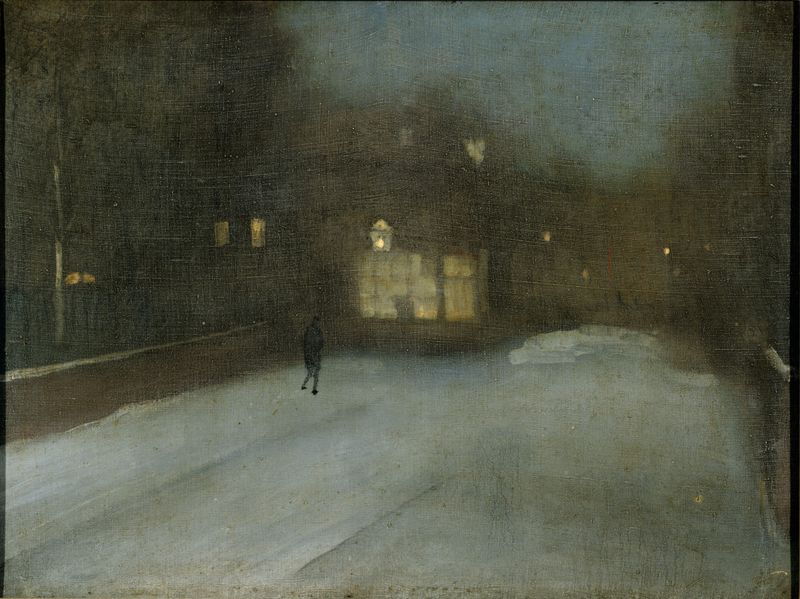
Nocturne in Grey and Gold: Chelsea Snow
James Abbott McNeill Whistler
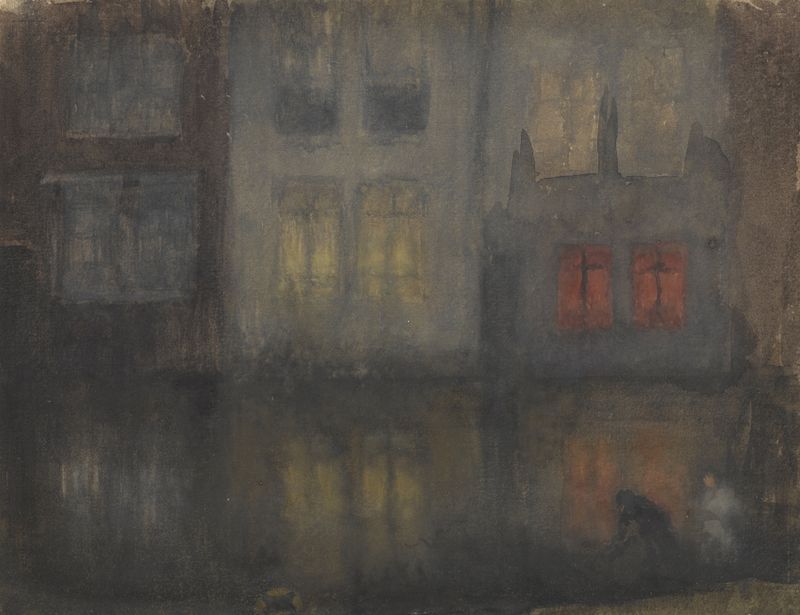
Nocturne: Black and Red—Back Canal, Holland
James Abbott McNeill Whistler
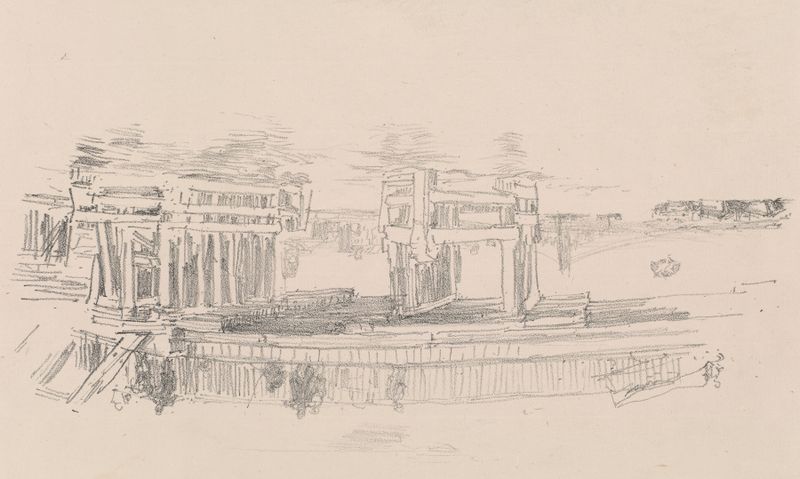
Old Battersea Bridge
James Abbott McNeill Whistler

Nocturne: Blue and Silver–Battersea Reach
James Abbott McNeill Whistler
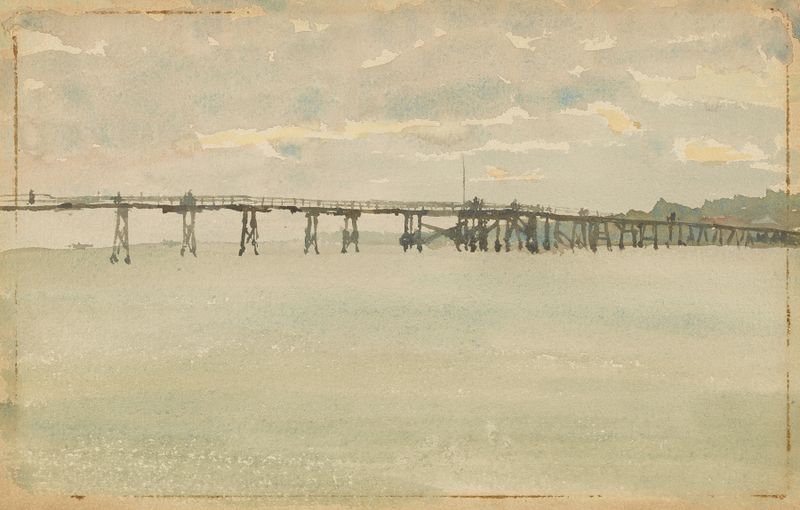
Grey and Silver–Pier, Southend
James Abbott McNeill Whistler
More Religious Art
Browse all →
The Return of the Prodigal Son
Rembrandt van Rijn

The Garden of Earthly Delights
El Bosco

Count Orgaz’ funeral
El Greco

The Hundred Guilder Print: the central piece with Christ preaching, the plate arched
Rembrandt van Rijn

The Descent from the Cross
Rogier van der Weyden

The return of the prodigal son
Rembrandt van Rijn