
Sand Hopper — History & Facts
Within the stillness of Sand Hopper, a profound longing unfurls, echoing the unspoken desires of its subjects and beholders alike. Look to the center of the composition where the small, delicately rendered figure captures the viewer’s attention, embodying a poignant moment of contemplation. The subtle play of light on the surrounding sand creates a warm glow, emphasizing the textures of the figure's form while contrasting against the cooler hues of the distant, shadowy coastline. Each brushstroke reveals the artist's attention to detail, inviting us to feel the gentle caress of the breeze and the weight of solitude. Beneath the surface, the work contrasts vulnerability with strength, as the solitary figure stands poised yet reflective.
The undulating lines of the shoreline seem to whisper secrets, evoking a sense of nostalgia and unfulfilled dreams. The fleeting nature of the beach setting underscores the transient beauty of life, accentuating the emotional depth of longing that permeates the scene. Created between 1900 and 1925, Sand Hopper emerged during a transformative era for American art, as artists began to explore personal expression and emotions in their work. Haskell, known for his mastery of light and form, painted during a time of societal change and modernism.
This period saw a shift in artistic focus from traditional representations to more introspective and intimate depictions, reflecting the restless spirit of the era.
More Artworks by Ernest Haskell
Browse all →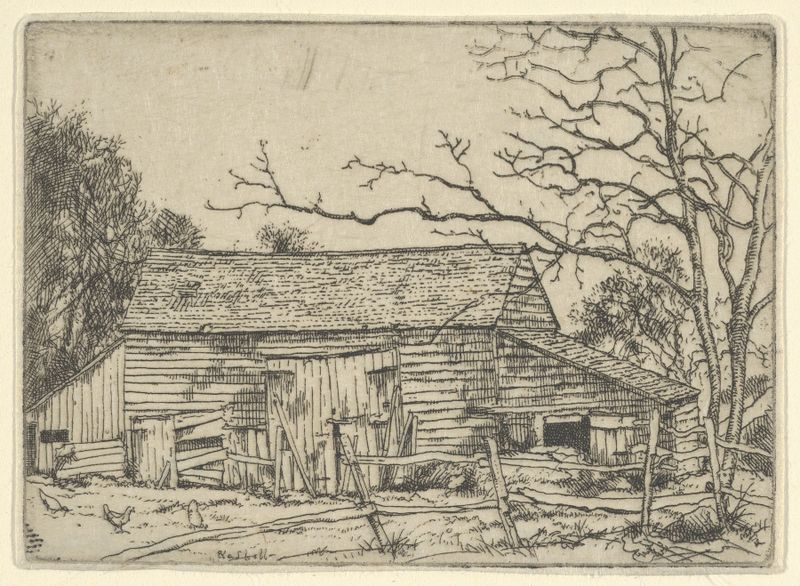
The Barn–Staten Island, N.Y.
Ernest Haskell

Four Live Oaks
Ernest Haskell
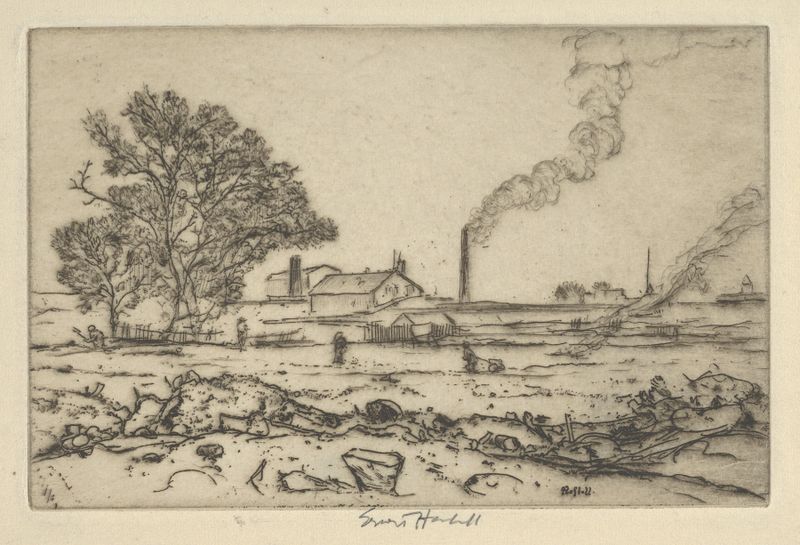
Outskirts of Boston
Ernest Haskell
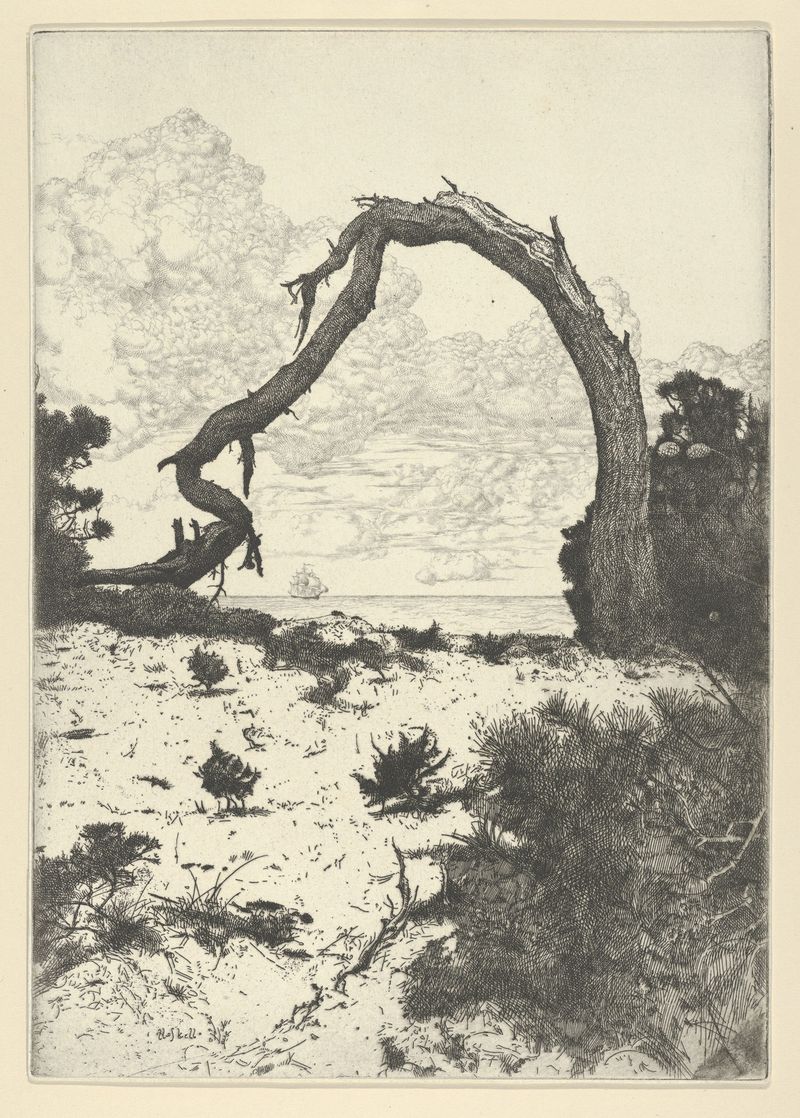
Pine Arch
Ernest Haskell

General Sherman
Ernest Haskell
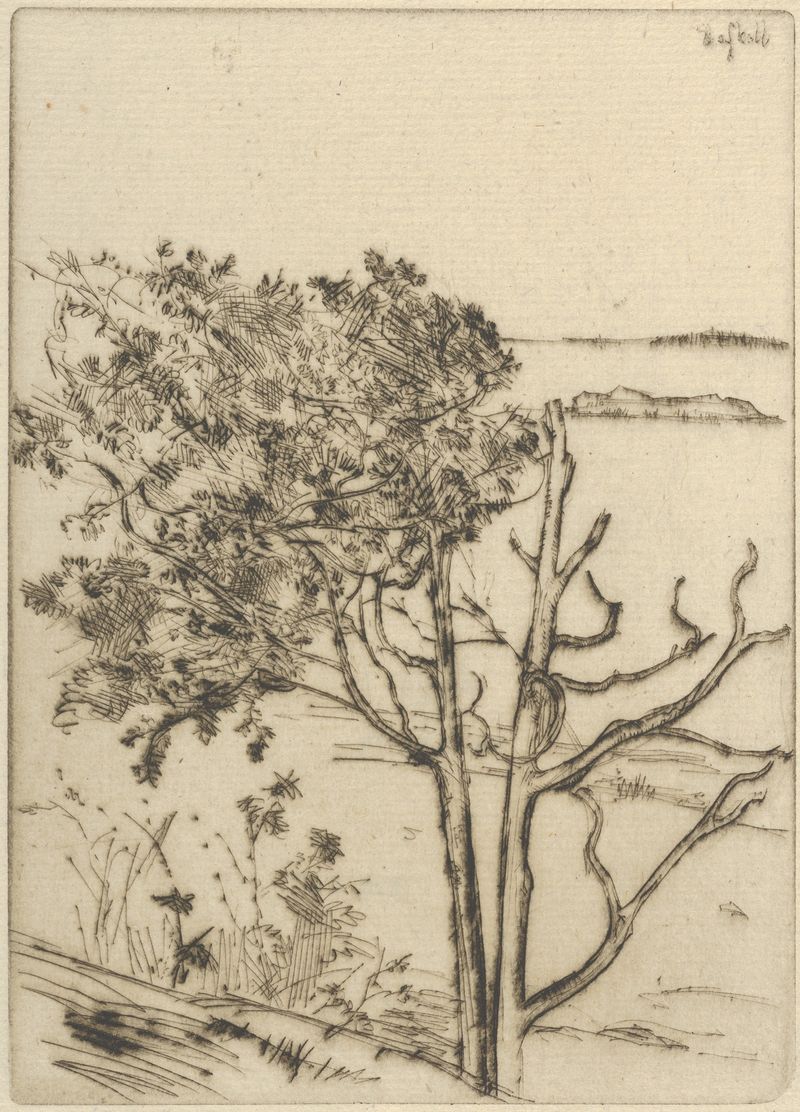
Ragged Tree – Maine
Ernest Haskell

Tide Mill
Ernest Haskell

Ship Building
Ernest Haskell
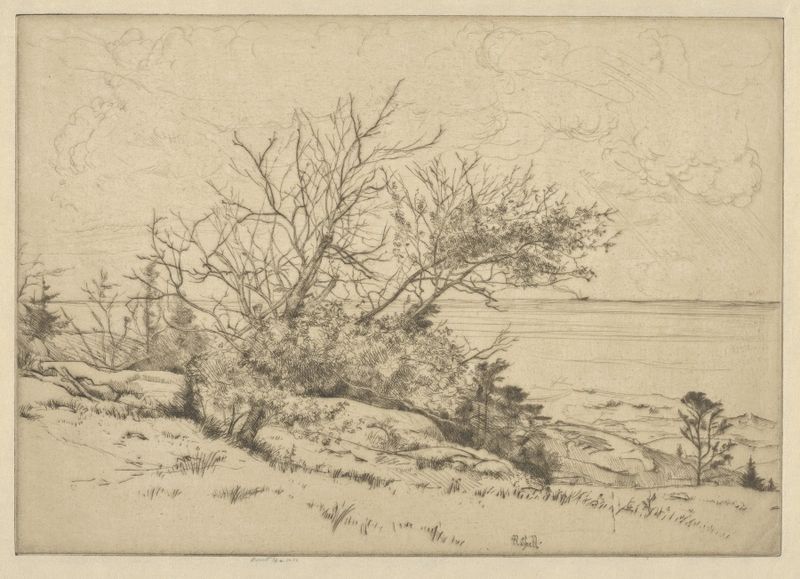
To the Southward – Ragged Island, Me.
Ernest Haskell
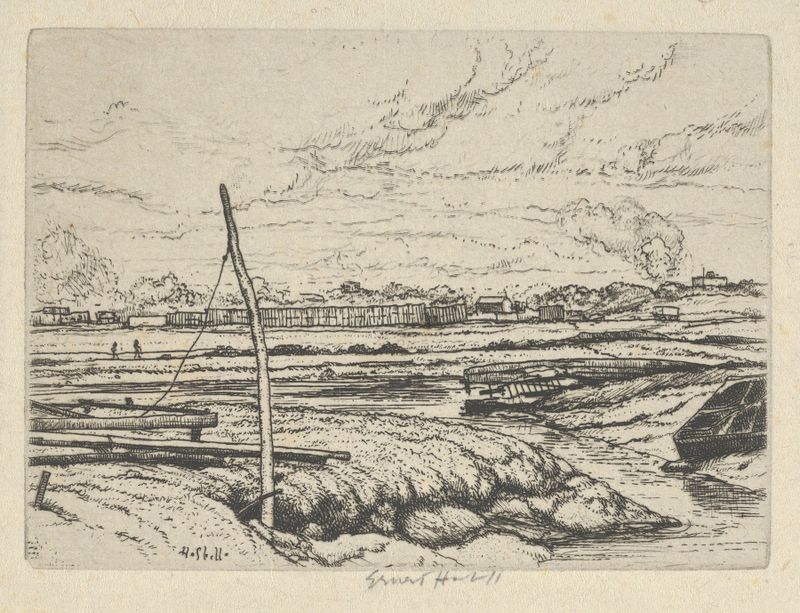
Long Island Marshes
Ernest Haskell





