
Sanshu Zentsuji (Zentsuji Temple in Shikoku) — History & Facts
Is this a mirror — or a memory? The tranquil yet poignant atmosphere of Sanshu Zentsuji invites viewers to delve into the chaos of reflection, where serenity stands resilient against the backdrop of life's tumult. Look to the center of the artwork, where the temple stands majestically amidst a landscape of gentle hills and whispering trees. The artist’s use of soft blues and greens creates a serene harmony, drawing your gaze to the intricate architecture of the temple, framed by delicate cherry blossoms. Notice how the light filters through the branches, casting dappled shadows that dance gently on the ground, illuminating the space with a sense of quiet reverence. Yet, beneath the calming facade lies a tension between the ephemeral beauty of nature and the permanence of human creation.
The blossoms, evoking fleeting moments of joy, contrast starkly with the steadfast temple, a symbol of resilience amid the chaos of the world. This delicate balance highlights the transient nature of life, invoking contemplation of what is preserved in memory and what is lost to time. Kawase Hasui painted Sanshu Zentsuji in 1937, during a phase of significant turmoil and change in Japan, as the country was grappling with modernization and the remnants of tradition. It was a time when the artist sought to capture the essence of the Japanese landscape while reflecting on the deep cultural roots that were increasingly threatened.
His work stands as a testament to this complex interplay, offering a glimpse into a world where tranquility and chaos coexist.
More Artworks by Kawase Hasui
Browse all →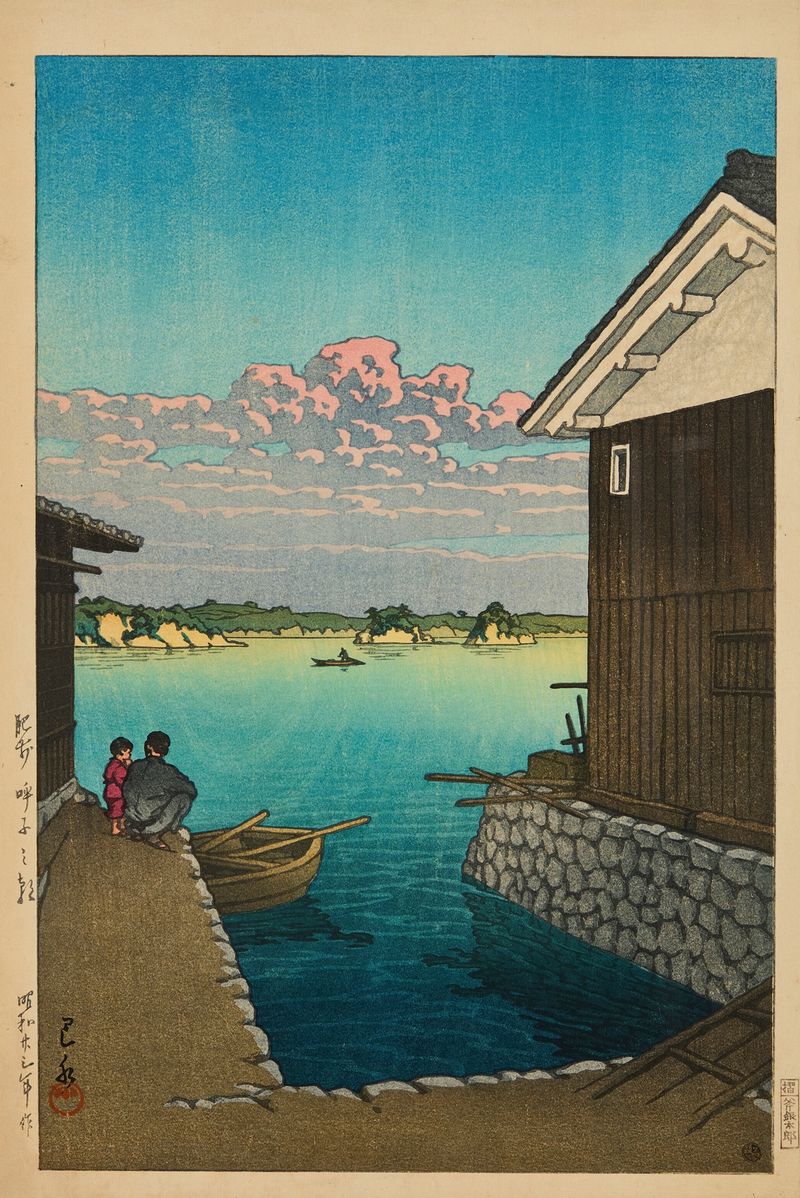
Hizen Yobuko no asa (Morning in Yobuko, Hizen)
Kawase Hasui
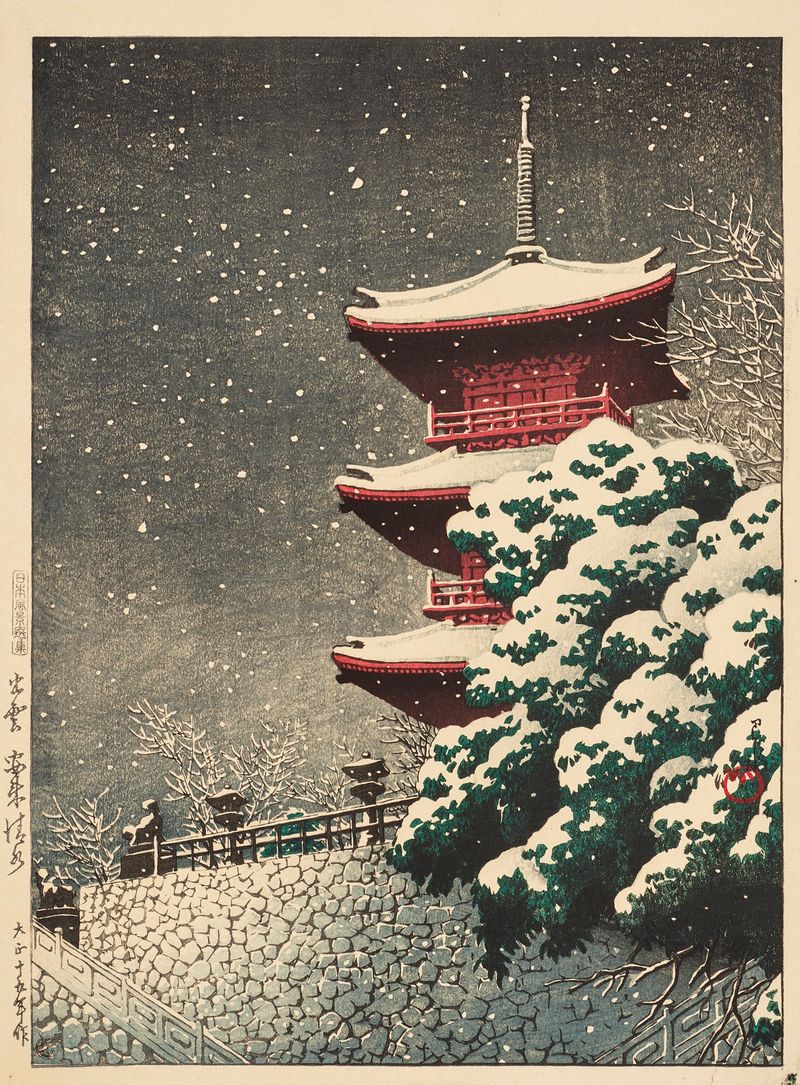
Izumo, Yasugi Kiyomizu (Yasugi Kiyomizu Temple at Izumo)
Kawase Hasui
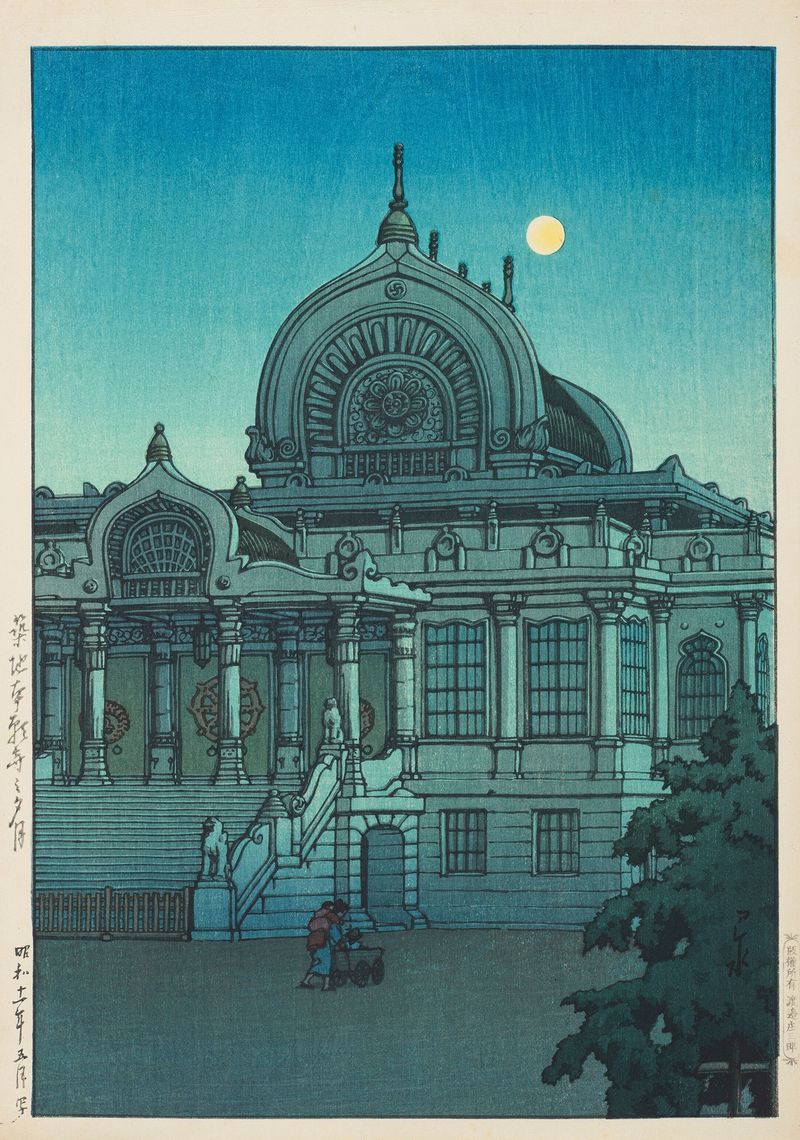
Tsukiji Honganji no yuzuki (Evening moon at Honganji Temple in Tsukiji)
Kawase Hasui
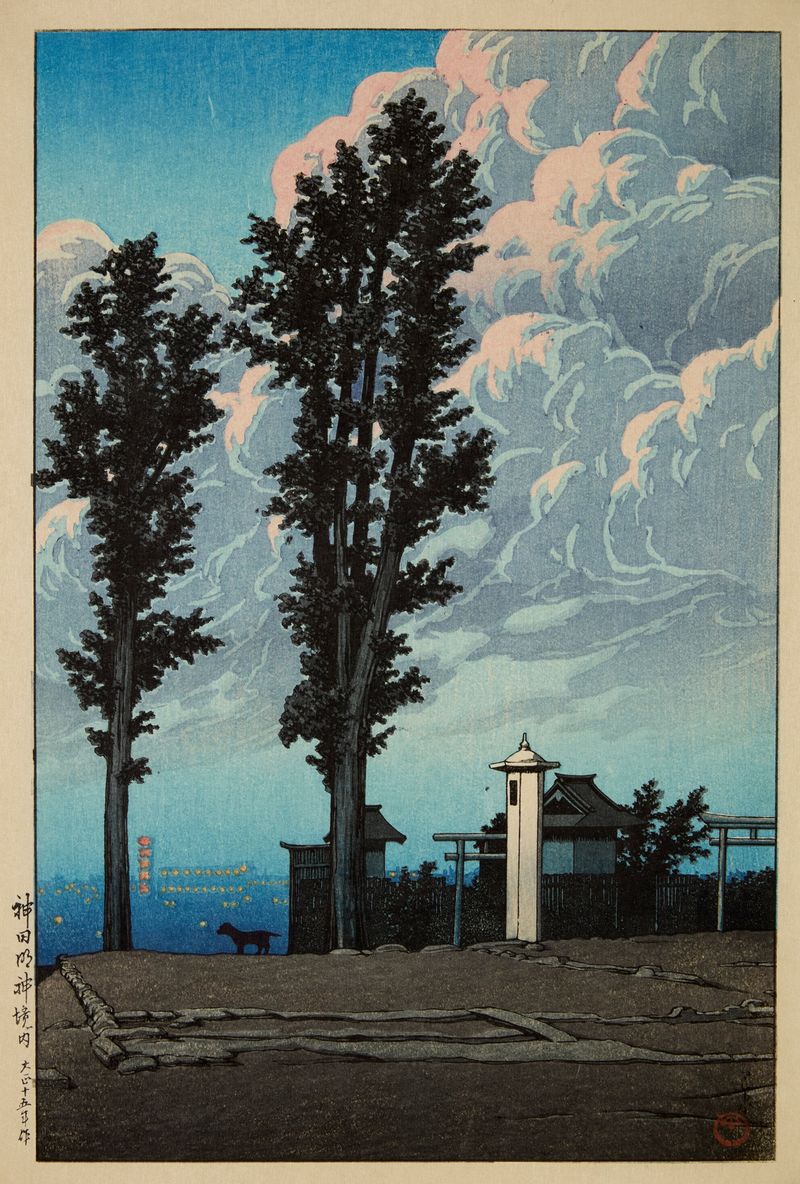
Kanda Myojin keidai (Kanda Myojin Shrine precent)
Kawase Hasui
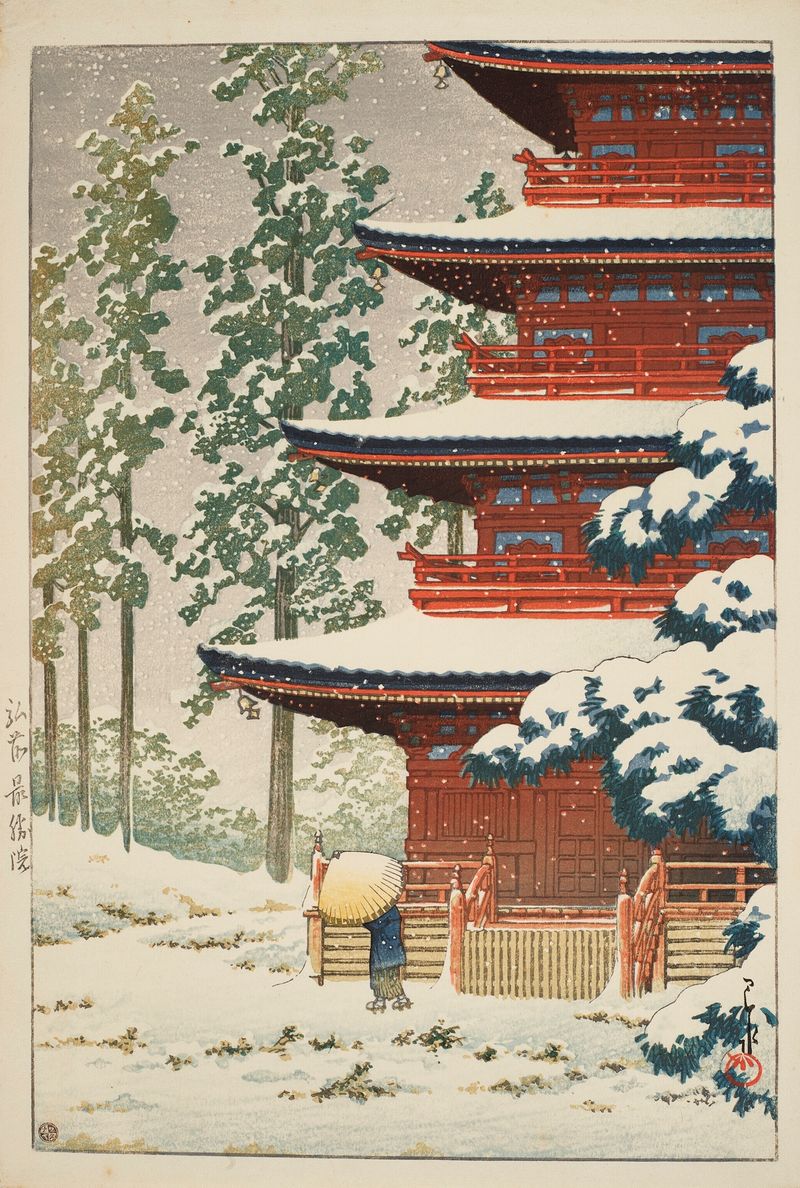
Saisho-in Temple, Hirosaki
Kawase Hasui
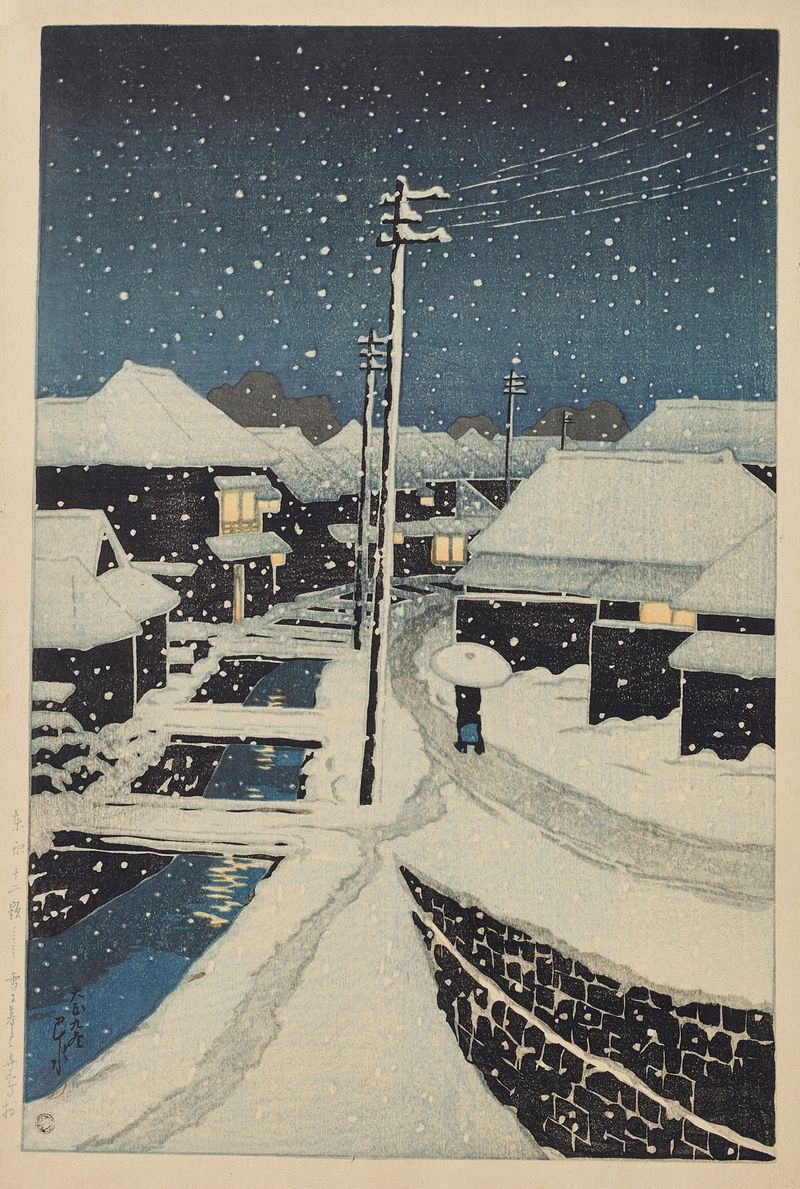
Yuki ni fururu Terajima mura (Evening snow at Terajima Village)
Kawase Hasui
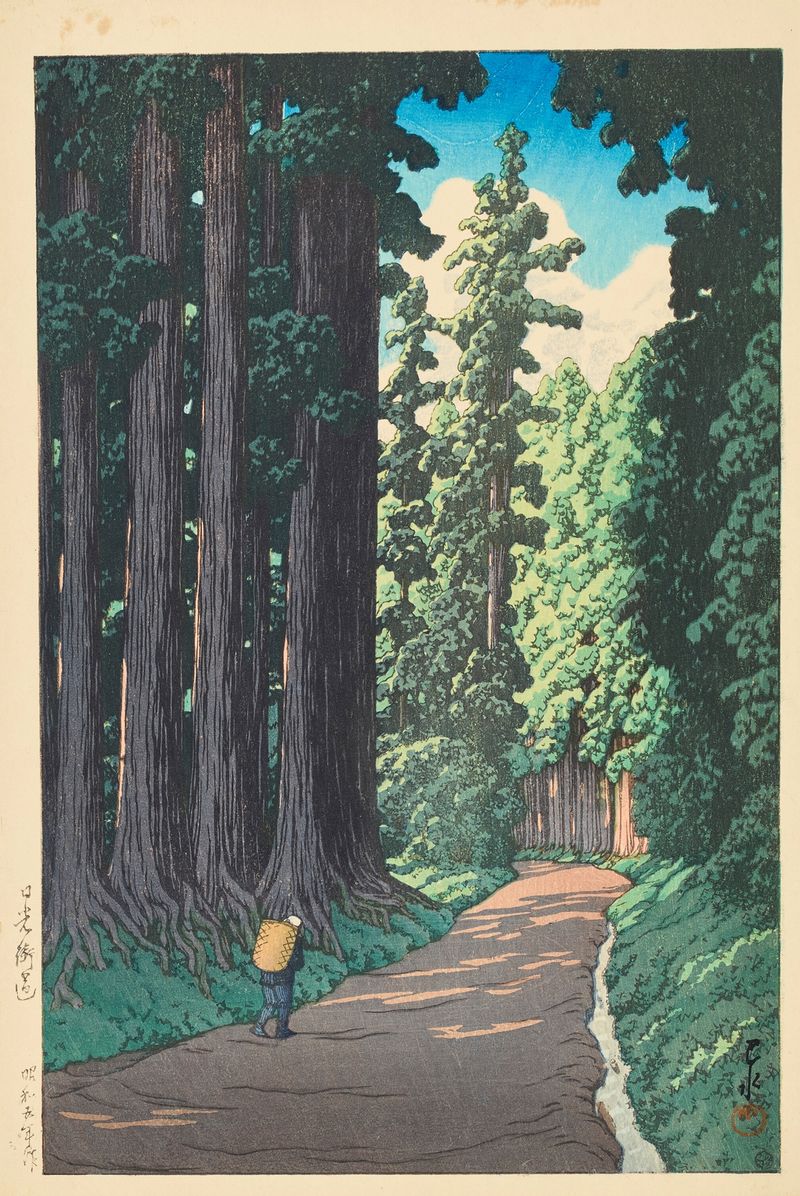
Nikko gaido (The Road to Nikko)
Kawase Hasui
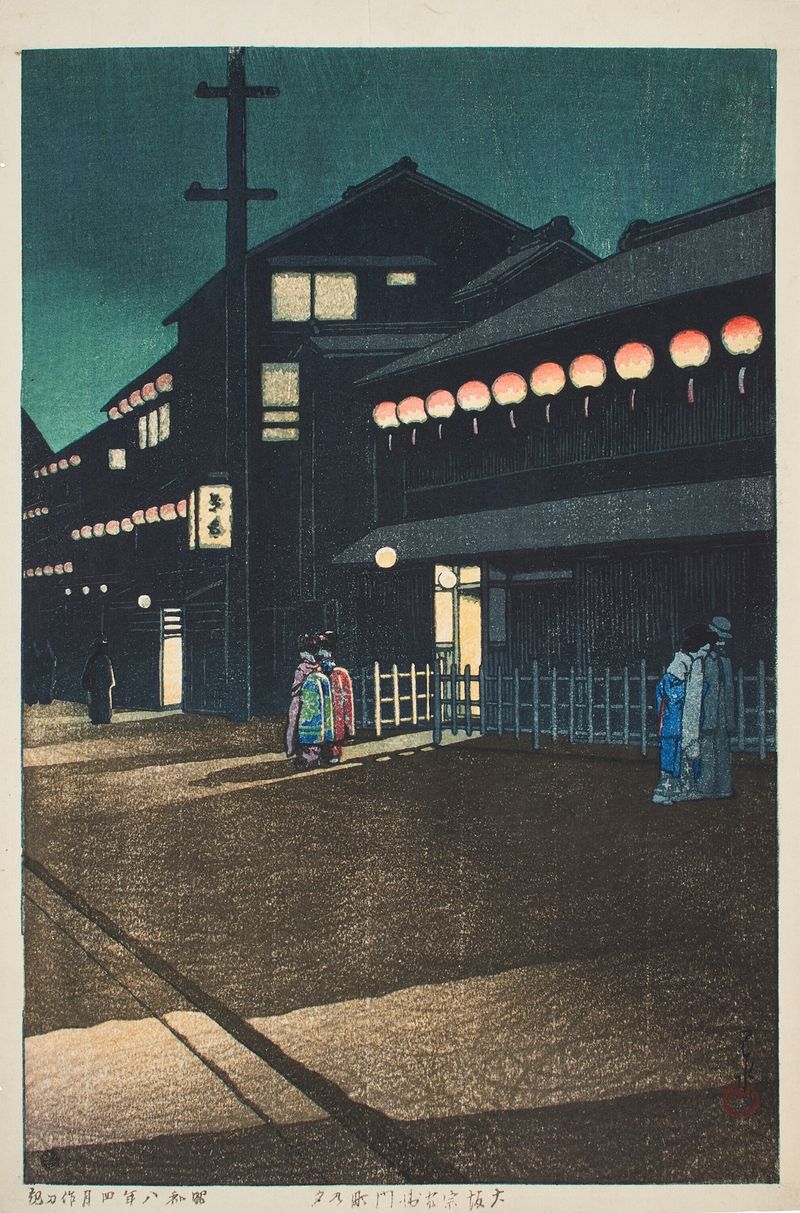
Osaka Soemon-cho no yu (Evening in Soemon-cho, Osaka)
Kawase Hasui
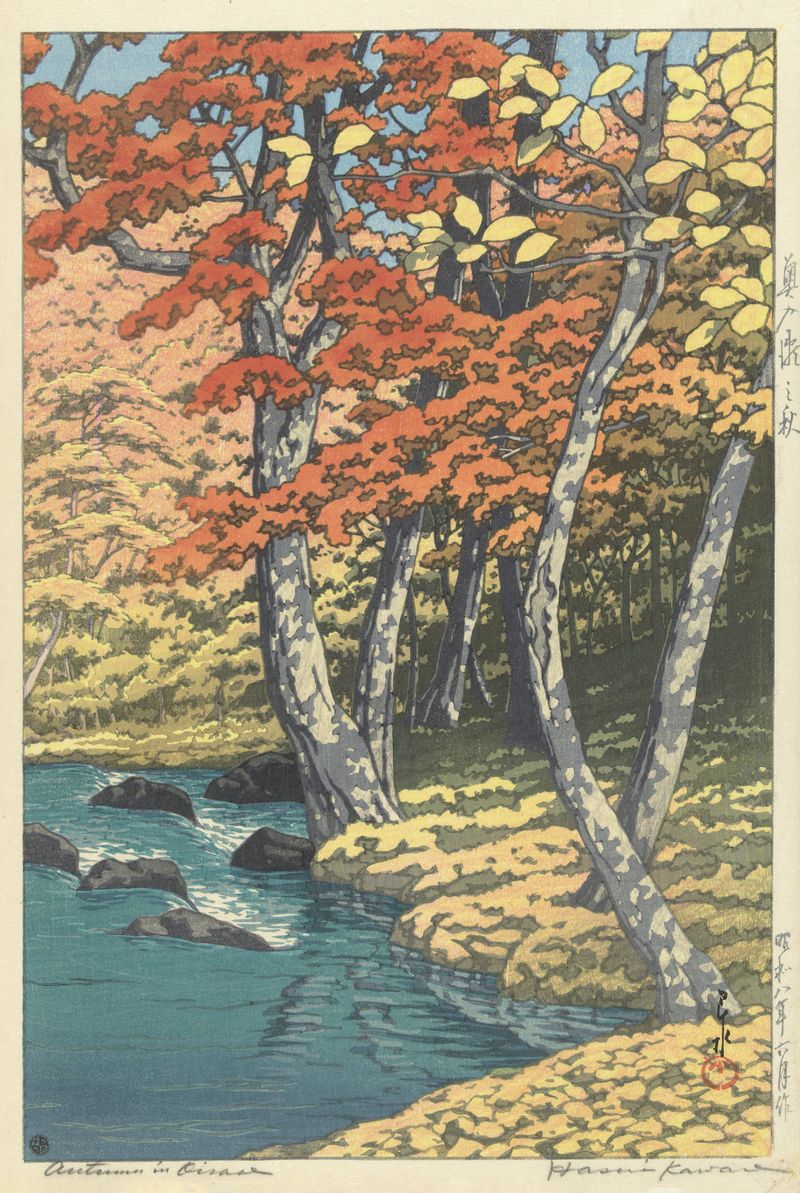
Autumn In Oirase
Kawase Hasui
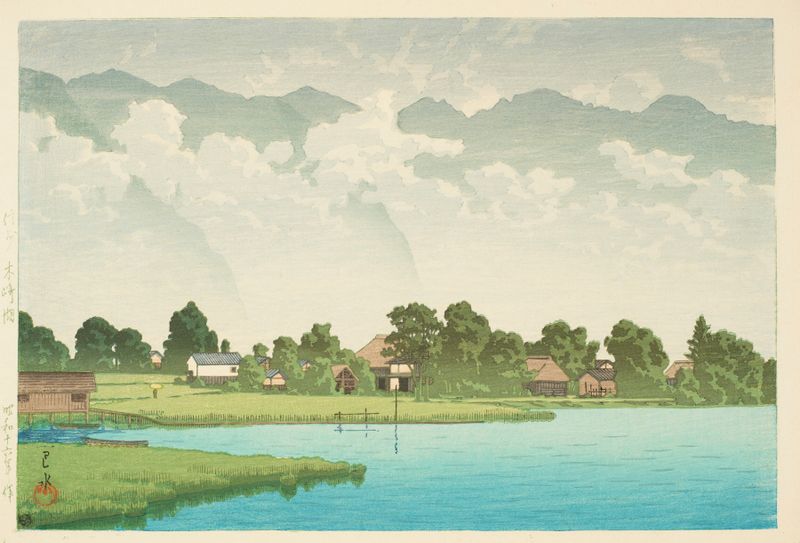
Shinshu Kizakiko (Kizaki Lake in Shinshu)
Kawase Hasui
More Architecture Art
Browse all →
The statue of Liberty
Frédéric Auguste Bartholdi

View of Houses in Delft, Known as ‘The Little Street’
Johannes Vermeer

View of Houses in Delft, Known as ‘The Little Street’
Johannes Vermeer

The Cathedral in Rouen. The portal, Grey Weather
Claude Monet

The yellow house
Vincent van Gogh

The Church in Auvers-sur-Oise, View from the Chevet
Vincent van Gogh