
Santa Maria a Cetrella, Anacapri — History & Facts
In the stillness of a sun-drenched landscape, longing takes form through vibrant hues. The viewer is invited to feel the essence of desire that clings to the air like the warm breeze. Look to the left at the charming structure of Santa Maria a Cetrella, its whitewashed walls glowing against the richly textured greens and blues of the surrounding nature. Notice how the artist employs soft brushstrokes to create a gentle interplay between light and shadow, emphasizing the church’s serene beauty nestled in the hills of Anacapri.
The delicate play of light reveals the undulating contours of the terrain, drawing the eye deeper into the pastoral tableau. Within this tranquil scene lies a tension between the solidity of the church and the ethereal quality of the landscape, symbolizing a yearning for connection. The soft clouds drifting overhead suggest an impermanence, a fleeting moment captured forever, echoing the emotional undertow of longing for something just out of reach. The vibrant palette, from the vivid greens to the sunlit blues, reflects a hopefulness that contrasts with the underlying stillness, a reminder of the duality of desire. William Stanley Haseltine painted this work in the early 1890s while living in Italy, a time when his artistic focus turned increasingly towards landscapes infused with light and emotion.
He was influenced by the allure of the Mediterranean, capturing its beauty while navigating the respect and recognition he had earned as a prominent figure in the American art scene of that era. This painting embodies both his personal quest for beauty and the broader artistic movement embracing naturalism and impressionism.
More Artworks by William Stanley Haseltine
Browse all →
Mill Dam in Traunstein
William Stanley Haseltine
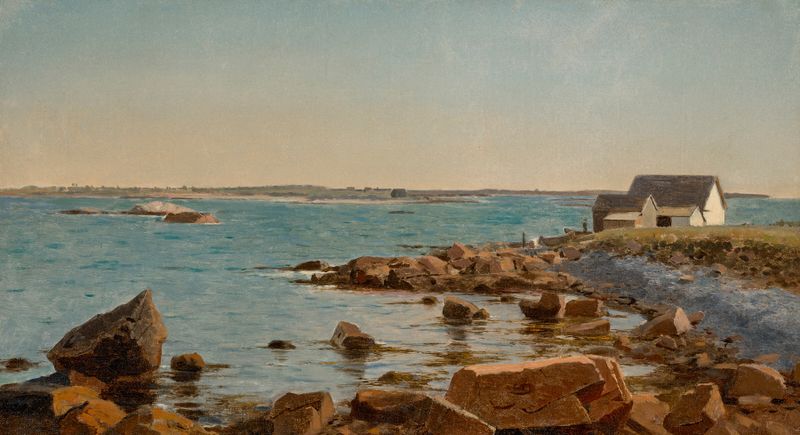
Nahant Coast
William Stanley Haseltine
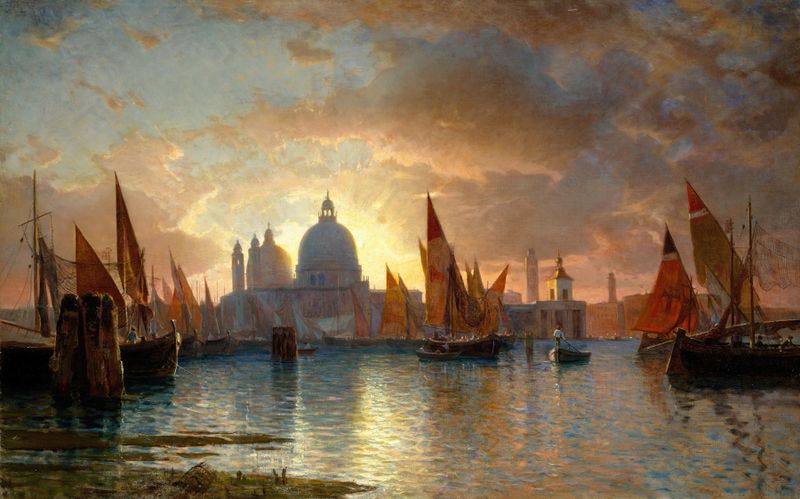
Santa Maria della Salute, Sunset
William Stanley Haseltine
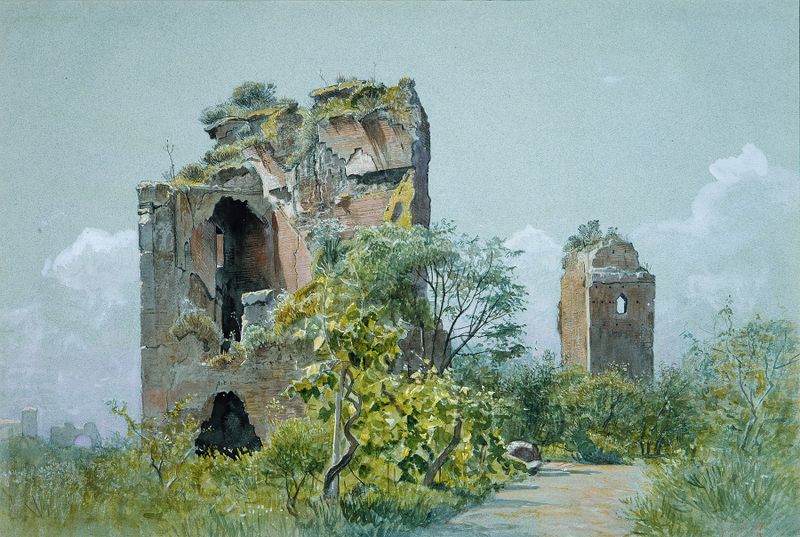
Baths of Trajan (Sette Sale, Villa Brancaccio, Rome)
William Stanley Haseltine
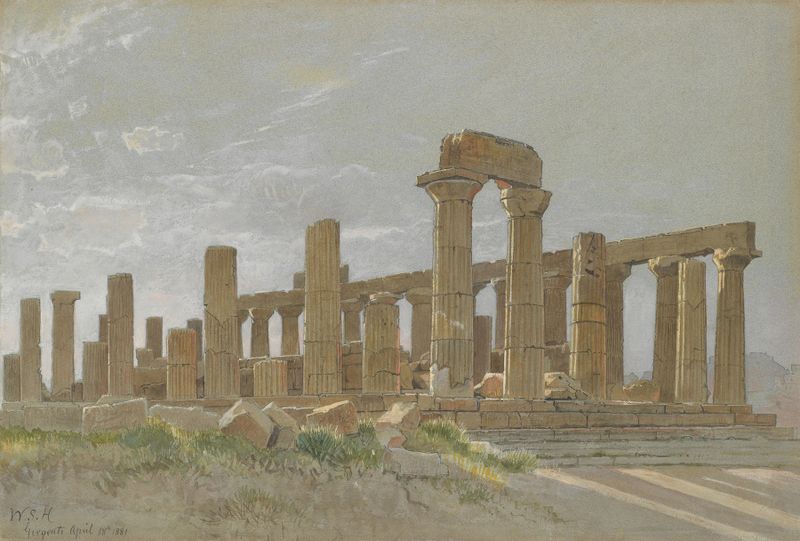
Girgenti (The Temple of Juno Lacinia at Agrigentum)
William Stanley Haseltine

Italian Hills
William Stanley Haseltine
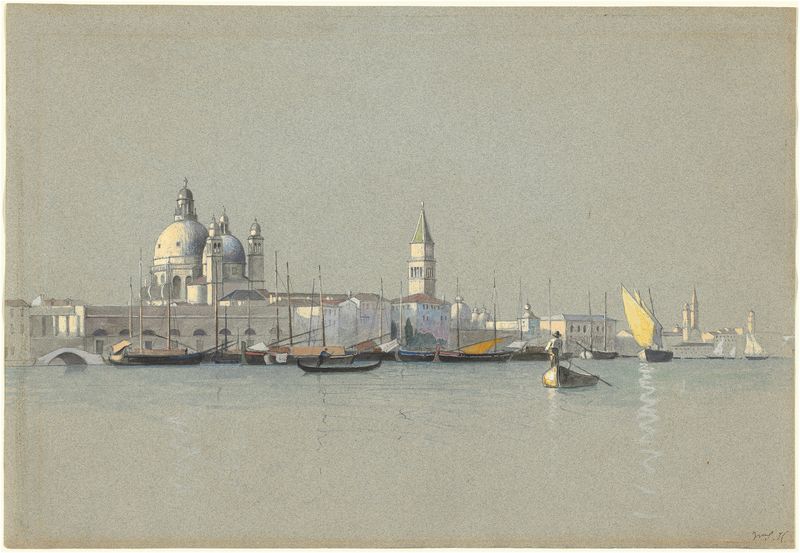
View across the Giudecca Canal toward the Salute and the Campanile of San Marco
William Stanley Haseltine
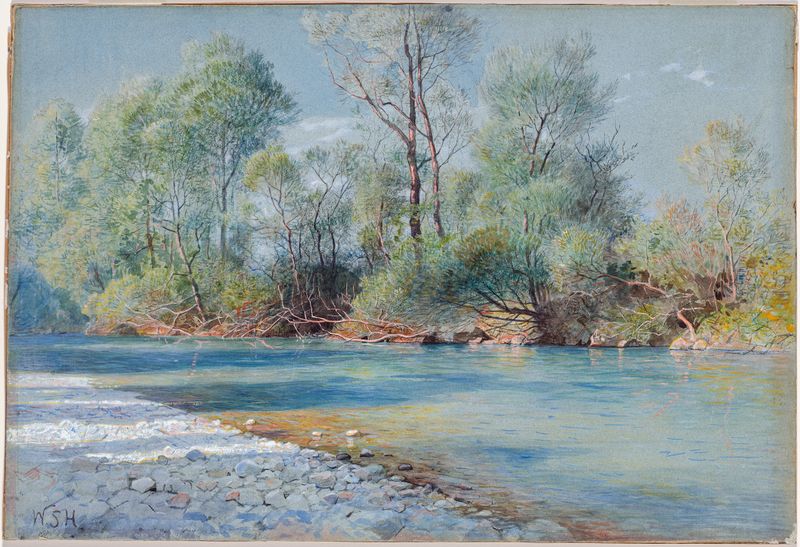
Traunstein River on the Road to Empfig, Bavaria
William Stanley Haseltine

Coast of Capri
William Stanley Haseltine
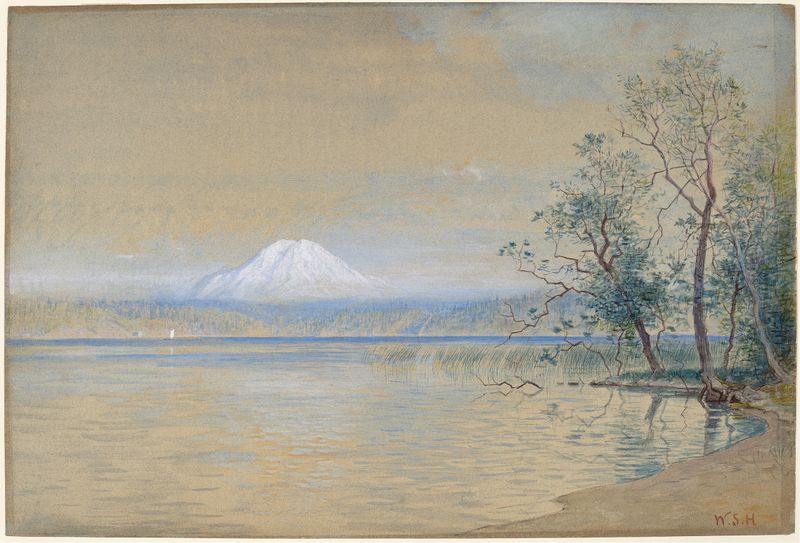
Mount Tacoma
William Stanley Haseltine





