
Santorini — History & Facts
Is this a mirror — or a memory? The serene expanse of blue stretches endlessly, inviting contemplation and connection, while the rugged landscape holds secrets of an ancient world. Look to the right at the sun-drenched cliffs, where their ochre tones contrast beautifully with the deep azure of the Aegean Sea. Notice how the light falls upon the whitewashed buildings, casting delicate shadows that dance along their surfaces. The composition is masterfully arranged, drawing your eye across the canvas, from the shimmering water to the dramatic sky, creating a harmonious balance between the natural and the constructed. Yet, beneath this tranquil facade lies an emotional tension.
The play of light suggests fleeting moments, hinting at the impermanence of beauty; the untouched terrain reflects a longing for a simpler existence. The juxtaposition of the bright horizon against the darker, craggy rocks symbolizes the balance between hope and despair, inviting the viewer to reconcile both in their own lives. In 1843, while creating Santorini, Carl Rottmann was deeply immersed in the Romantic movement, capturing landscapes that evoked emotion and introspection. Painted during his travels in Greece, the work reflects both his personal journey and the broader fascination with the Mediterranean as a cradle of culture and history.
This period was marked by a quest for authenticity in art, as artists sought to reconnect with nature and the past, echoing the tranquil yet complex beauty of Rottmann's subject.
More Artworks by Carl Rottmann
Browse all →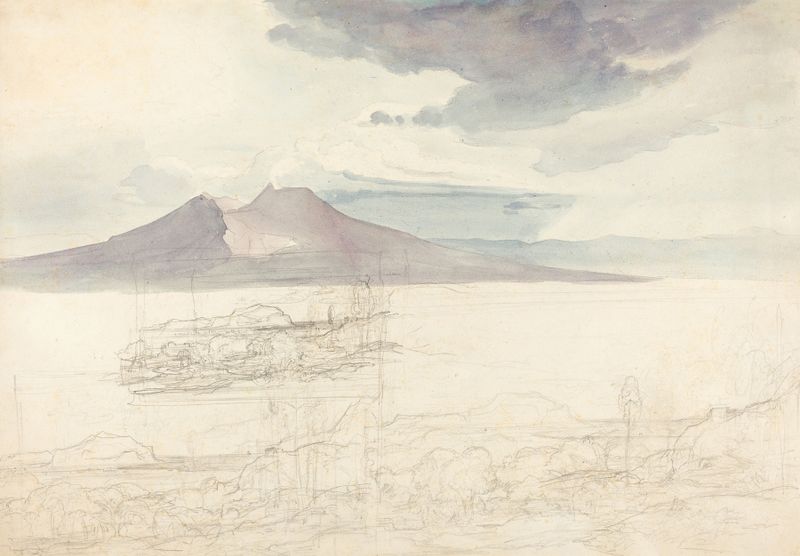
Panoramic Views of Vesuvius and Monte Pellegrino
Carl Rottmann
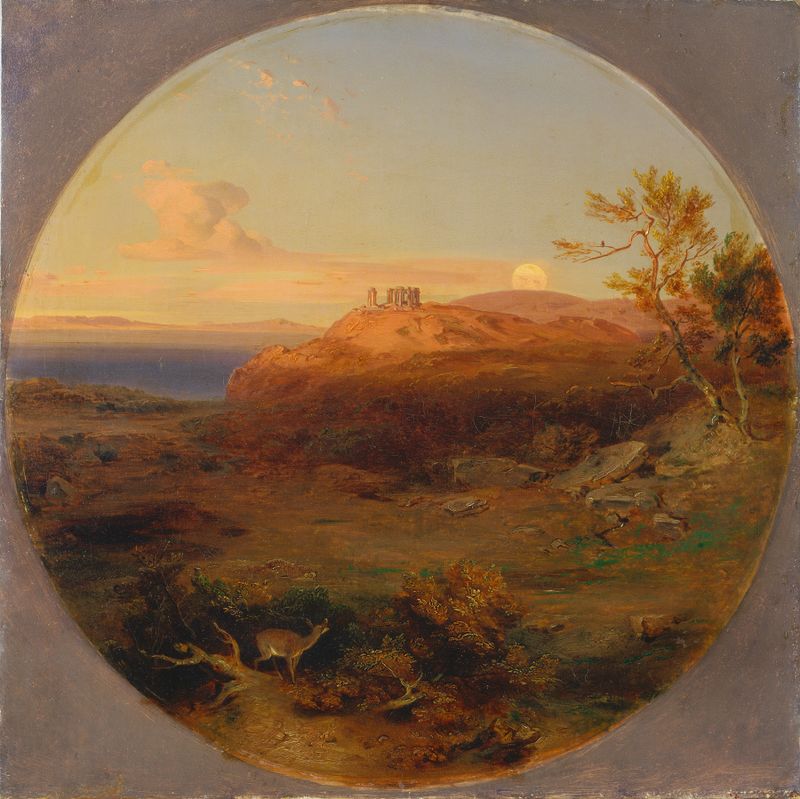
Greek Landscape on the Island of Aegina
Carl Rottmann
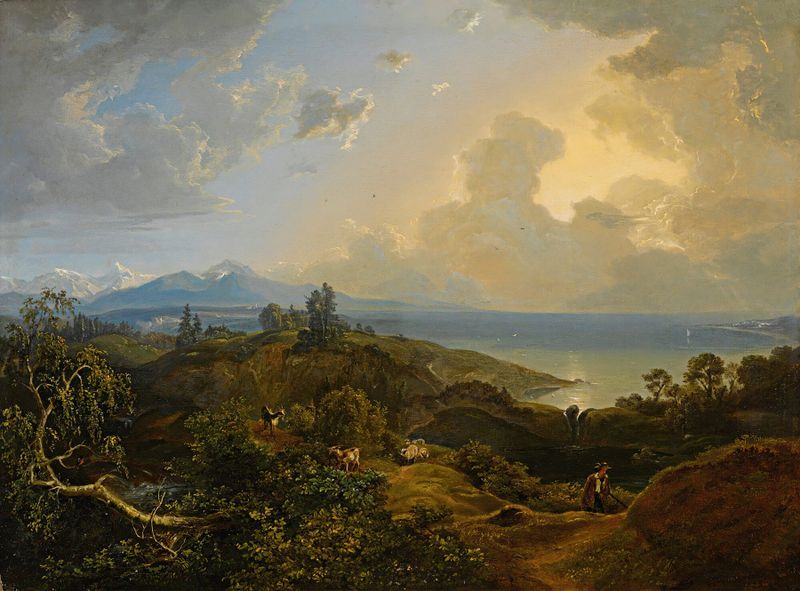
An extensive landscape in Bavaria or the Salzkammergut
Carl Rottmann
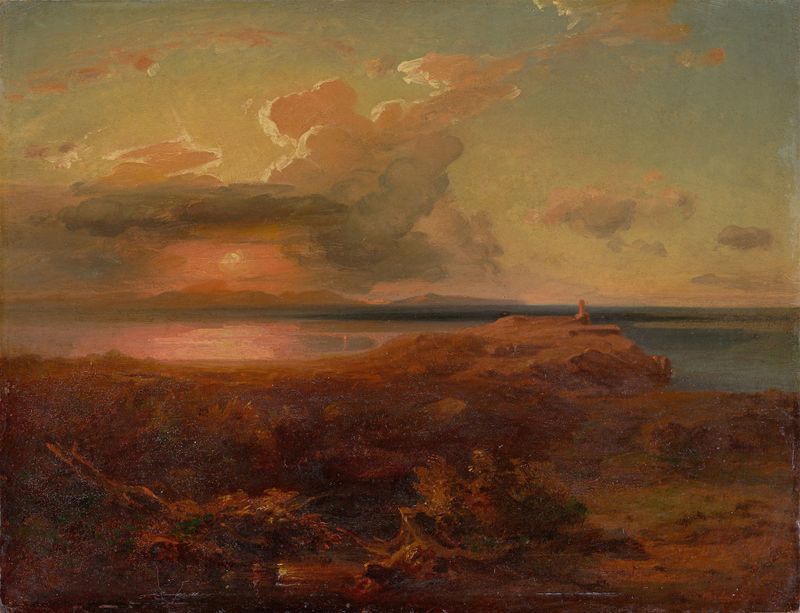
Ägina mit dem Apollotempel
Carl Rottmann

Landscape
Carl Rottmann

Die Insel Ägina mit den Ruinen des Hekatetempels
Carl Rottmann
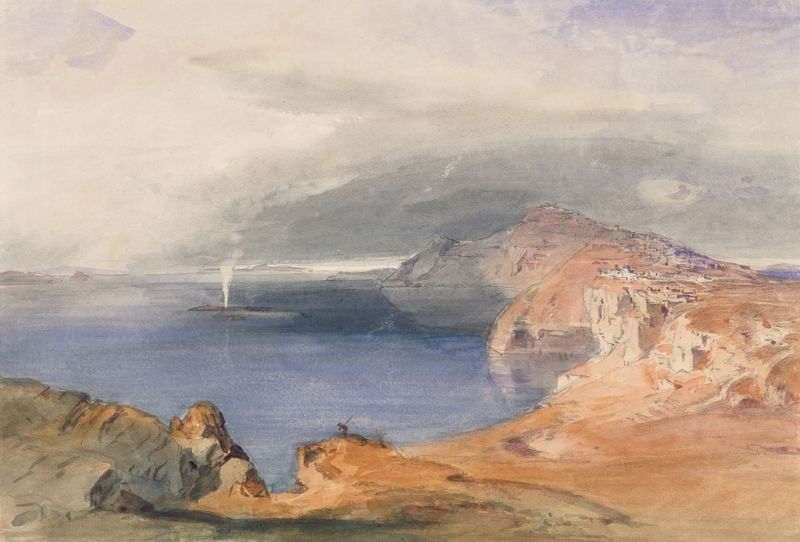
Santorini (Thira)
Carl Rottmann

Athens, seen from the well
Carl Rottmann
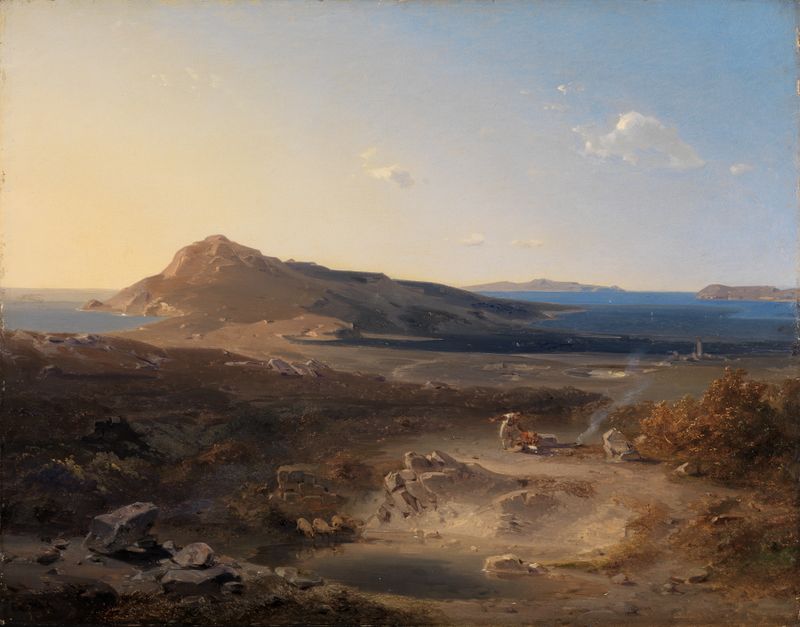
Die Insel Delos
Carl Rottmann

Olympia
Carl Rottmann





