
Sara stelt Hagar voor aan Abraham — History & Facts
In Sara stelt Hagar voor aan Abraham, the moment hangs in the air, a tension-filled scene poised at the intersection of desire and duty. The figures stand in a delicate balance, their expressions suggesting unspoken narratives, an emotional tapestry woven with the threads of longing and acceptance. Focus on the central figures: Abraham, with his contemplative gaze, stands with a sense of authority, his hand gesturing toward Hagar, whose posture radiates both humility and strength. Notice how the light cascades across the figures, highlighting their features while casting deeper shadows that speak of the complexities within their relationships.
The rich, earthy palette grounds the scene, contrasting the spiritual weight of the moment against the tangible textures of their clothing and the natural surroundings. Beneath the surface, layers of meaning emerge. The contrast between Hagar's vulnerability and Abraham’s assertive presence reflects the struggles of power dynamics and societal expectations. The subtle interplay of their expressions hints at the pain of sacrifice and the possibility of transcendent connection amidst turmoil.
This dialogue between the characters invites viewers to contemplate the broader themes of faith, acceptance, and the human condition. Georg Pencz created this work between 1541 and 1545, during a time when the Northern Renaissance was flourishing. He navigated a world where humanism and religious reform were reshaping artistic expression. As the artist explored biblical themes, he sought to convey profound narratives, reflecting both personal introspection and the cultural shifts of his era.
This painting stands as a testament to that transformative moment in art history.
More Artworks by Georg Pencz
Browse all →
Parabel van de zaaier
Georg Pencz

Parabel van de arbeiders in de wijngaard
Georg Pencz
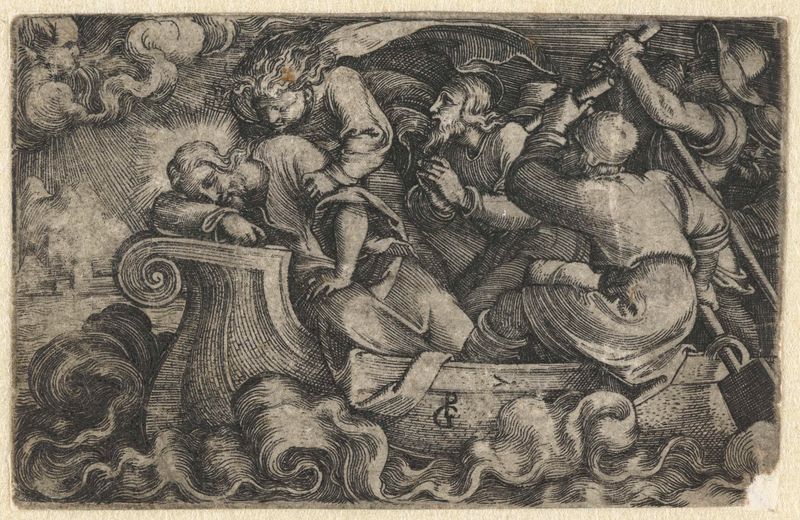
Discipelen wekken slapende Christus tijdens storm op Meer van Galilea
Georg Pencz

Afgunst (Invidia)
Georg Pencz
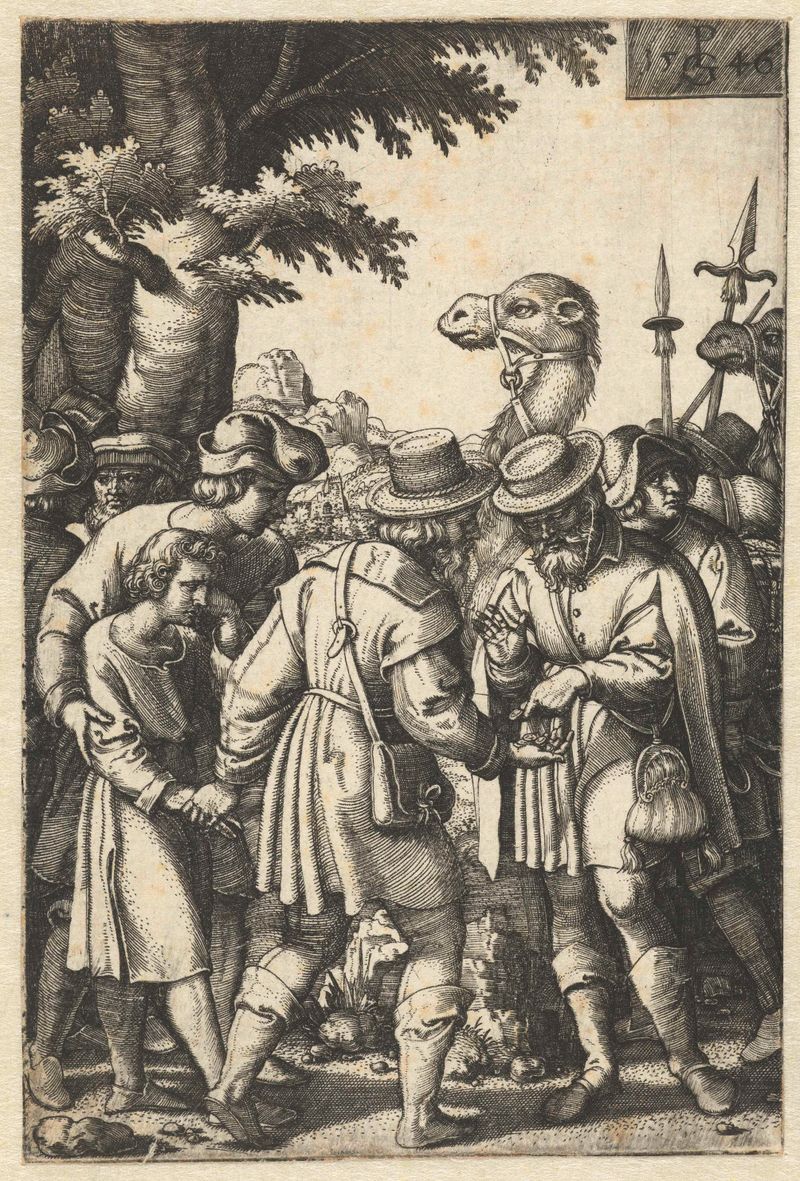
Jozef wordt verkocht aan kooplieden op weg naar Egypte
Georg Pencz

Aanbidding der koningen
Georg Pencz
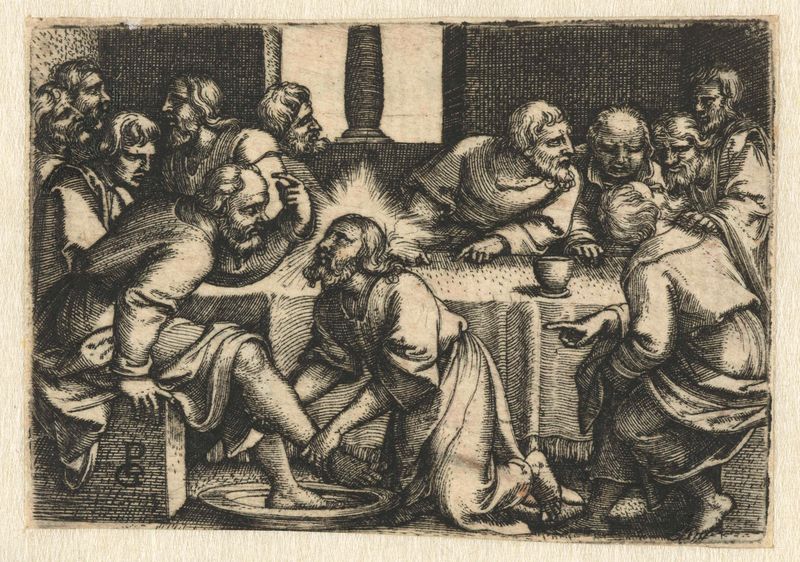
Petrus protesteert als Christus zijn voeten wast
Georg Pencz
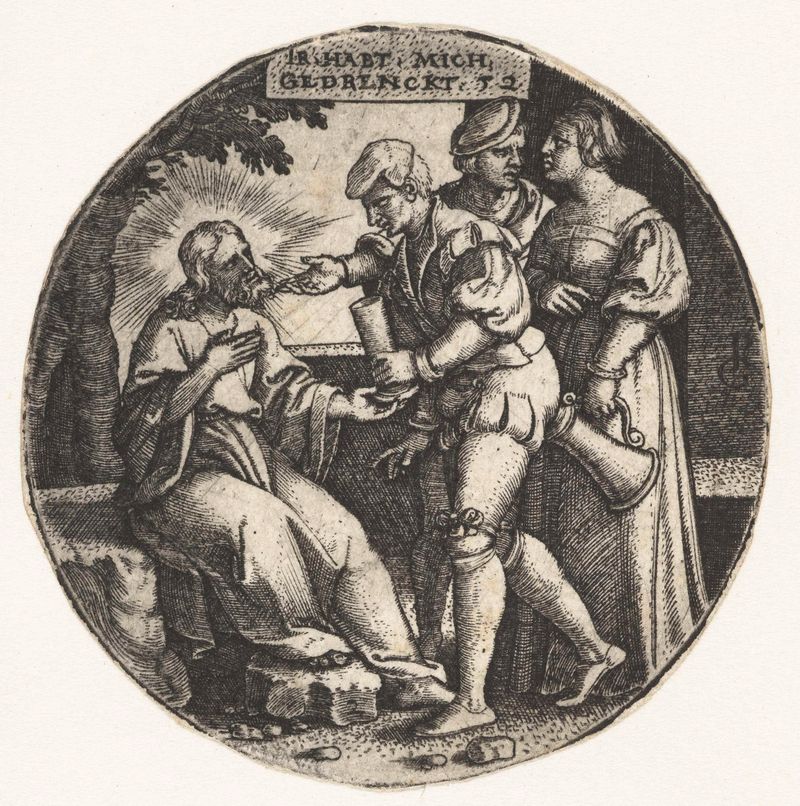
Christus heeft dorst en krijgt drinken aangeboden
Georg Pencz
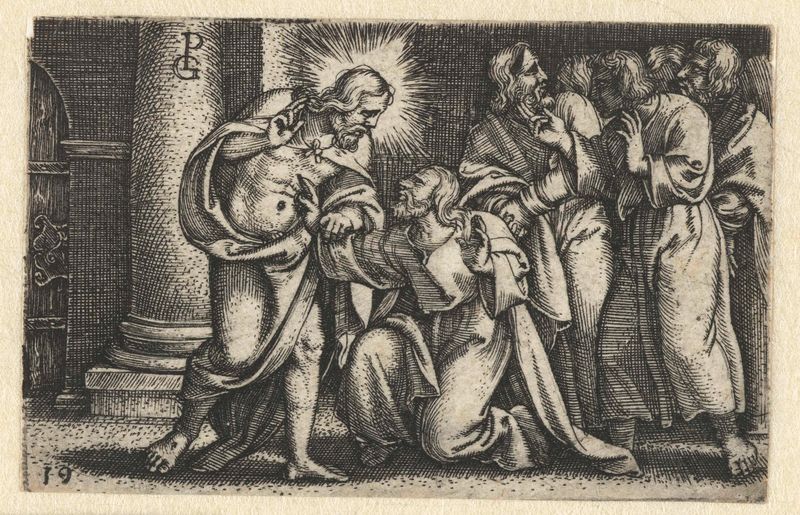
Ongelovige Thomas raakt wonden Christus aan
Georg Pencz

Offer van Abraham van Isaak
Georg Pencz
More Religious Art
Browse all →
The Return of the Prodigal Son
Rembrandt van Rijn

The Garden of Earthly Delights
El Bosco

Count Orgaz’ funeral
El Greco

The Hundred Guilder Print: the central piece with Christ preaching, the plate arched
Rembrandt van Rijn

The Descent from the Cross
Rogier van der Weyden

The return of the prodigal son
Rembrandt van Rijn