
Saraband — History & Facts
Can beauty exist without sorrow? This question lingers like a haunting melody, echoing through the quiet spaces of our hearts, inviting introspection and awakening. Look closely at the delicate lines and soft, muted colors that grace the canvas. Notice how the intertwining forms create a gentle rhythm, drawing your eye toward the focal point in the center—a figure poised in a moment of fleeting grace. The ethereal quality of the composition is amplified by Haskell's use of light; it dances softly across the surfaces, illuminating subtle textures that evoke both fragility and resilience.
Each stroke feels intentional, conveying a sense of longing that permeates the work. Within the tender embrace of the figures lies a profound emotional tension. The juxtaposition of movement and stillness encapsulates the dualities of joy and melancholy, suggesting that life’s most beautiful moments are often tinged with sadness. The figure, almost suspended in time, embodies a longing for connection, while the surrounding forms seem to swirl in a dance of unfulfilled aspirations.
This intricate layering invites viewers to delve deeper, contemplating the transience of beauty and the human experience. In 1919, Haskell painted this piece during a tumultuous period marked by the aftermath of World War I. Living in a world grappling with grief and loss, he sought to convey the complexity of emotions that arise from such experiences. While navigating the changing art landscape of the early 20th century—where traditional forms were being redefined—Haskell emerged as a voice of introspection, using Saraband to explore the interplay of beauty and sorrow in his work.
More Artworks by Ernest Haskell
Browse all →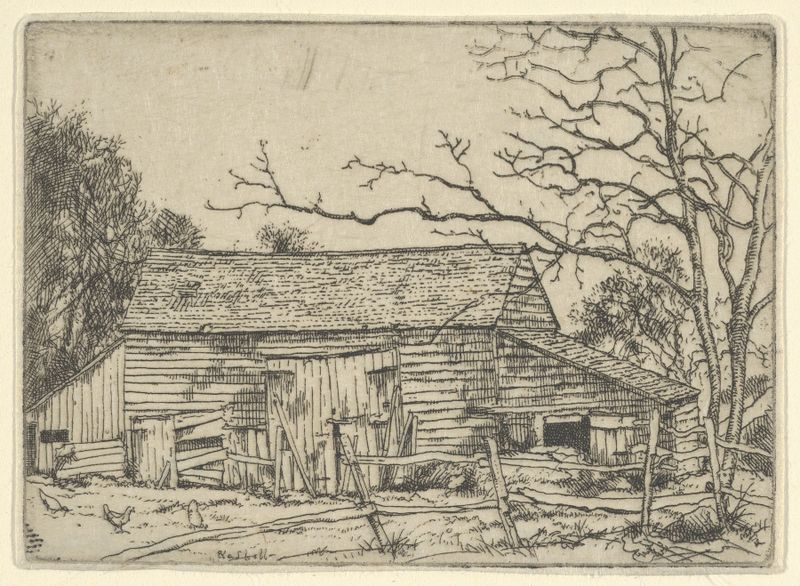
The Barn–Staten Island, N.Y.
Ernest Haskell

Four Live Oaks
Ernest Haskell
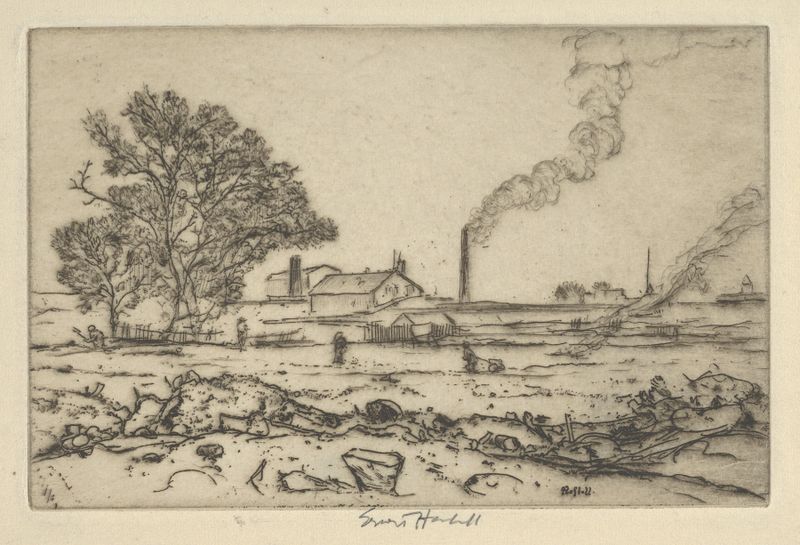
Outskirts of Boston
Ernest Haskell
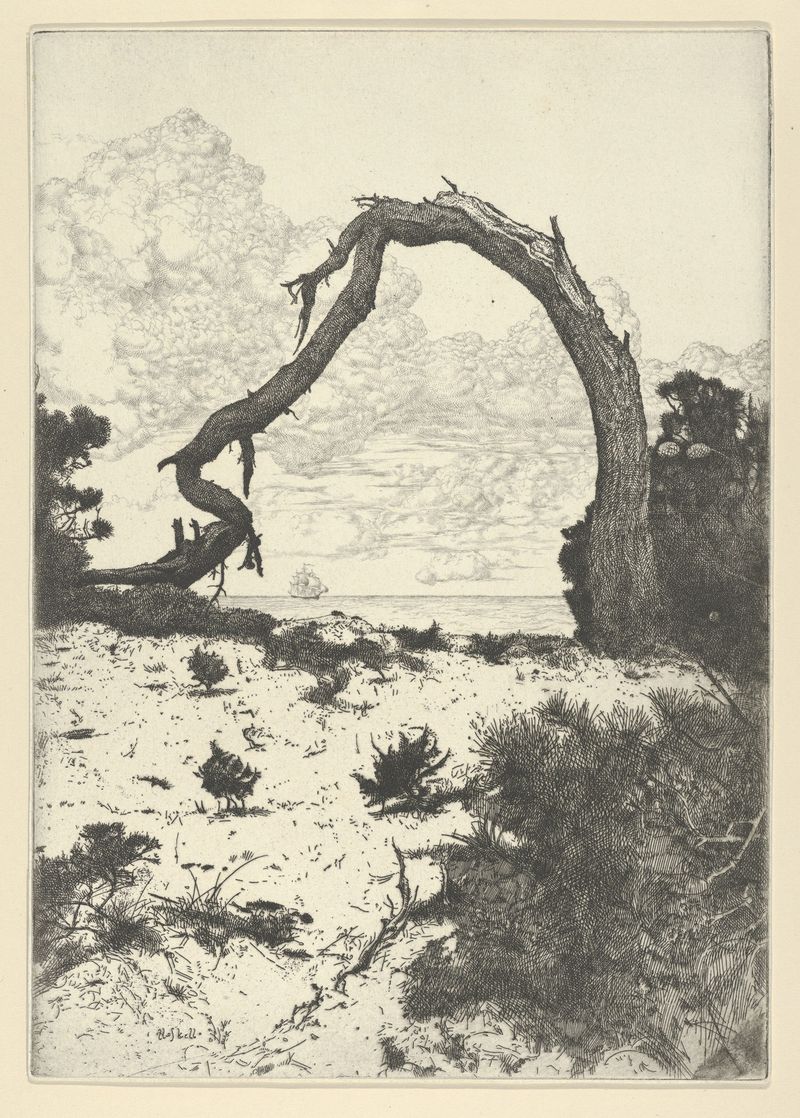
Pine Arch
Ernest Haskell

General Sherman
Ernest Haskell
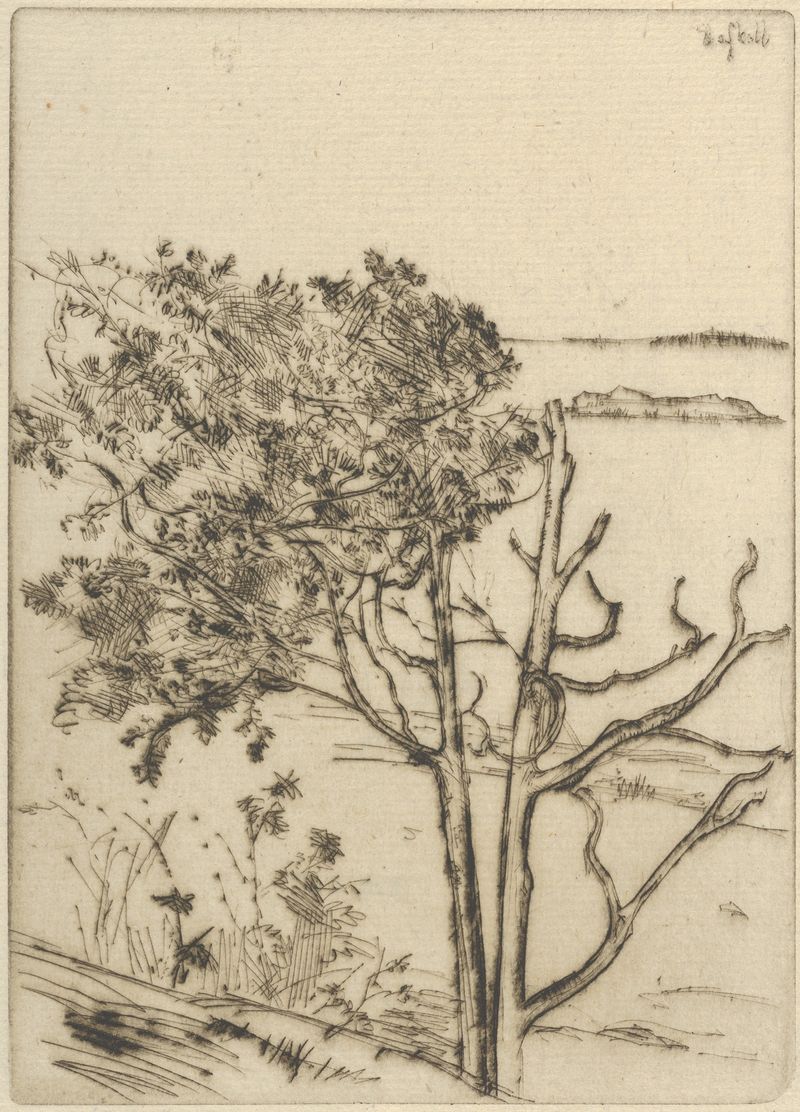
Ragged Tree – Maine
Ernest Haskell

Tide Mill
Ernest Haskell

Ship Building
Ernest Haskell
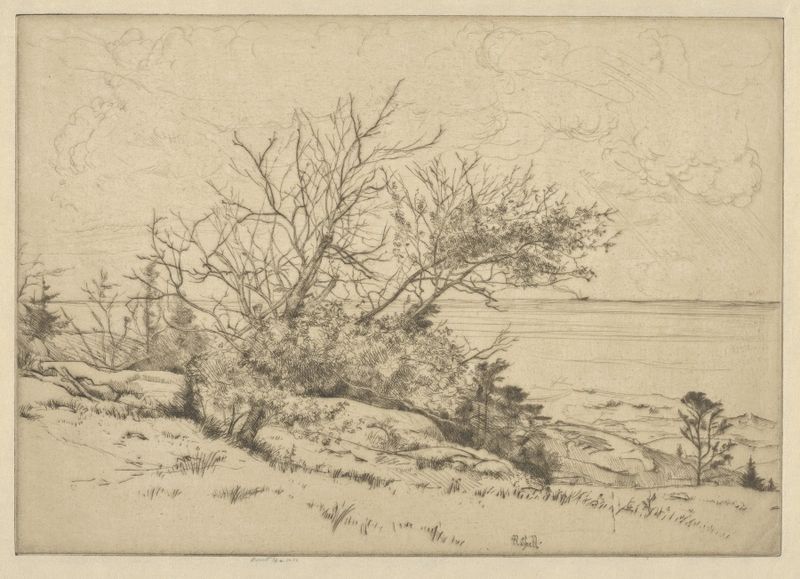
To the Southward – Ragged Island, Me.
Ernest Haskell
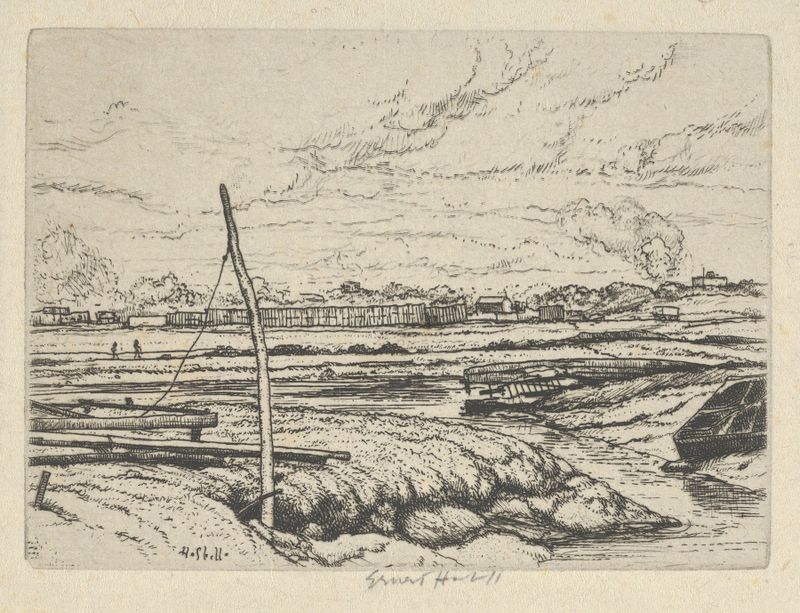
Long Island Marshes
Ernest Haskell





