
Satta toge no Fuji (Mt Fuji from Satta Pass) — History & Facts
In this exquisite portrayal, the essence of memory and landscape intertwines with the fleeting moments that nature beholds. Here, the viewer is invited to linger, to reflect on both the permanence of Mt. Fuji and the ephemeral beauty of the surrounding scenery. Look to the horizon, where Mt.
Fuji rises majestically against a soft gradient of dusk. The delicate brushwork captures the contours of the mountain, each stroke infused with an almost ethereal quality. Notice how the muted blues and purples blend seamlessly, while the subtle hints of orange and pink in the sky suggest the last embrace of daylight.
The composition draws your eye upward, creating a harmonious balance between the towering peak and the gentle, undulating landscape below. Within the tranquil scene lies a tension between permanence and transience. The steadfastness of Fuji contrasts sharply with the wispy clouds drifting across the sky, evoking the fleeting nature of time. Additionally, the soft textures of the foliage in the foreground serve as a reminder of life’s fragility, inviting the viewer to contemplate the interplay of presence and absence.
Each element is not merely decorative but imbued with deeper significance, reflecting a meditative understanding of the world. Kawase Hasui painted Satta toge no Fuji in 1935, during a period marked by a resurgence of interest in traditional Japanese landscapes amidst the modernizing forces of the era. Residing in Tokyo, he was inspired by his travels and the beauty of the natural world, as well as the evolving dynamics in art. This work reflects a moment of introspection, where an artist embraces both nostalgia and innovation, capturing a timeless essence that continues to resonate.
More Artworks by Kawase Hasui
Browse all →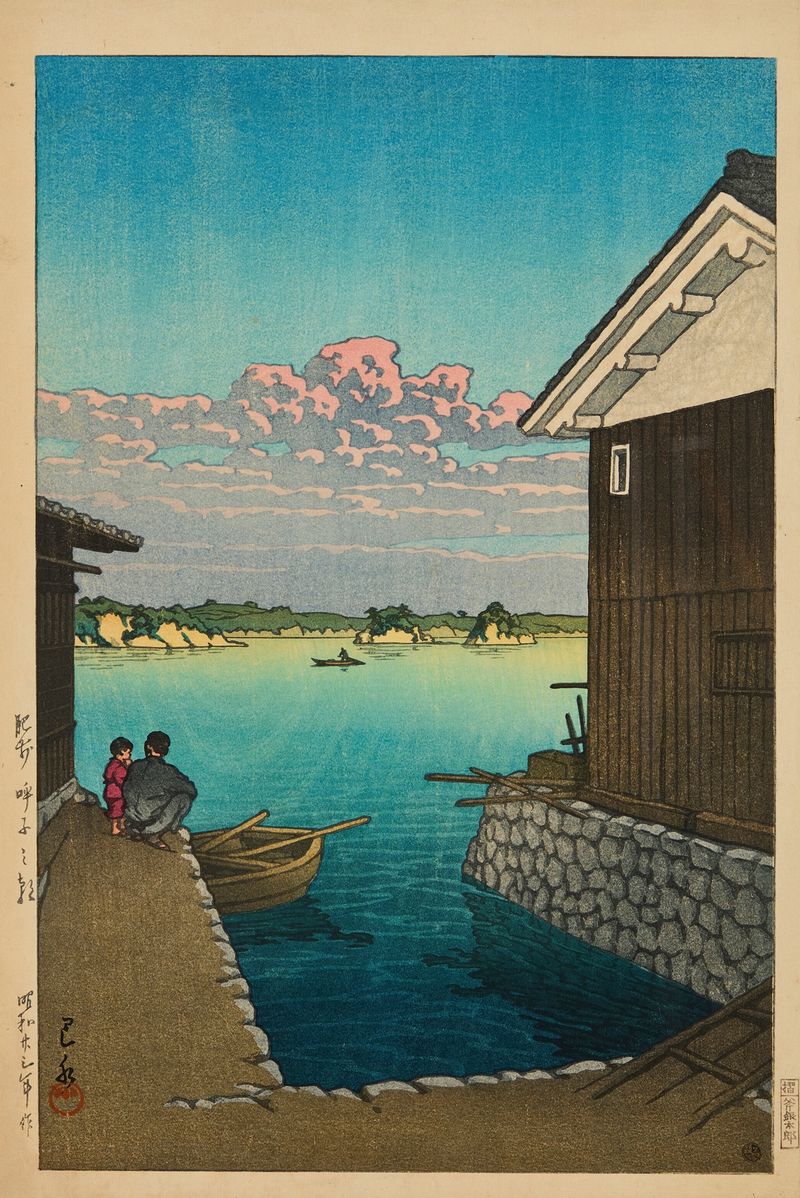
Hizen Yobuko no asa (Morning in Yobuko, Hizen)
Kawase Hasui
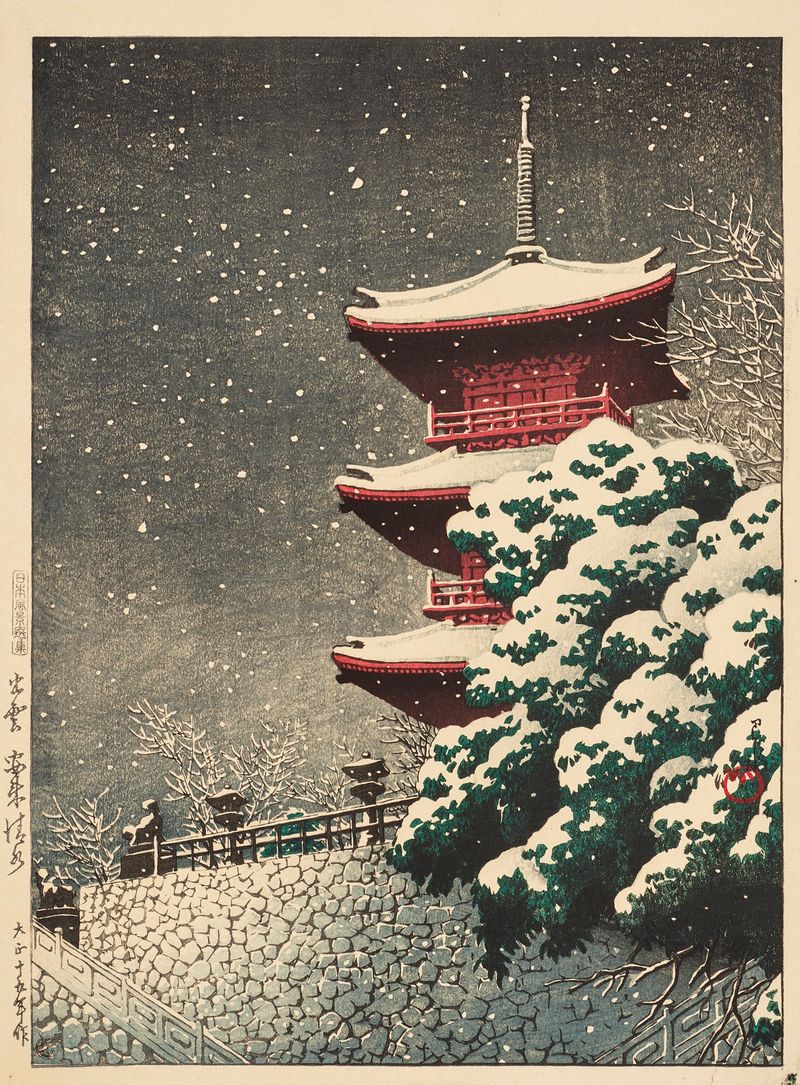
Izumo, Yasugi Kiyomizu (Yasugi Kiyomizu Temple at Izumo)
Kawase Hasui
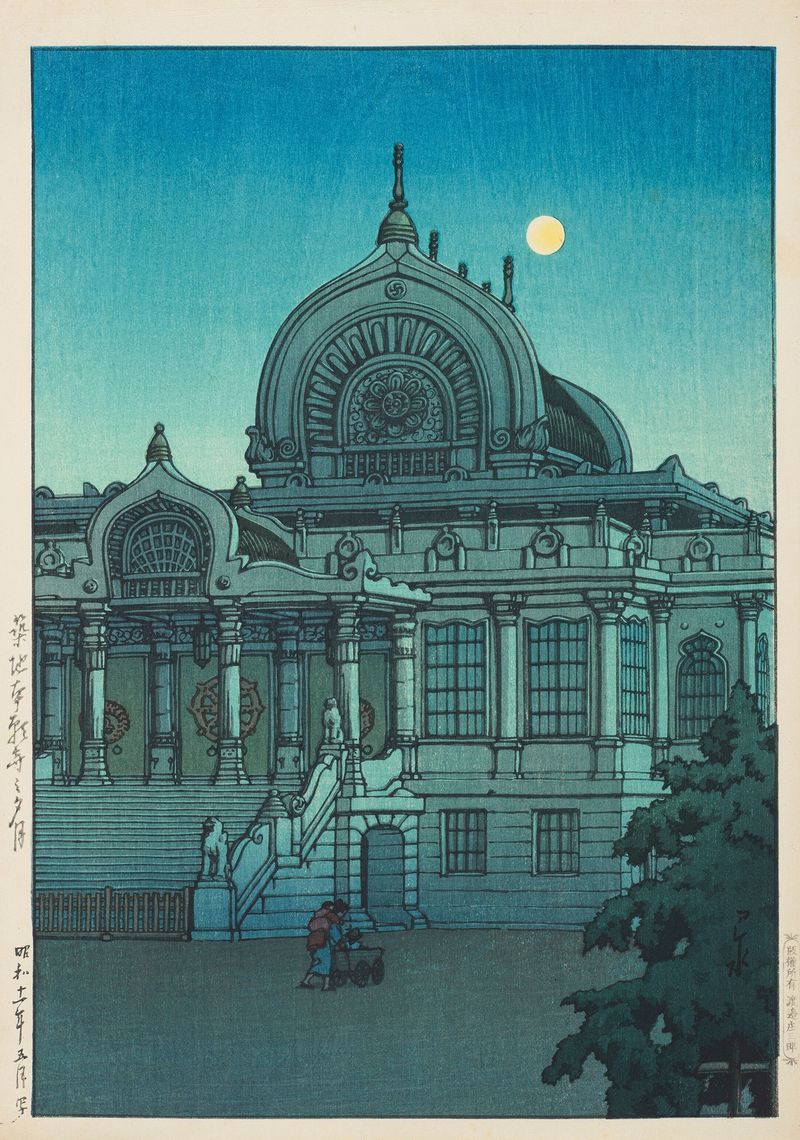
Tsukiji Honganji no yuzuki (Evening moon at Honganji Temple in Tsukiji)
Kawase Hasui
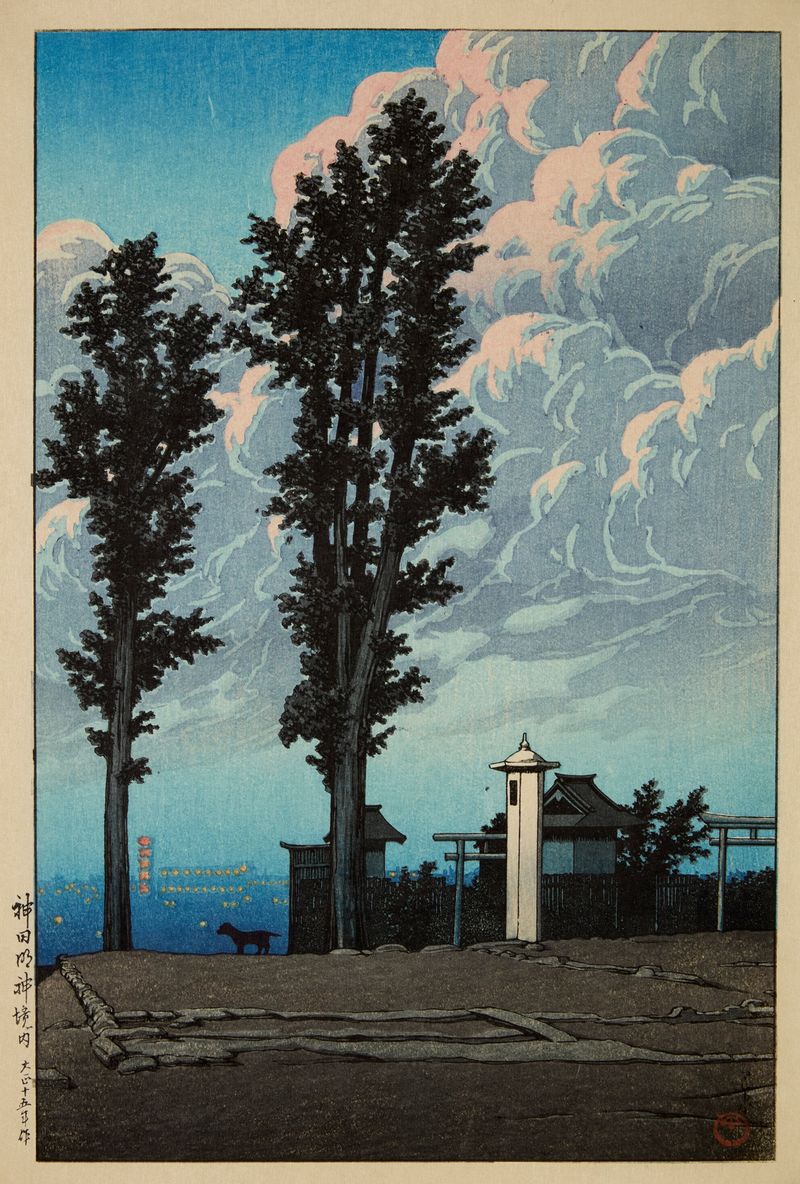
Kanda Myojin keidai (Kanda Myojin Shrine precent)
Kawase Hasui
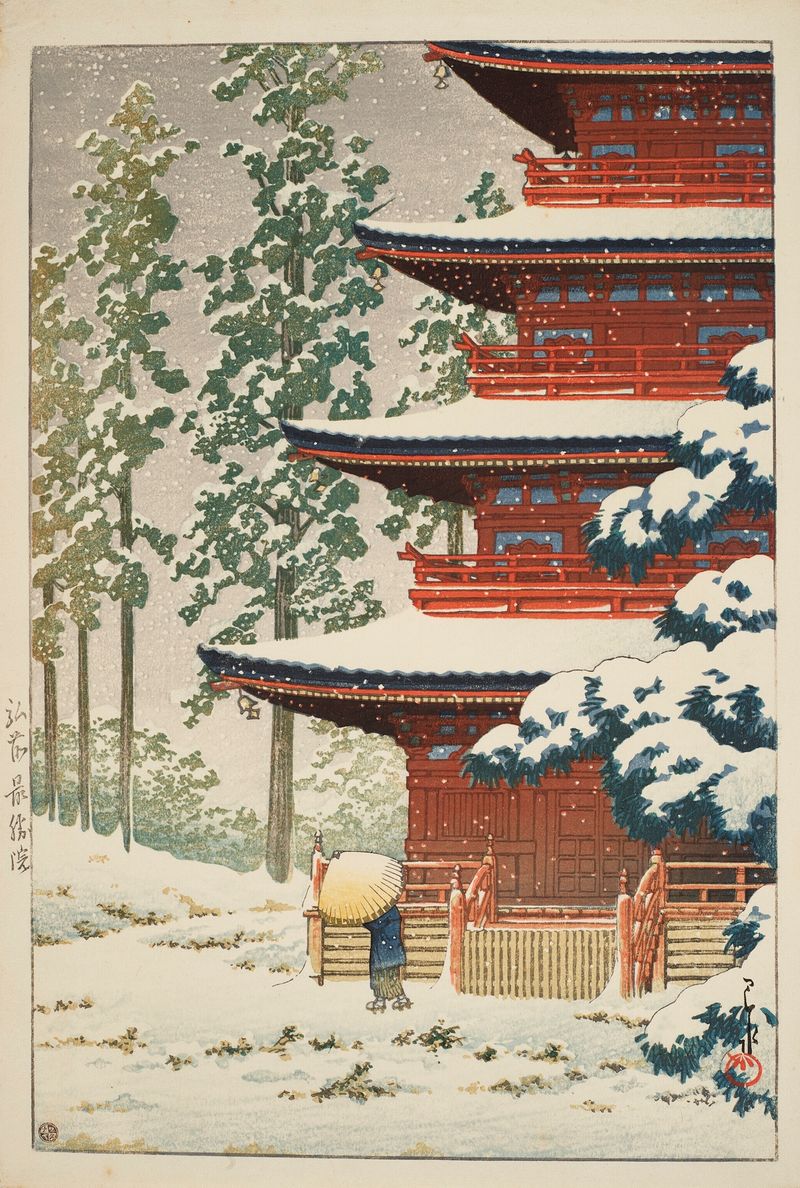
Saisho-in Temple, Hirosaki
Kawase Hasui
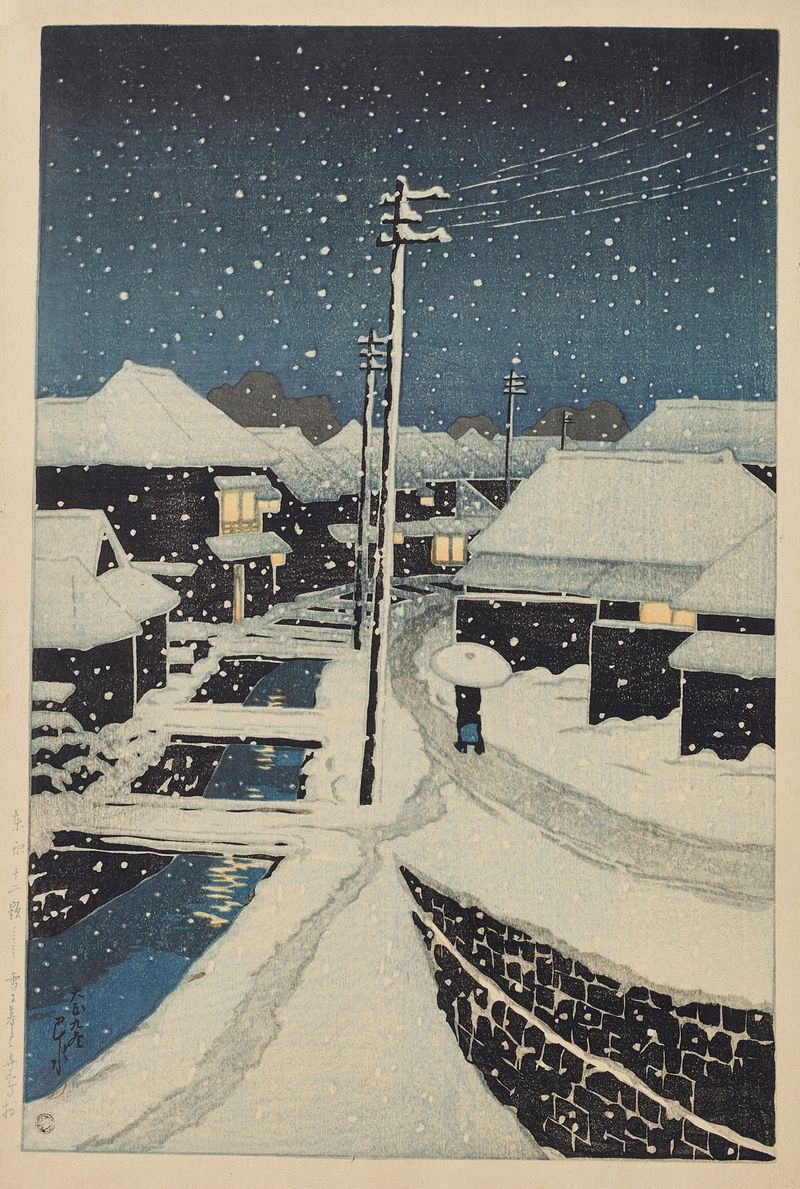
Yuki ni fururu Terajima mura (Evening snow at Terajima Village)
Kawase Hasui
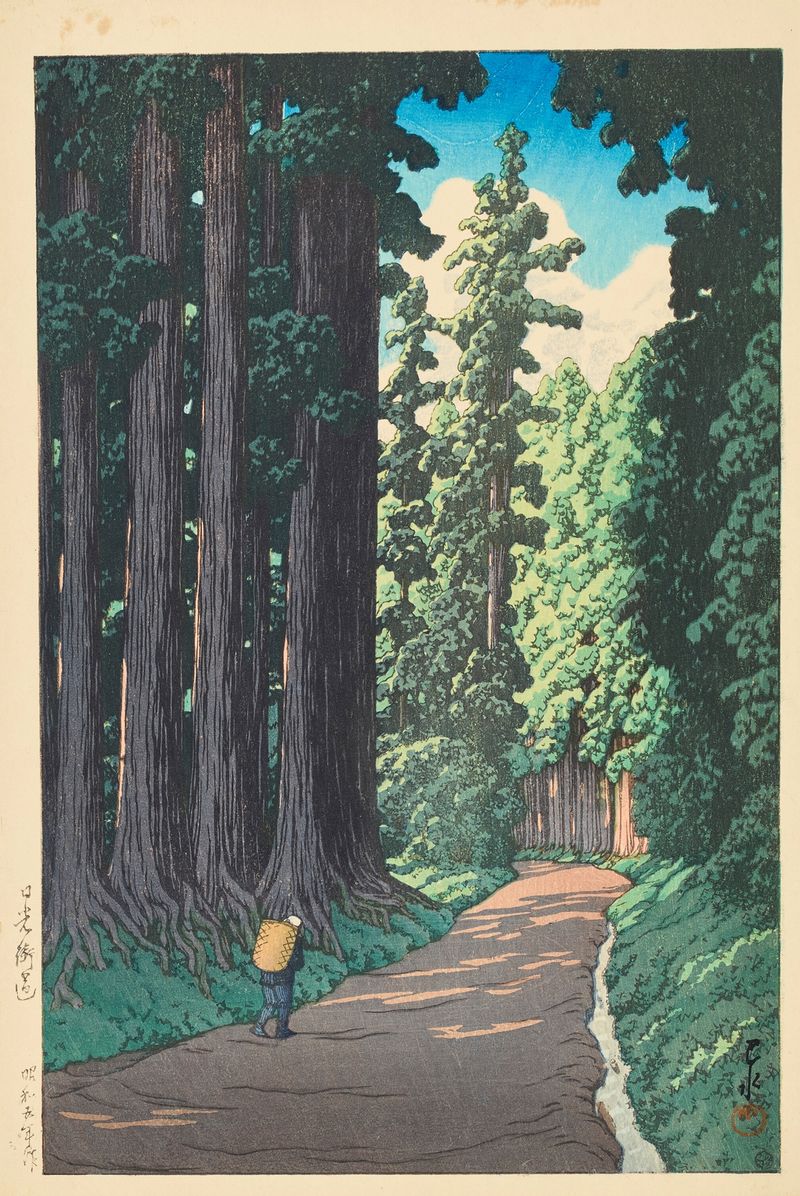
Nikko gaido (The Road to Nikko)
Kawase Hasui
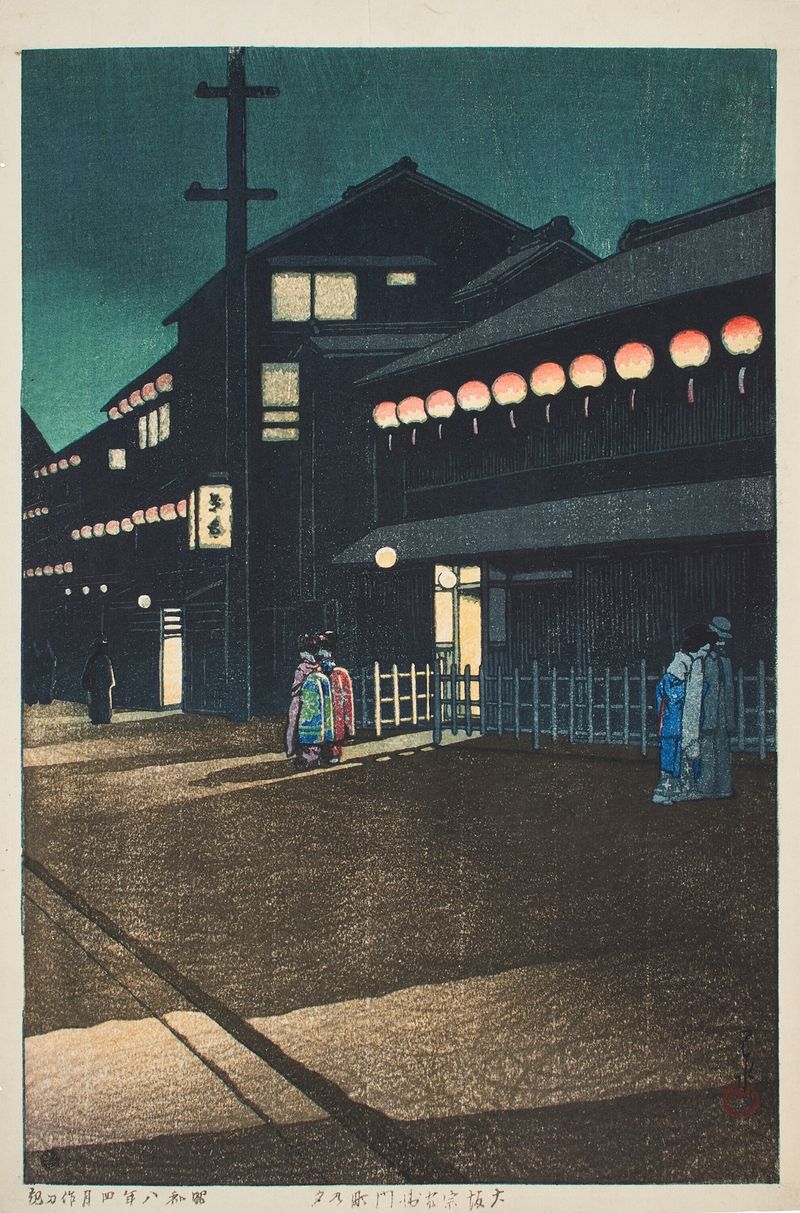
Osaka Soemon-cho no yu (Evening in Soemon-cho, Osaka)
Kawase Hasui
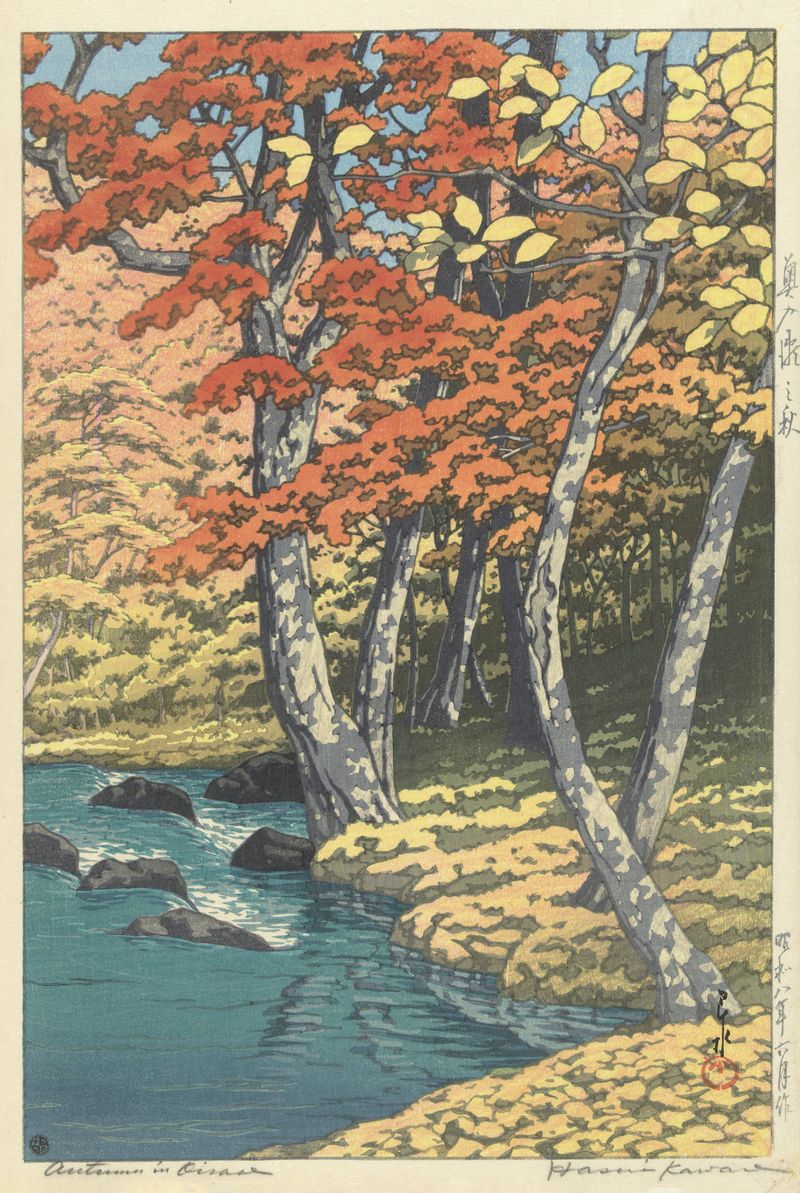
Autumn In Oirase
Kawase Hasui
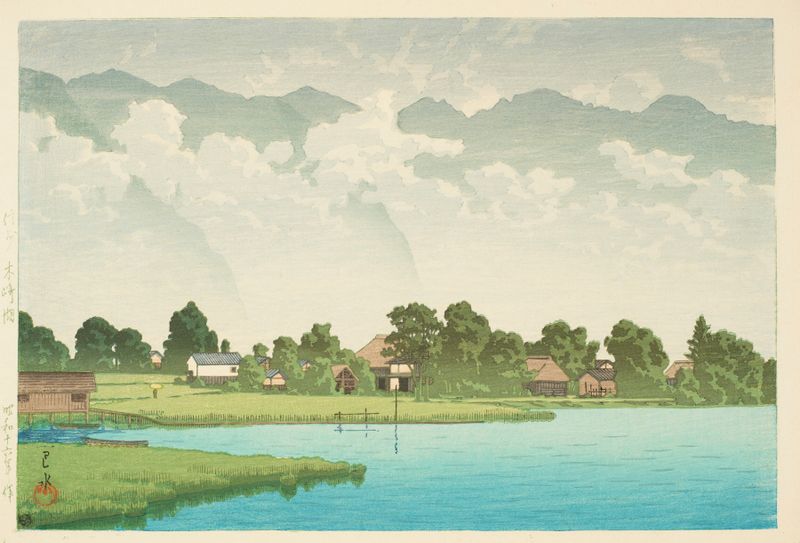
Shinshu Kizakiko (Kizaki Lake in Shinshu)
Kawase Hasui





