Discover insights about this artwork
Satyr blazend op een hoorn — History & Facts
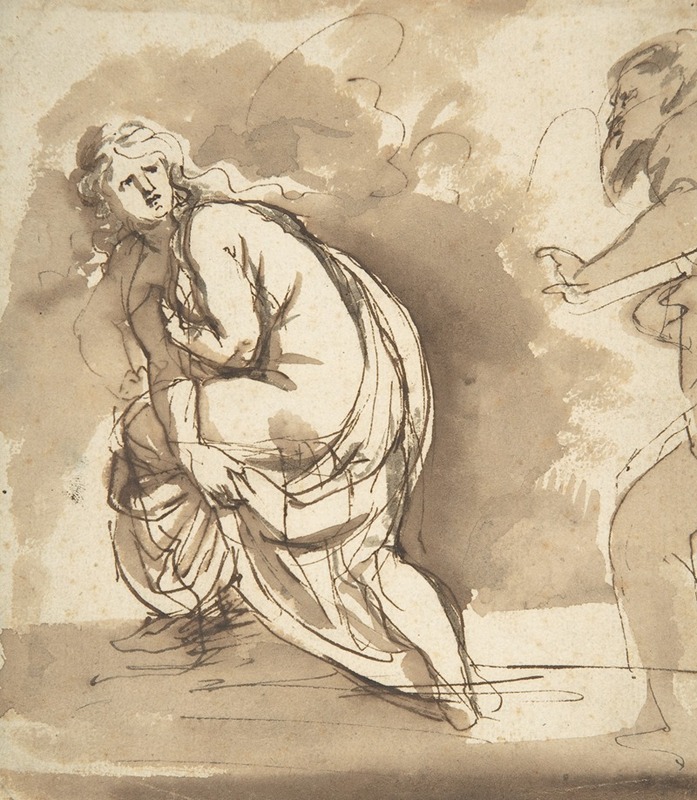
Can beauty exist without sorrow? In Satyr blazend op een hoorn, the viewer is drawn into a world where the ethereal and the grotesque coexist, challenging our perceptions of joy and despair. Look closely at the satyr, perched atop a sturdy rock, the horn held triumphantly aloft. His skin, a warm, earthy tone, contrasts sharply with the cool, shadowed background. Notice the intricate detail of his form—the heavy brow, the twist of his wild hair, and the defiant curl of his lips.
Each stroke reveals Beham's careful craftsmanship, and the vibrant colors—rich greens and deep browns—add depth to this curious celebration. The horn gleams, catching the light, symbolizing both triumph and the unsettling edge of nature’s wildness. Beneath the playful facade of the satyr lies a complex interplay of themes. The figure’s joyous sound, emanating from the horn, seems to echo celebration, yet the tension in his pose suggests a lurking sadness.
The absence of other figures amplifies the satyr's isolation, hinting at the void of companionship often found in revelry. This duality reflects the intricacies of human experience, where beauty can mask profound loneliness and the quest for belonging. Hans Sebald Beham painted this work between 1510 and 1550, during a time of significant change in Northern Europe. Influenced by the rise of humanism and the northern Renaissance, Beham was known for his engravings and small-scale paintings.
This period marked a growing interest in classical mythology and naturalistic forms, which would have permeated the artistic atmosphere he inhabited, allowing him to explore the tension between joy and sorrow through his captivating imagery.
More Artworks by Hans Sebald Beham
Mars met sterrenbeelden Ram en Schorpioen
Hans Sebald Beham
Achilles in gevecht met Hector
Hans Sebald Beham
Fortuna
Hans Sebald Beham
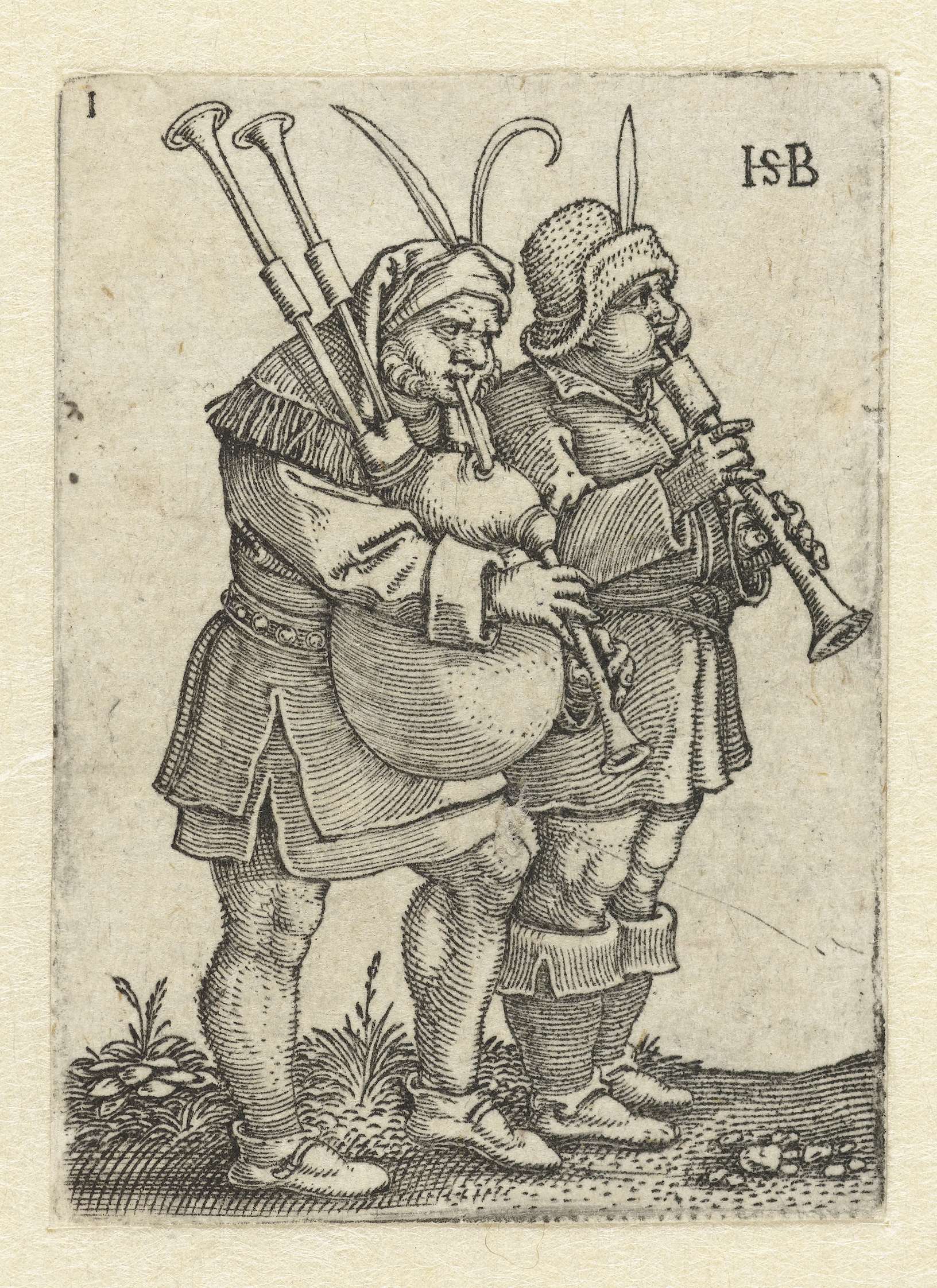
Twee muzikanten met schalmey en doedelzak
Hans Sebald Beham
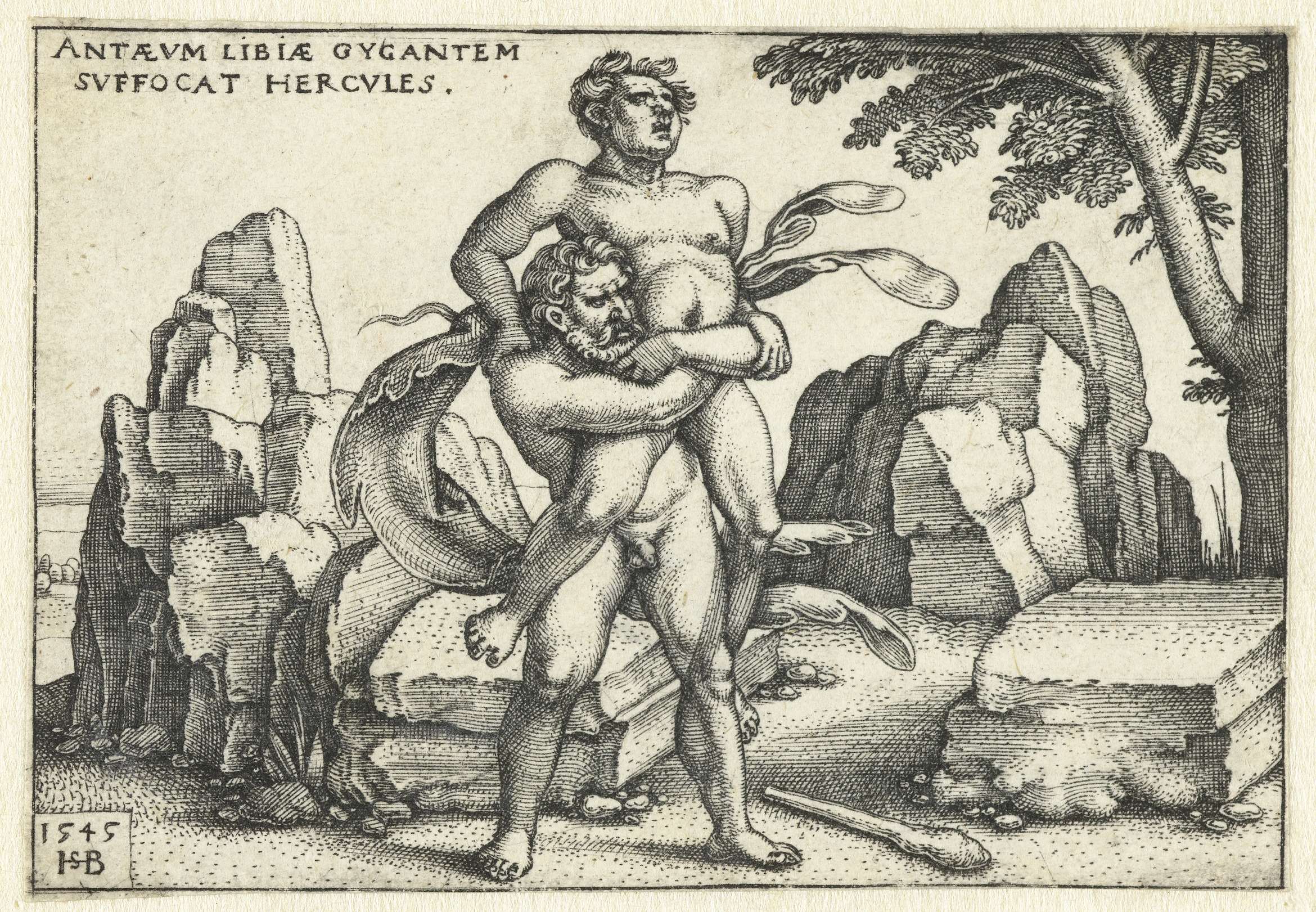
Hercules worstelt met Antaeus
Hans Sebald Beham
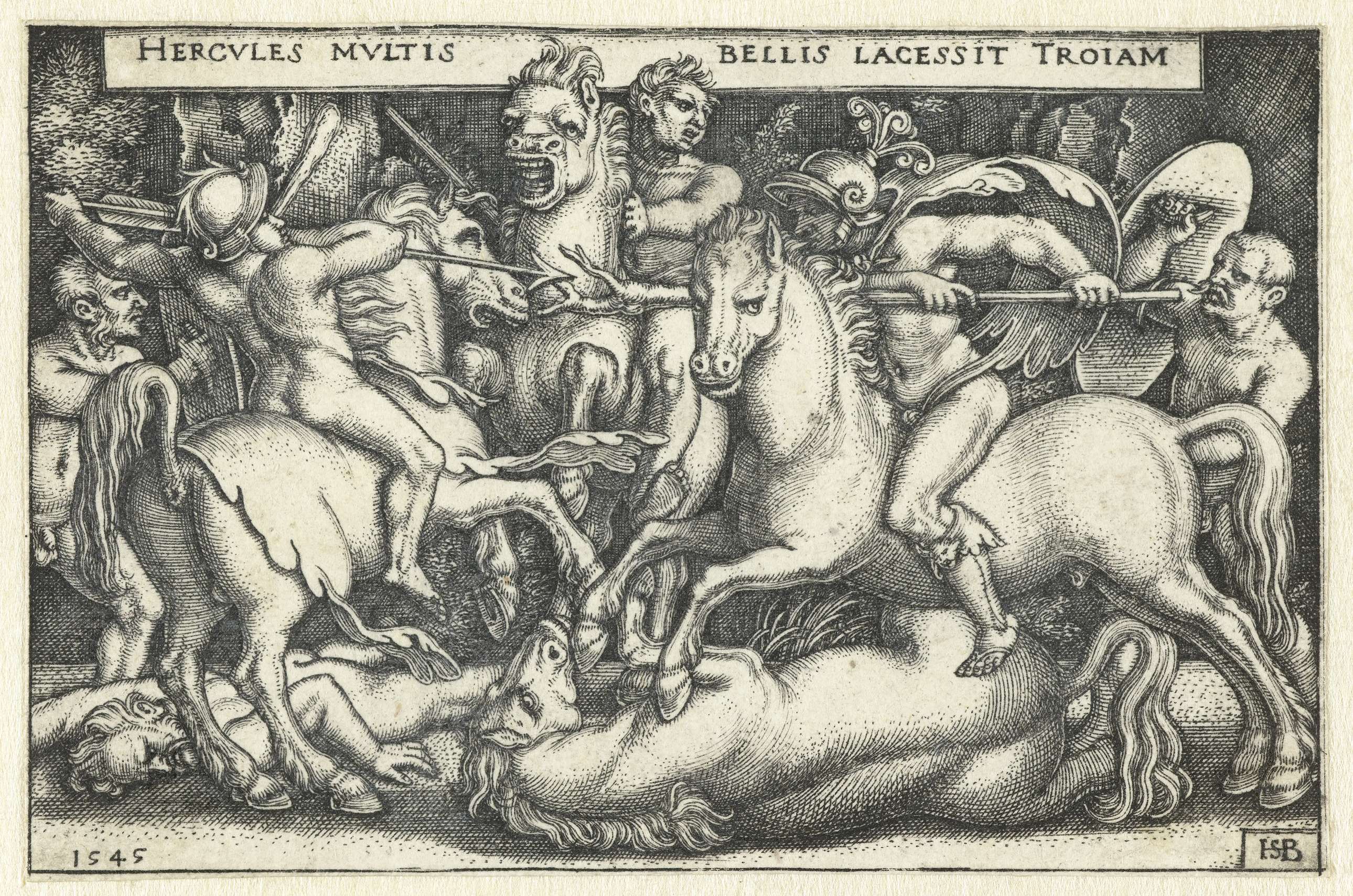
Hercules in gevecht met de Trojanen
Hans Sebald Beham
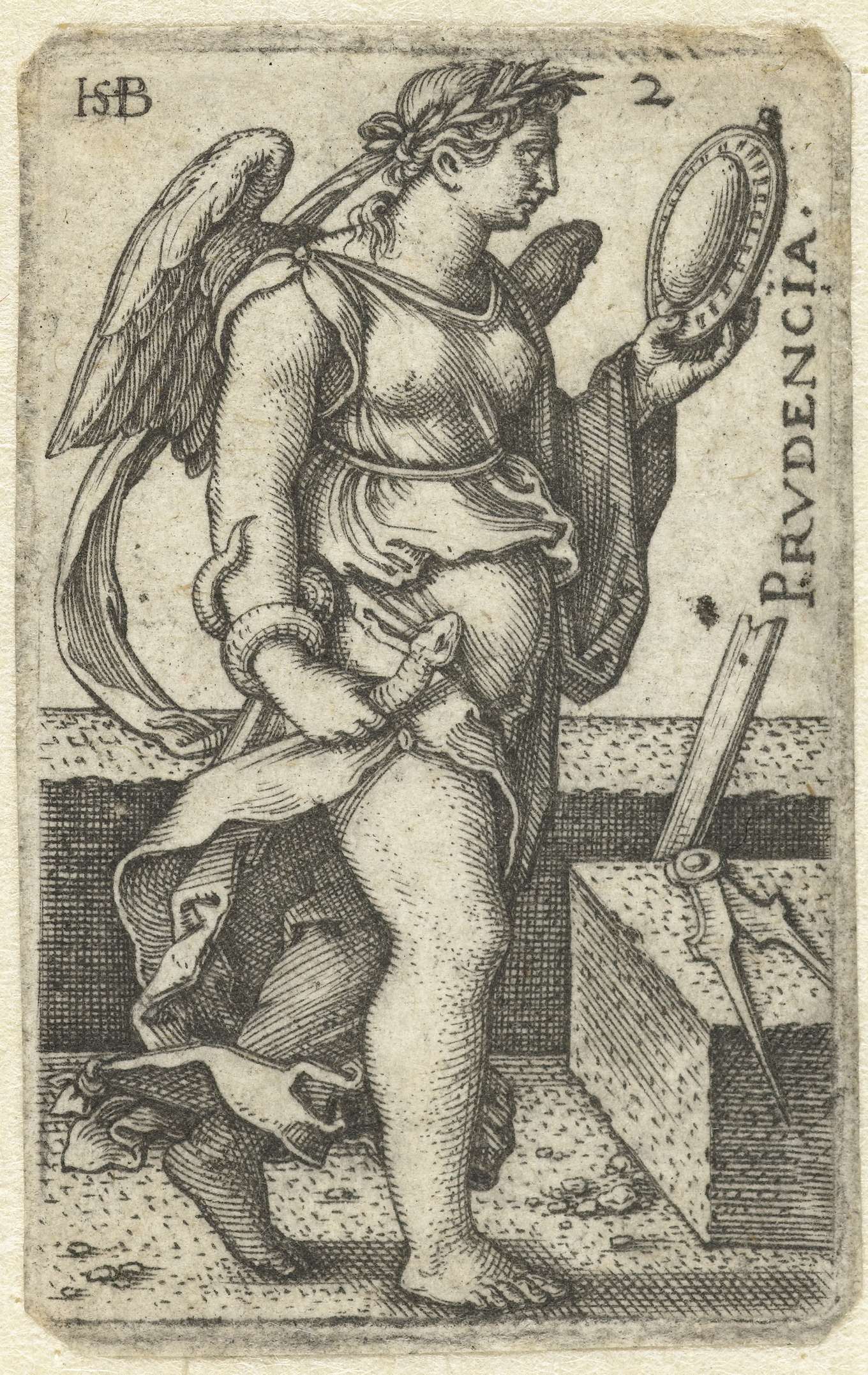
Voorzichtigheid (Prudentia)
Hans Sebald Beham
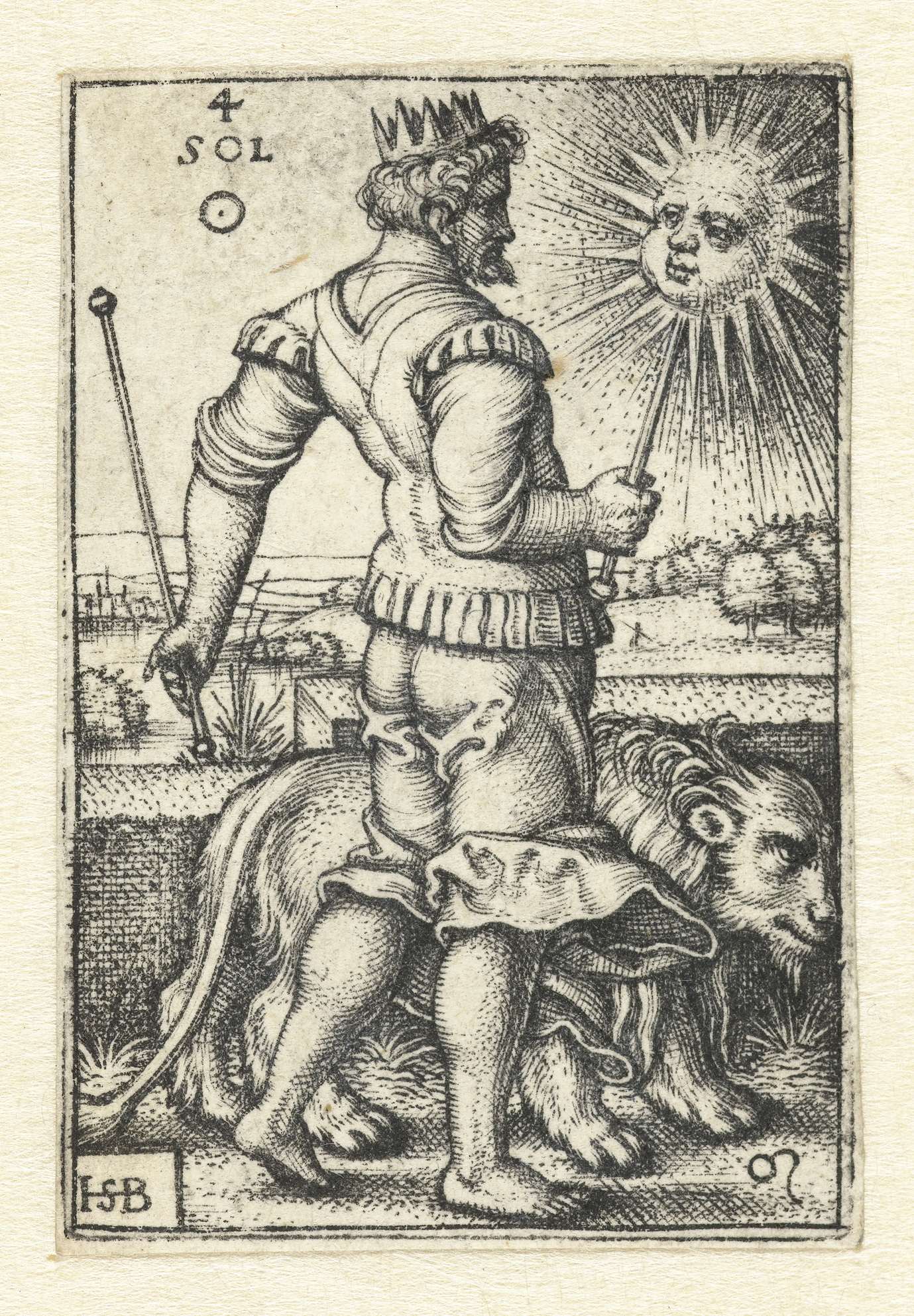
Apollo (Sol) met sterrenbeeld Leeuw
Hans Sebald Beham
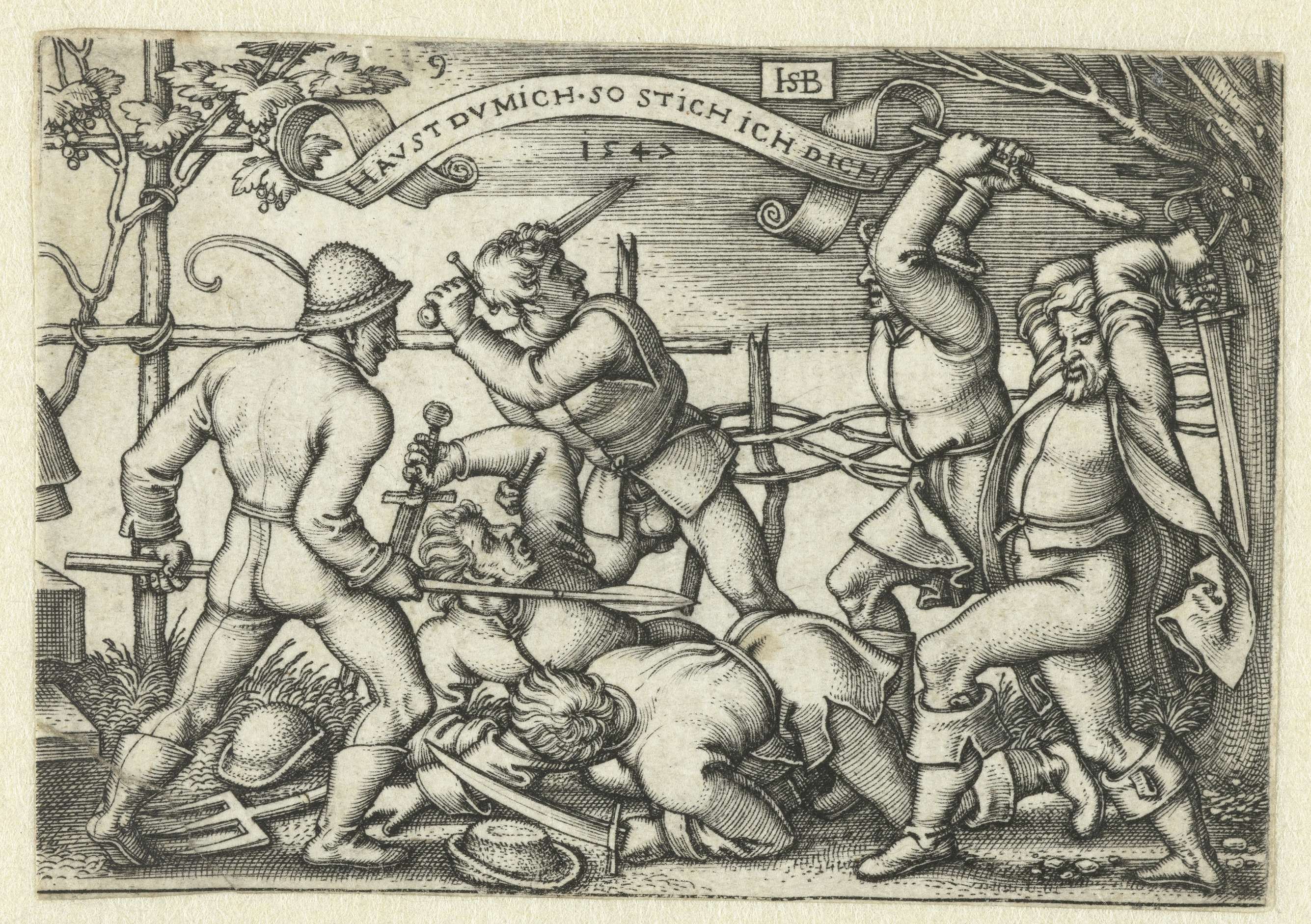
Vechtende boeren met zwaarden
Hans Sebald Beham
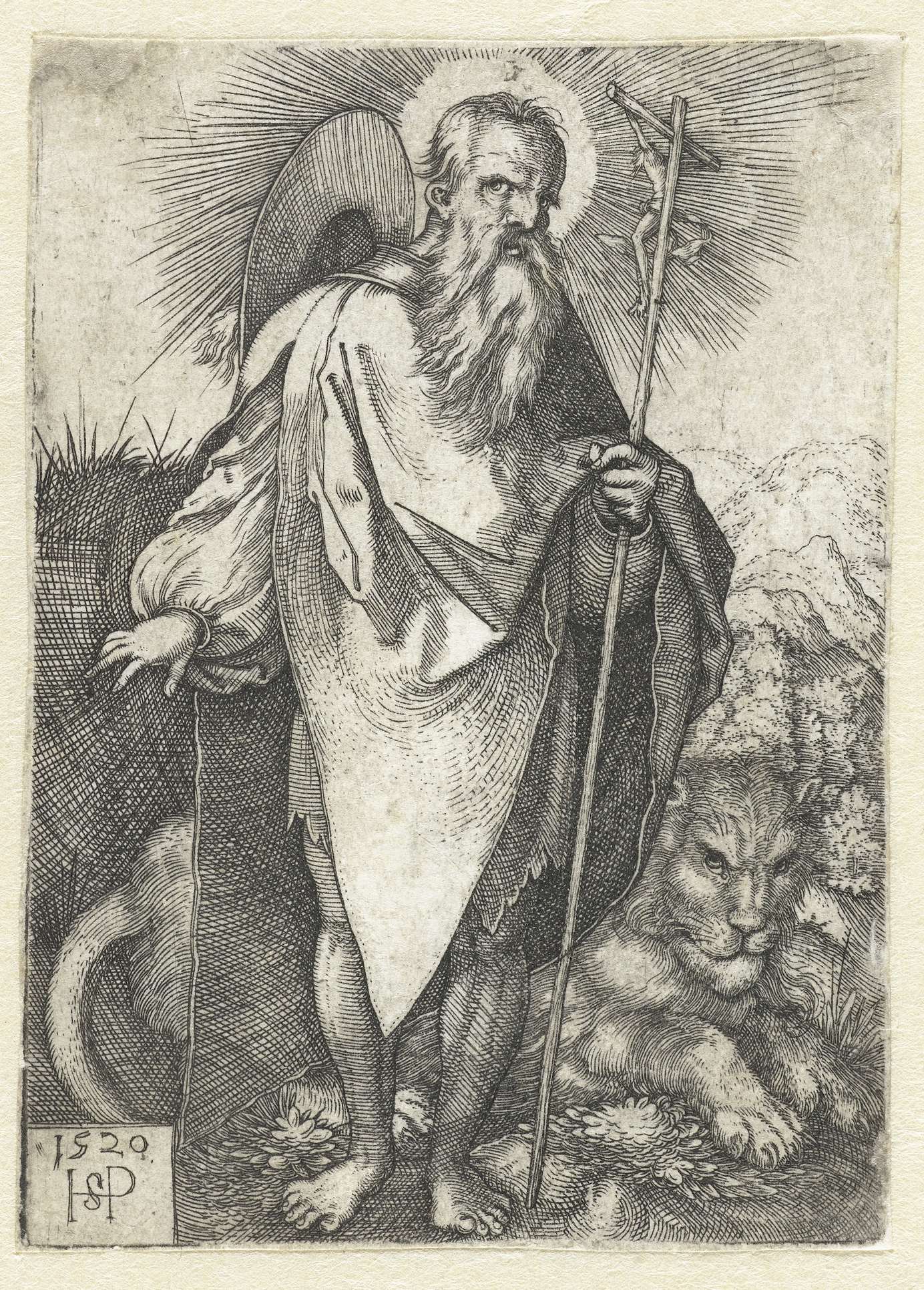
Heilige Hieronymus staand met crucifix en leeuw
Hans Sebald Beham