
Sawmill of M. Maire, near Besançon — History & Facts
In a world where innocence often flitters away, the quietude of nature stands as a steadfast refuge. As if protecting a fragile secret, the landscape invites us to linger, to seek out the purity nestled within its embrace. Look to the foreground where the sawmill, with its rustic wooden beams, emerges from the foliage. The soft browns and greens dominate, yet subtle hints of blue and gold dance in the interplay of light filtering through the leaves.
Notice how the brushstrokes are both thick and delicate, capturing the texture of the tree bark and the smoothness of the water flowing nearby, guiding the viewer’s eye deeper into the painting’s tranquil heart. Rousseau’s work resonates with contrasts; the industrious sawmill juxtaposes the untouched beauty of nature surrounding it. This tension reflects a deeper narrative — the encroachment of human activity upon an innocent landscape. The serenity of the scene, punctuated by the gentle sound of water, evokes a longing for harmony between man and nature, an elegy for the simplicity that is slowly fading away. In 1825, Rousseau painted this scene while living near Paris, part of a movement that sought to capture the raw beauty of the French countryside.
This period was marked by a growing appreciation for realism and nature in art, as artists like him sought to break from the constraints of romantic idealism. His works during this time were characterized by a deep emotional connection to the landscapes, revealing his desire to preserve the innocence found within them amidst the changing tides of society.
More Artworks by Théodore Rousseau
Browse all →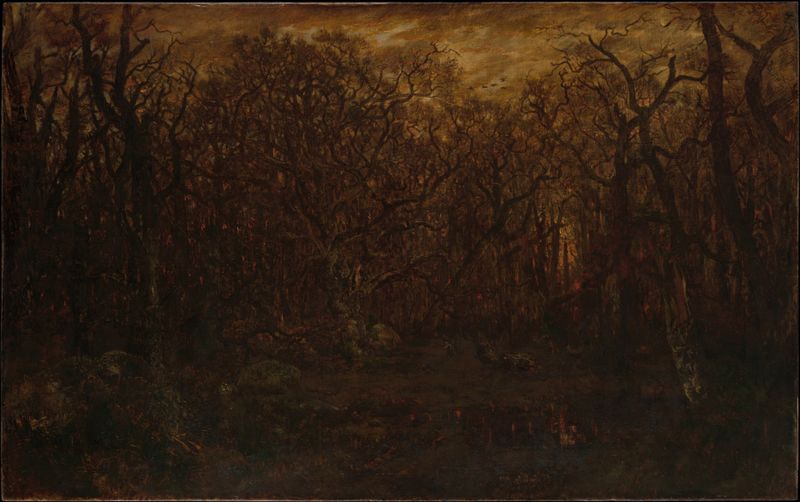
The Forest in Winter at Sunset
Théodore Rousseau
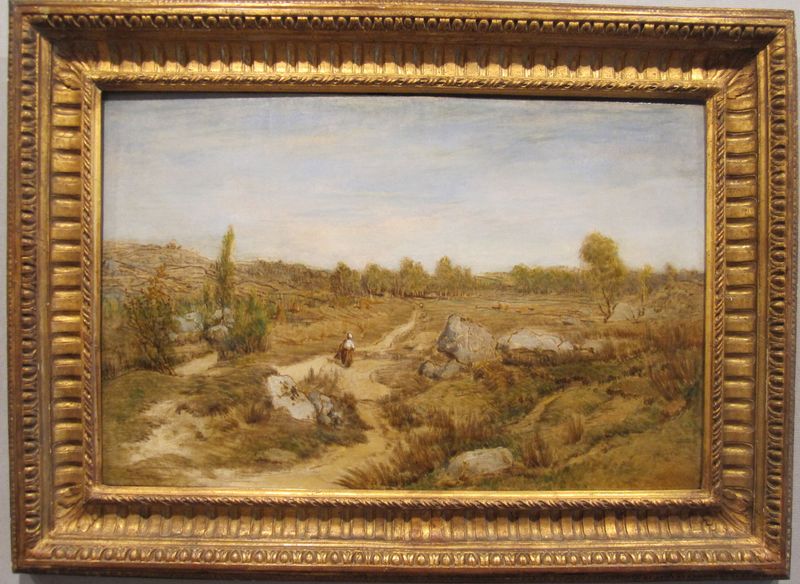
Valley of the Rouars in the Gorges d’Apremont
Théodore Rousseau
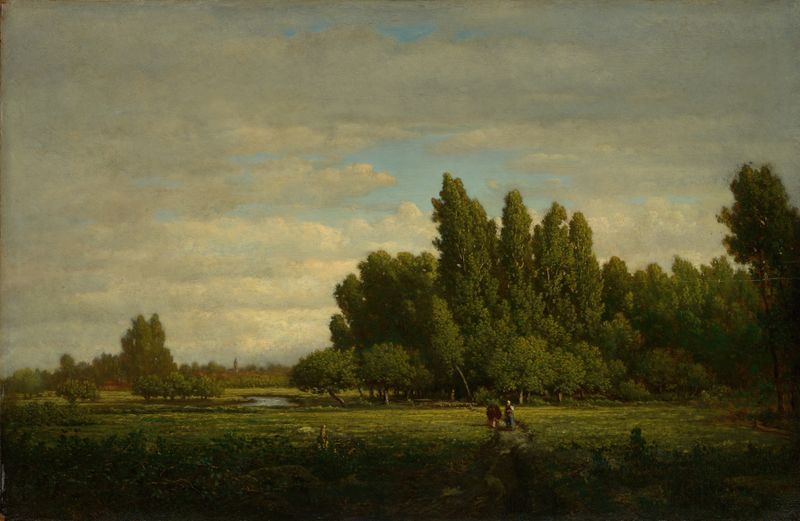
A Meadow Bordered by Trees
Théodore Rousseau
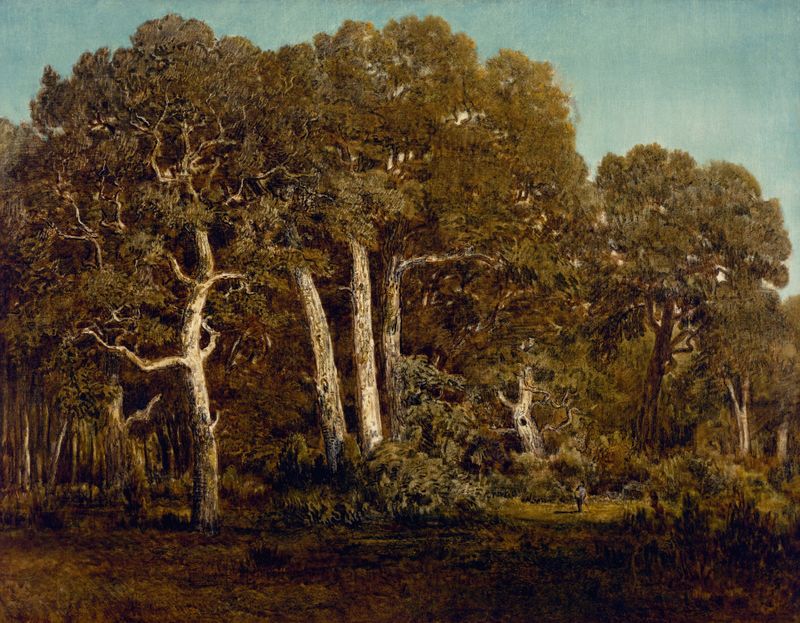
The Great Oaks of Old Bas-Bréau
Théodore Rousseau
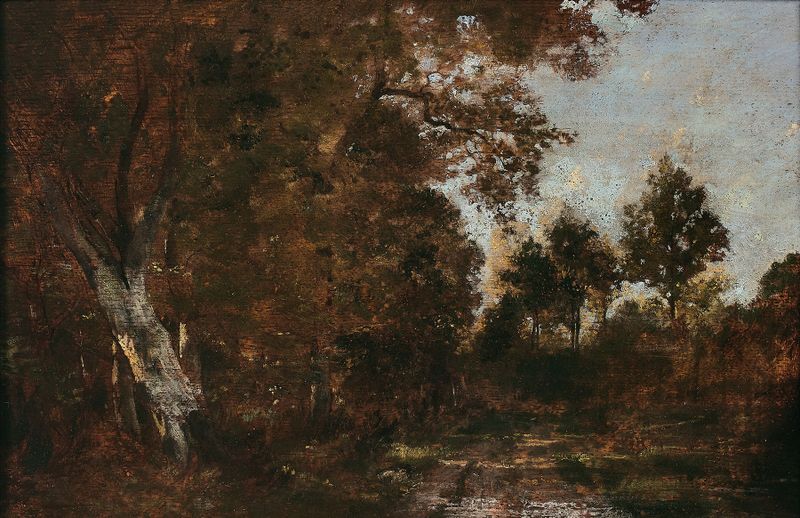
Paysage de sous-bois
Théodore Rousseau
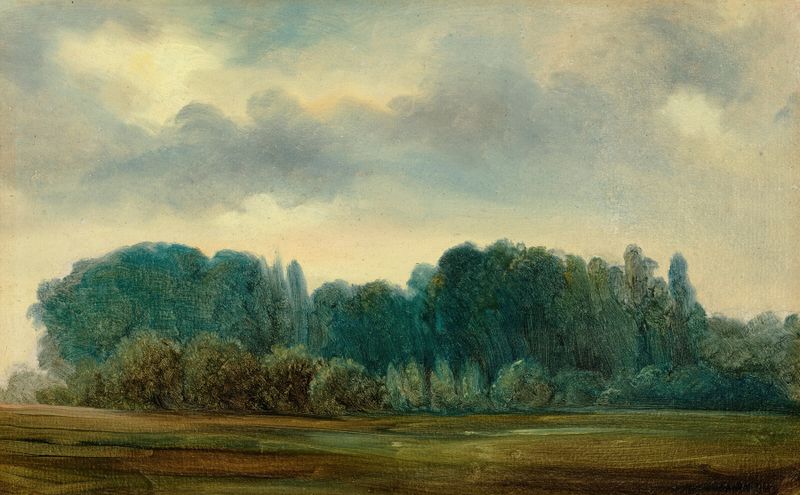
Paysage
Théodore Rousseau
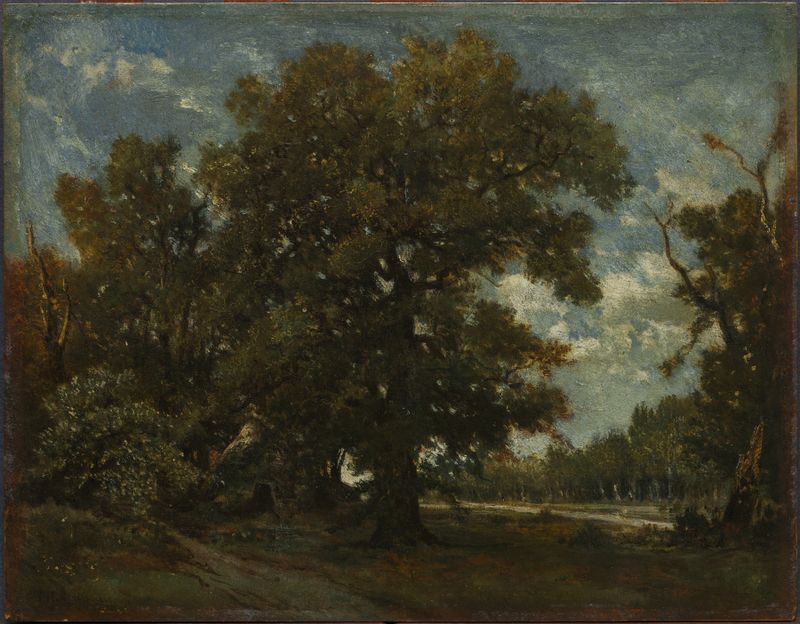
The Oak Tree
Théodore Rousseau
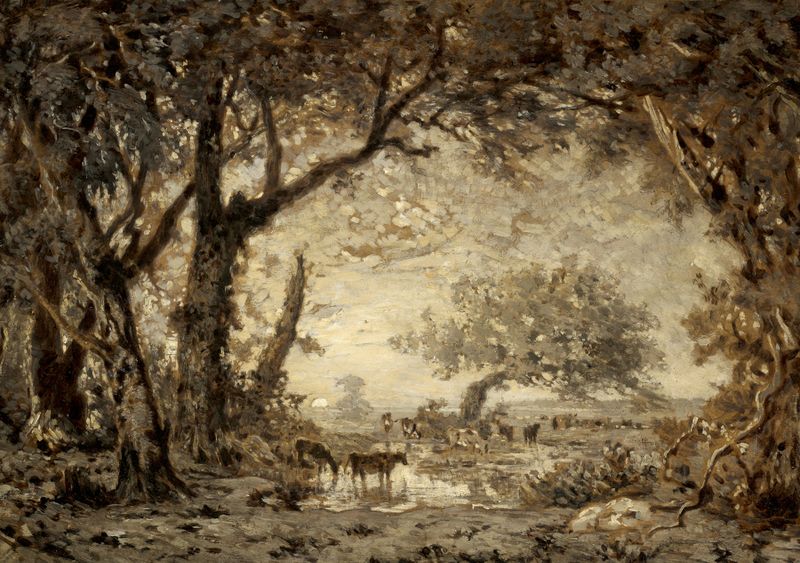
Sunset from the Forest of Fontainebleau
Théodore Rousseau
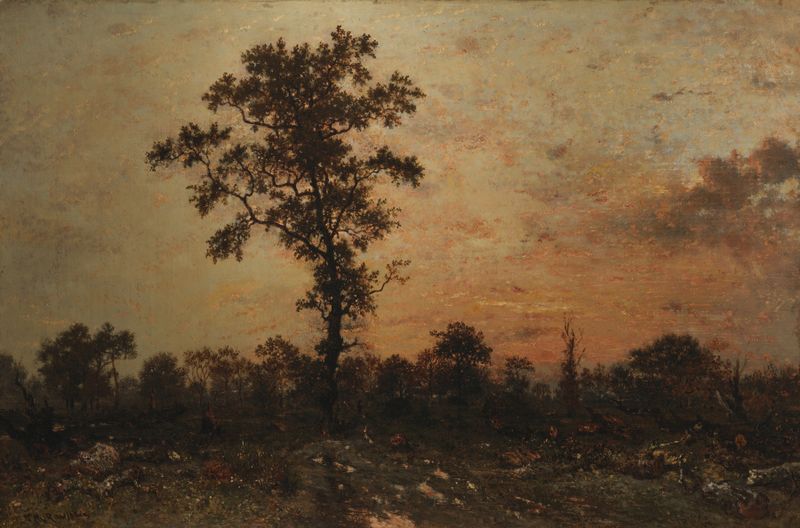
Edge of the Forest, Sun Setting
Théodore Rousseau
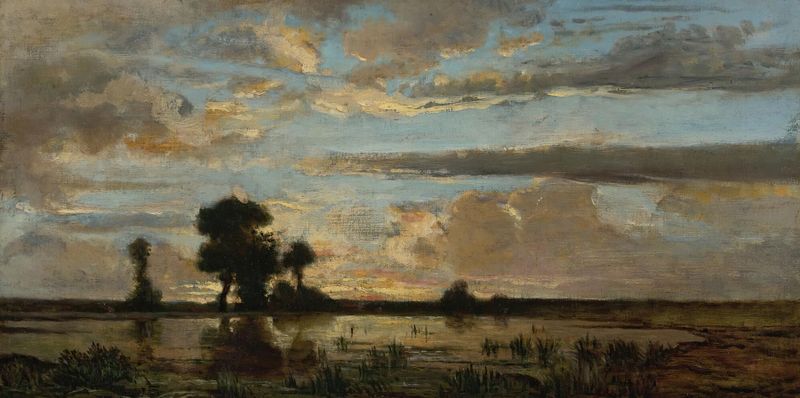
Soleil Couchant
Théodore Rousseau





