
Scheepswerf — History & Facts
When did color learn to lie? The vibrant hues of a shipyard can mask the turbulent undercurrents of ambition and conflict, blurring the lines between creation and destruction. Look to the right at the vivid azure of the sky, where clouds gather, hinting at a storm brewing. The ships, intricately detailed, dominate the foreground, their sturdy forms juxtaposed against the bustling laborers negotiating the chaos of the dock. Notice how the light falls upon the wooden beams, illuminating the textures of the materials while casting deep shadows that suggest hidden tensions.
The careful composition draws the viewer's eye through layers of activity, each figure engaged in their toil, yet shrouded in a sense of impending turmoil. Delve deeper into the scene, and you might discover the duality present in this setting. The craftsmanship of the ships symbolizes human ingenuity and ambition, yet their presence also serves as a reminder of the violence inherent in maritime endeavors—the disruption of nature, the perils of sea voyages, and the labor that can lead to tragedy. The contrast between the vibrancy of the colors and the somber undertones of labor creates a complex emotional landscape, reflecting the unseen consequences of industrial progress. Created between 1650 and 1664, this work emerged during a period of significant maritime growth in the Netherlands, a time marked by both prosperity and conflict.
Reinier Nooms, an artist familiar with the naval world, painted while witnessing the rise of Dutch naval power amid wars and exploration. His experience and observations of shipbuilding provided a unique lens through which he captured the vibrancy and underlying tensions of life at the shipyard during this dynamic era.
More Artworks by Reinier Nooms
Browse all →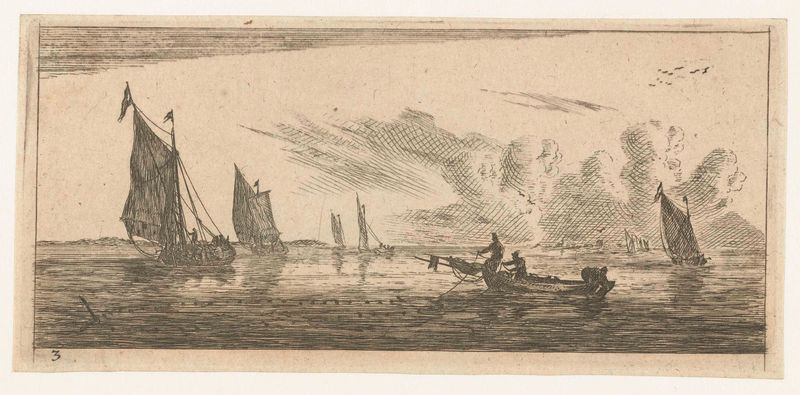
Zeegezicht met verschillende zeilschepen
Reinier Nooms
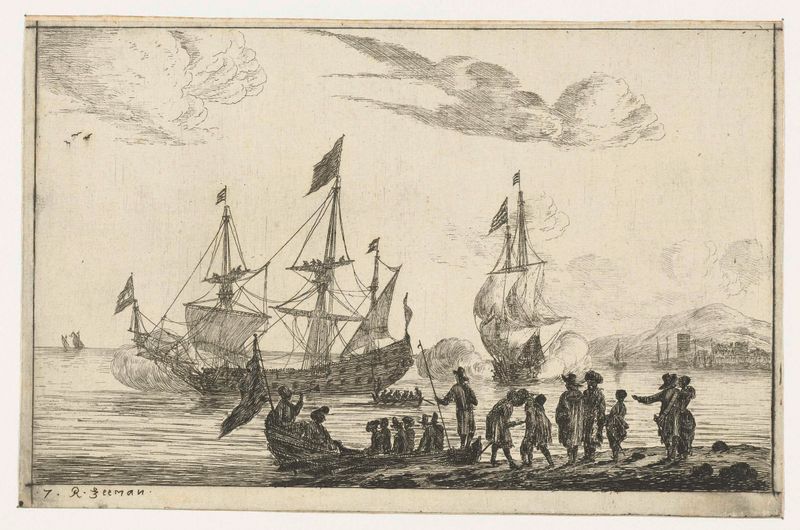
Havenscène met een spiegelsloep
Reinier Nooms
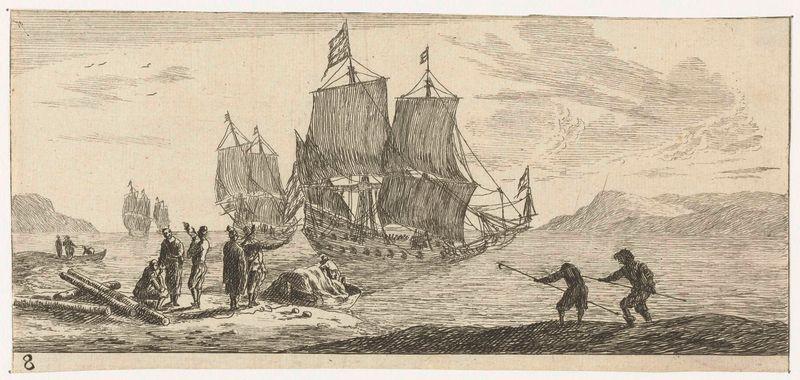
Vier grote zeilschepen in een baai
Reinier Nooms
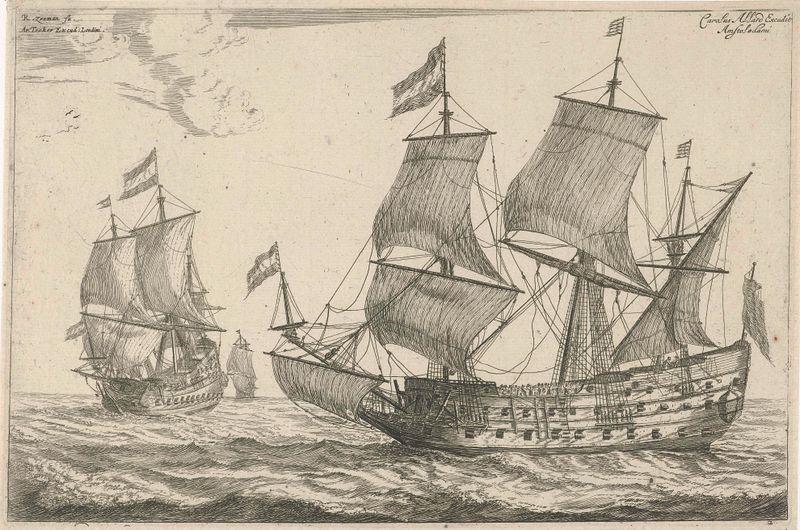
Twee grote oorlogsschepen
Reinier Nooms
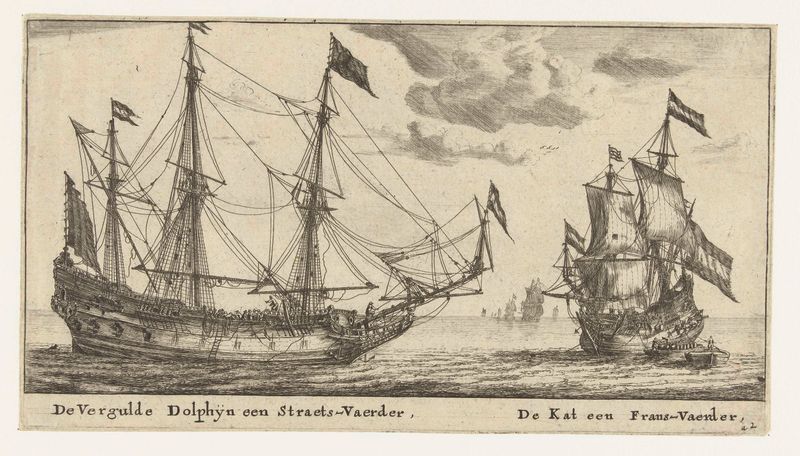
De schepen De Vergulde Dolfijn en De Kat
Reinier Nooms
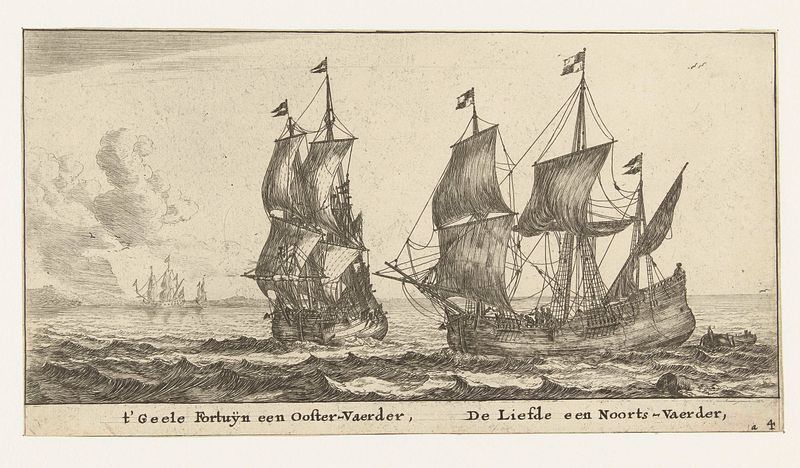
De schepen 't Gele Fortuin en De Liefde
Reinier Nooms
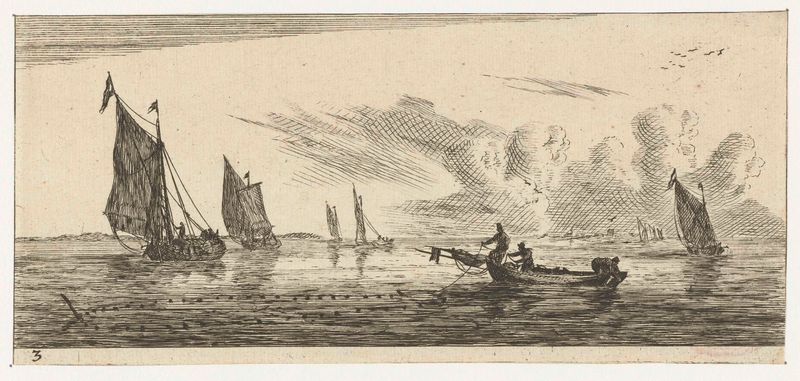
Zeegezicht met verschillende zeilschepen
Reinier Nooms
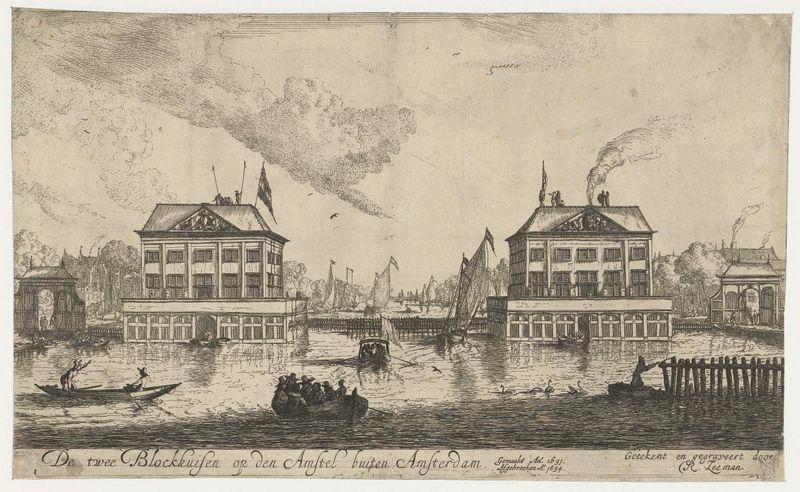
Gezicht op de twee Blokhuizen in de Amstel
Reinier Nooms
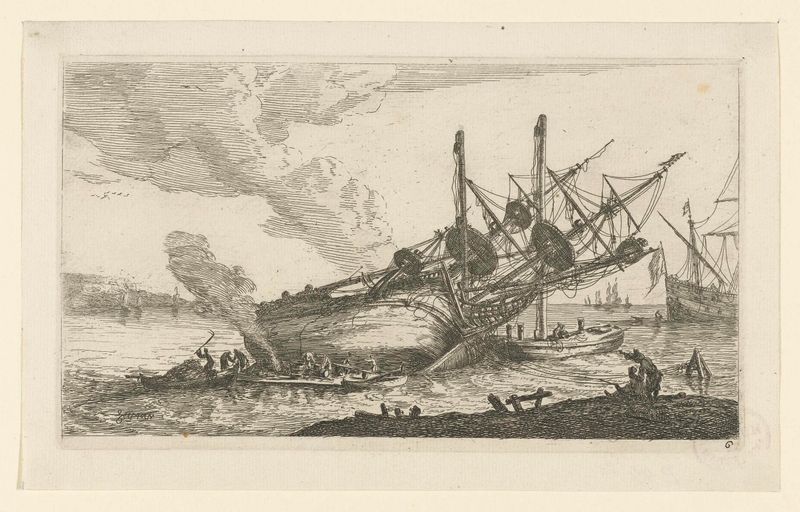
Reparaties aan de romp van een schip
Reinier Nooms
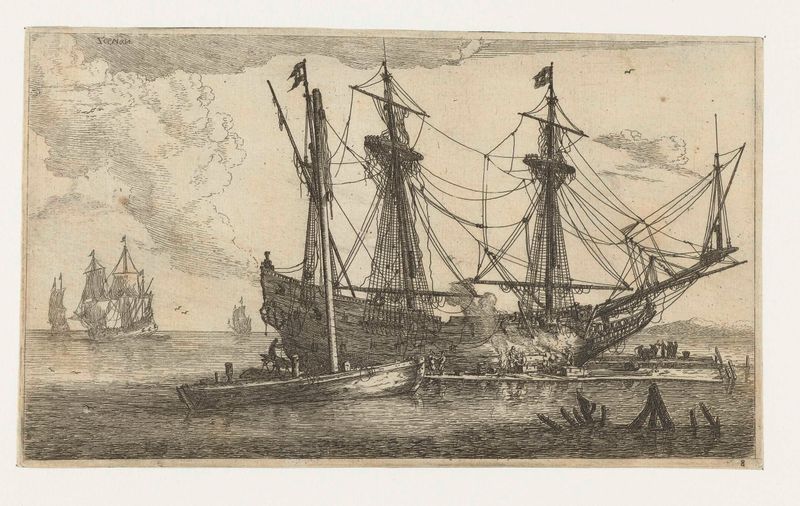
Reparaties aan de romp van een schip
Reinier Nooms





