
Schelp, mitra papalis — History & Facts
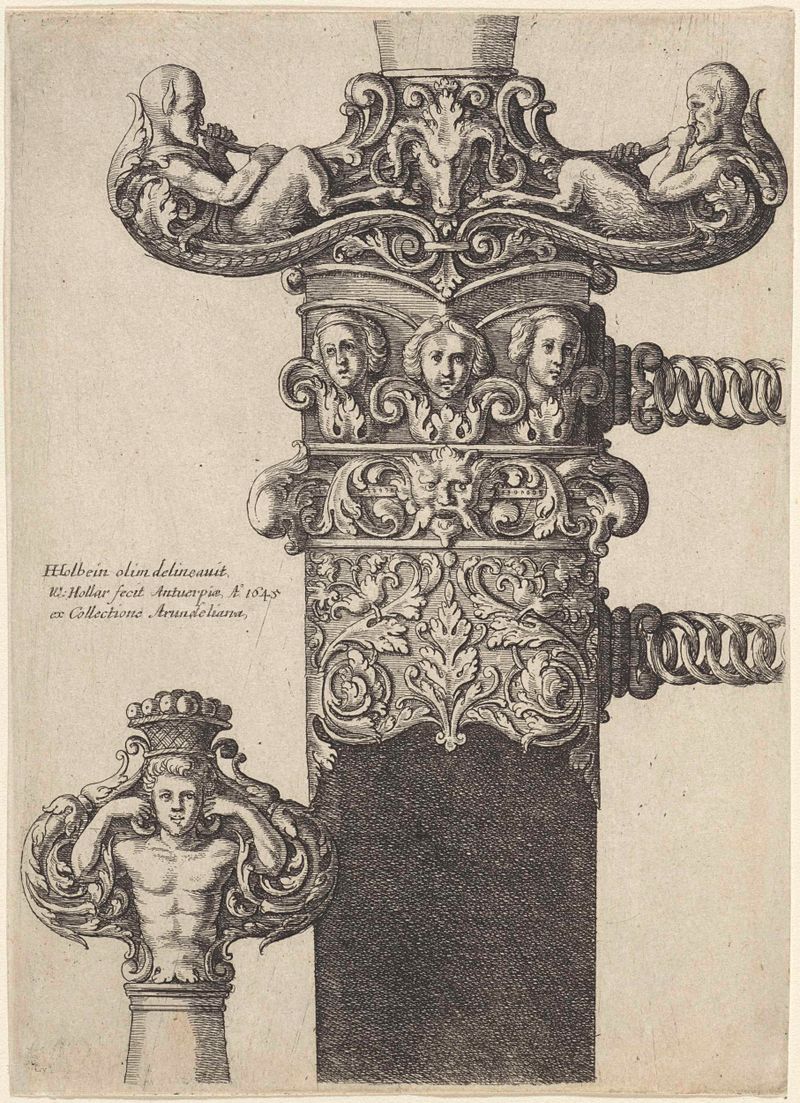
In our fleeting existence, how often do we pause to reflect upon the passage of time and the stories it carries? Look closely at this intricate engraving, where the interplay of light and shadow serves as a silent testament to the eternal conflict between permanence and transience. The meticulous details of the mitra papalis draw the eye first, revealing the ornate craftsmanship that denotes both authority and reverence. Each fold and texture of the fabric is rendered with painstaking precision, while the nuanced gradations in ink vibrate with life, inviting exploration of the surrounding elements. Within this composition lies a profound commentary on the nature of power and the ephemeral.
Notice the delicate balance between the regal symbolism of the mitre and the faint traces of wear, suggesting a history both noble and humble. The careful juxtaposition of the ornate design against the starkness of the background highlights the weight of tradition, yet hints at the inevitable decay that time enforces upon all that is human-made. Wenceslaus Hollar created this work between 1644 and 1652, during a period of upheaval within Europe marked by the Thirty Years' War. Living in Antwerp for part of his life and later relocating to London, Hollar witnessed the shifting tides of artistic expression.
This engraving not only reflects his technical mastery but also represents the cultural tensions of his time, inviting viewers to consider the significance of artifacts as they navigate the currents of history.
More Artworks by Wenceslaus Hollar
Browse all →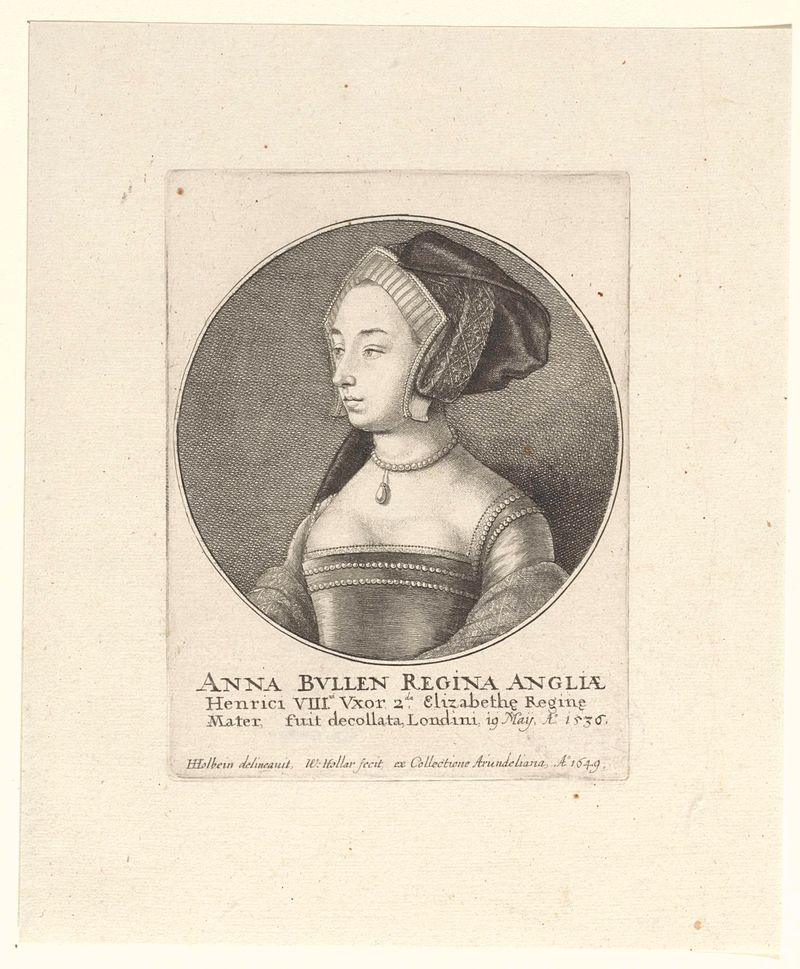
Portret van Anna Boleyn, koningin van Engeland
Wenceslaus Hollar
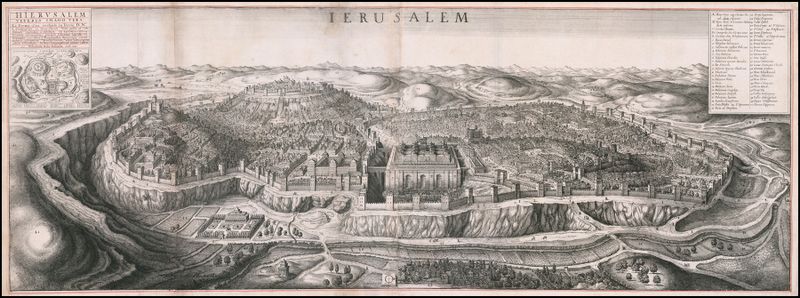
Bird’s eye view of Jerusalem
Wenceslaus Hollar
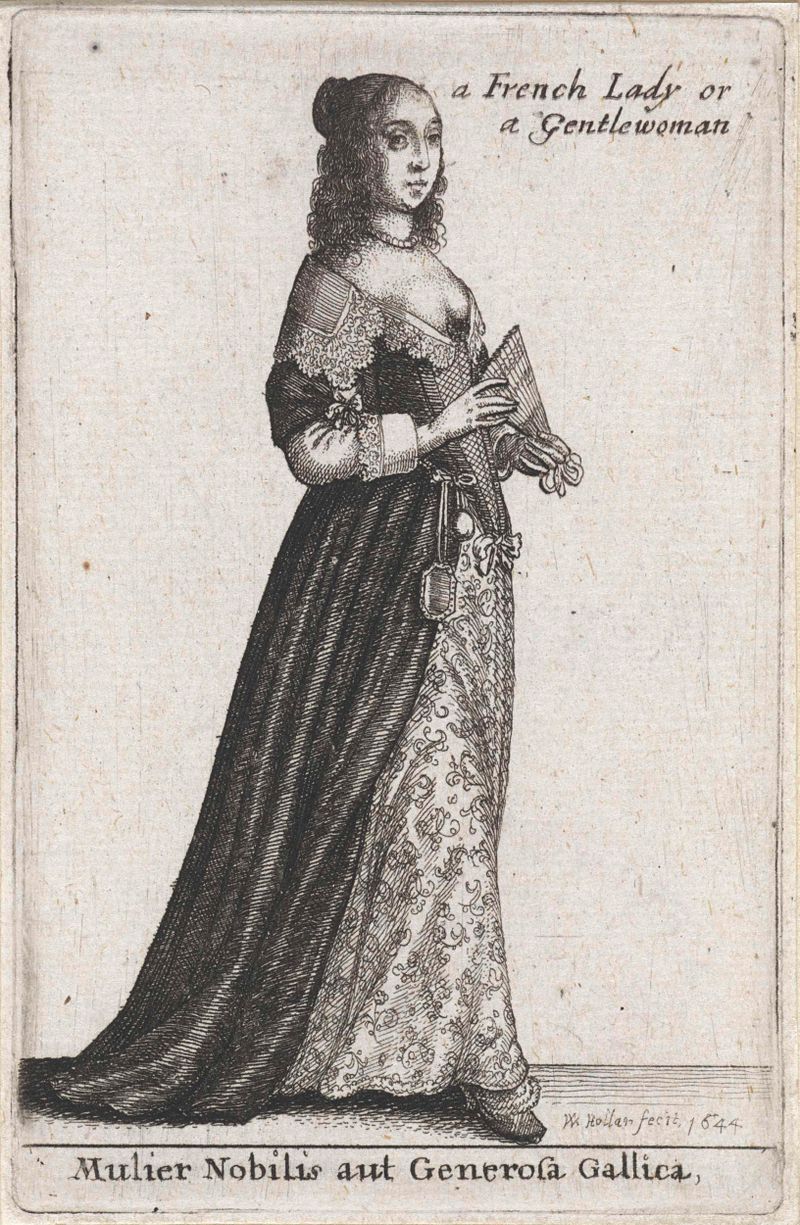
Mulier Nobilis aut Generosa Gallica / a French Lady or Gentlewoman
Wenceslaus Hollar
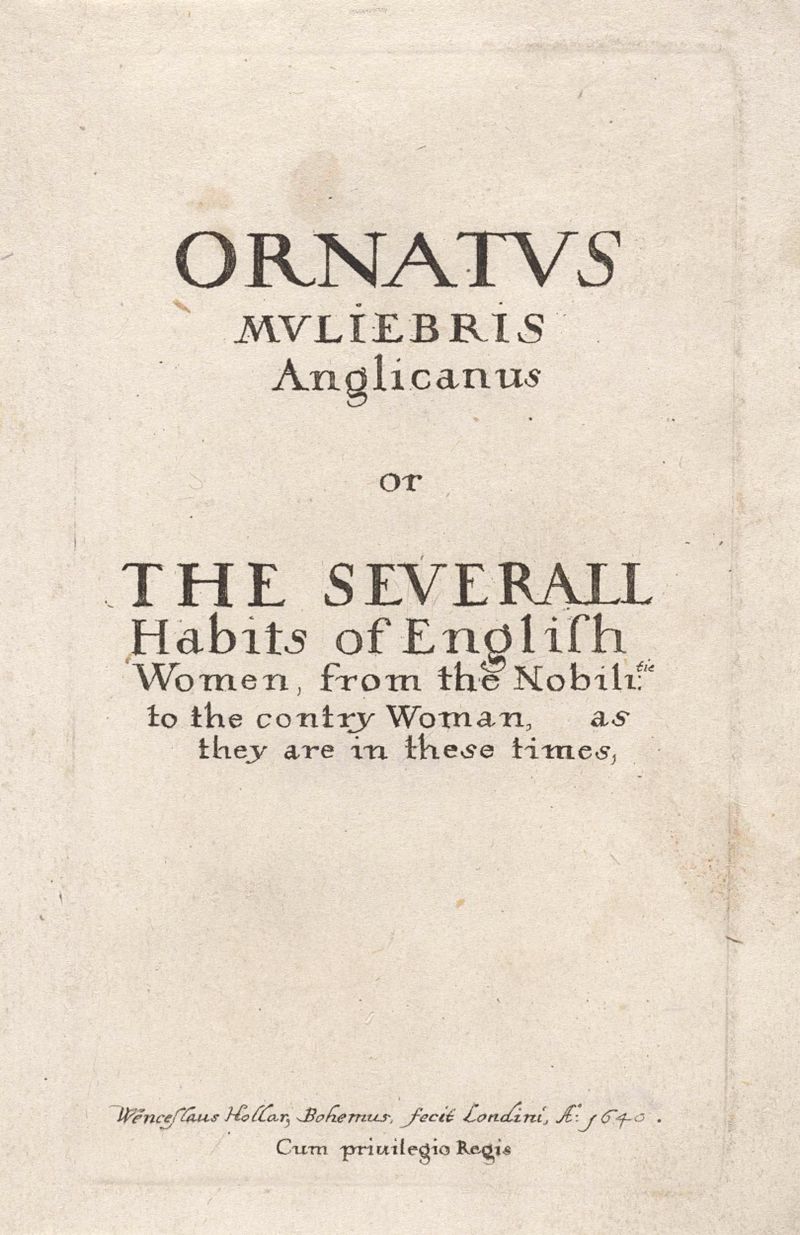
Titelprent voor: Ornatus Muliebris Anglicanus
Wenceslaus Hollar
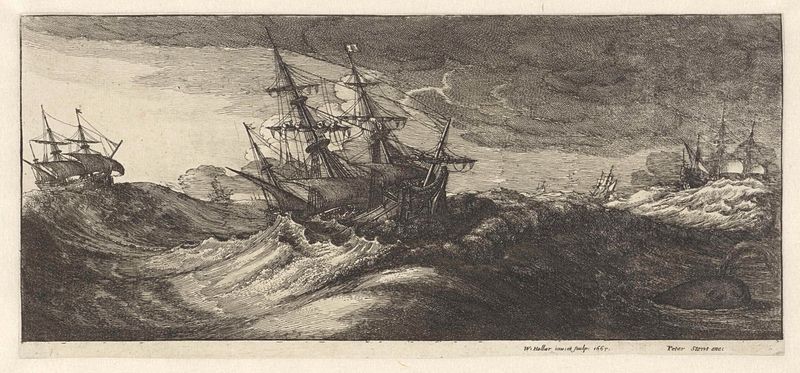
Oorlogsschepen en een walvis in een zeestorm
Wenceslaus Hollar
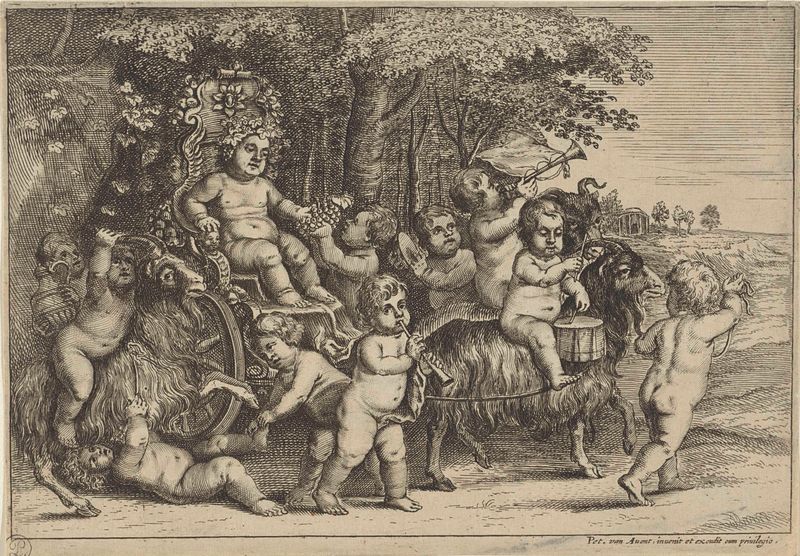
Optocht van bacchant en jongetjes op geiten
Wenceslaus Hollar
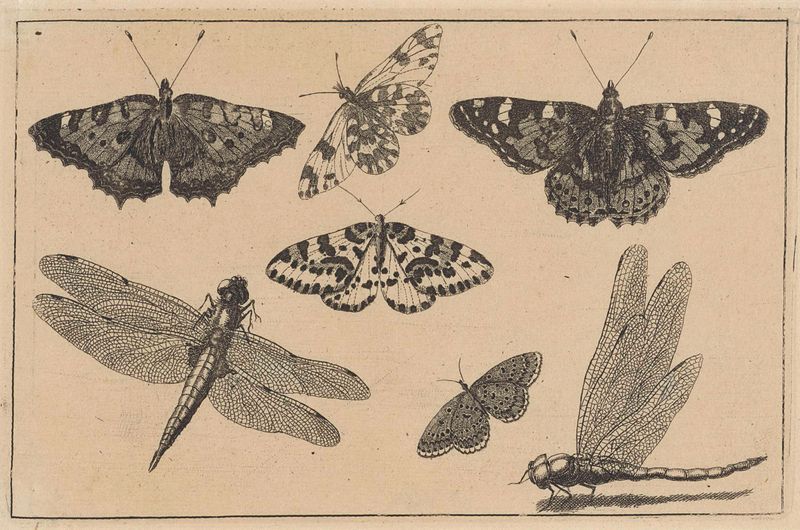
Twee libellen en vijf vlinders
Wenceslaus Hollar
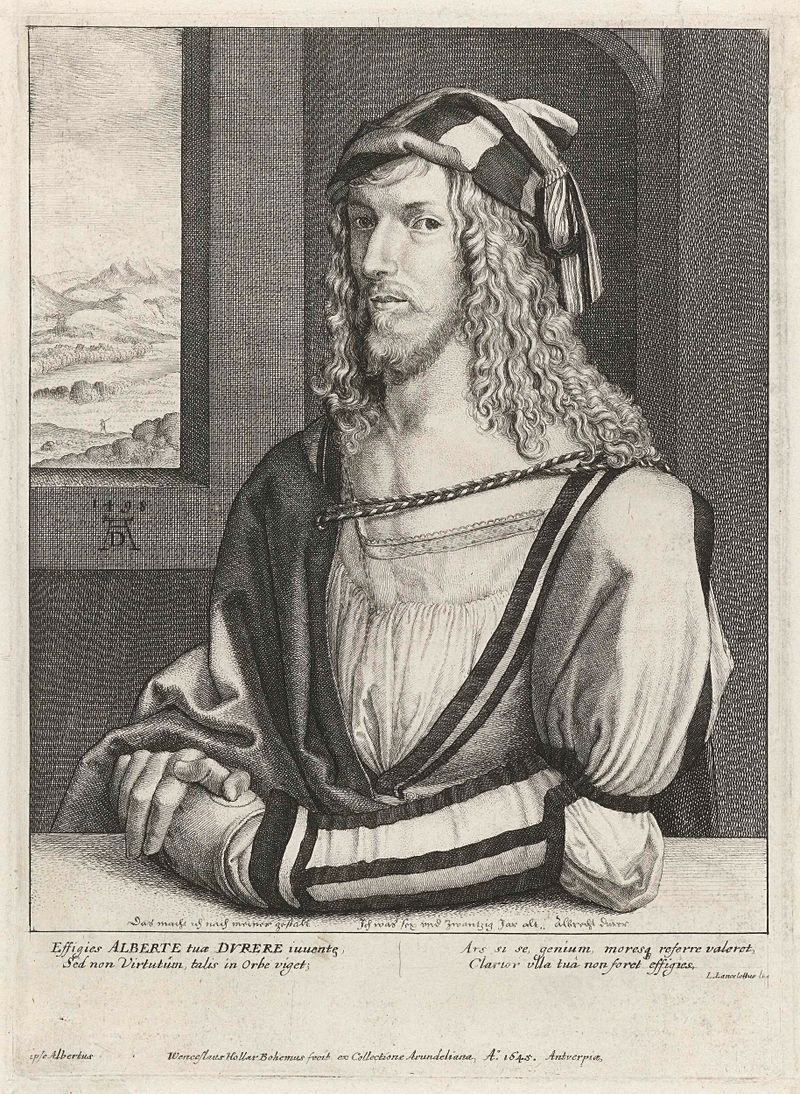
Portret van Albrecht Dürer
Wenceslaus Hollar
Ornamenteel ontwerp voor een dolk
Wenceslaus Hollar
Gezicht op Praag vanaf de Moldau
Wenceslaus Hollar
More Religious Art
Browse all →
The Return of the Prodigal Son
Rembrandt van Rijn

The Garden of Earthly Delights
El Bosco

Count Orgaz’ funeral
El Greco

The Hundred Guilder Print: the central piece with Christ preaching, the plate arched
Rembrandt van Rijn

The Descent from the Cross
Rogier van der Weyden

The return of the prodigal son
Rembrandt van Rijn