
Schuur in Voorburg — History & Facts
Beneath the textured surface of Schuur in Voorburg, a profound yearning resonates, echoing the past while inviting the viewer into a moment suspended in time. Look closely at the vibrant hues of green and amber that dance across the canvas. Notice how the artist captures the rustic charm of the barn with angular brushstrokes, emphasizing the interplay of light and shadow. The slanted roof, awash in soft light, draws the eye upward, while the weathered wood exudes a quiet dignity.
Each detail, from the scattered hay to the subtle imperfections, speaks to the life once vibrant within these walls. Delve into the emotional layers of this scene; it is not merely a representation of a barn but a reflection of nostalgia. The solitude of the structure invites contemplation on what was lost and the passage of time. The juxtaposition of the barn's sturdy presence against the surrounding softness of nature evokes a sense of longing—an unfulfilled connection to simpler days.
This interplay of strength and vulnerability captures a universal human experience, deepening its resonance in the viewer's heart. Willem Adrianus Grondhout painted Schuur in Voorburg between 1888 and 1934 during a period marked by personal transformation and a shift in the art world towards realism. Living in the Netherlands, Grondhout was influenced by the natural beauty surrounding him, as well as the changing societal landscape of post-war Europe. His works often reflect an intimate affinity for rural life, which he sought to preserve through a lens of authenticity and emotional depth.
More Artworks by Willem Adrianus Grondhout
Browse all →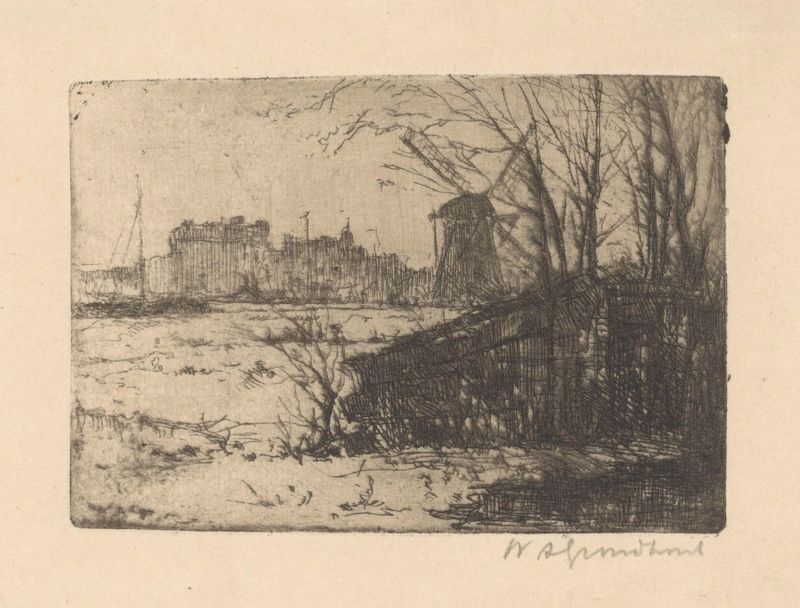
Landschap met molen in de Binckhorst in Den Haag
Willem Adrianus Grondhout
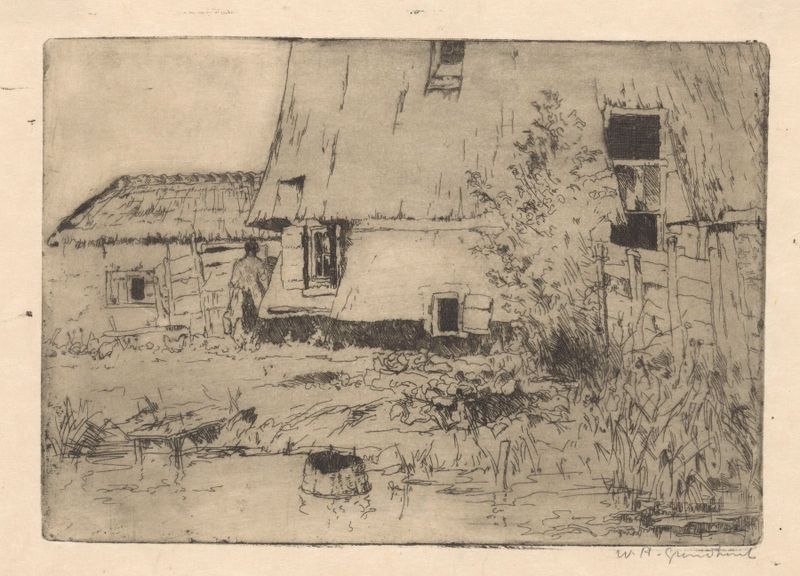
Voet van een molen in Voorburg
Willem Adrianus Grondhout
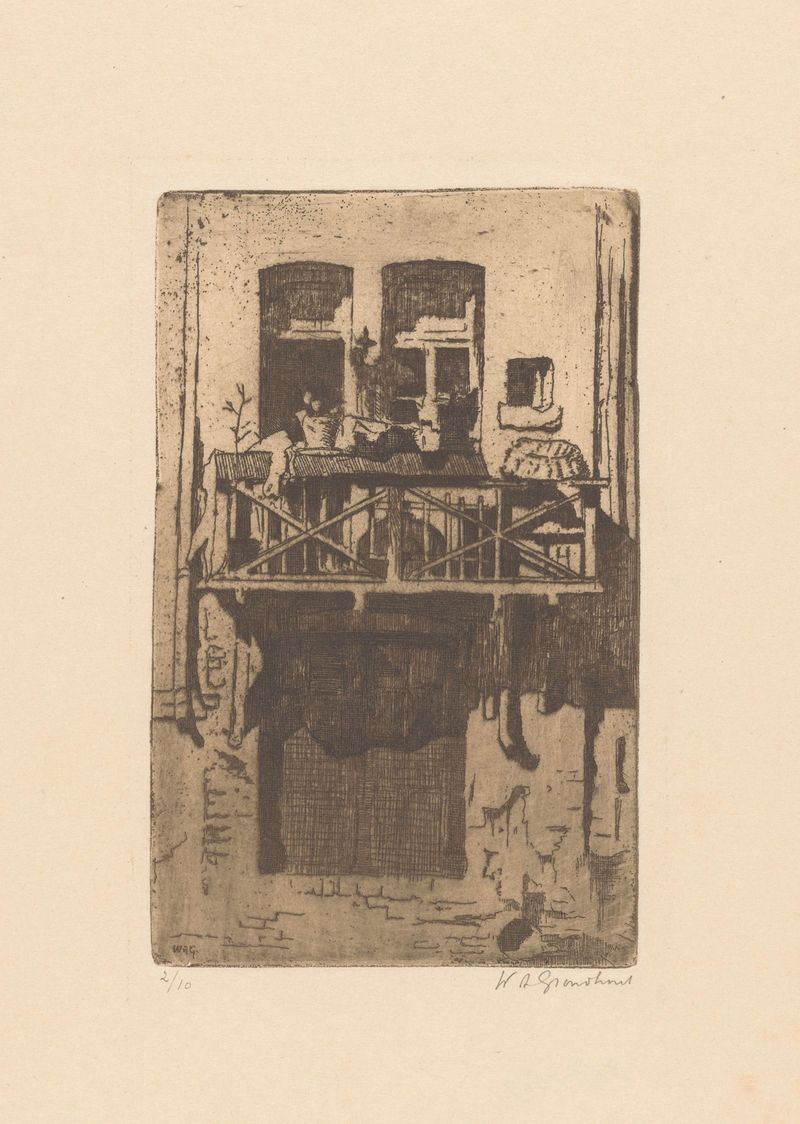
Balkon van een huis aan de Oudezijds Kolk in Amsterdam
Willem Adrianus Grondhout
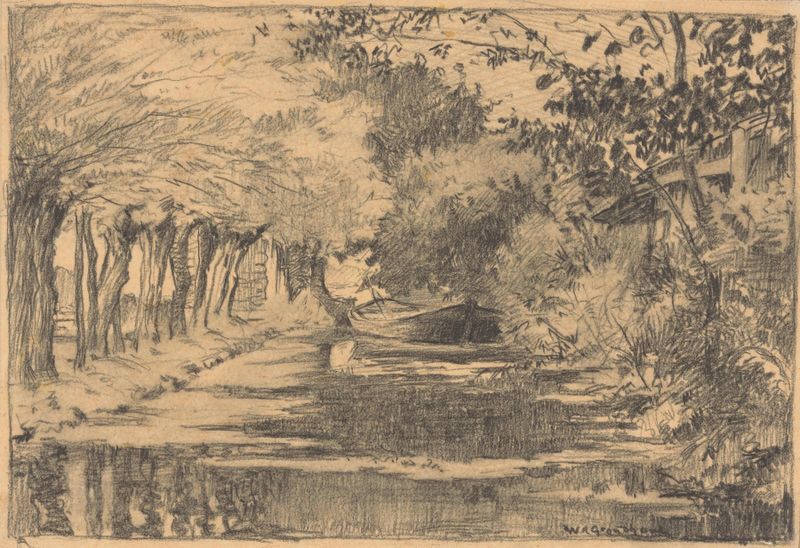
Broeksloot bij Voorburg
Willem Adrianus Grondhout
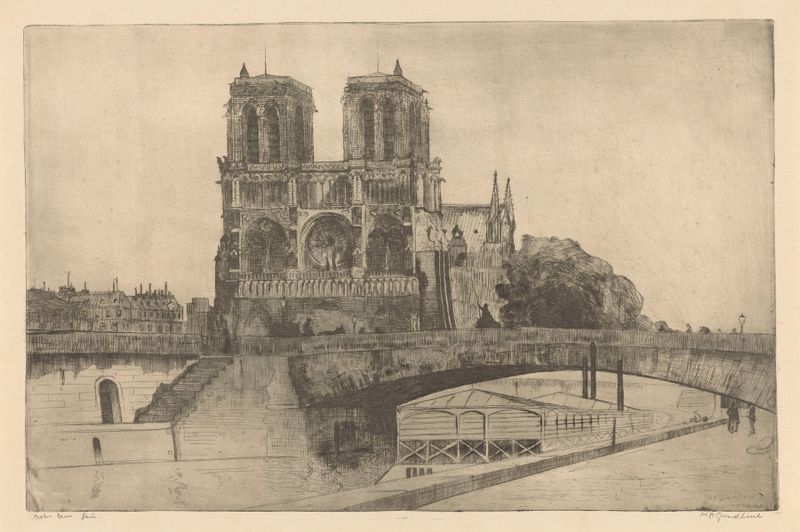
Notre-Dame, Paris
Willem Adrianus Grondhout
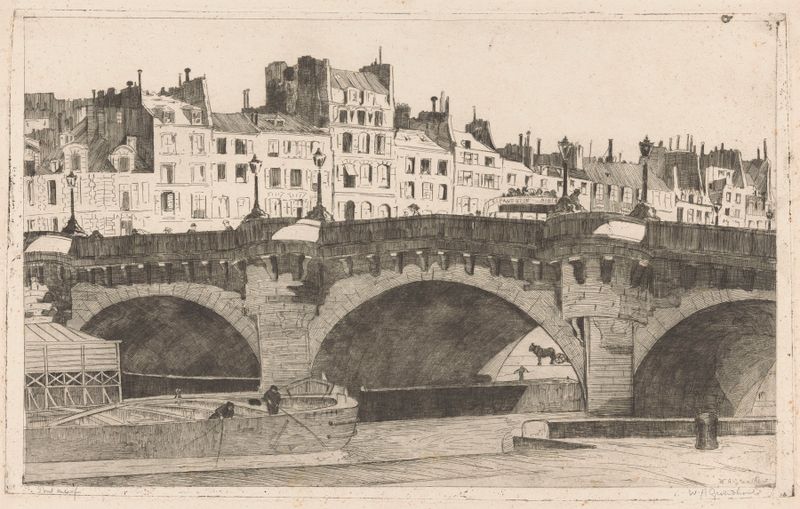
Pont Neuf
Willem Adrianus Grondhout
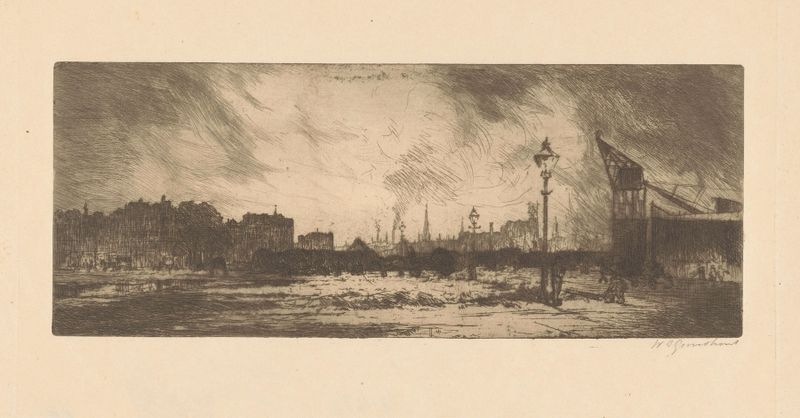
Havenkade met lantaarnpalen in Rotterdam
Willem Adrianus Grondhout
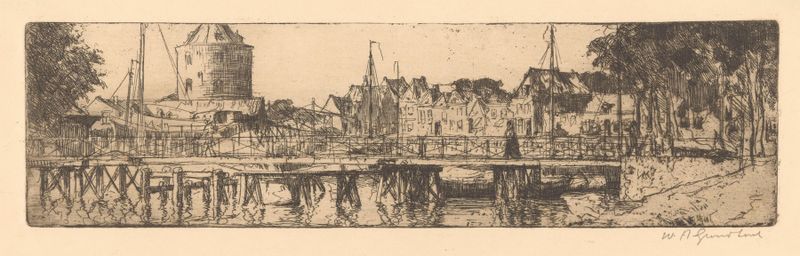
Enkhuizen
Willem Adrianus Grondhout
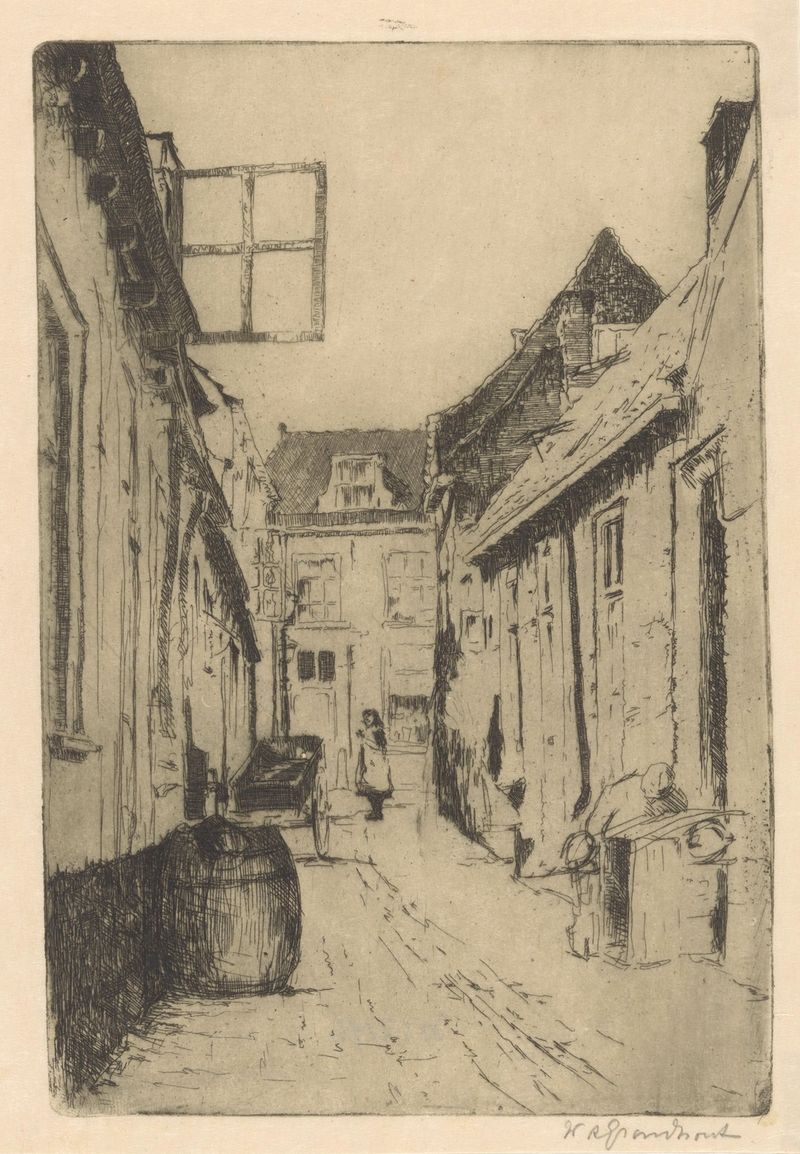
Straatje in Voorburg.
Willem Adrianus Grondhout
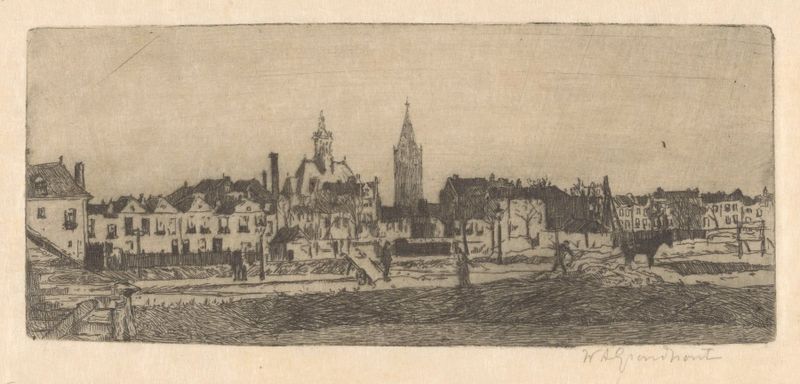
Delft
Willem Adrianus Grondhout





