
Scène de forêt — History & Facts
When did color learn to lie? In the depths of a forest, the natural world whispers secrets through vibrant hues, each shade hinting at hidden truths beneath its surface. Montézin invites us to contemplate not merely the beauty of nature, but also the delicate balance between what is seen and what is felt. Look to the left at the gentle interplay of greens and browns, where sunbeams filter through the foliage, casting dappled shadows on the earth below. The brushwork is both fluid and deliberate, guiding the eye through layers of leaves and trunks.
Notice how the light dances on the surface of a meandering stream in the foreground, its reflective quality contrasting with the dense, textured canopy above. The artist employs a rich palette that captures the essence of the forest while beckoning the viewer to explore deeper meanings. In this composition, the contrast between light and shadow evokes a sense of harmony and disquietude. The serene surface of the water belies the bustling activity of life hidden within the underbrush, creating a tension that speaks to the balance of existence.
Each stroke of paint seems to embody a moment suspended in time, inviting reflection on the dualities of peace and chaos, tranquility and unrest. During the late 1920s, Montézin was immersed in the vibrant art scene of France, seeking to capture the essence of the landscapes surrounding him. This period was marked by a transition in artistic expression, as many artists began to explore the emotional resonance of color and light. His work, including Scène de forêt, reflects a deep connection to nature while grappling with the complexities of human experience, making this painting a poignant testament to his artistic journey.
More Artworks by Pierre-Eugène Montézin
Browse all →
Chaumières aux fenêtres et volets tourquoises
Pierre-Eugène Montézin

Quai à Saint-Mammes
Pierre-Eugène Montézin
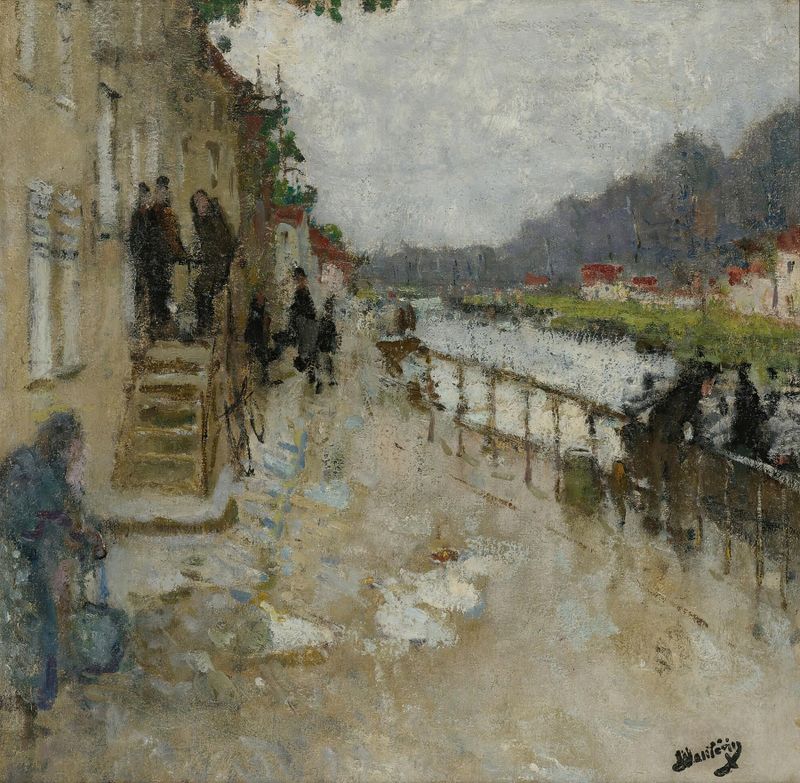
Bord De Canal À Saint-Mammès
Pierre-Eugène Montézin
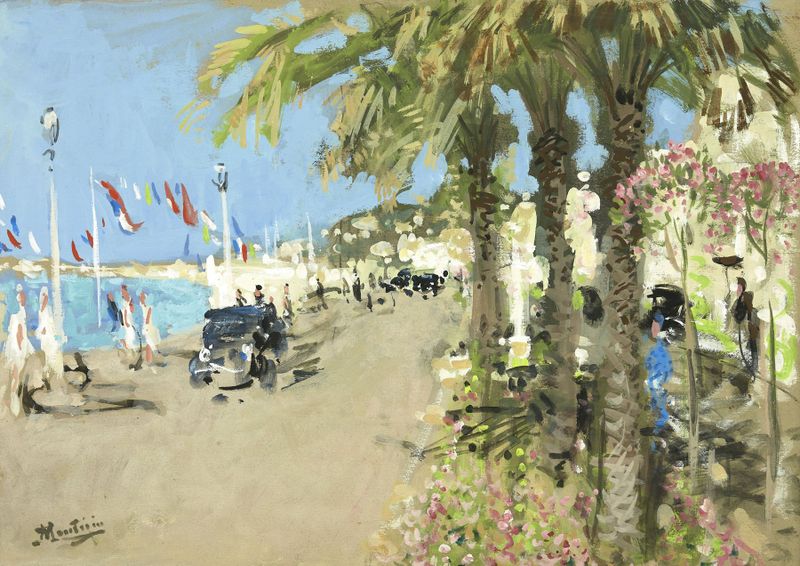
La promenade des Anglais, Nice
Pierre-Eugène Montézin
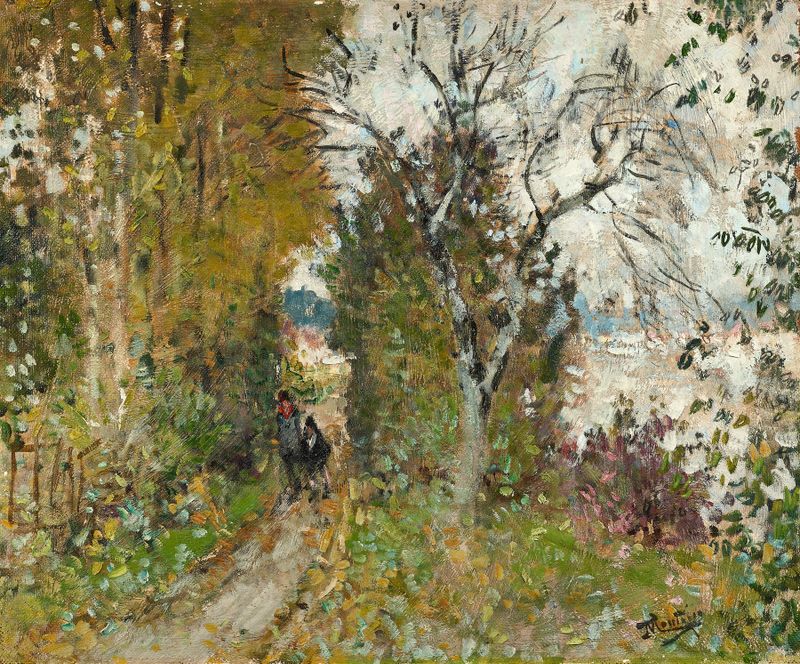
Promenade au bord de l’eau
Pierre-Eugène Montézin

Verger en fleurs
Pierre-Eugène Montézin

Misy Sur Yonne
Pierre-Eugène Montézin
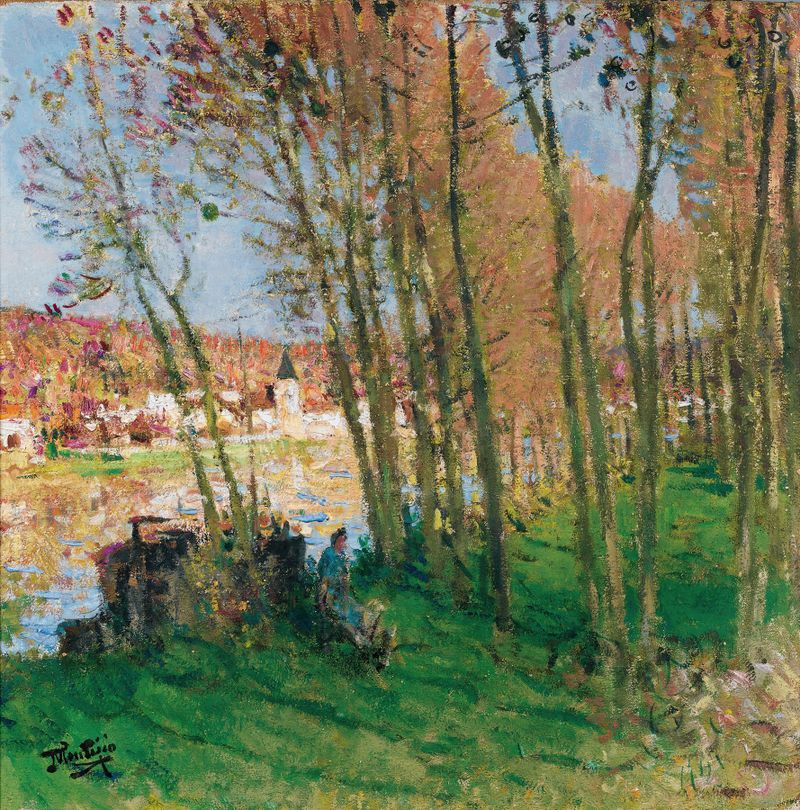
Bord De L’eau
Pierre-Eugène Montézin

La Seine à St. Monance
Pierre-Eugène Montézin

L’entrée Du Village
Pierre-Eugène Montézin





