Sculptur — History & Facts
In Sculptur, Gustav Klimt employs a rich palette of golds, greens, and earth tones. The composition features a central figure surrounded by intricate patterns and decorative elements. The figure appears both serene and contemplative, embodying the essence of the human experience.
The background is filled with abstract shapes that enhance the overall sense of depth and complexity. The painting is executed in oil on canvas, showcasing Klimt's signature style of blending decorative motifs with figurative representation. The use of gold leaf and intricate detailing is characteristic of Klimt's work, adding a luxurious quality to the piece. Viewers can appreciate the meticulous brushwork that brings texture and life to the figure and surrounding patterns.
The dimensions are approximately 100 x 150 cm, making it a substantial work that commands attention. Gustav Klimt was a prominent figure in the Vienna Secession movement, known for his unique approach to symbolism and decorative art. Sculptur reflects his fascination with the human form and the interplay of nature and art. An interesting fact about this work is that it exemplifies Klimt's transition towards more abstract forms, blending realism with ornamental elements.
This painting is housed in the Belvedere Museum, a fitting location for such a significant piece of Austrian art.
More Artworks by Gustav Klimt

The Kiss
Gustav Klimt
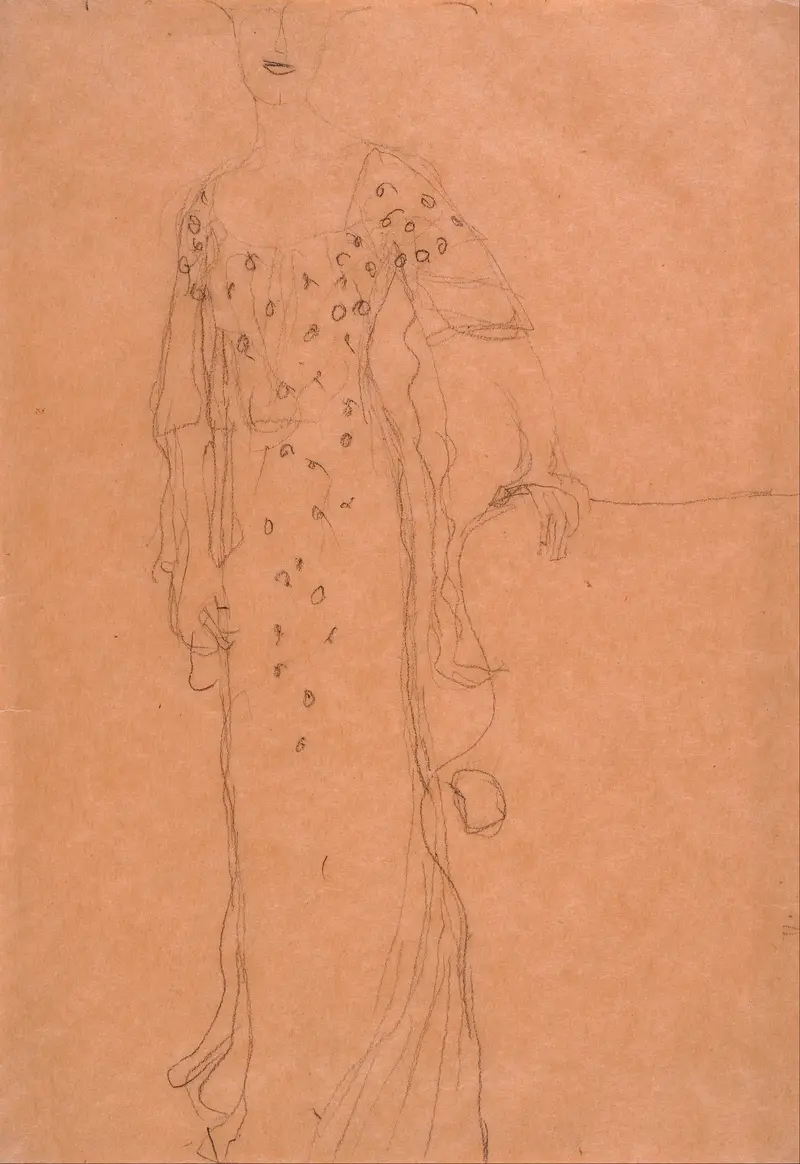
Study for Portrait of Adele Bloch-Bauer I
Gustav Klimt

Woman with fan
Gustav Klimt
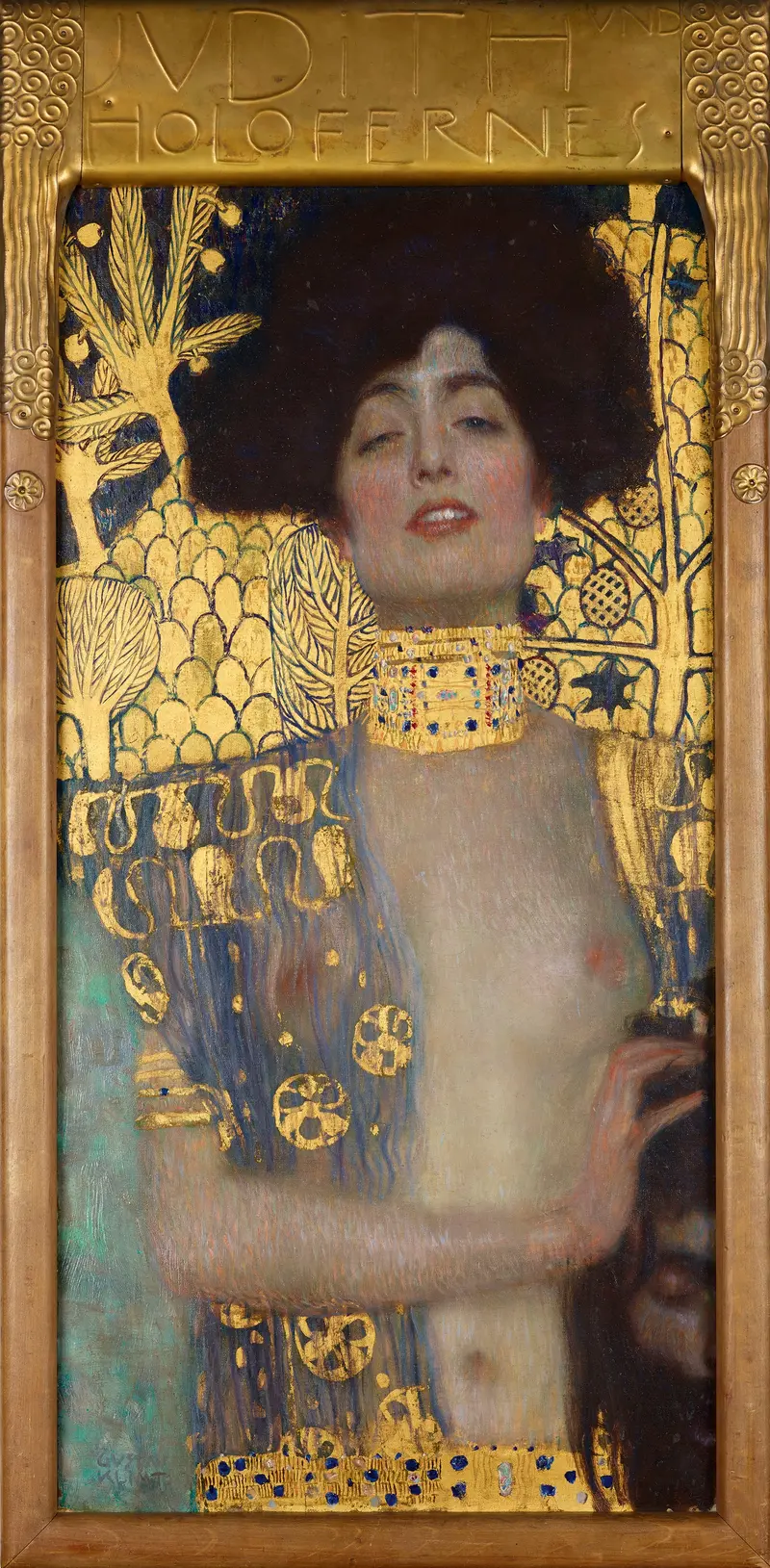
Judith
Gustav Klimt

Portrait of Adele Bloch-Bauer I
Gustav Klimt
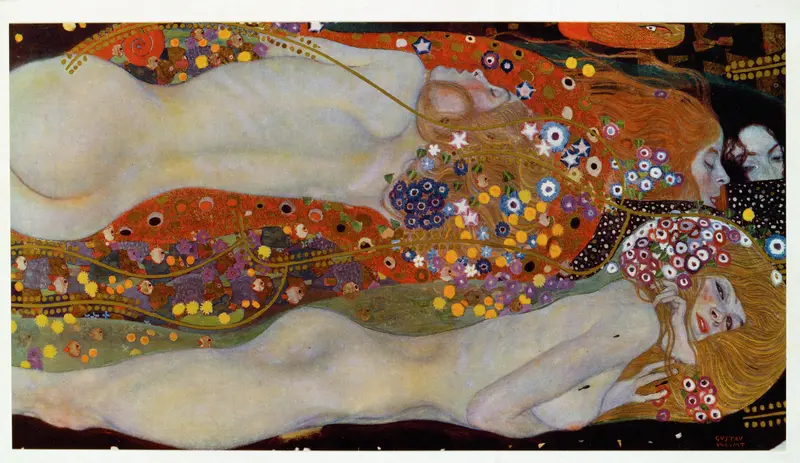
Water Serpents II
Gustav Klimt

Mäda Primavesi
Gustav Klimt

Portrait of Rose von Rosthorn-Friedmann
Gustav Klimt
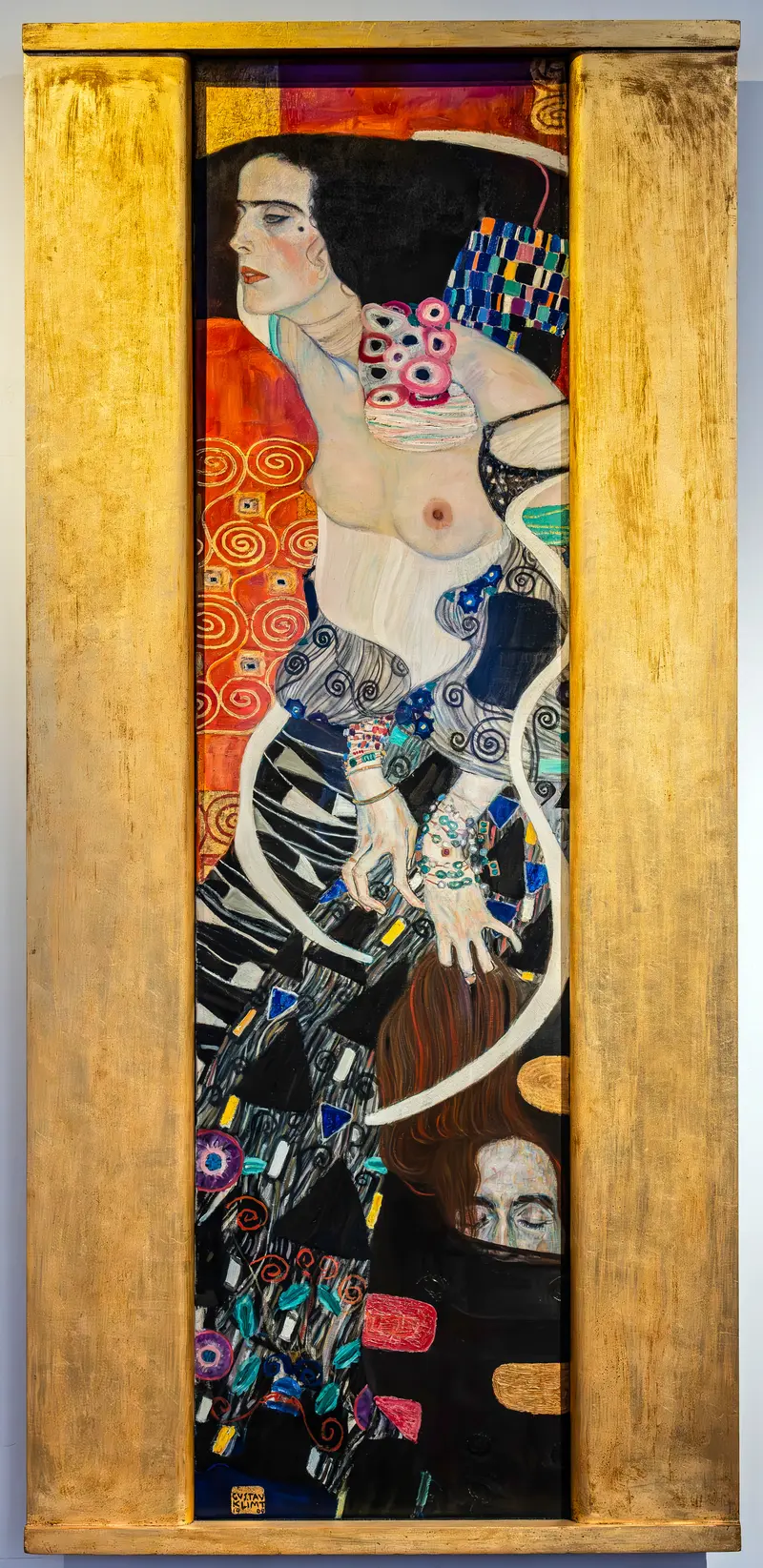
Judith II (Salome)
Gustav Klimt

The Three Ages of the Woman
Gustav Klimt