
Sea Shore (Fishing-Nets) — History & Facts
A hush settles over the scene, as if the world itself is holding its breath. The eye is drawn first to the pale, low sun, half-veiled by a drift of cloud, casting a muted glow over the horizon. Below, a line of birds crosses the sky in silent procession, their flight echoing the rhythm of the sea beyond.
The land is dark, almost formless, broken only by the upright stakes of fishing nets — thin silhouettes that speak of human presence without showing a soul. A small pool of water in the foreground catches the last light, anchoring the viewer in the quiet emptiness of the shore. Painted around 1835, this work by Caspar David Friedrich belongs to a moment when artists across Europe were turning their gaze outward, seeking meaning in the landscape itself. In the era of Romanticism, painters like Friedrich found in nature a stage for contemplation and solitude, often choosing scenes at dawn or dusk to heighten the sense of transition.
Little is recorded about this specific painting’s origins, now housed in the Hermitage Museum, but its mood and subject are unmistakably of its time: a meditation on the edge of land and sea, where the ordinary work of fishing becomes a quiet monument to the passage of day and the presence of the unseen. The longer you look, the more the silence in the picture seems to speak.
More Artworks by Caspar David Friedrich
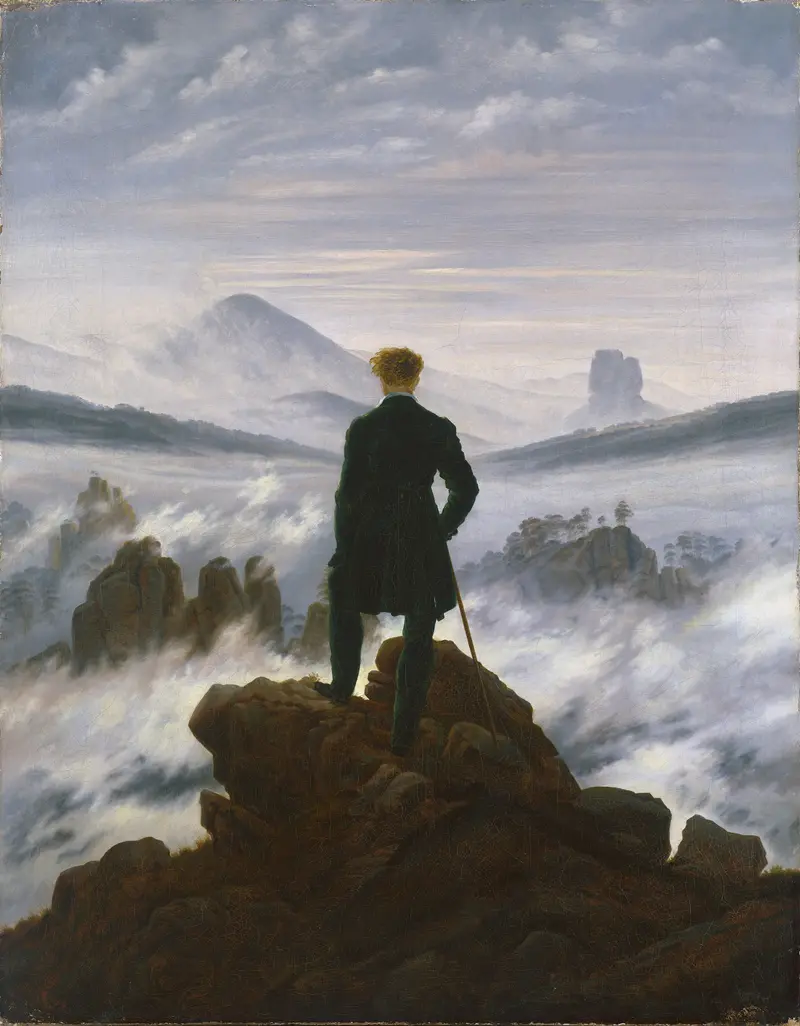
Wanderer above the Sea of Fog
Caspar David Friedrich

The Sea of Ice
Caspar David Friedrich
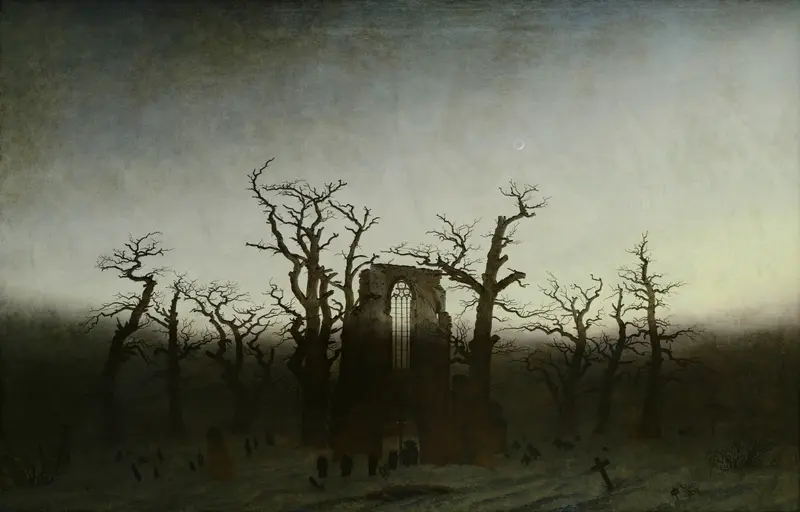
The Abbey in the Oakwood
Caspar David Friedrich
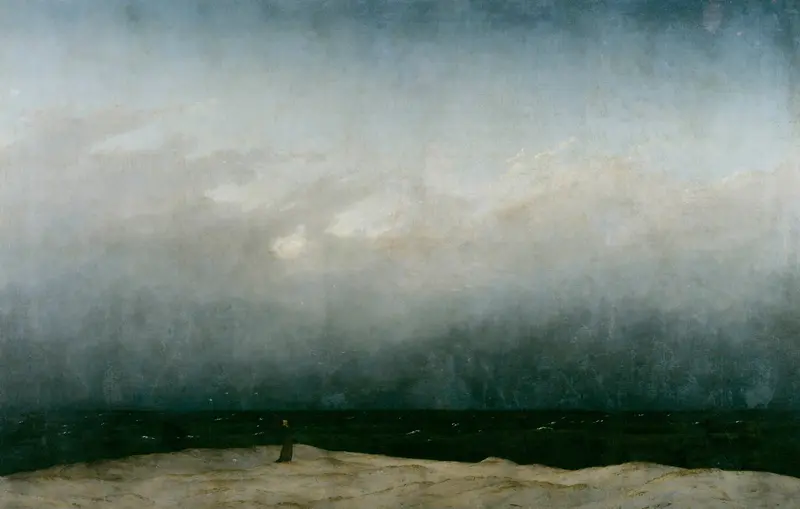
The Monk by the Sea
Caspar David Friedrich
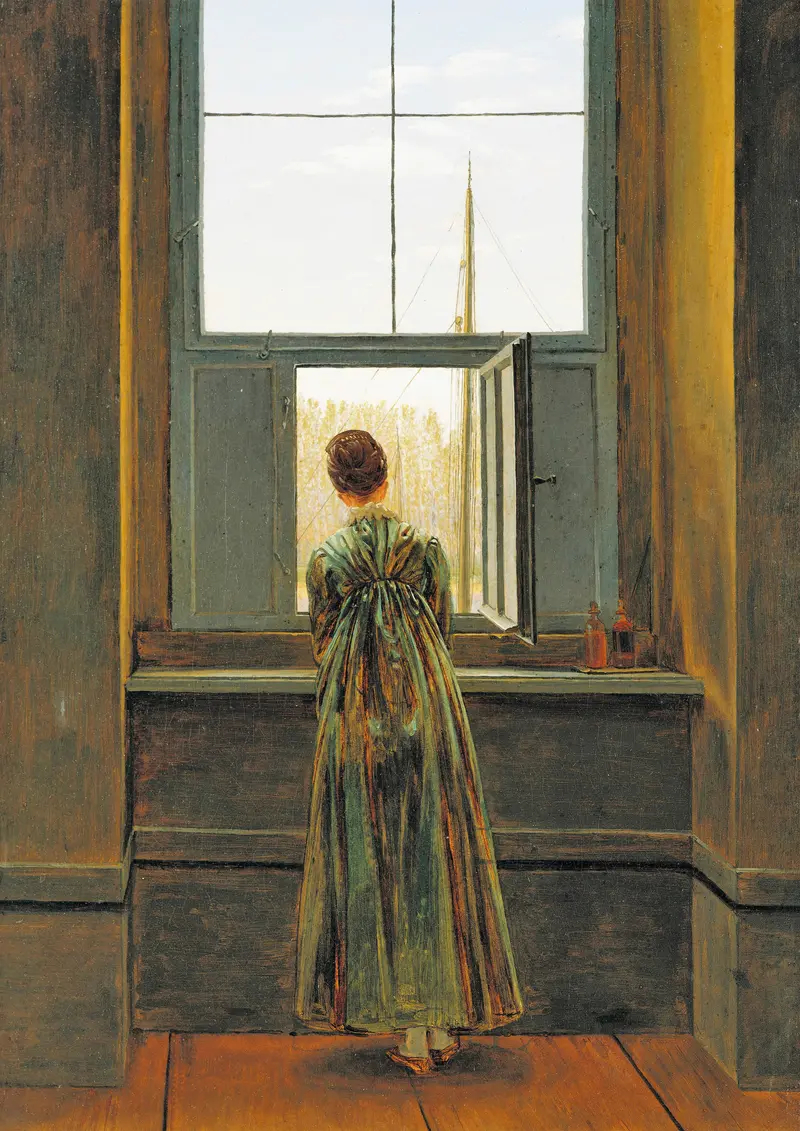
Woman at a Window
Caspar David Friedrich
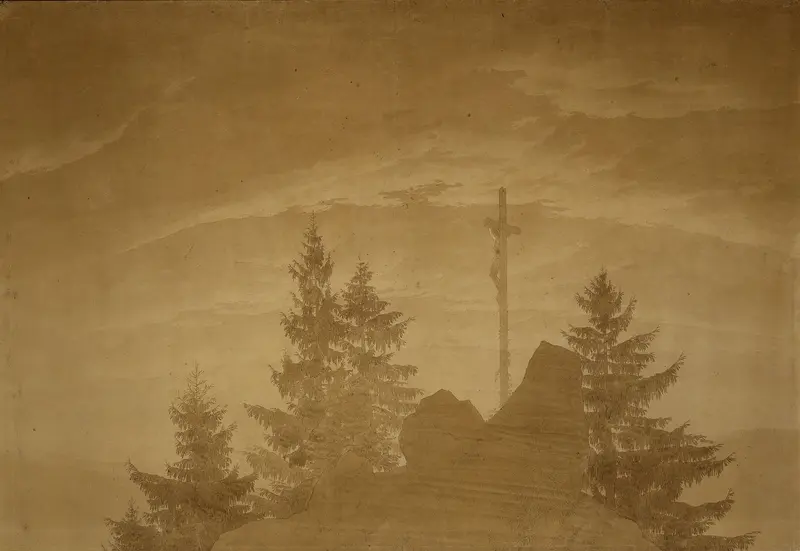
Cross in the Mountains
Caspar David Friedrich
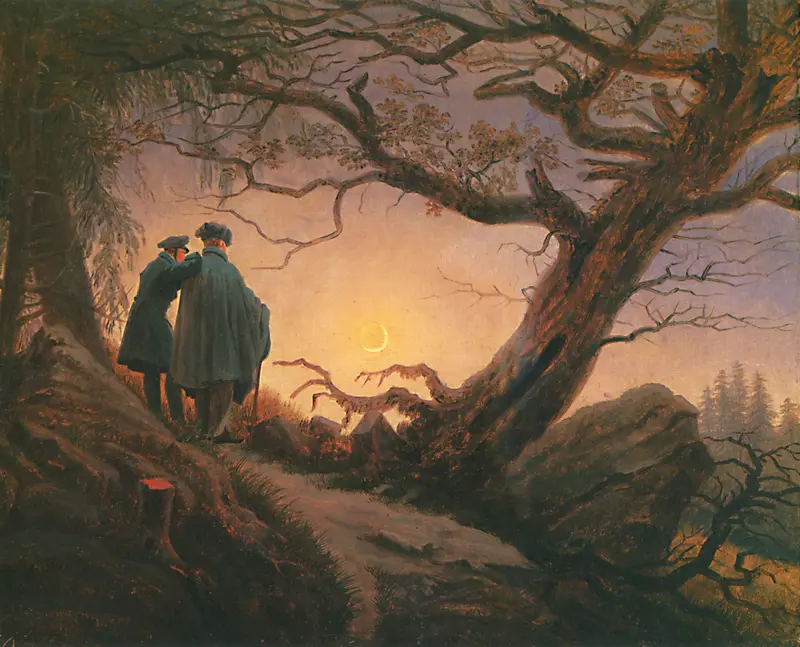
Two Men Contemplating the Moon
Caspar David Friedrich
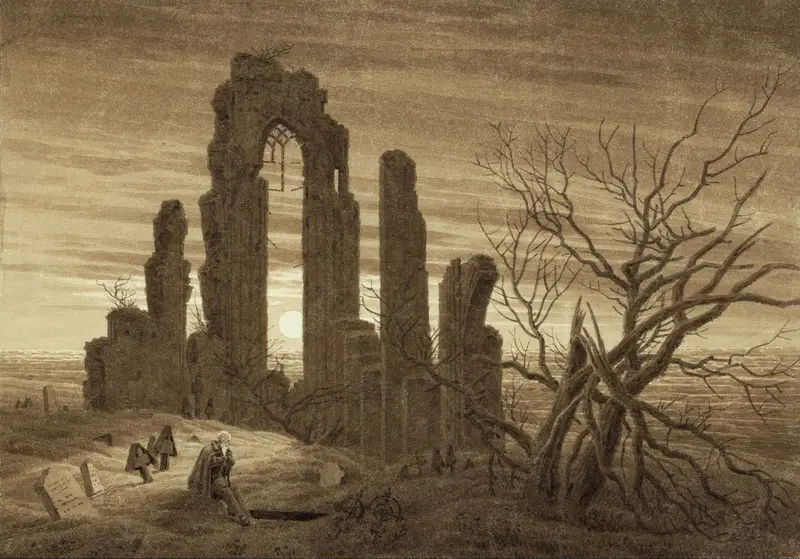
Winter – Night – Old Age and Death (from the times of day and ages of man cycle of 1803)
Caspar David Friedrich
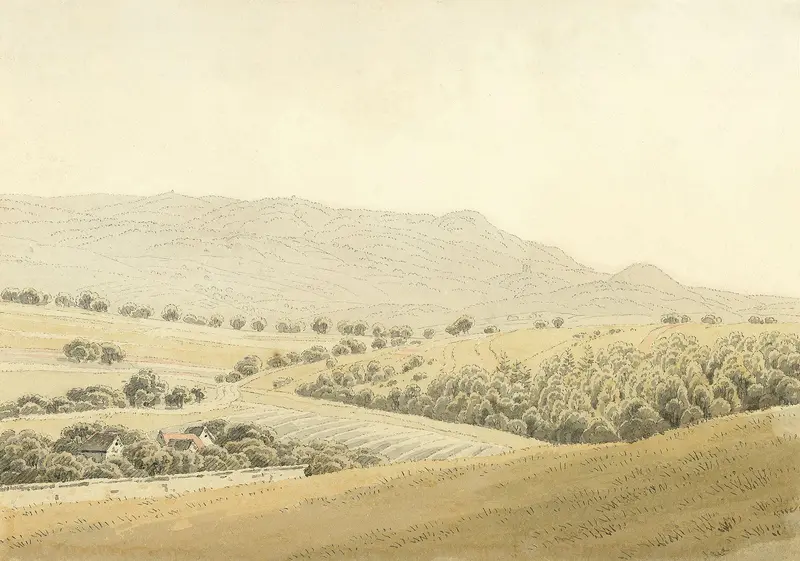
Mittelgebirgslandschaft
Caspar David Friedrich

Landschaft mit gebirgsee, morgen
Caspar David Friedrich
More Landscape Art

The Starry Night
Vincent van Gogh

View of Delft
Johannes Vermeer

Water Lilies
Claude Monet

The Grand Canal, Venice, looking north-west from the Ca' Corner to the Ca' Contarini degli Scrigni, with the campanile of Santa Maria della Carità
Canaletto

Windsor Castle
Canaletto

The Grand Canal looking North-East from the Palazzo Dolfin-Manin to the Rialto Bridge
Canaletto