
Seascape — History & Facts
Could a single brushstroke hold eternity? Within the shimmering blues and greens of Seascape, hope dances along the horizon, inviting the viewer to immerse themselves in the tranquil embrace of the sea. Begin by focusing on the lively strokes of color that blend seamlessly at the center of the canvas, capturing the dynamic interplay of water and sky. Notice how the whites and pale yellows of the clouds reflect in the rippling waves below, creating a harmonious dialogue. Each brushstroke breathes life, as if the very air is filled with warmth and possibility, while the soft, undulating lines guide the eye across the expansive scene. Beneath the surface, the painting embodies a contrast between calm and movement.
The gentle rise and fall of the waves evoke a sense of peace, yet the vibrant colors suggest a fleeting moment charged with energy. The play of light hints at the ephemeral nature of existence, where every glance at the painting reveals a new nuance, a fresh perspective. In this dance of color and form, the message resonates: even amidst the chaos, hope can be found in the constant ebb and flow. In 1879, Renoir painted Seascape during a time of artistic evolution in France.
The Impressionist movement was burgeoning, and he was deeply engaged in exploring color and light, seeking to capture the essence of a moment rather than its exact representation. This period marked a turning point in both his career and the broader artistic landscape, as he embraced the beauty of everyday life and the natural world, forever changing the course of art history.
More Artworks by Pierre-Auguste Renoir
Browse all →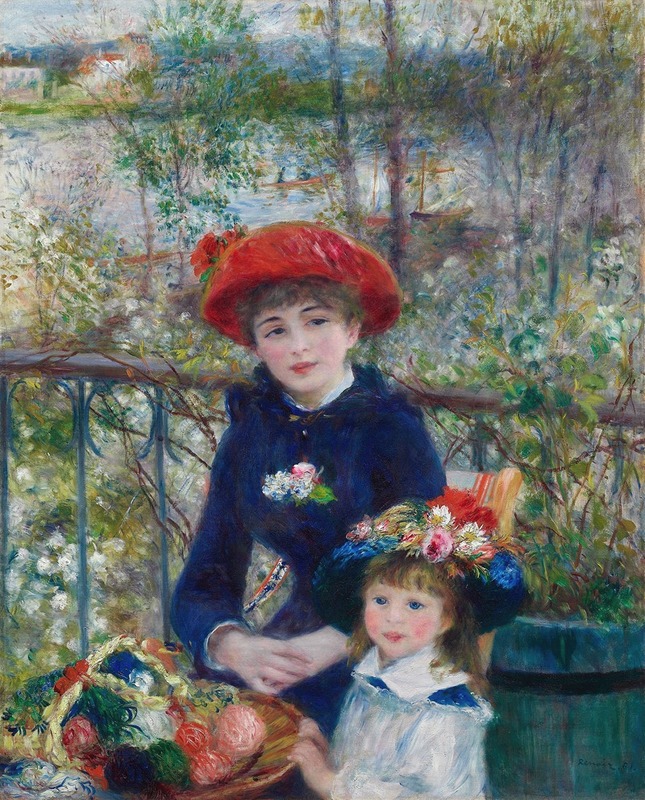
Two Sisters (On the Terrace)
Pierre-Auguste Renoir
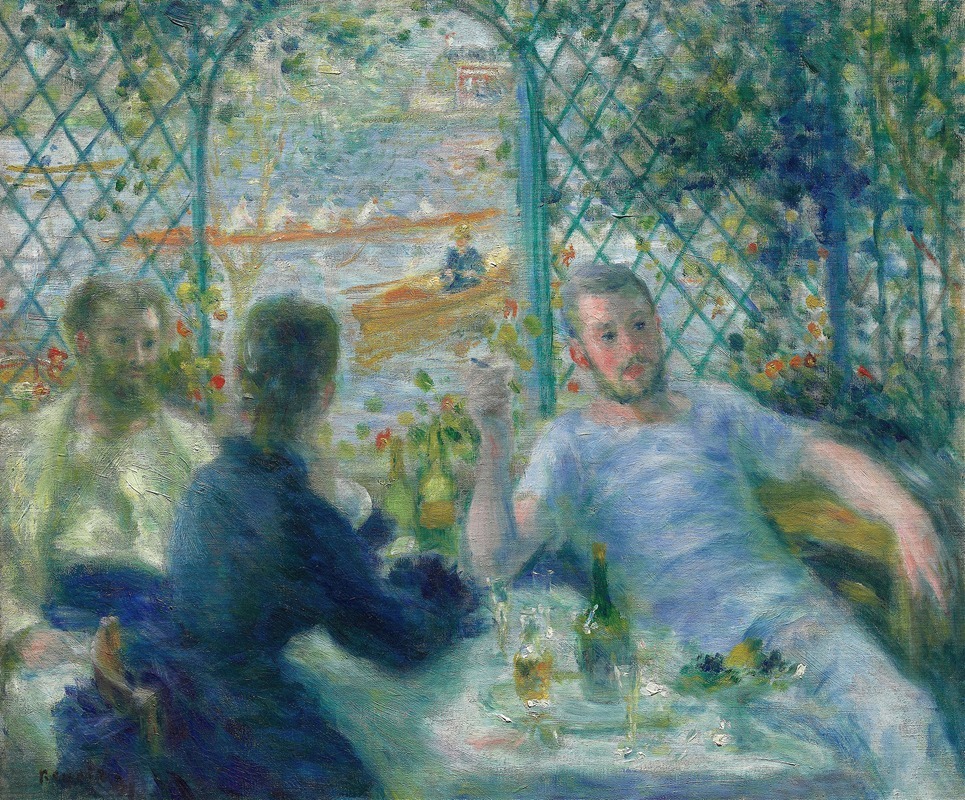
Lunch at the Restaurant Fournaise (The Rowers' Lunch)
Pierre-Auguste Renoir
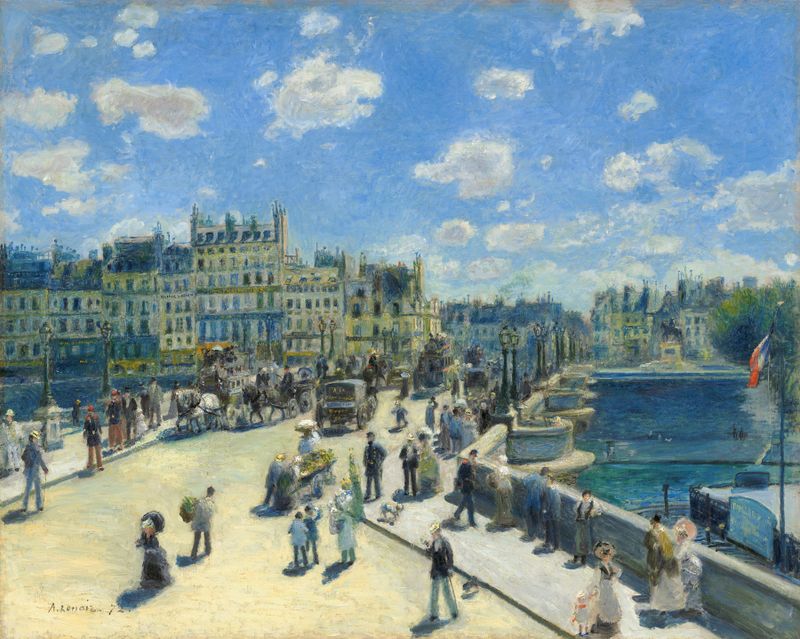
Pont Neuf, Paris
Pierre-Auguste Renoir
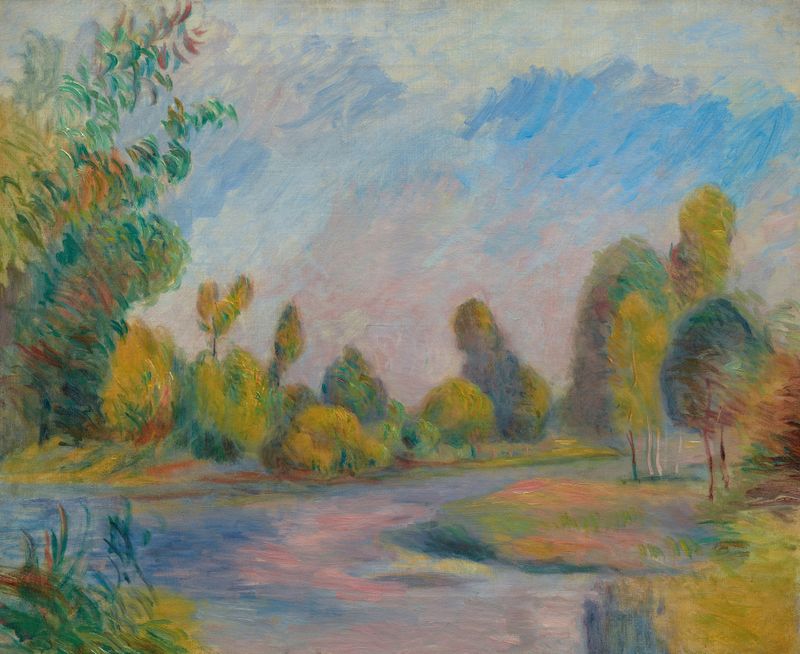
Au bord de la rivière
Pierre-Auguste Renoir

Near the Lake
Pierre-Auguste Renoir
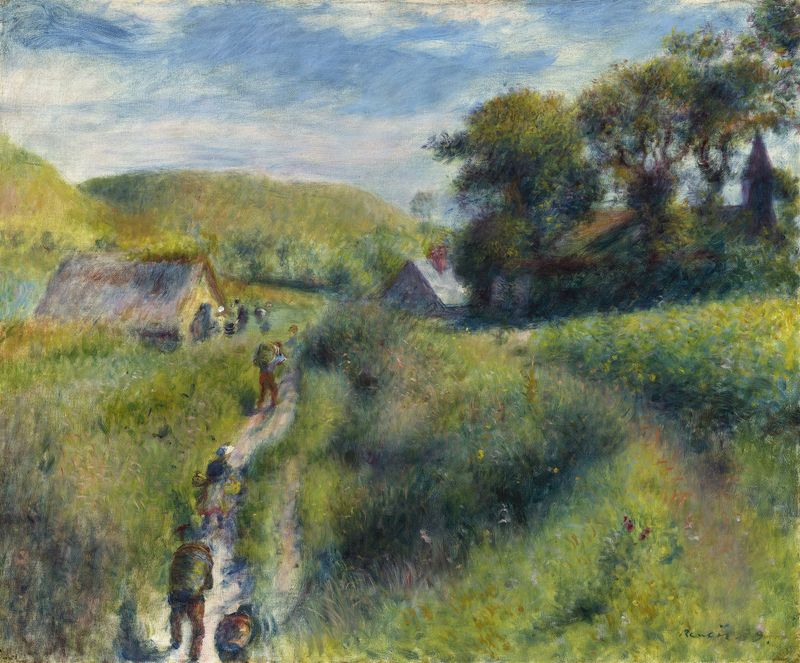
The Mussel Harvest
Pierre-Auguste Renoir

The Seine at Chatou
Pierre-Auguste Renoir
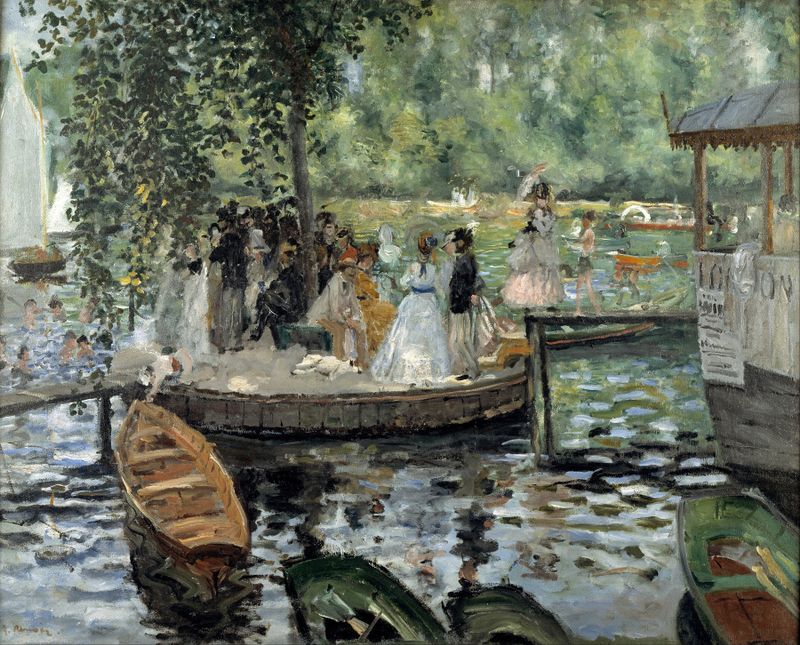
La Grenouillère
Pierre-Auguste Renoir
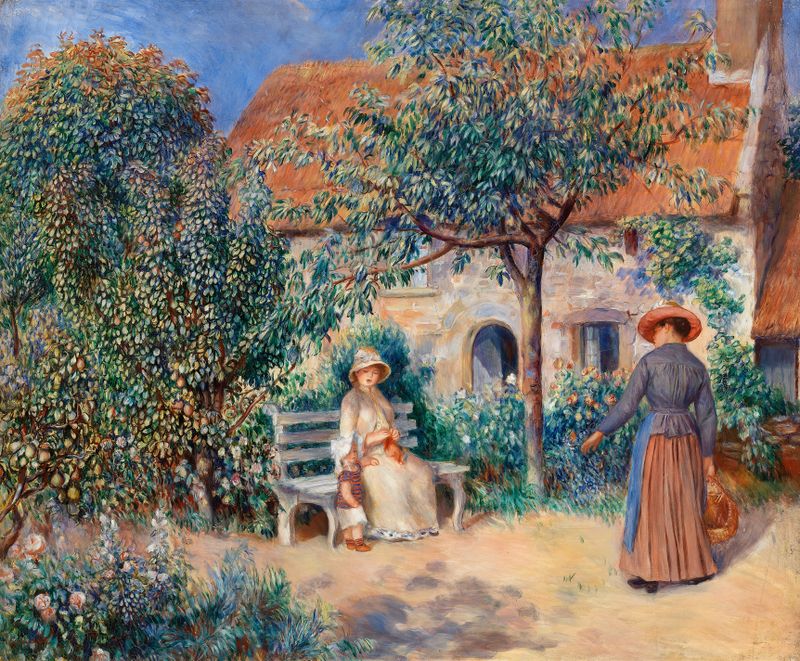
In Brittany (En Bretagne)
Pierre-Auguste Renoir
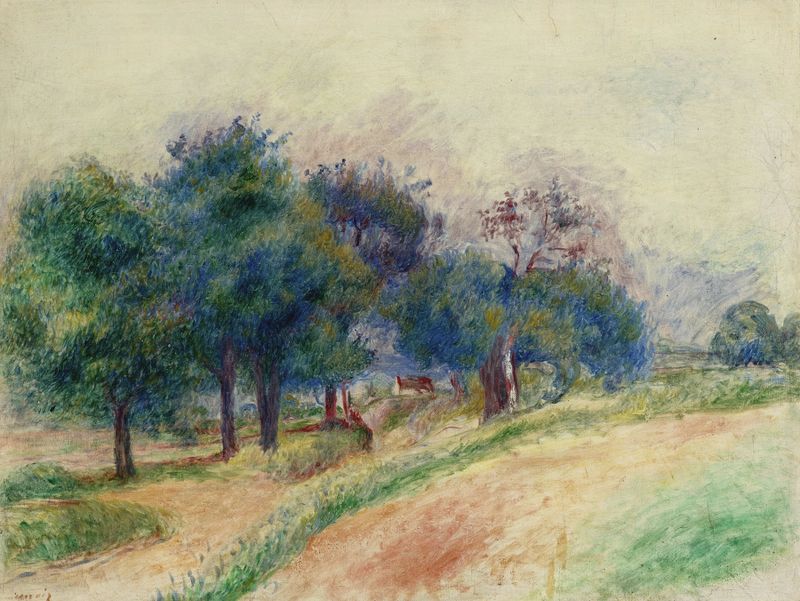
Paysage d’Essoyes
Pierre-Auguste Renoir





