
Seated Farmer, Study for Haugianerne — History & Facts
What draws the eye first in Seated Farmer, Study for Haugianerne is the sitter’s posture: hands folded, shoulders slightly hunched, gaze cast downward. There is nothing casual about this moment. The man’s red vest and rough-spun trousers are painted with a care that makes every crease and patch speak of long labor, yet his pose is one of stillness, even tension.
The light falls from the left, catching the planes of his face and the knuckles of his hands, isolating him against a nearly featureless brown background. The table at his side is abruptly cut off, as if the world has shrunk to the space he occupies—his seat, his thoughts, and the quiet gravity of waiting. Painted in 1846 by Adolph Tidemand, this study belongs to a period when artists across Scandinavia turned their attention to rural life, not as picturesque scenery but as the heart of national identity. The mid-19th century saw Norway’s painters and writers seeking to capture the dignity and hardship of ordinary people, often in the context of religious revival or social change.
Works like this, now held by the National Museum of Art, Architecture and Design, were rarely grand commissions; rather, they were studies, fragments, or records of a world in flux. If history has left few traces of this particular sitter, the painting itself remains a testament to a time when the quiet endurance of a single farmer could stand for a nation’s soul. Look again at his hands—they hold the weight of more than just a day’s work.
More Artworks by Adolph Tidemand

Bridal Procession on the Hardangerfjord
Adolph Tidemand
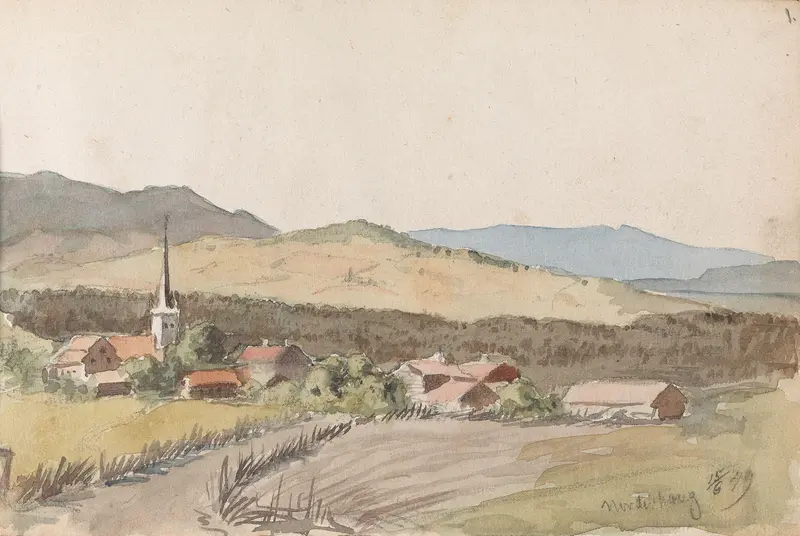
Fra Haugsbygd
Adolph Tidemand
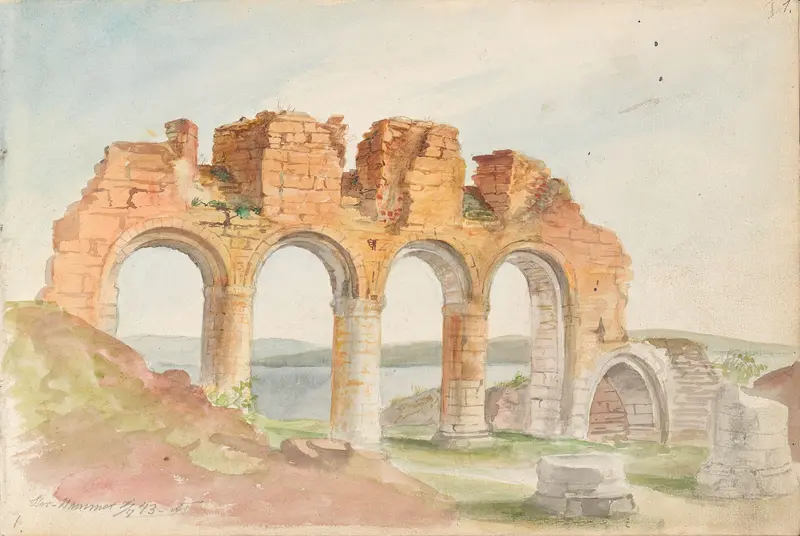
Domkirkeruinen, Hamar
Adolph Tidemand
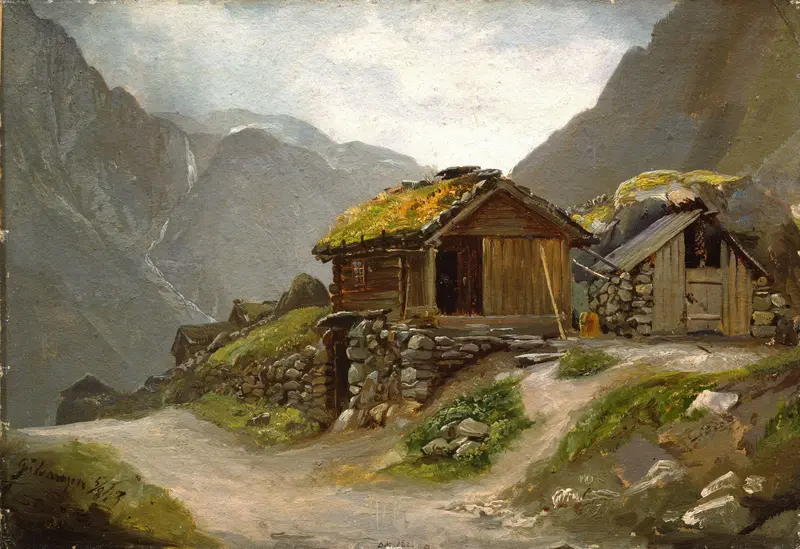
View from Gudvangen
Adolph Tidemand
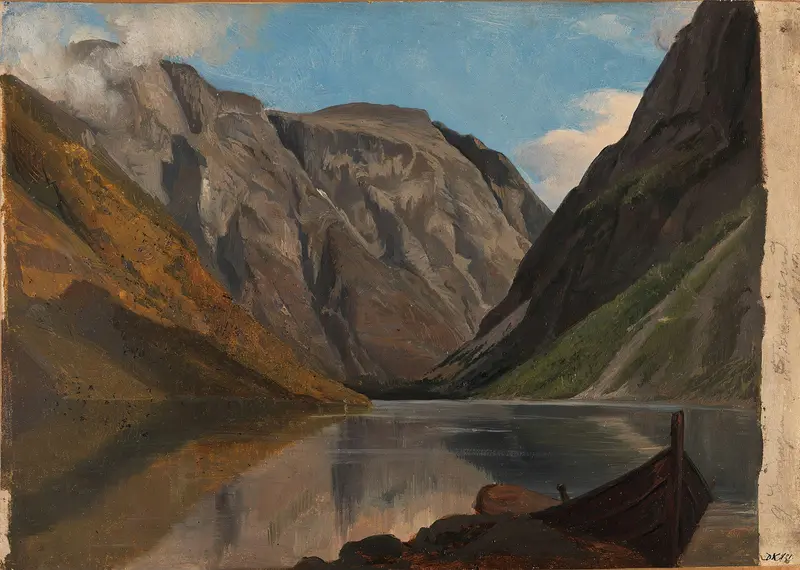
View of Gudvangen
Adolph Tidemand
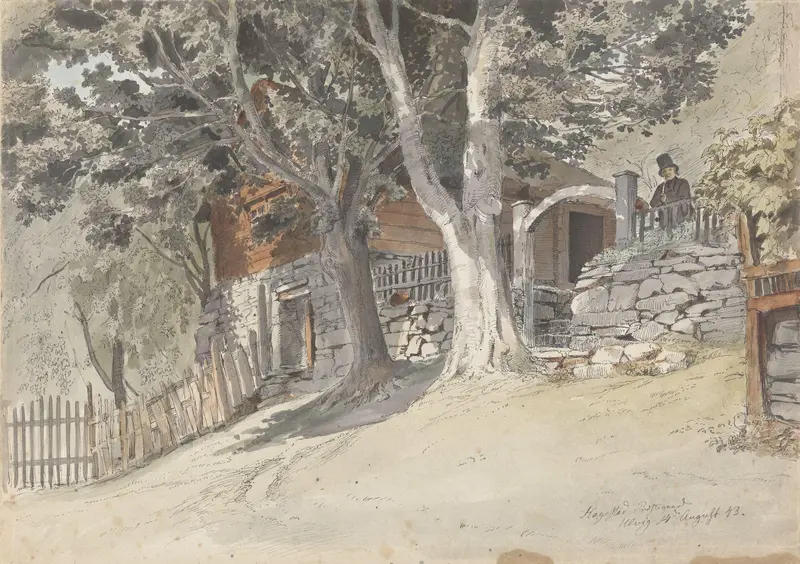
Hagestad prestegård, Ulvik i Hardanger
Adolph Tidemand
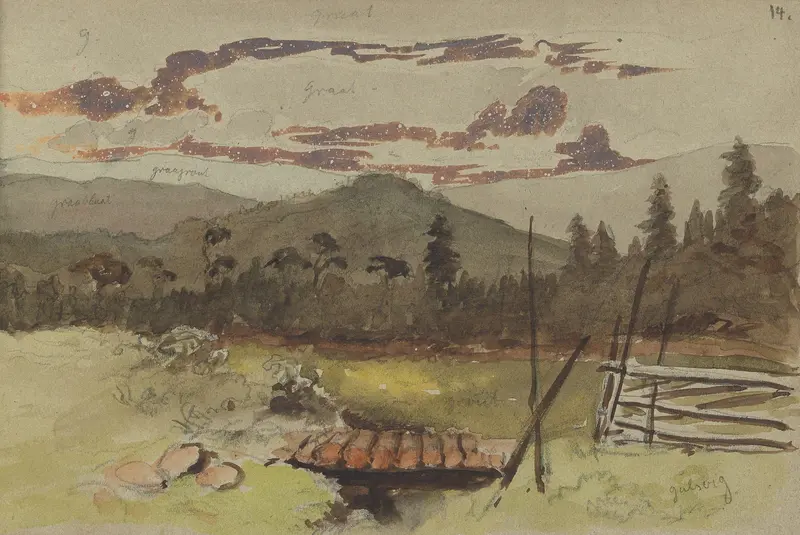
Fra Gulsvik
Adolph Tidemand
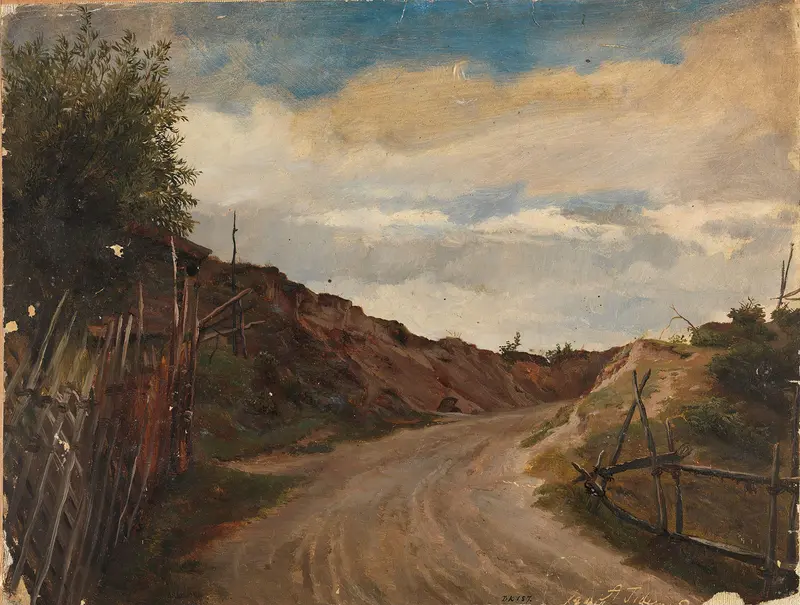
Country Road
Adolph Tidemand
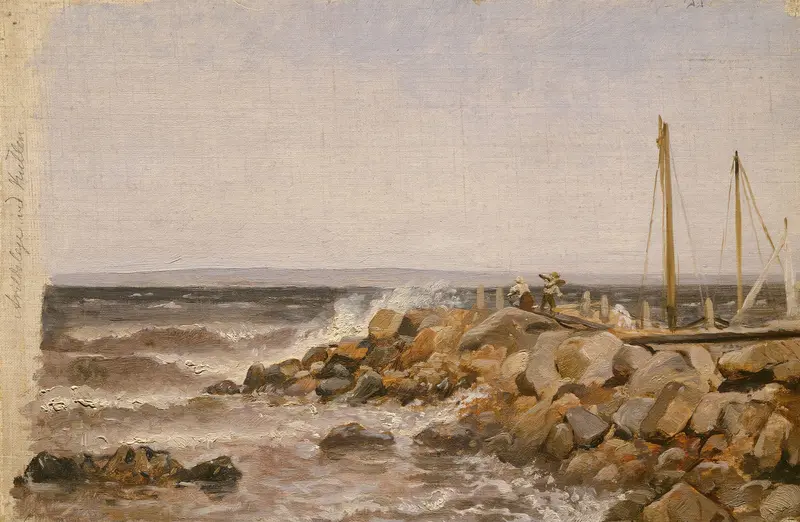
From Kullen in Sweden
Adolph Tidemand
Untitled
Adolph Tidemand





