
Secchubashi — History & Facts
The stillness of a winter's day invites contemplation, urging us to explore the quiet spaces of both nature and the human experience. Look to the center of the composition, where the graceful arch of the bridge draws the eye, leading us seamlessly into the serene landscape. The delicate snow clings to the bridge’s surface, its soft white contrasting sharply with the deeper blues and grays of the surrounding waters. Notice how the gentle strokes suggest movement in the water below, creating an effect that feels both tranquil and restless, as if nature itself is holding its breath. Yet, beneath this peaceful exterior lies an emotional resonance.
The emptiness of the scene speaks volumes, echoing the loneliness that often accompanies quiet moments. The bridge becomes a symbol of connection, yet it stands isolated against the vast expanse of snow. This juxtaposition highlights the tension between solitude and the human desire for togetherness, evoking a poignant sense of yearning. In the early 20th century, Takahashi Hiroaki created Secchubashi as part of a series that celebrated the beauty of Japan's landscapes while also experimenting with Western techniques.
Living in an era of cultural transition, he skillfully combined traditional Japanese aesthetics with new artistic influences, reflecting the complex dynamics of his time.
More Artworks by Takahashi Hiroaki
Browse all →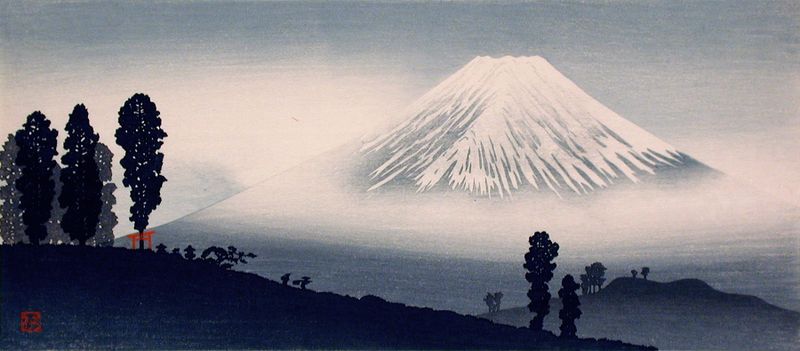
Mount Fuji
Takahashi Hiroaki

Mount Fuji seen near Tamaho, Dawn
Takahashi Hiroaki
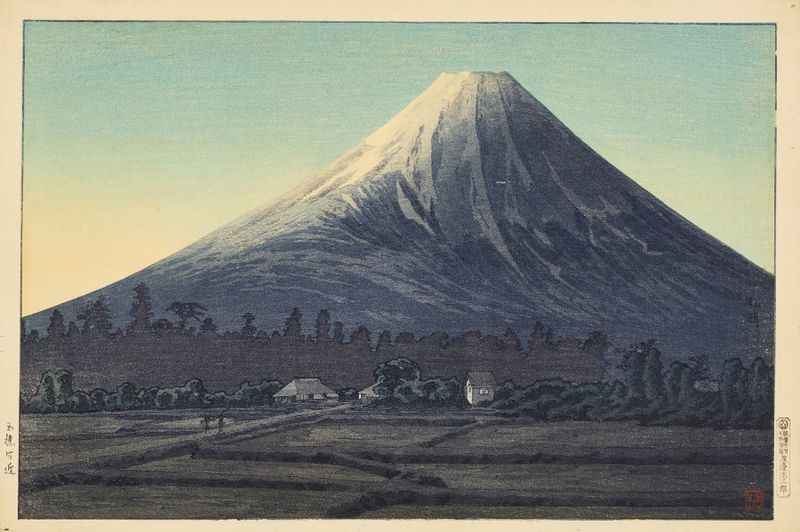
Mount Fuji seen near Tamaho, day
Takahashi Hiroaki
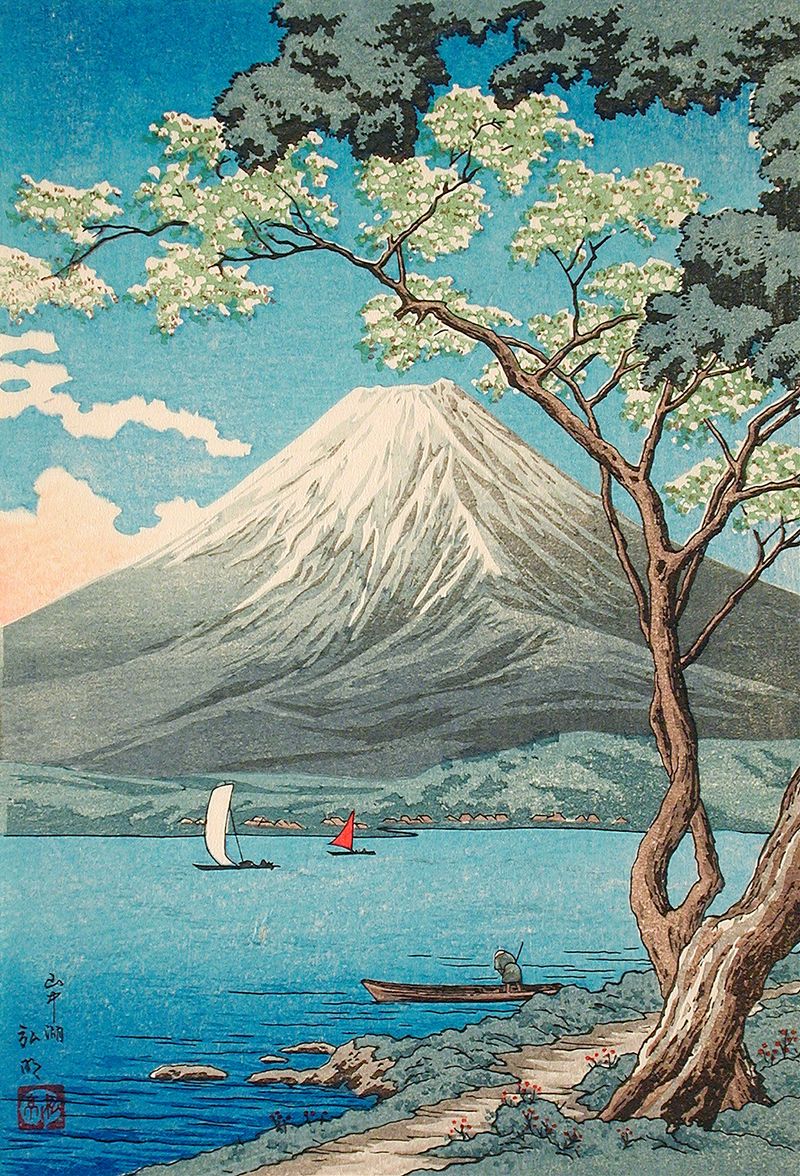
Mount Fuji from Lake Yamanaka
Takahashi Hiroaki

Mt. Fuji from Tagonoura, Snow Scene
Takahashi Hiroaki

Egoda no tsuki
Takahashi Hiroaki
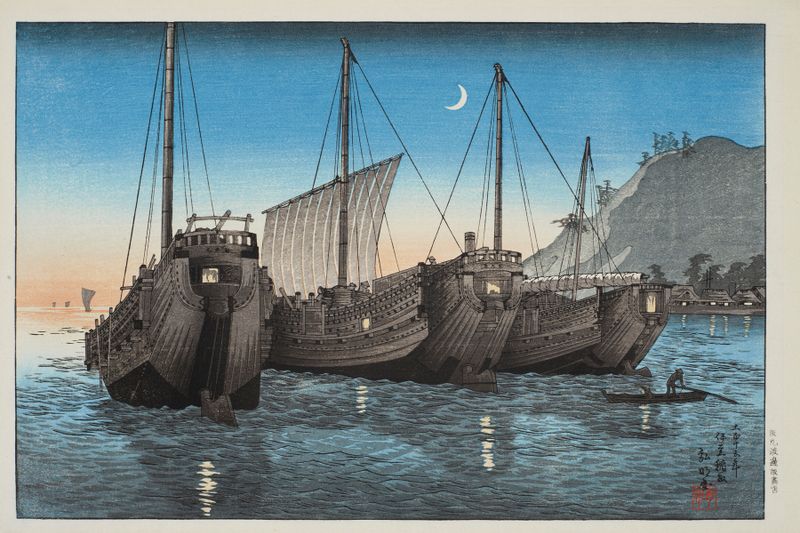
Junks in Inatori Bay, Izu
Takahashi Hiroaki

Izumibashi no ame
Takahashi Hiroaki
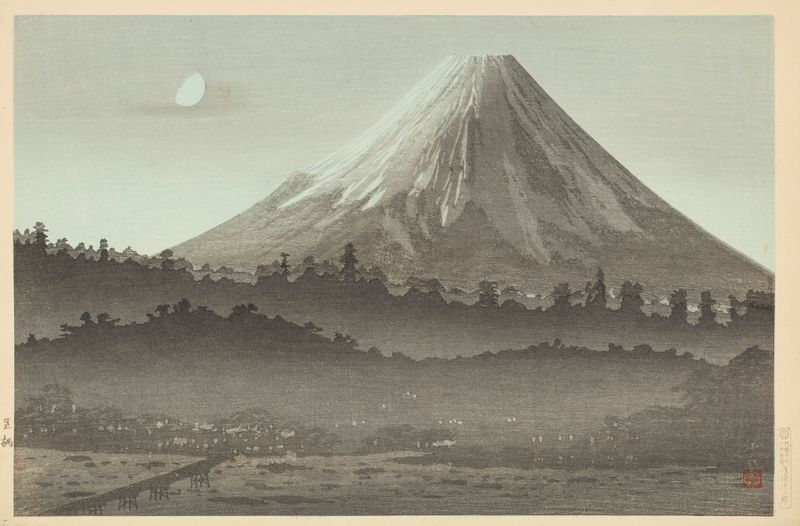
Mount Fuji seen near Tamaho, Night
Takahashi Hiroaki

Fishing nets at Tsukuda
Takahashi Hiroaki





