Discover insights about this artwork
Secession. XVIII. Ausstellung — History & Facts
In Secession. XVIII. Ausstellung, Gustav Klimt presents a vibrant array of colors, primarily gold and deep hues.
The composition features a series of intricate figures, each adorned with elaborate patterns and textures. The setting appears to be a celebration of artistic expression, reflecting the spirit of the Vienna Secession movement. The figures are interconnected, creating a sense of unity amidst the diversity of forms. The painting is characterized by Klimt's signature use of gold leaf and ornamental detail, which adds depth and richness to the work.
The figures are stylized, showcasing the artist's interest in both realism and abstraction. Viewers can observe the meticulous brushwork and layering of colors that create a luminous effect. The overall composition is balanced, drawing the eye across the canvas. Gustav Klimt was a prominent figure in the Vienna Secession, a movement that sought to break away from traditional artistic conventions.
This work reflects his innovative approach to combining decorative elements with figurative art. An interesting fact about this piece is that it was created for the 18th exhibition of the Vienna Secession, highlighting the importance of this event in the art world. Klimt's work often explores themes of love, beauty, and the female form, making him a key figure in the Symbolist movement.
More Artworks by Gustav Klimt
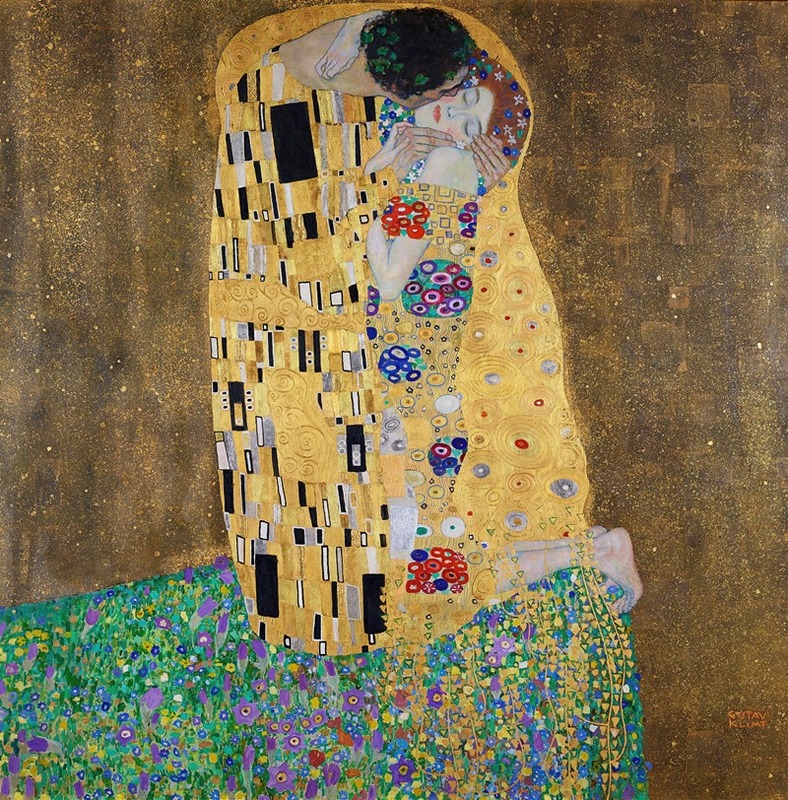
The kiss
Gustav Klimt
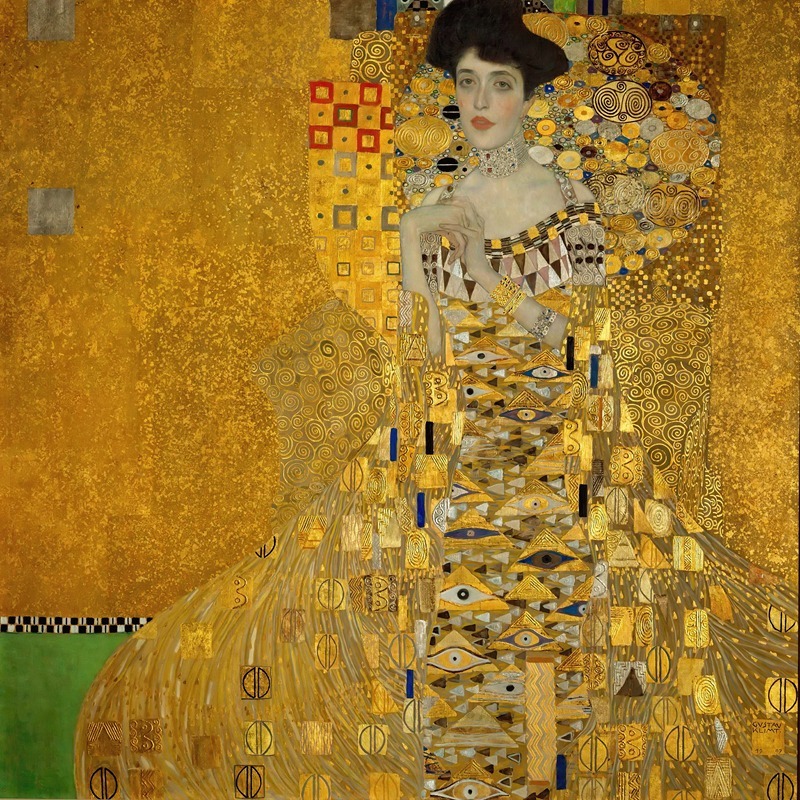
Portrait of Adele Bloch-Bauer I
Gustav Klimt
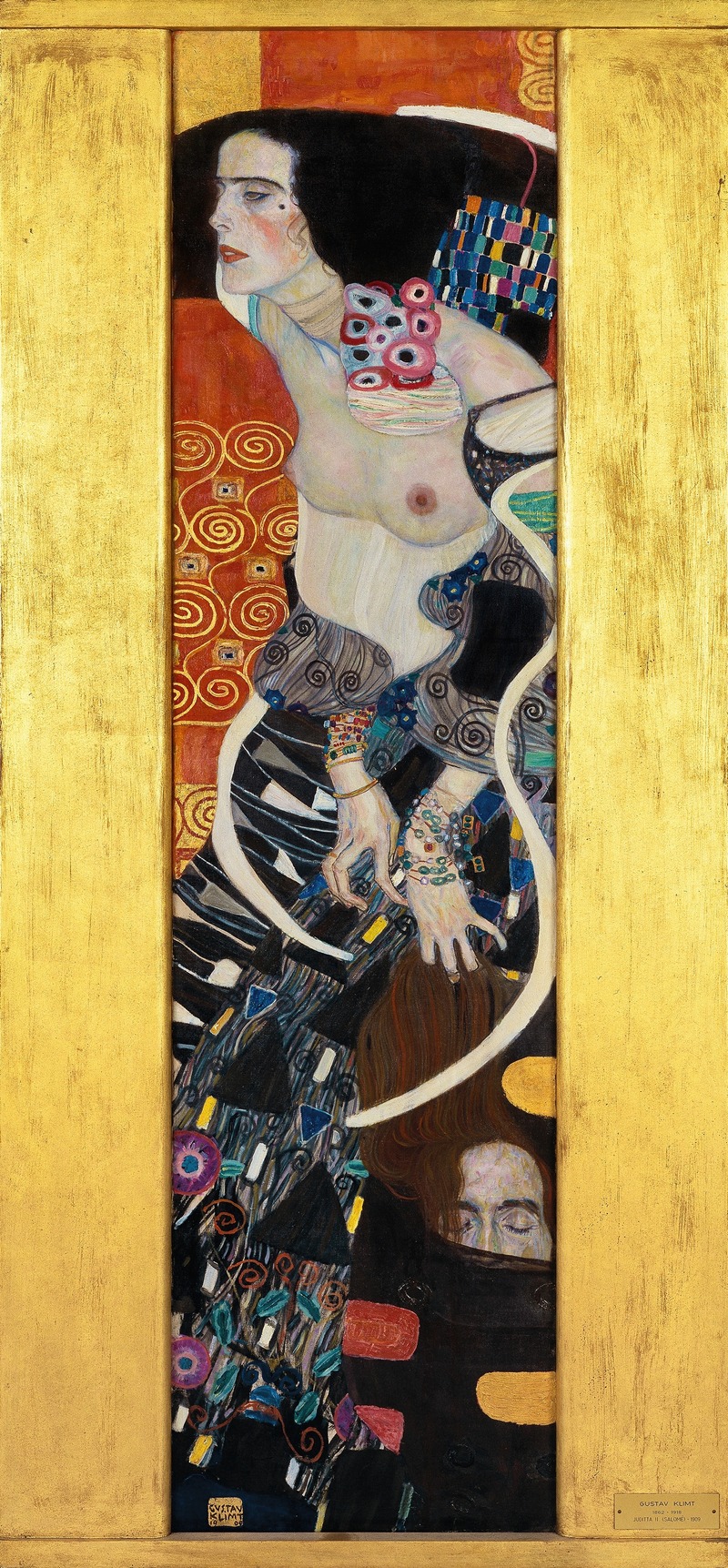
Judith II (Salome)
Gustav Klimt
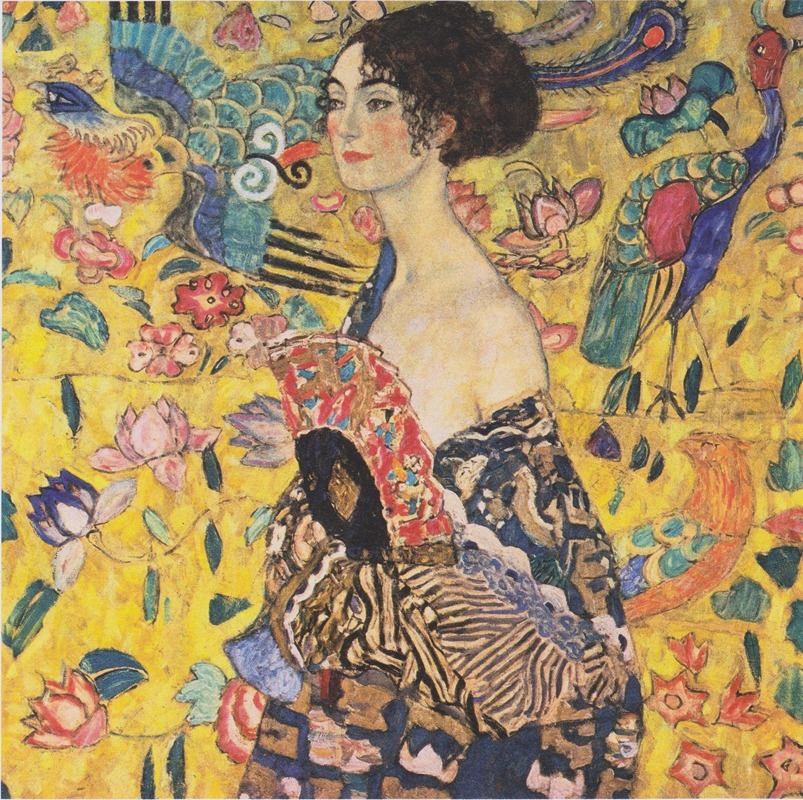
Woman with fan
Gustav Klimt
The kiss (lovers)
Gustav Klimt
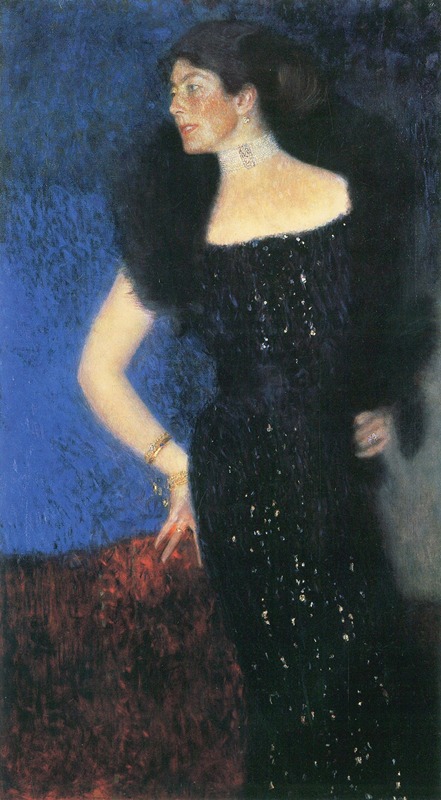
Portrait of Rose von Rosthorn-Friedmann
Gustav Klimt
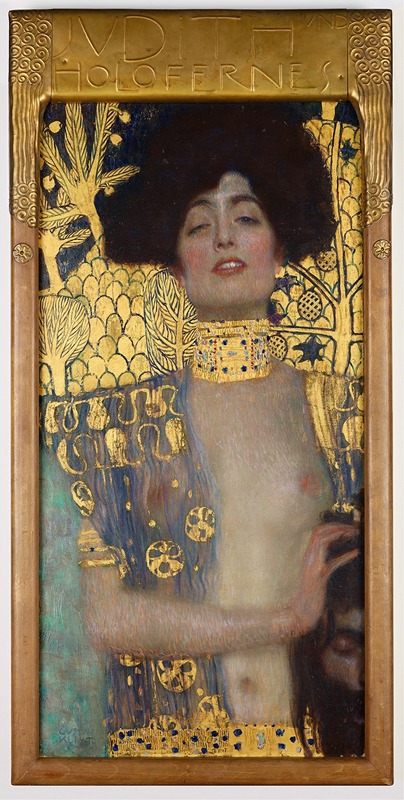
Judith
Gustav Klimt
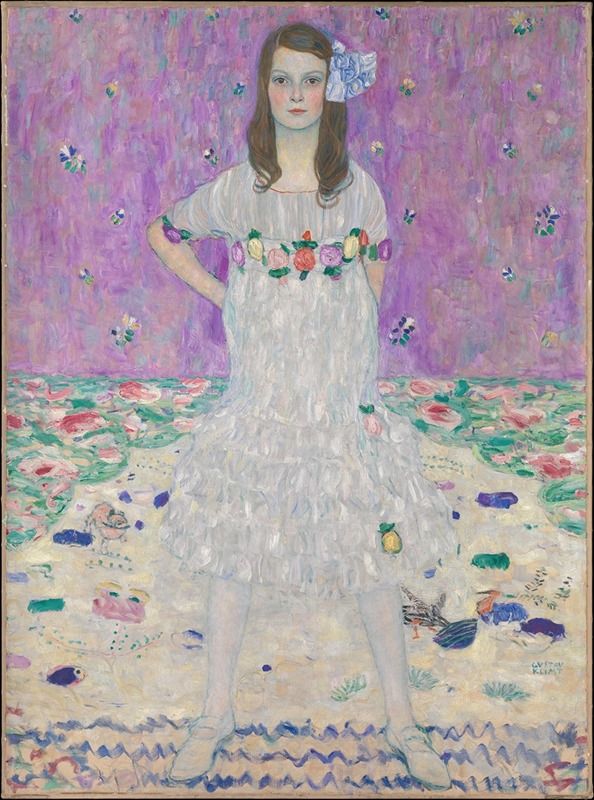
Mäda Primavesi
Gustav Klimt
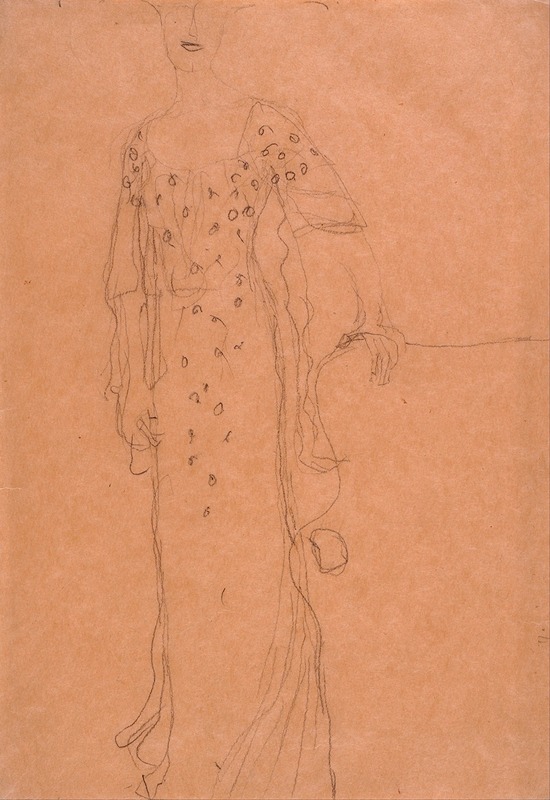
Study for Portrait of Adele Bloch-Bauer I
Gustav Klimt
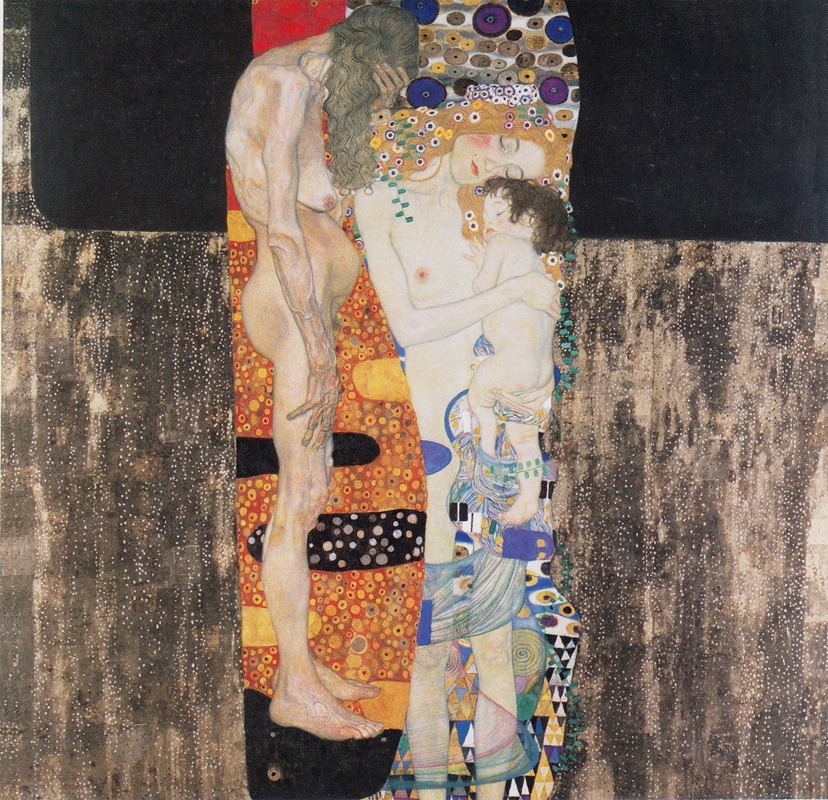
The Three Ages of the Woman
Gustav Klimt