
Self-Portrait in Moonlight — History & Facts
In Self-Portrait in Moonlight, Edvard Munch presents a haunting image of himself bathed in soft moonlight. The palette is dominated by deep blues and silvery whites, creating a night-time atmosphere. Munch's face is partially shadowed, enhancing the sense of mystery and introspection.
The background is abstract, suggesting a dream-like quality that is characteristic of his work. The painting is executed in oil on canvas, a medium that allows for rich texture and depth. Munch's brushwork is expressive, with visible strokes that convey emotion and movement. The composition is centered around the figure, drawing the viewer's attention directly to his contemplative expression.
The use of light and shadow is particularly striking, emphasizing the emotional weight of the piece. Edvard Munch was a key figure in the Expressionist movement, known for his exploration of psychological themes. This self-portrait reflects his personal struggles and the influence of his tumultuous life experiences. Interestingly, Munch often painted self-portraits as a means of self-exploration and understanding.
Self-Portrait in Moonlight is a testament to his ability to convey complex emotions through his art.
More Artworks by Edvard Munch

The Scream
Edvard Munch

The Scream (1910 version)
Edvard Munch

Despair
Edvard Munch

The Day After
Edvard Munch
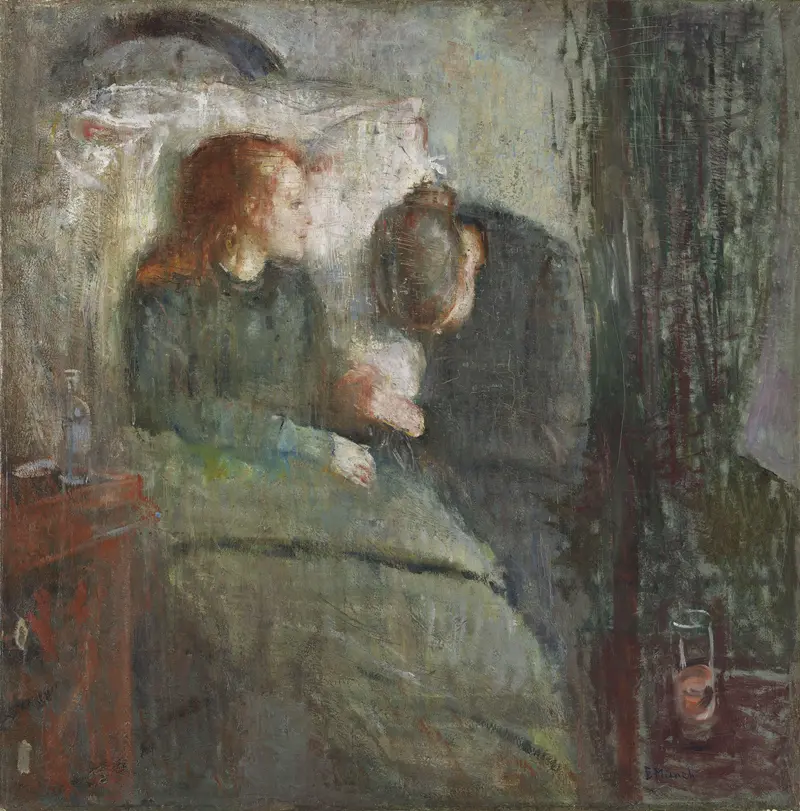
The Sick Child
Edvard Munch
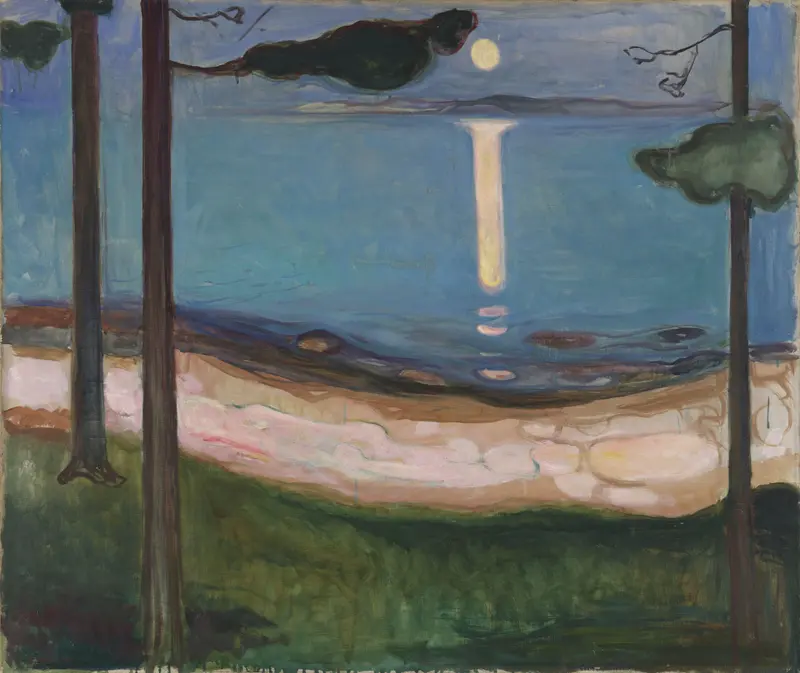
Moonlight
Edvard Munch
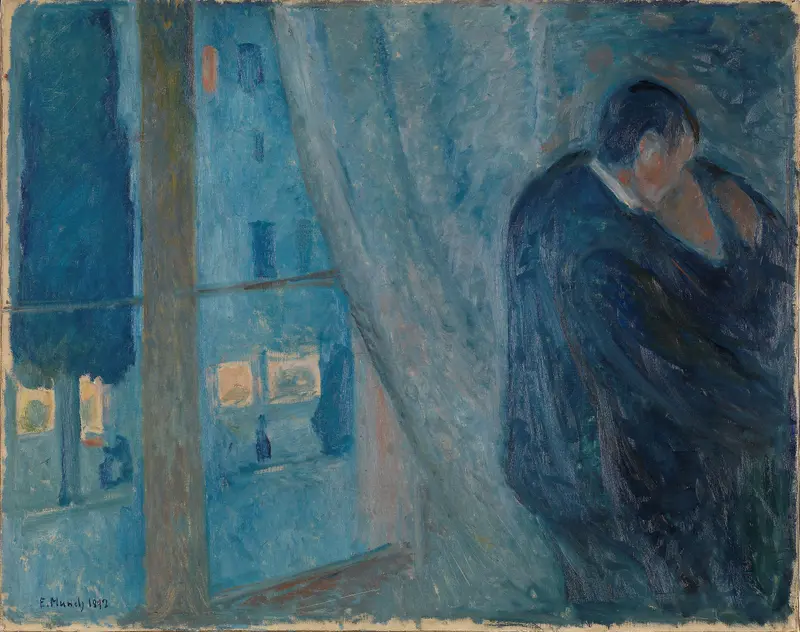
The Kiss
Edvard Munch
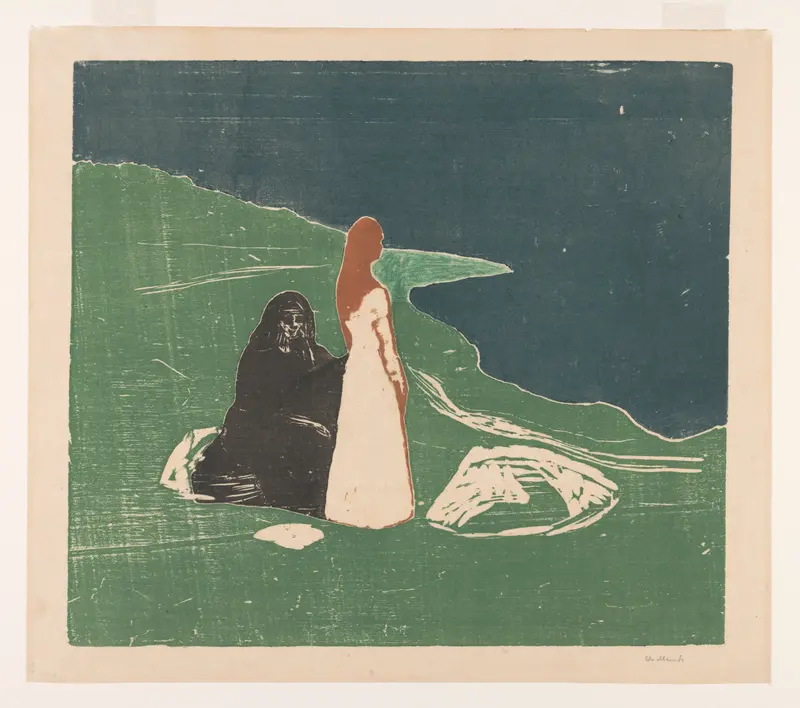
Two Women on the Shore
Edvard Munch
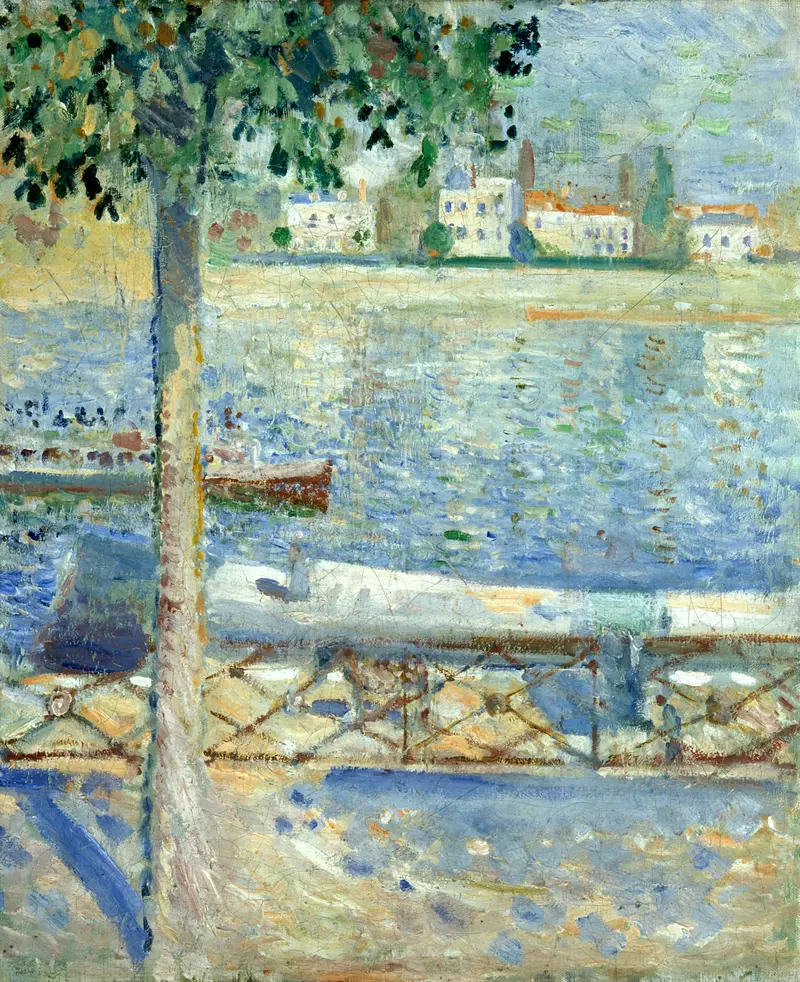
The Seine At Saint-Cloud
Edvard Munch
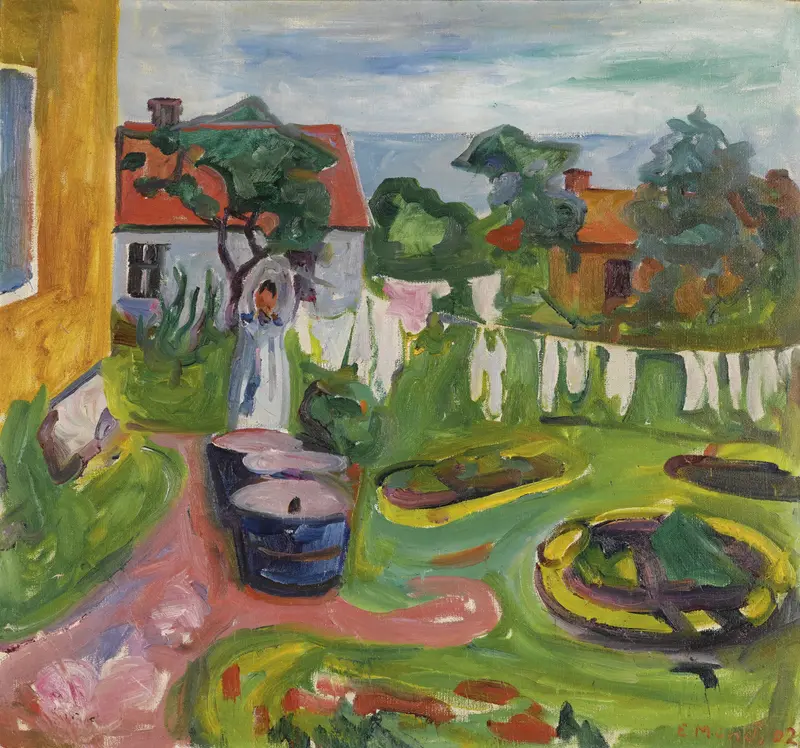
Klestørk I Åsgårdstrand (Clothes On A Line In Åsgårdstrand)
Edvard Munch





