Self-Portrait — History & Facts
When Nicolas Poussin painted his Self-Portrait in 1649, he was at the height of his fame in Rome, and the work was intended as a gift for the French collector and diplomat Jean Pointel. This was no ordinary self-image: Poussin carefully constructed the painting as a statement of his intellectual ambitions and artistic identity. The portrait became so admired that it inspired a number of copies, and even prompted debates among collectors about its true meaning.
The original, painted in Rome, was sent to Paris, where it was met with curiosity and praise. Poussin presents himself not as a craftsman, but as a philosopher-artist. He stands, turned slightly, gazing directly at the viewer with a measured, thoughtful expression. In his hand, he holds a portfolio, a symbol of his profession and his status as a learned painter.
The background is sparse, but a roundel in the upper corner contains a Latin inscription, affirming his authorship and the date. Unlike the lively, informal self-portraits of Rembrandt, Poussin’s approach is controlled and composed, emphasizing reason and dignity over emotion. Every element in the painting, from the sober clothing to the calm palette, underlines his belief in painting as a rational and noble pursuit. The painting’s journey reflects its importance: after being sent to Pointel in Paris, it entered several notable collections, including those of the French royal family.
Over the centuries, its attribution has never been seriously questioned, and it is widely recognized as one of the definitive images of Poussin himself. Today, Self-Portrait resides in the Louvre, a testament to both the artist’s enduring reputation and the high esteem in which his contemporaries held him. It stands as a rare and personal glimpse into the mind of a painter who shaped the course of the Baroque in France and beyond.
More Artworks by Nicolas Poussin

Spring
Nicolas Poussin
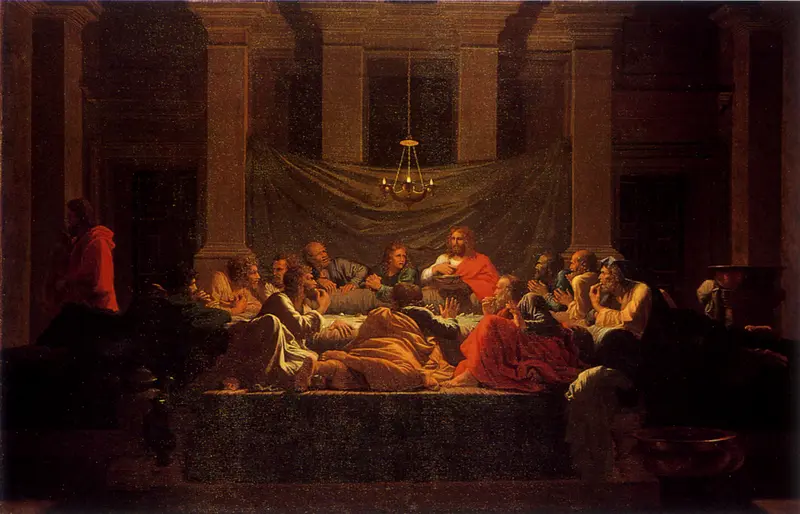
The Sacrament of the Holy Eucharist
Nicolas Poussin
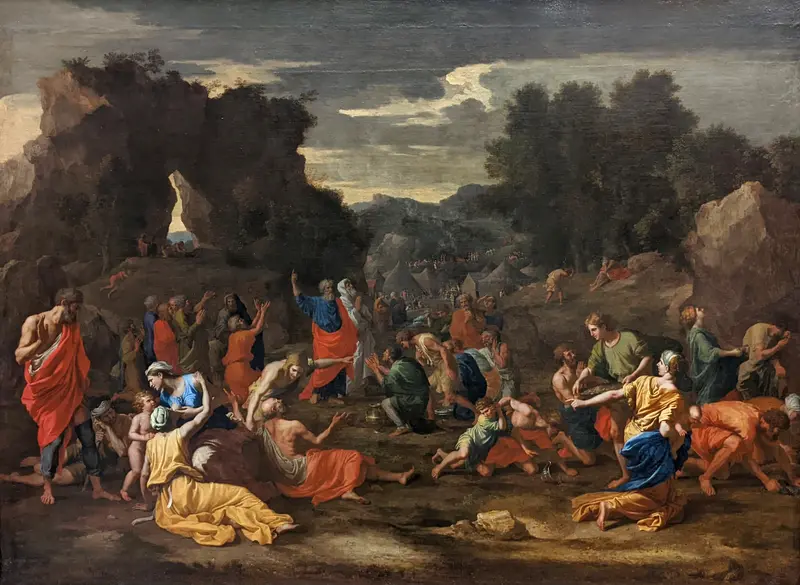
The Israelites gathering Manna in the Desert
Nicolas Poussin
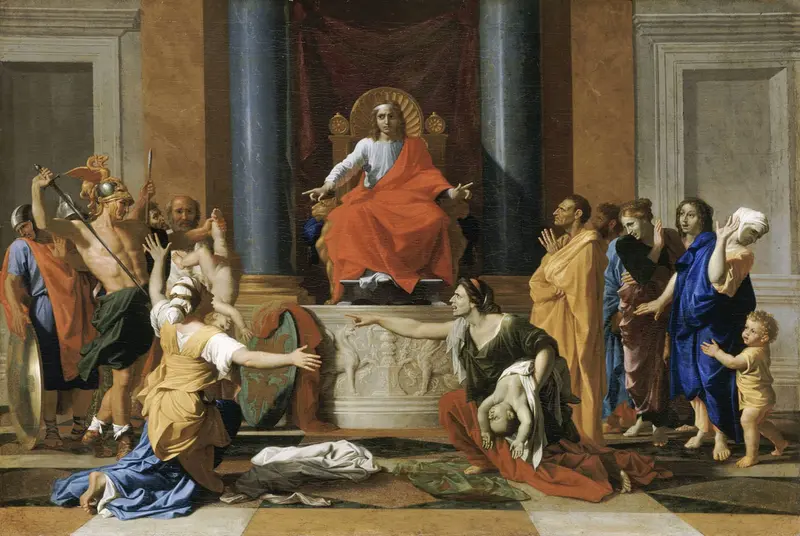
The Judgment of Solomon
Nicolas Poussin
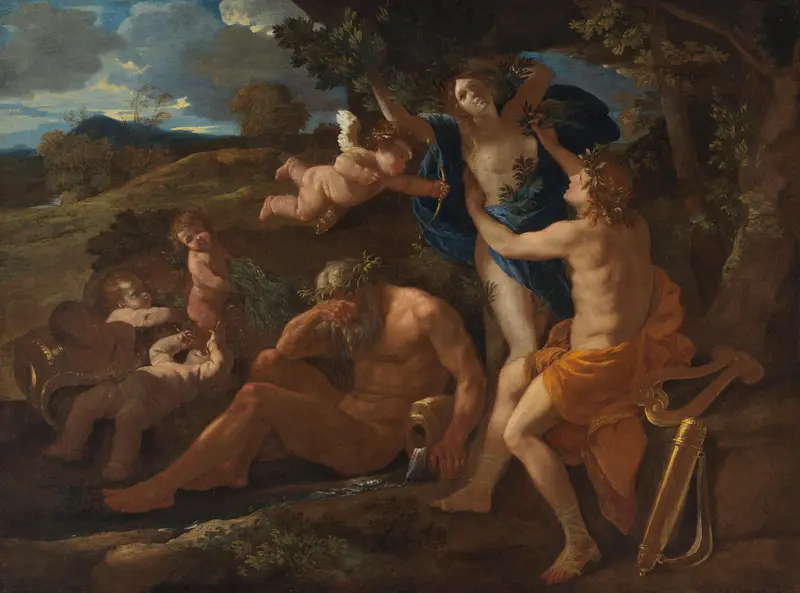
Apollo and Daphne
Nicolas Poussin

The Nurture of Jupiter
Nicolas Poussin

Ordination
Nicolas Poussin
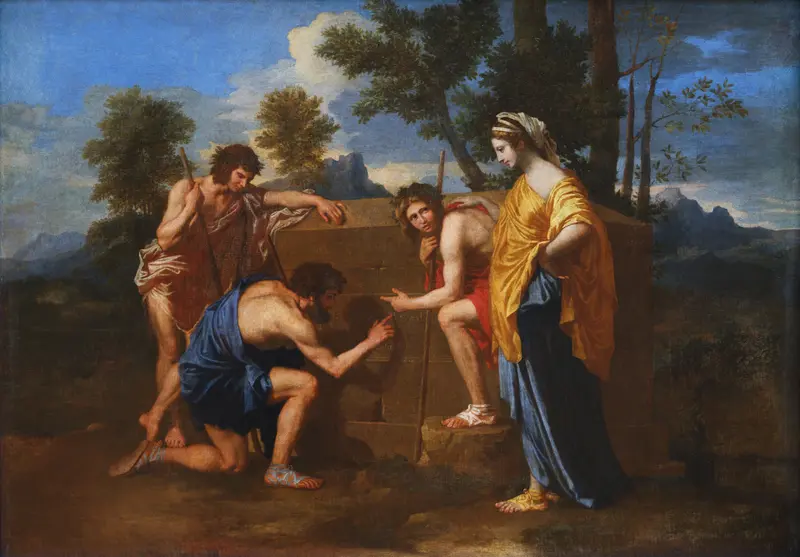
Et in Arcadia ego
Nicolas Poussin
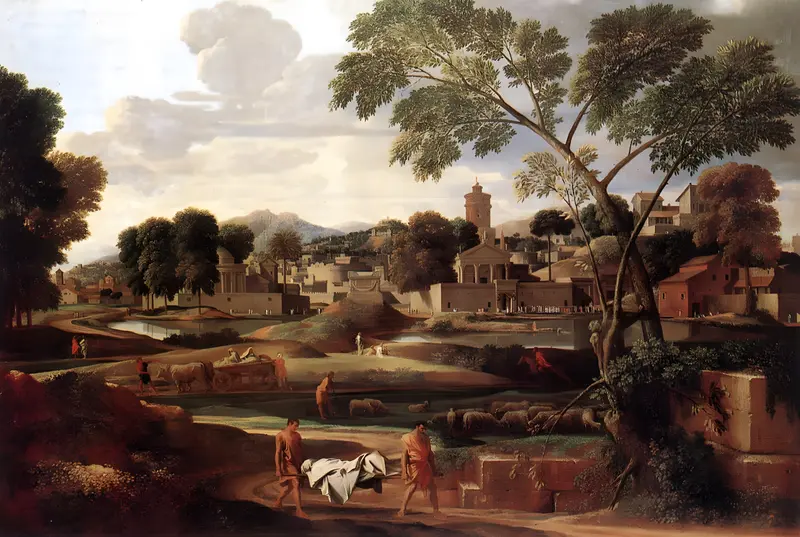
The Funeral of Phocion
Nicolas Poussin
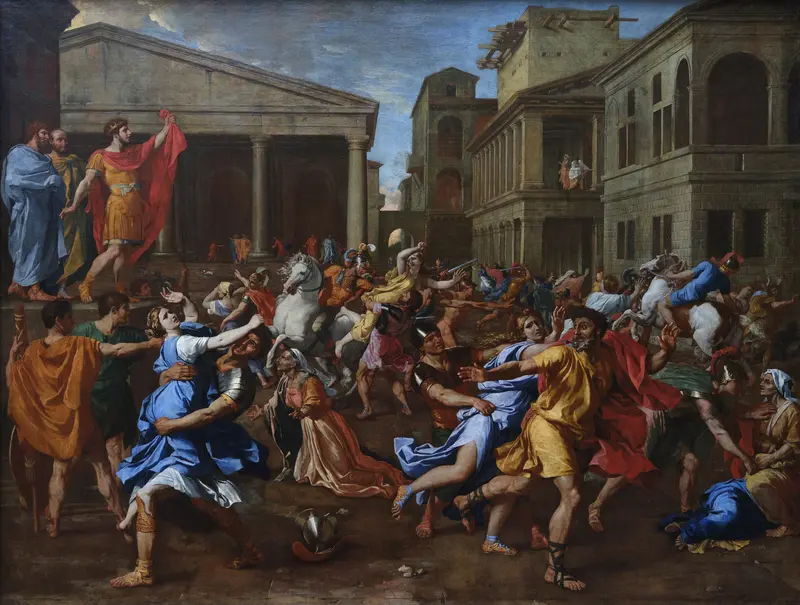
The Rape of the Sabine Women
Nicolas Poussin