
Self-Portrait with Palette — History & Facts
The first thing that grips the viewer in Self-Portrait with Palette is the directness of the artist’s gaze—startled, perhaps, or interrupted mid-thought. The sitter, Armand Guillaumin himself, twists in his chair, palette in hand, as if caught in the act of painting or reflecting on his next stroke. The palette, thick with swirls of color, is not a prop but a declaration: this is a painter’s painting, made by and for someone who knows the weight of brushes and the uncertainty of a blank canvas.
The light, cool and diffuse, falls across his face and shoulder, picking out the wiry texture of his hair and beard, while the background dissolves into deep, vibrating shadows, setting his figure in sharp relief. This work, created in 1878, belongs to a period when artists like Guillaumin were forging new paths in Paris, pushing against the boundaries of academic tradition. Self-portraits were both calling cards and acts of self-assertion, often painted for fellow artists or a small circle of collectors. The loose, visible brushwork and the bold use of color mark this as a product of the Impressionist moment—a movement that sought to capture fleeting sensations and the truth of immediate experience.
Now part of the Van Gogh Museum collection, this painting stands as a testament to an era when painters remade the rules of art, and to a man who met his own gaze in the mirror, brush poised, daring himself to see more.
More Artworks by Armand Guillaumin

La Seine À Charenton
Armand Guillaumin
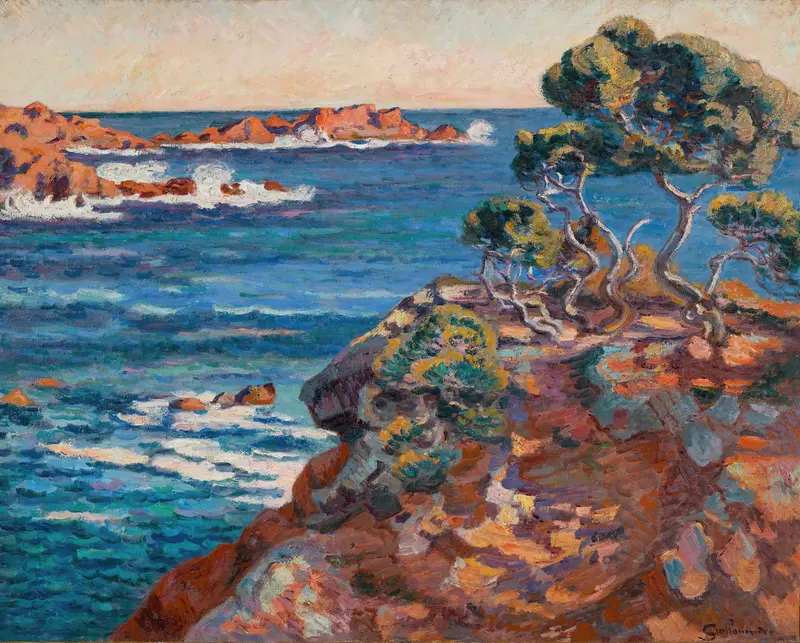
Bord De Mer À Agay
Armand Guillaumin
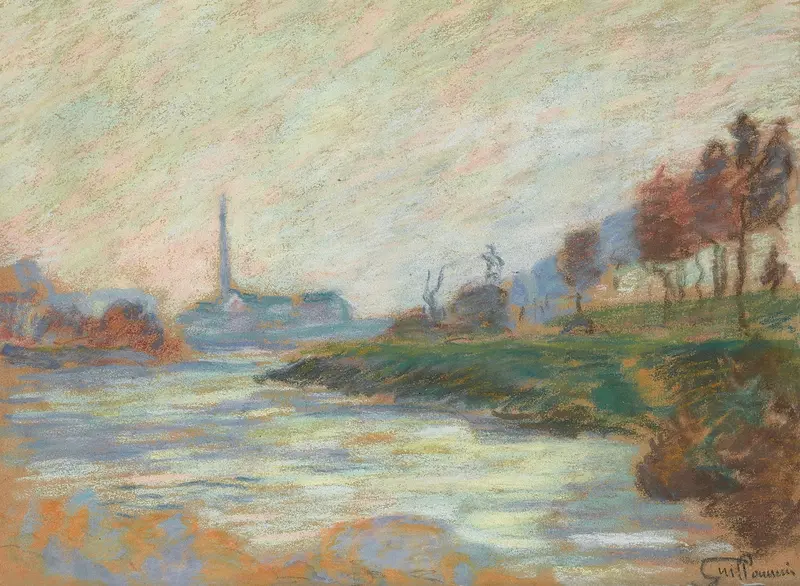
Confluent De La Marne Et De La Seine, Île De La France
Armand Guillaumin
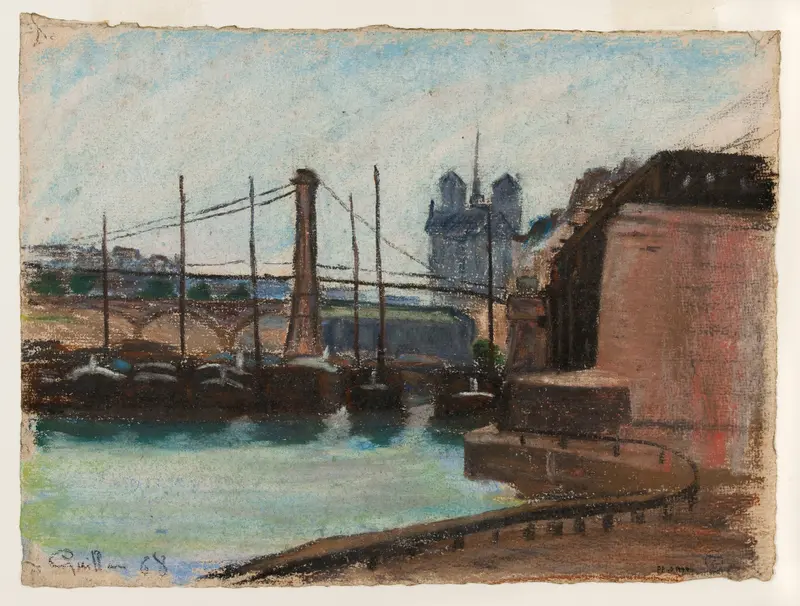
Le Pont d’Austerlitz
Armand Guillaumin
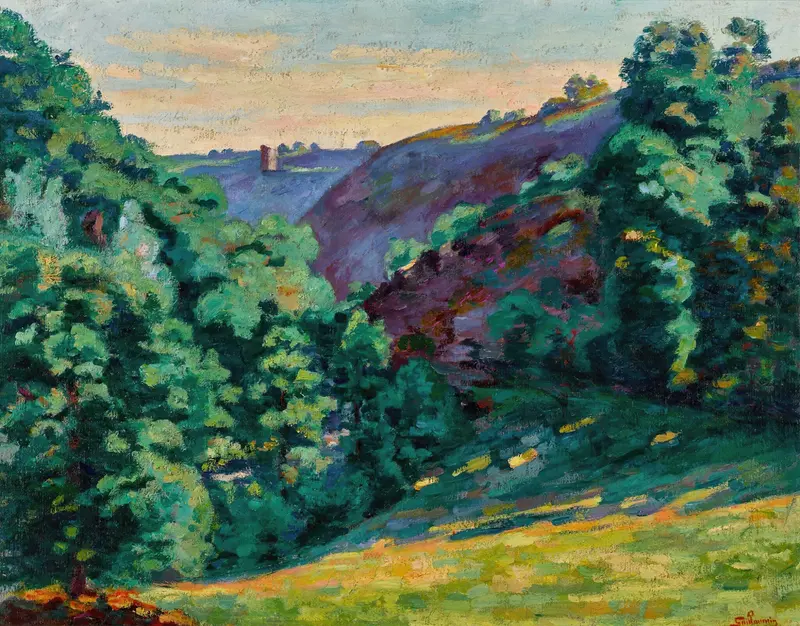
Le Ravin de la folie, vue de Chateau Crozant
Armand Guillaumin
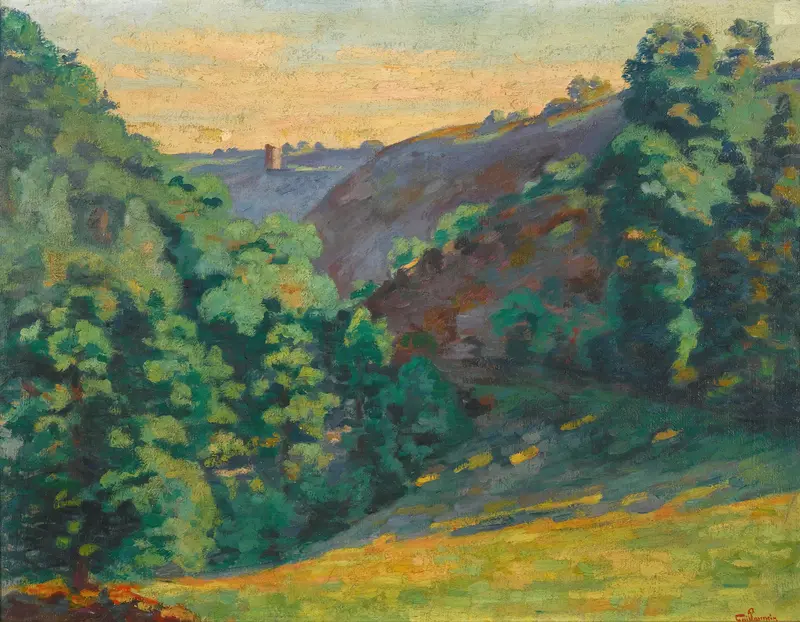
Crozant, Le Ravin De La Sedelle À La Folie
Armand Guillaumin
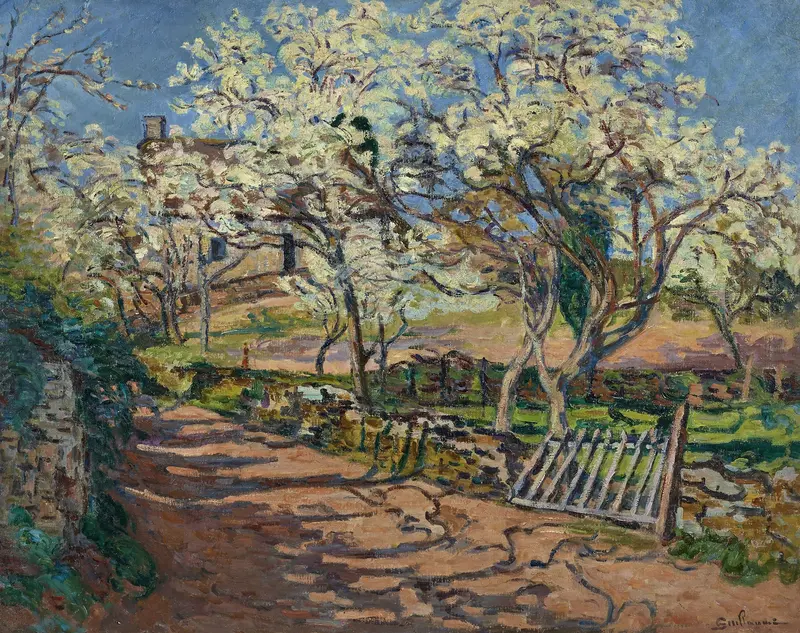
Paysage de Printemps
Armand Guillaumin
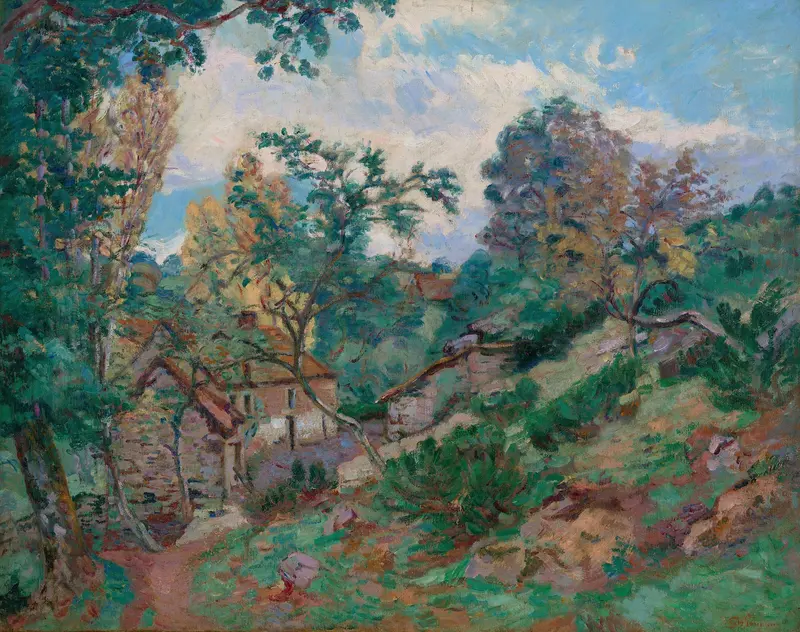
Paysage
Armand Guillaumin
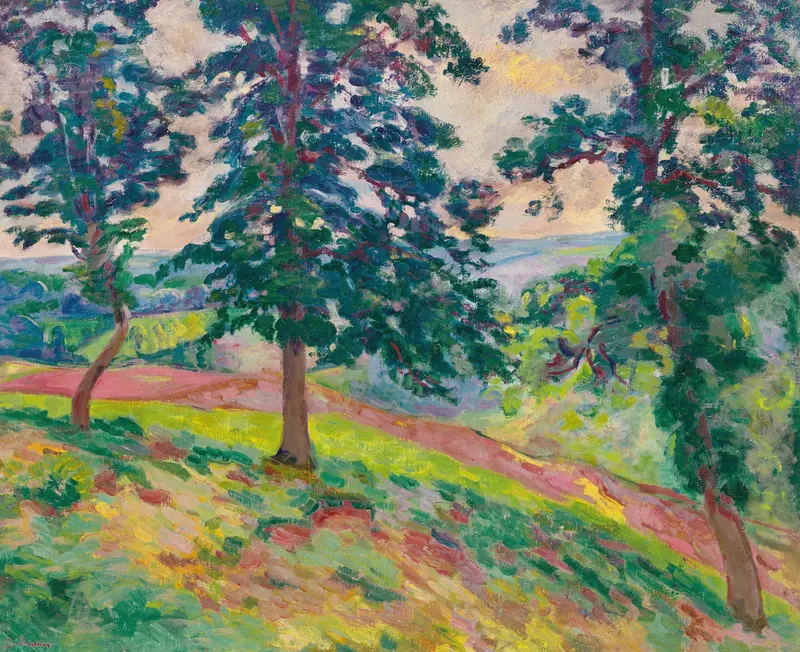
La vallée de la creuse
Armand Guillaumin
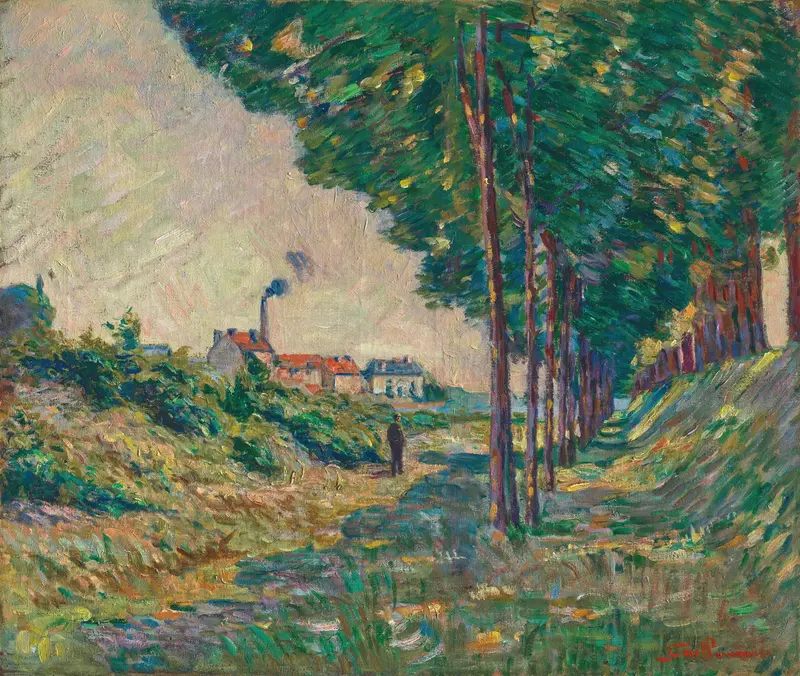
Le chemin de halage à Charenton, Ile de France
Armand Guillaumin





