
Senzokuike (Senzoku Pond) — History & Facts
Can beauty exist without sorrow? The delicate stillness of Senzoku Pond speaks volumes, inviting viewers to explore the intertwined emotions of nature's grace and the quiet ache it evokes. Look to the serene reflections on the water's surface, where the pale moonlight casts shimmering ripples that dance with the gentle breeze. Notice how the artist uses soft blues and greens to create a tranquil atmosphere, punctuated by the warm ochres of autumn foliage. The composition draws your eye to the horizon, where ethereal clouds blend seamlessly with the sky, embodying a moment suspended in time—a fleeting glimpse of serenity amidst change. Beneath this placid exterior lies an emotional tension, where beauty flirts with melancholy.
The bare trees, stripped of their leaves, seem to whisper secrets of transience, reminding us that even in the most picturesque settings, the cycle of life persists. The delicate balance between light and shadow serves as a metaphor for joy and sorrow, suggesting that one cannot exist without the other, urging the viewer to reflect on their own experiences of loss and longing. In 1928, Kawase Hasui created Senzokuike during a pivotal time in Japanese art, as the shin-hanga movement sought to blend traditional ukiyo-e techniques with modern sensibilities. Living in a rapidly changing world, Hasui captured the essence of nature's tranquility, offering an escape from the tumult of urban life.
His work resonated with the collective consciousness, revealing the beauty and bittersweet nature of existence in post-war Japan.
More Artworks by Kawase Hasui
Browse all →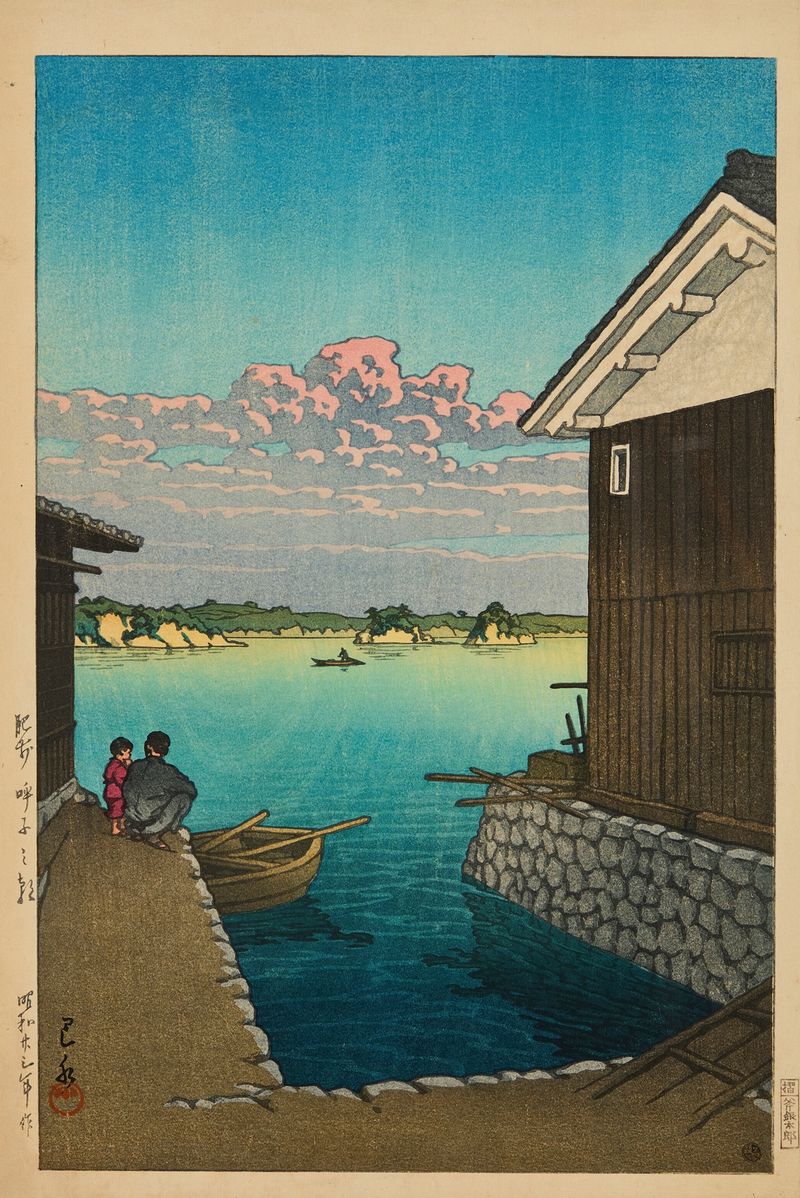
Hizen Yobuko no asa (Morning in Yobuko, Hizen)
Kawase Hasui
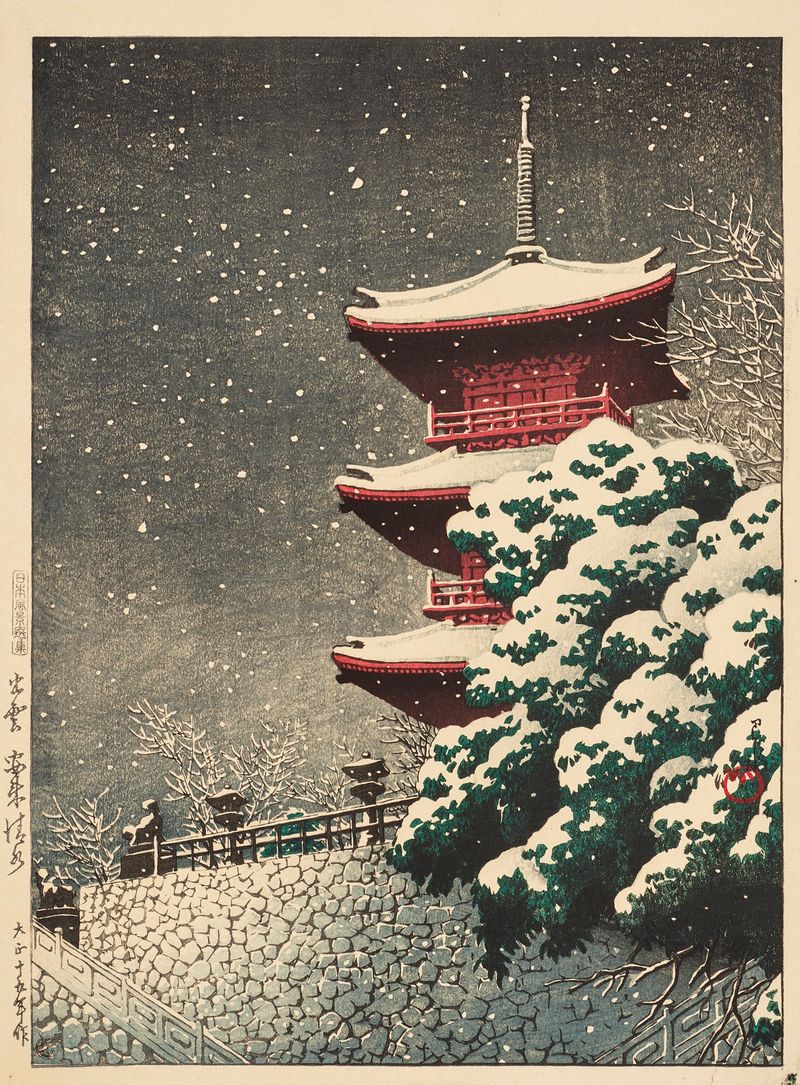
Izumo, Yasugi Kiyomizu (Yasugi Kiyomizu Temple at Izumo)
Kawase Hasui
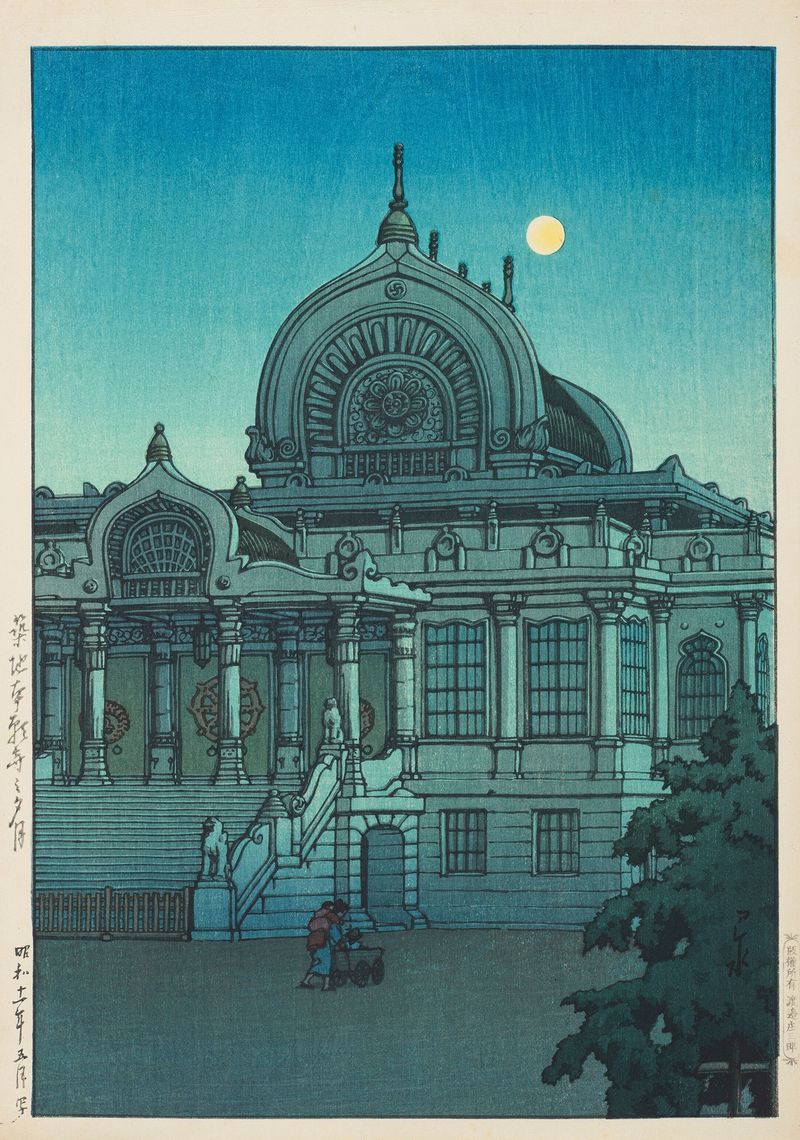
Tsukiji Honganji no yuzuki (Evening moon at Honganji Temple in Tsukiji)
Kawase Hasui
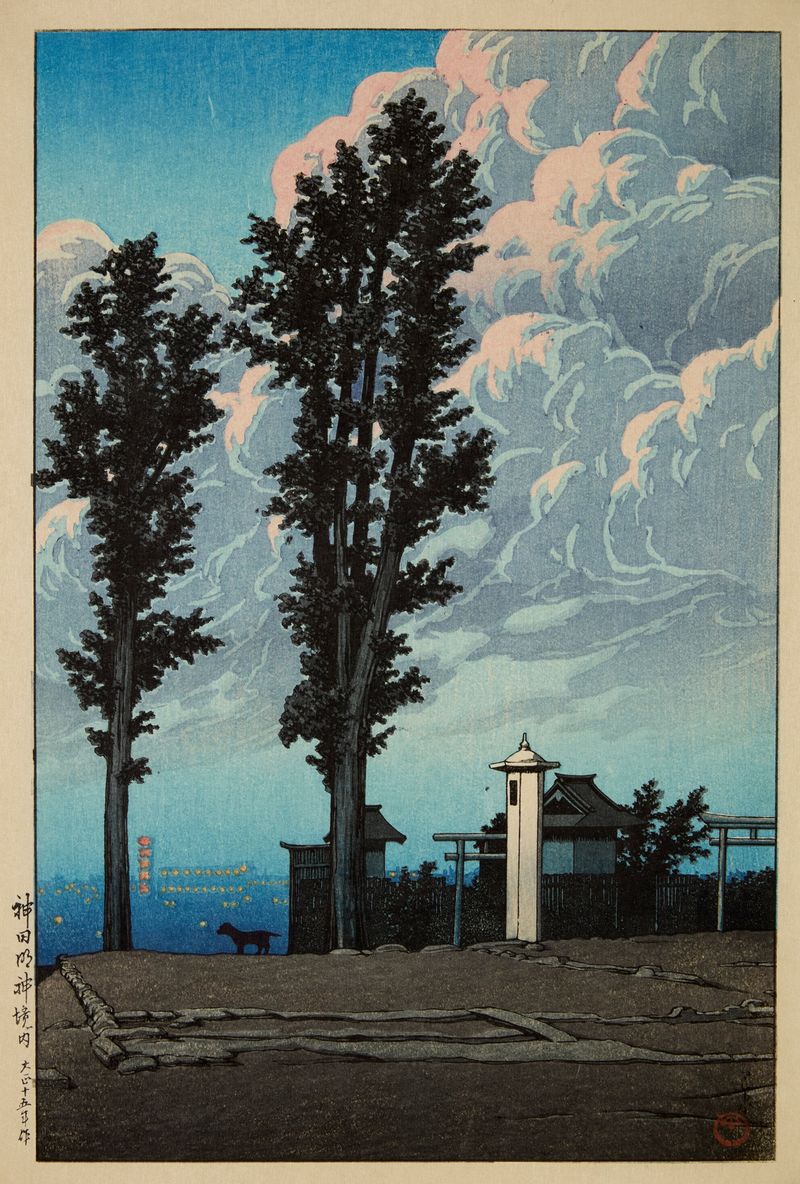
Kanda Myojin keidai (Kanda Myojin Shrine precent)
Kawase Hasui
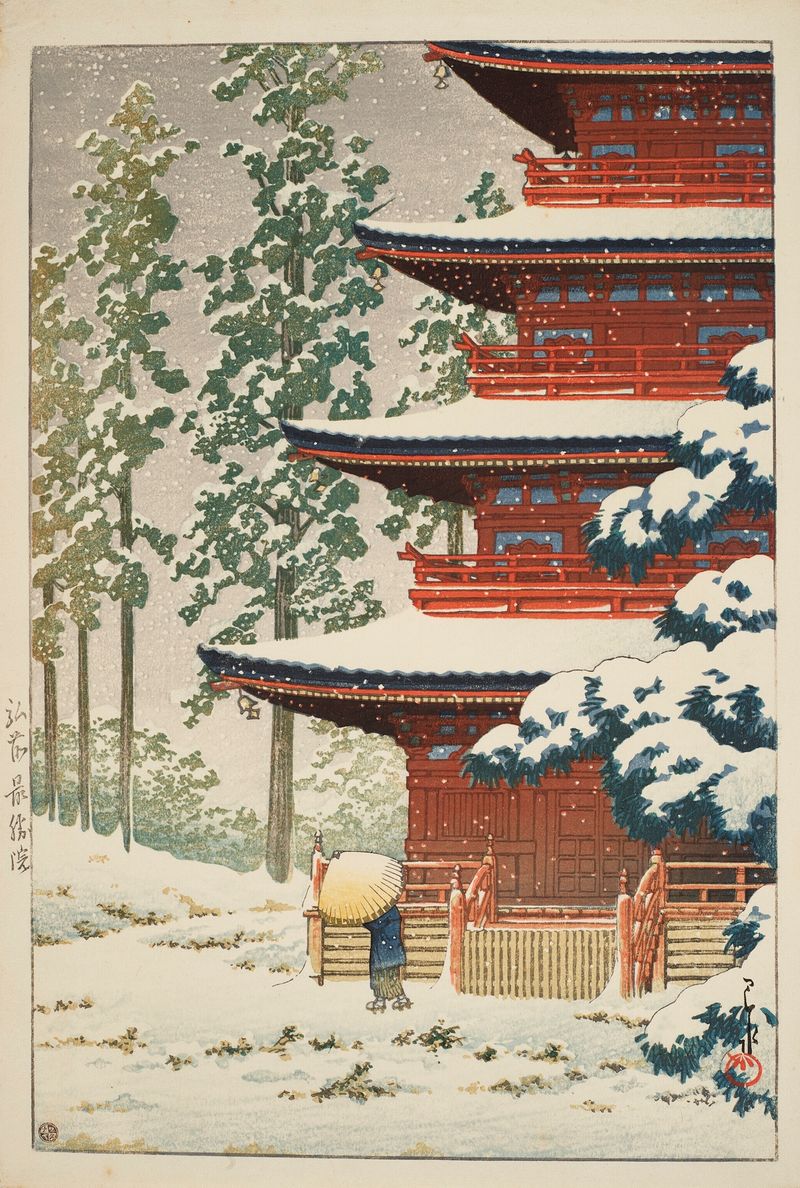
Saisho-in Temple, Hirosaki
Kawase Hasui
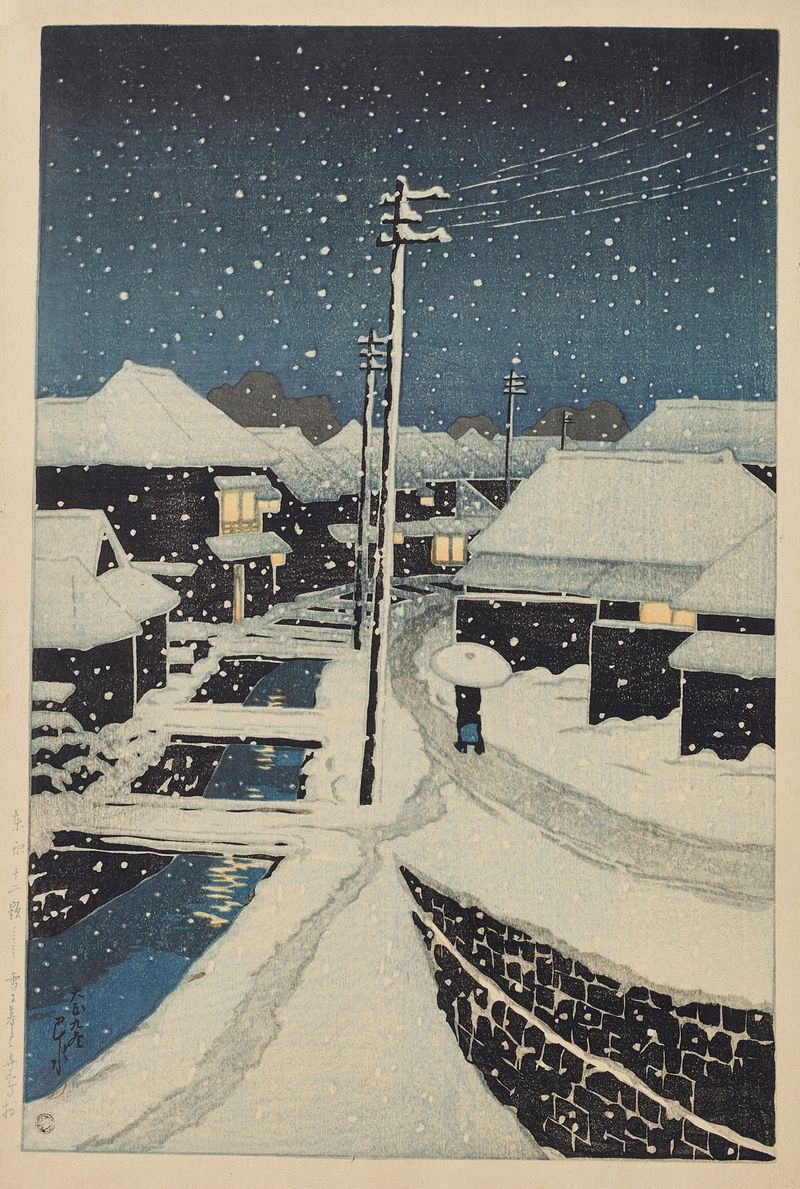
Yuki ni fururu Terajima mura (Evening snow at Terajima Village)
Kawase Hasui
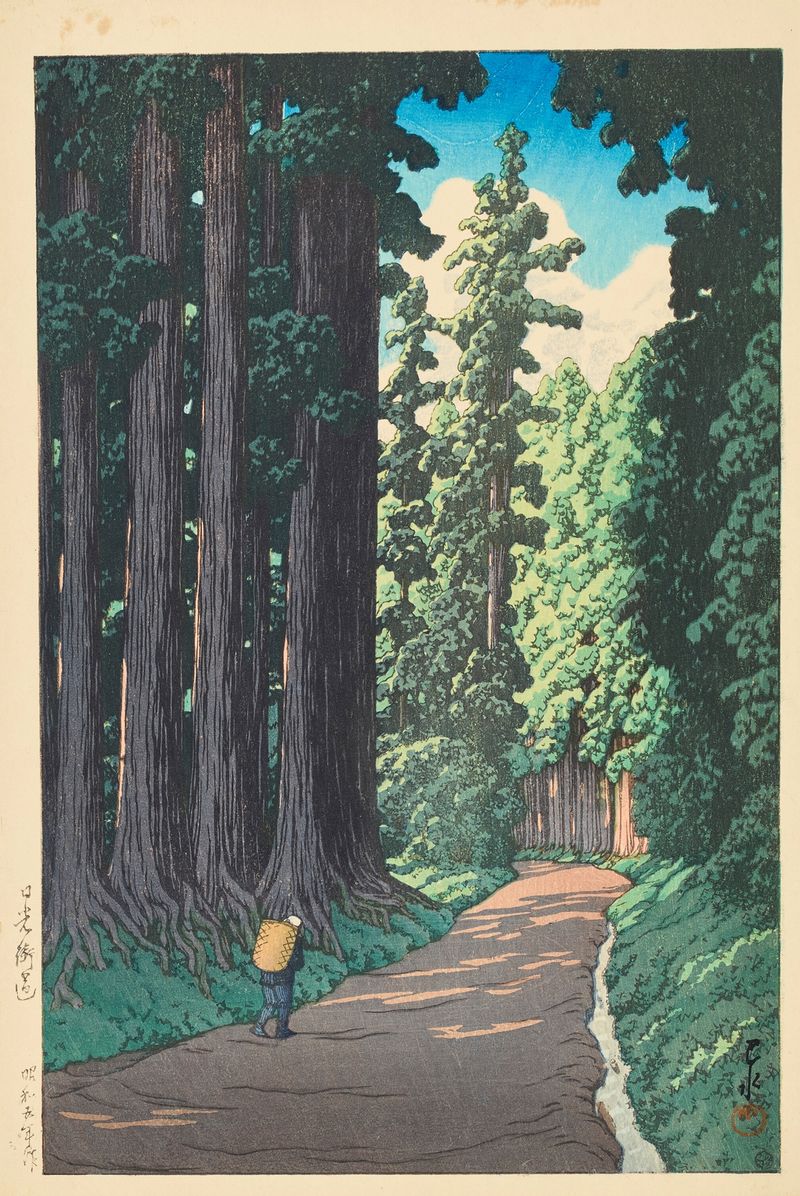
Nikko gaido (The Road to Nikko)
Kawase Hasui
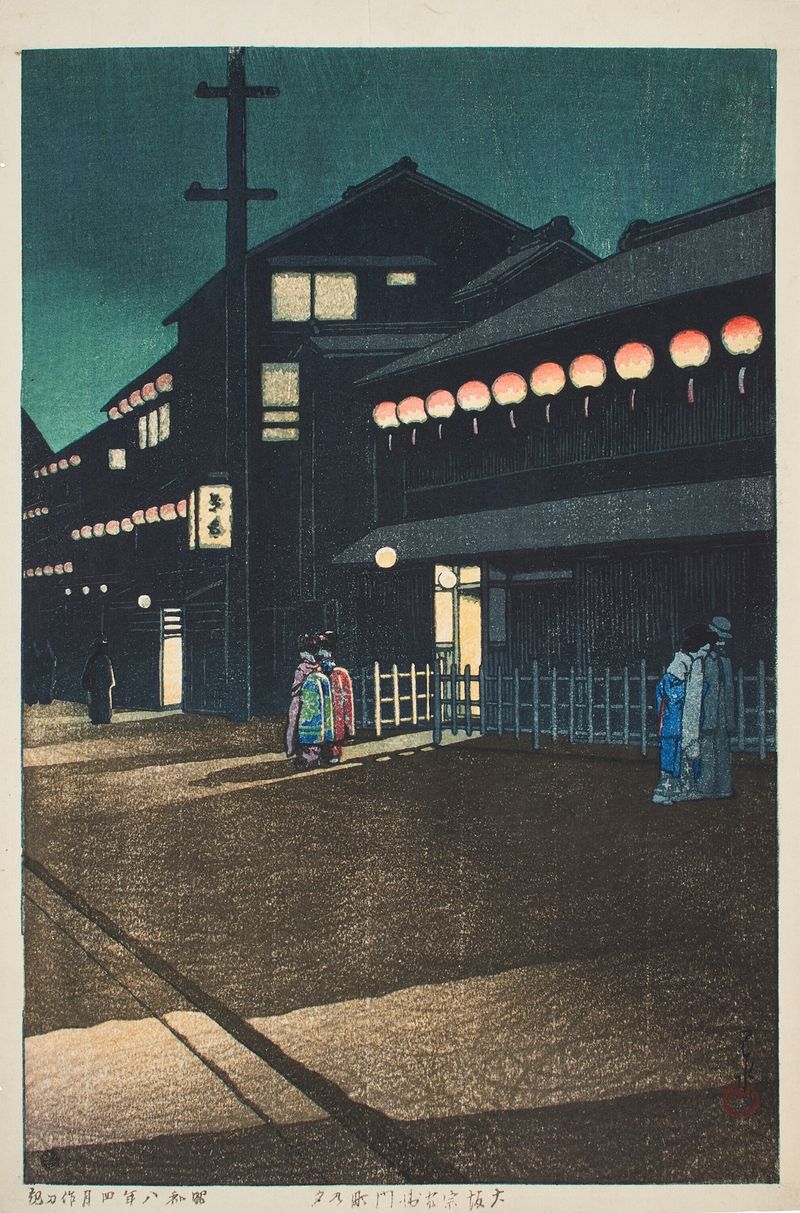
Osaka Soemon-cho no yu (Evening in Soemon-cho, Osaka)
Kawase Hasui
Autumn In Oirase
Kawase Hasui
Shinshu Kizakiko (Kizaki Lake in Shinshu)
Kawase Hasui





