
Sepulchre of Rachel — History & Facts
Did the painter know this moment would outlive them? Fear lingers in the air, a silent witness to the solemnity of a resting place that speaks to the transient nature of life. Look closely at the sepulchre itself, positioned at the painting's center, adorned with delicate carvings that capture both reverence and melancholy. The cool, muted palette of stone greys and dusty whites evokes a sense of stillness, while soft light cascades down from above, casting an ethereal glow upon the surface. Take note of the surrounding natural landscape, rendered with a gentle touch that contrasts with the weight of the monument; the distant horizon hints at a life that continues beyond the grave. Delve deeper, and you’ll uncover the emotional tensions that permeate the scene.
The sepulchre, monumental yet intimate, represents a formidable presence amid the peace of the countryside, embodying a duality of life and death. The artist’s choice of perspective amplifies this juxtaposition, where the viewer stands in the liminal space between existence and absence, bound by an unspeakable fear of mortality yet comforted by the beauty of remembrance. In 1804, Luigi Mayer painted this significant piece during a time marked by the Napoleonic Wars and shifting cultural values. Residing in London, he was deeply influenced by the Romantic movement, which sought both to explore the sublime and reflect on the complexities of human experience.
This artwork serves as a testament to his interpretation of enduring themes, capturing a fleeting moment that transcends the barriers of time and resonates with the universal human condition.
More Artworks by Luigi Mayer
Browse all →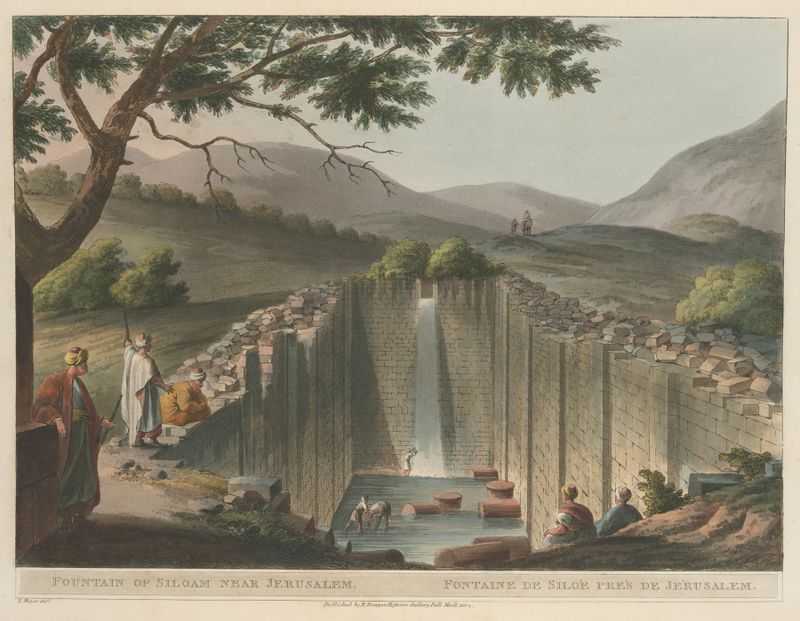
Fountain of Siloam Near Jerusalem
Luigi Mayer

View of the Dardanelles
Luigi Mayer
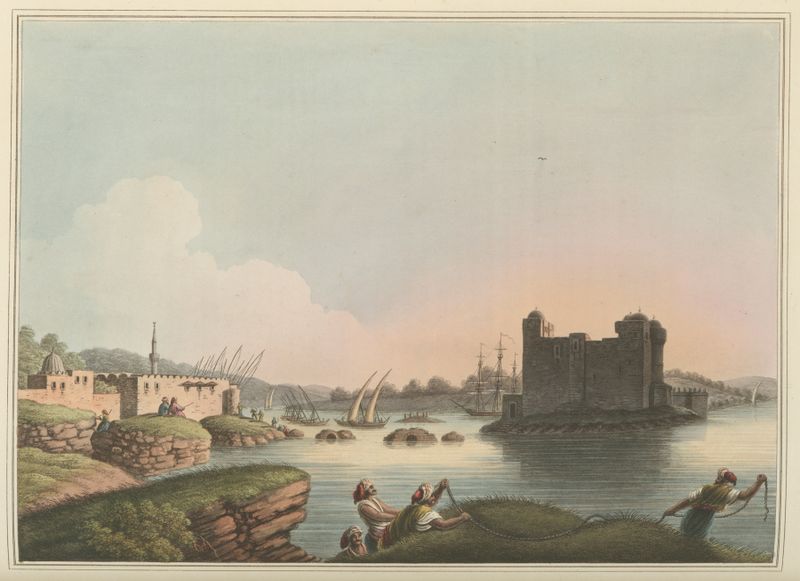
Port of Latachia
Luigi Mayer

Stadium at Ephesus
Luigi Mayer

Ancient Temples at Agrigentum
Luigi Mayer
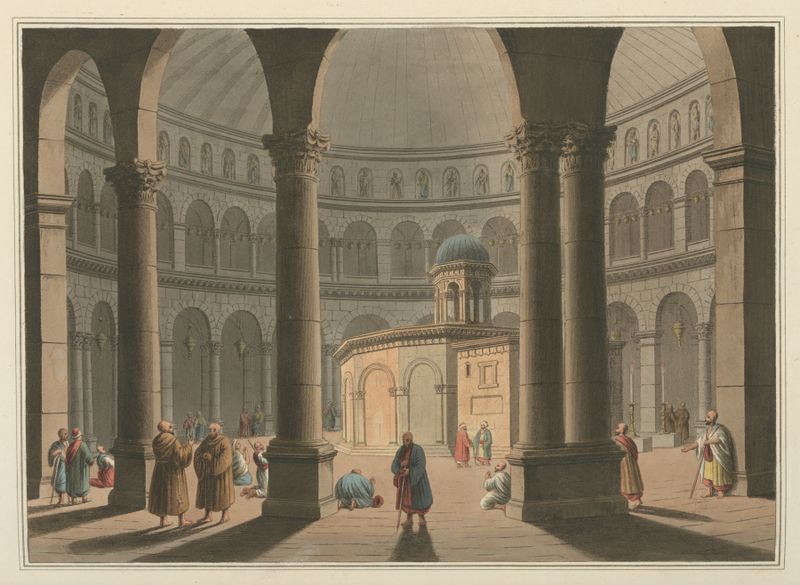
Church of the Holy Sepulchre
Luigi Mayer
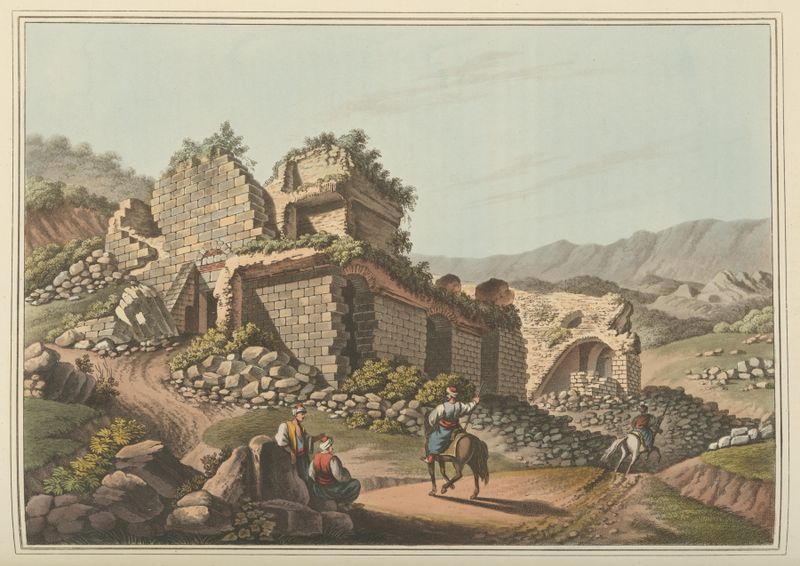
Theatre at Ephesus
Luigi Mayer
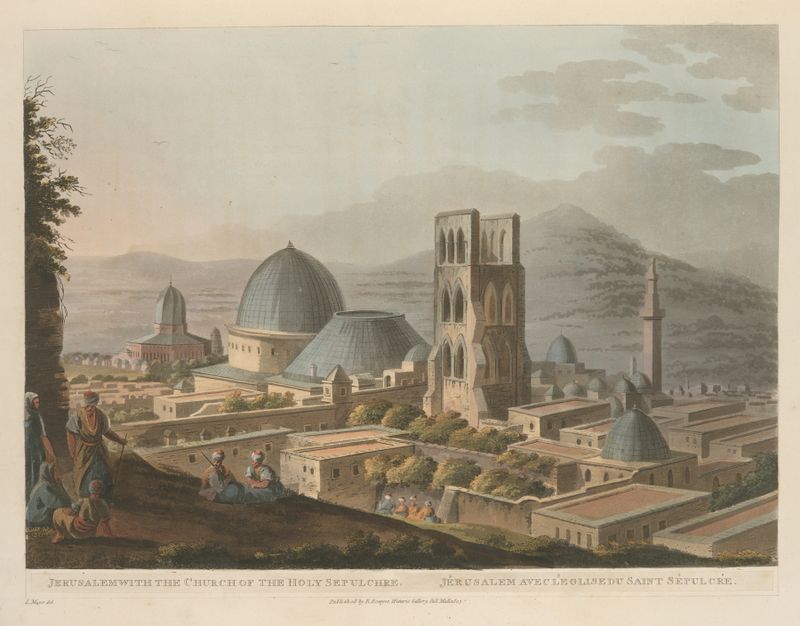
Jerusalem with the Church of the Holy Sepulchre
Luigi Mayer
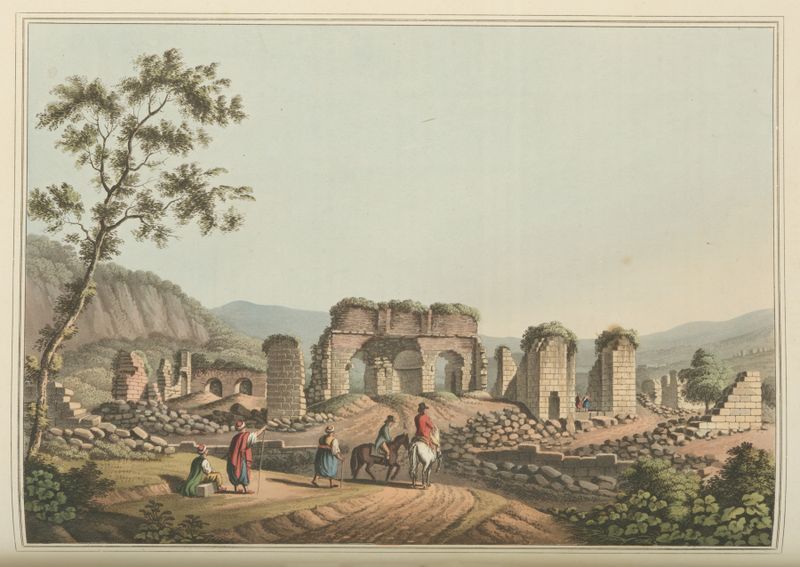
Ruins of the Temple of Diana at Ephesus
Luigi Mayer

Crater in the Island of Volcano
Luigi Mayer
More Religious Art
Browse all →
The Return of the Prodigal Son
Rembrandt van Rijn

The Garden of Earthly Delights
El Bosco

Count Orgaz’ funeral
El Greco

The Hundred Guilder Print: the central piece with Christ preaching, the plate arched
Rembrandt van Rijn

The Descent from the Cross
Rogier van der Weyden

The return of the prodigal son
Rembrandt van Rijn