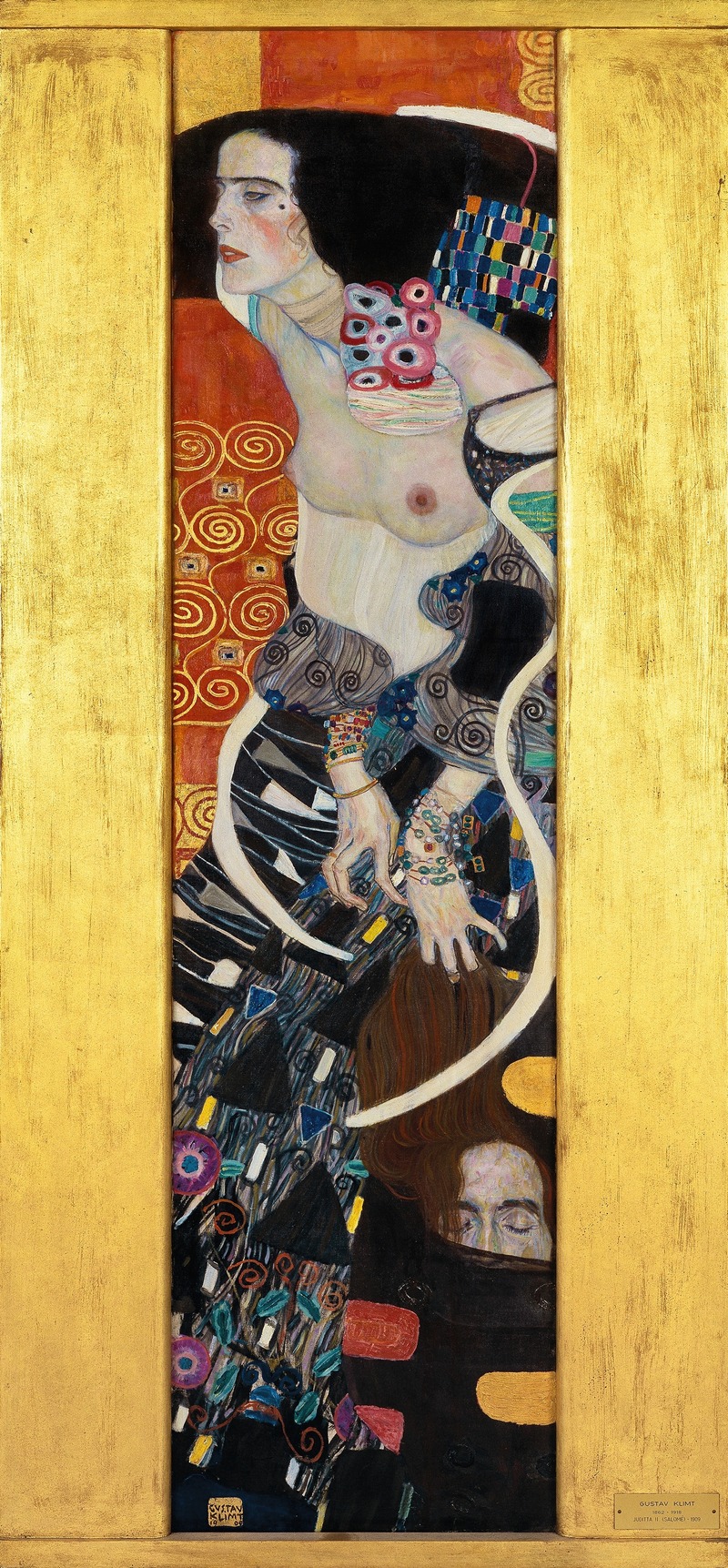
Discover insights about this artwork
Seven Bathers — History & Facts
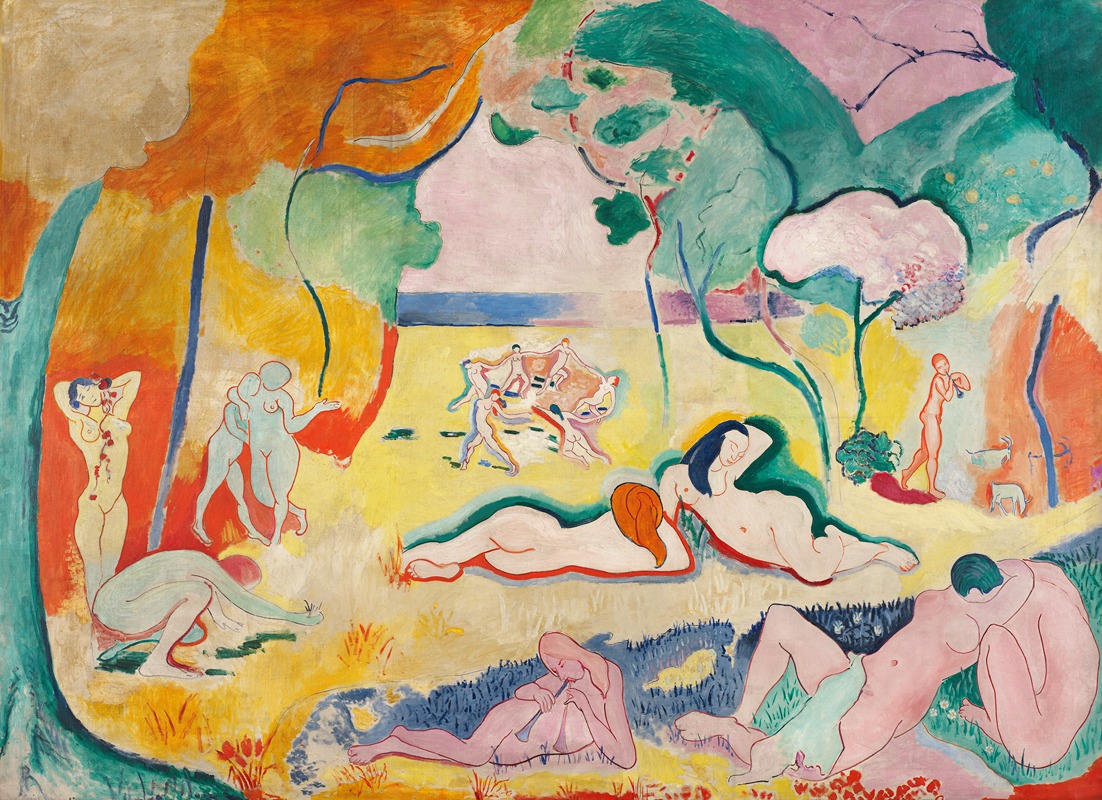
In Seven Bathers, Paul Cézanne presents a vibrant scene filled with color and life. The painting features a group of seven figures, mostly nude, gathered by a body of water. The use of greens and blues creates a natural setting that feels both serene and dynamic.
Each figure is rendered with Cézanne's characteristic brushwork, emphasizing their forms and the surrounding landscape. The painting is executed in oil on canvas, a medium that allows for rich color application and texture. Cézanne's technique involves layering colors to build depth, which is evident in the way he captures light and shadow on the figures. The dimensions are approximately 100 x 80 cm, making it a substantial piece that invites close viewing.
The composition is carefully arranged, with the figures interacting harmoniously within the landscape. Paul Cézanne, a key figure in the transition from Impressionism to modern art, created Seven Bathers in the late 19th century. This work reflects his interest in the human form and nature, showcasing his innovative approach to color and structure. An interesting fact about this painting is that it exemplifies Cézanne's exploration of the relationship between figures and their environment, a theme he revisited throughout his career.
Today, it is housed in the Musee d'Orsay, where it continues to inspire viewers.
More Artworks by Paul Cézanne
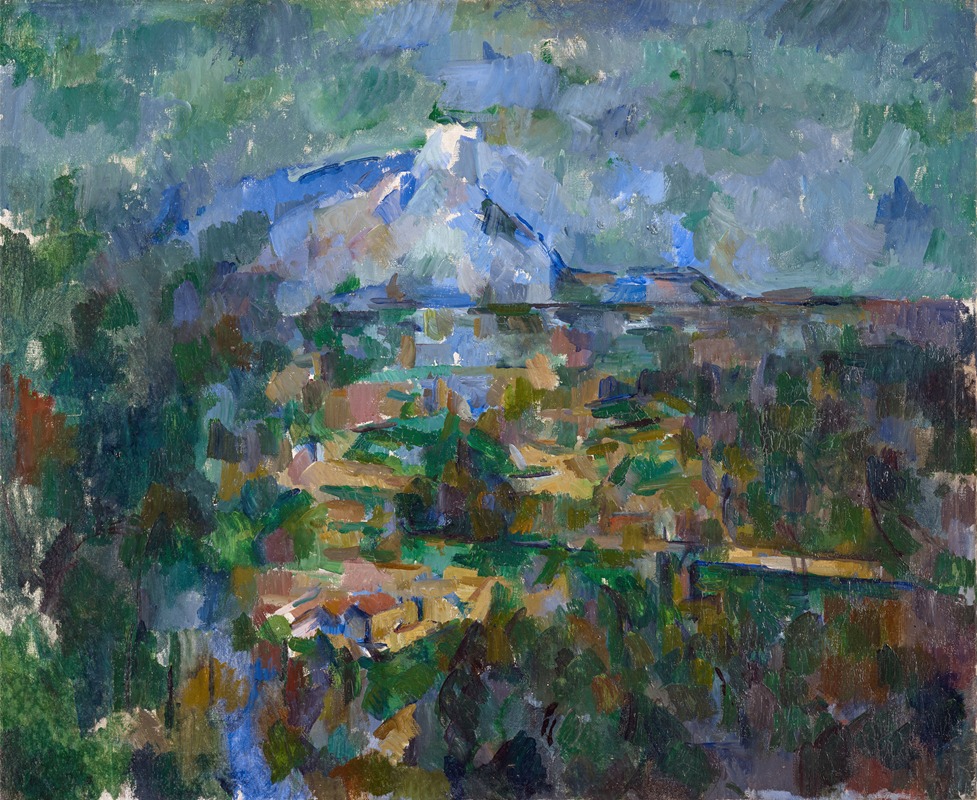
The Mont Sainte-Victoire Seen From Les Lauves
Paul Cézanne
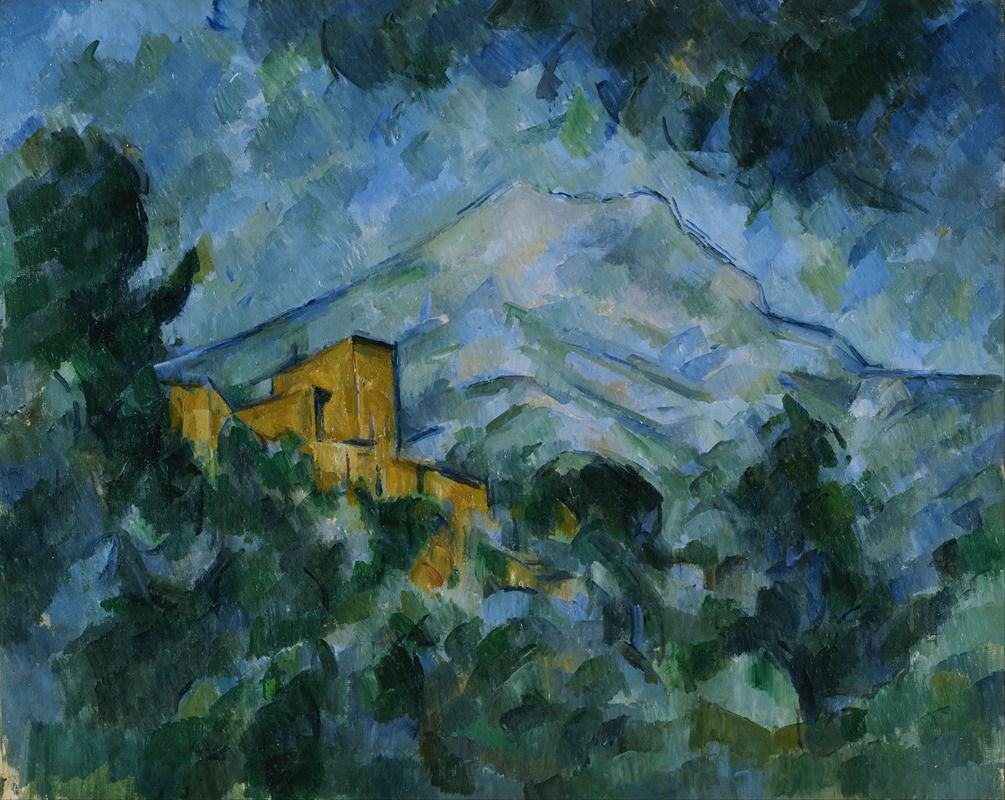
Mont Sainte-Victoire and Château Noir
Paul Cézanne
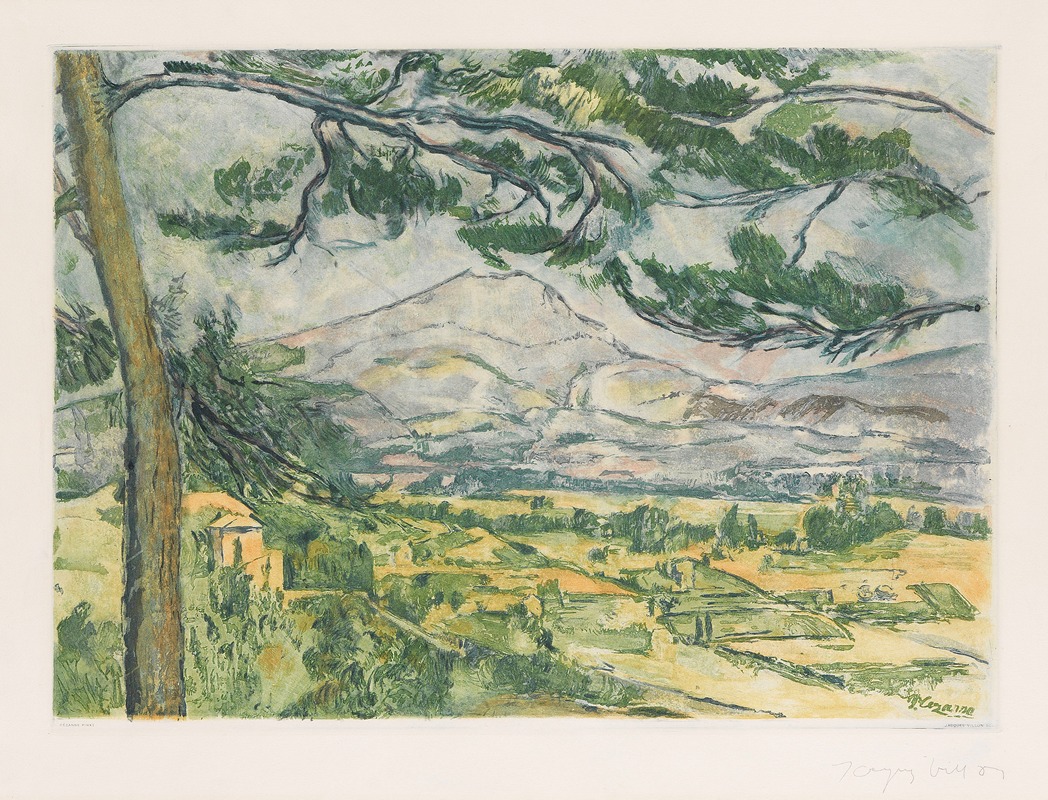
La Montagne Sainte-Victoire
Paul Cézanne
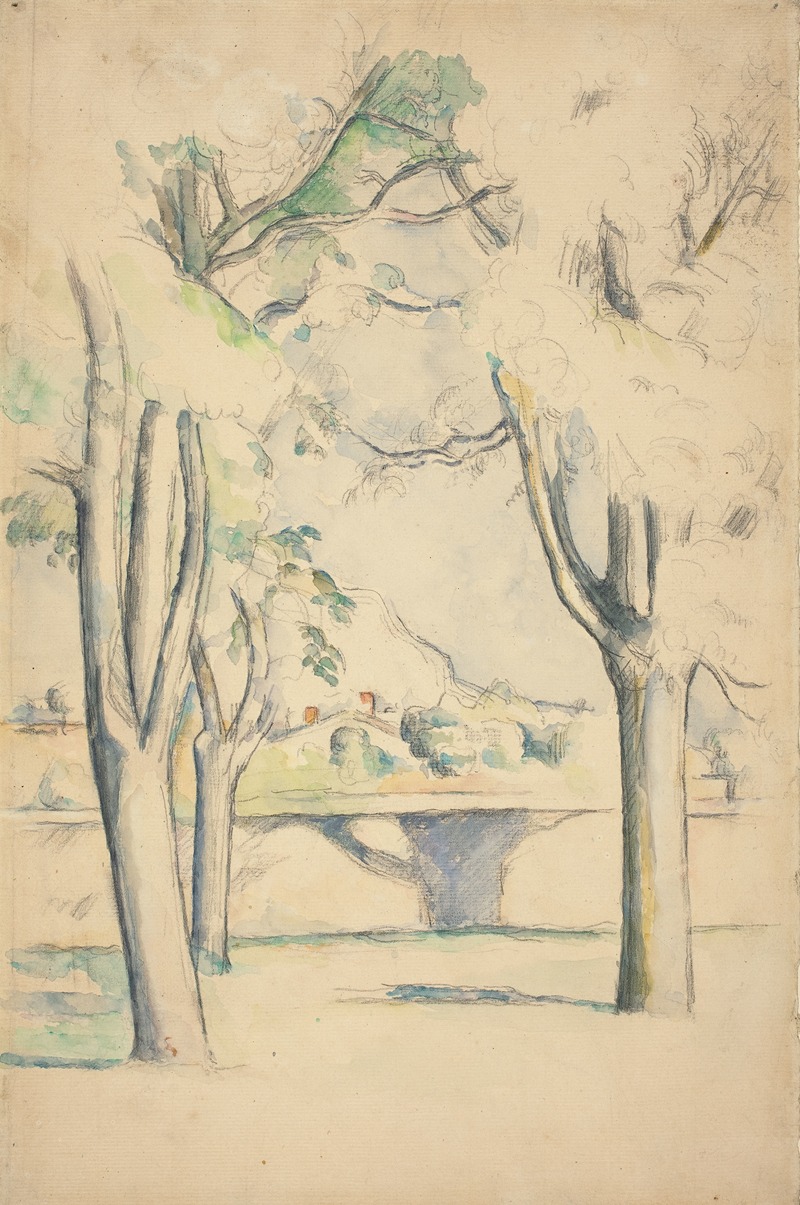
Mont Sainte-Victoire Seen beyond the Wall of the Jas de Bouffan
Paul Cézanne
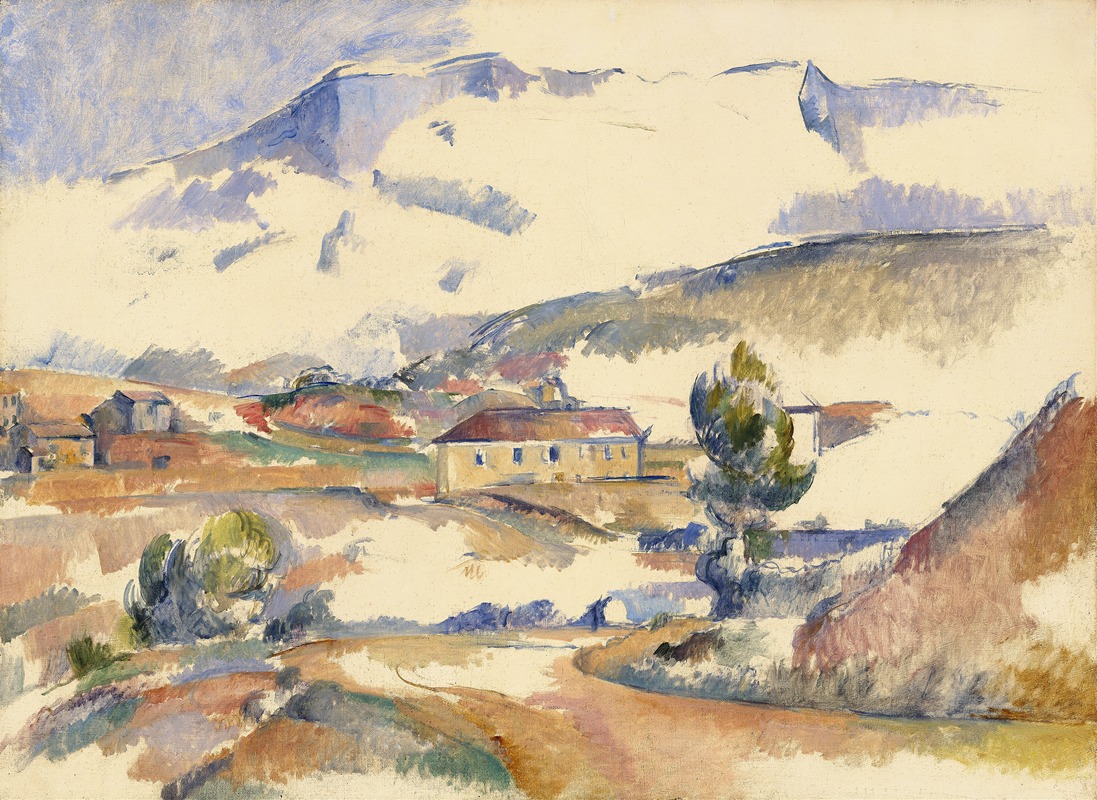
Montagne Sainte-Victoire,from near Gardanne
Paul Cézanne
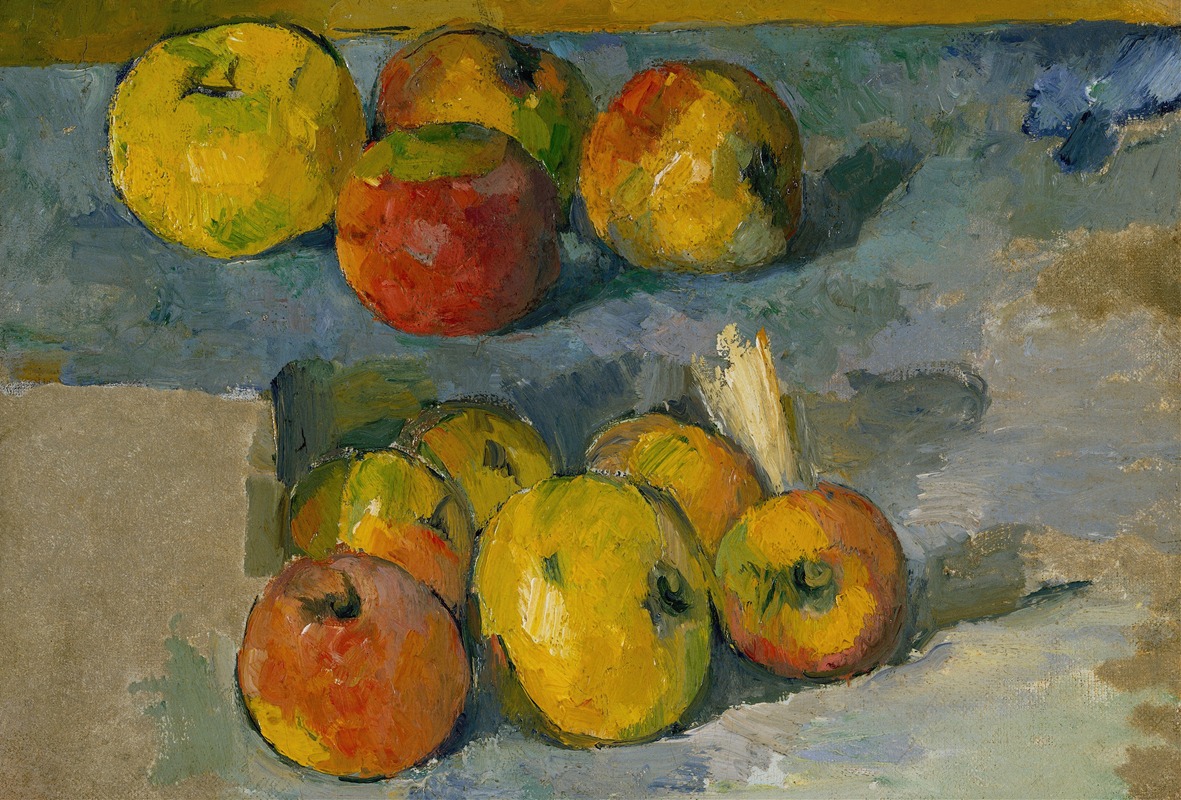
Apples
Paul Cézanne
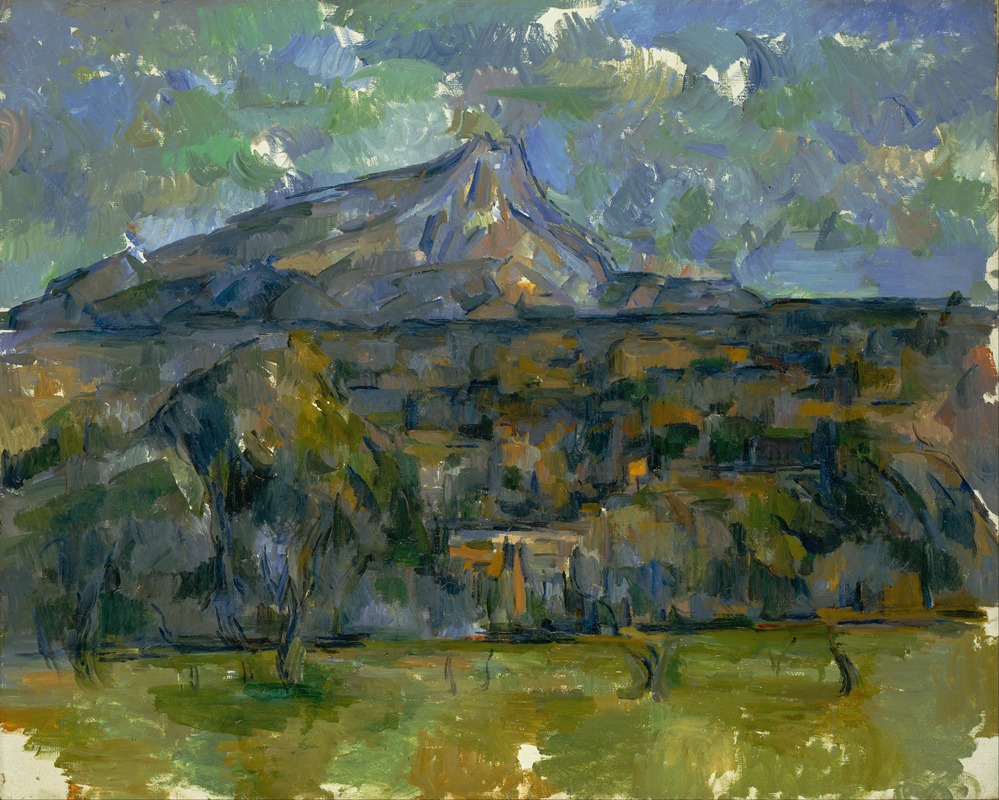
Mont Sainte-Victoire
Paul Cézanne
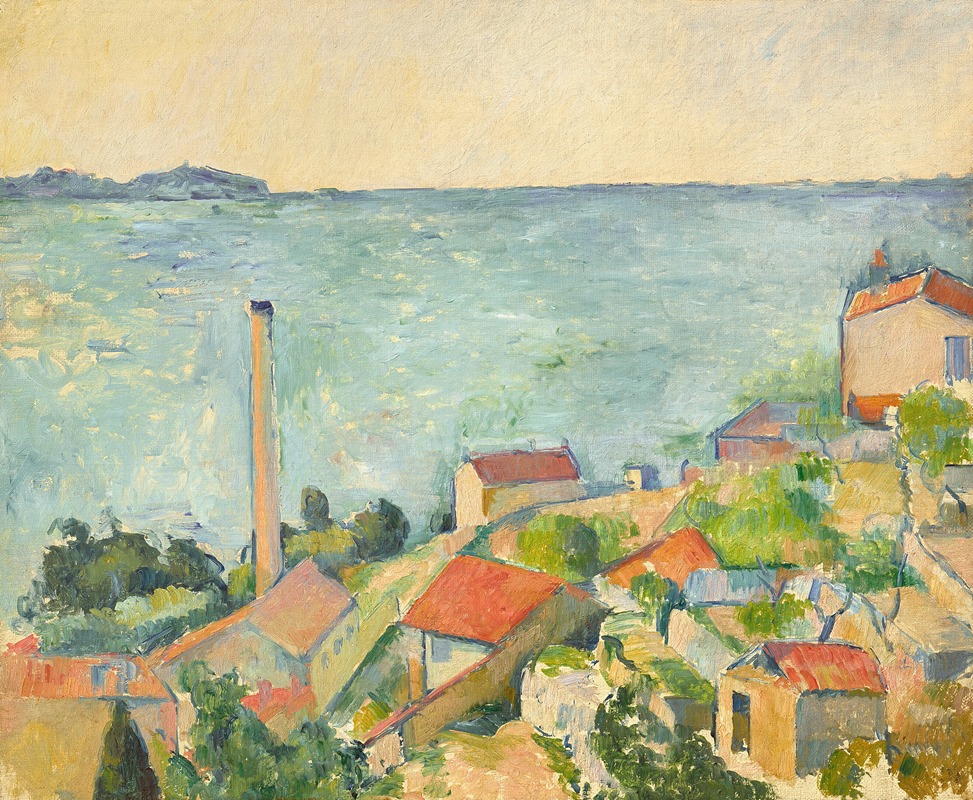
La mer à l’Estaque
Paul Cézanne
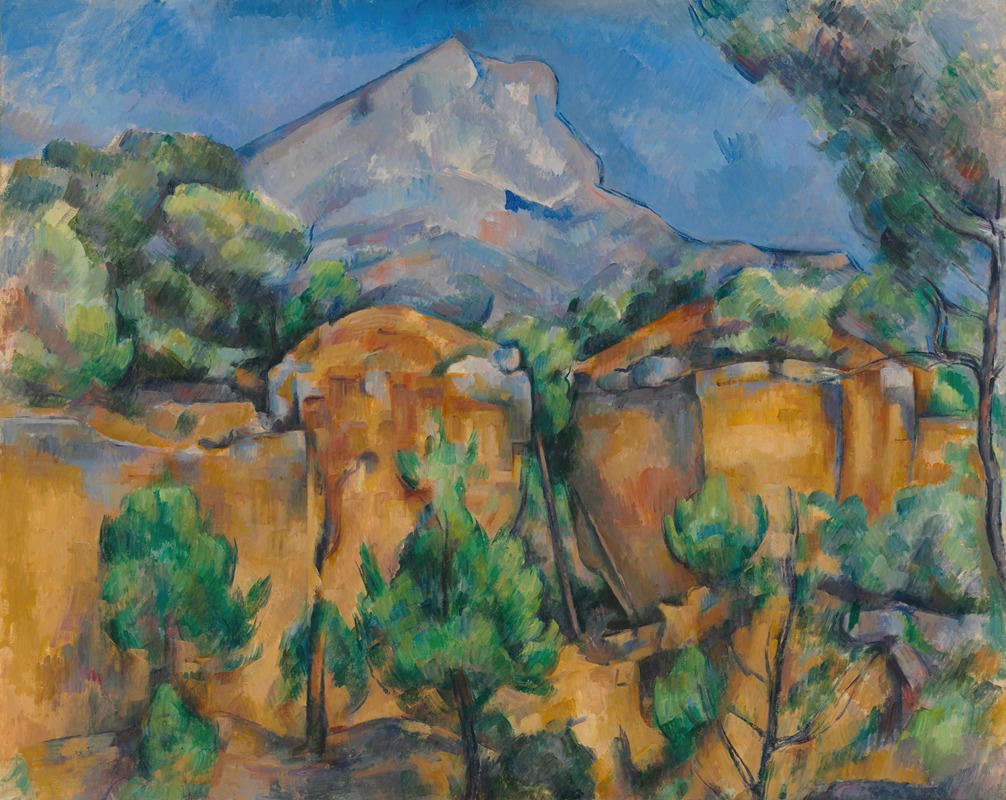
La Montagne Sainte-Victoire vue de la carrière Bibémus
Paul Cézanne
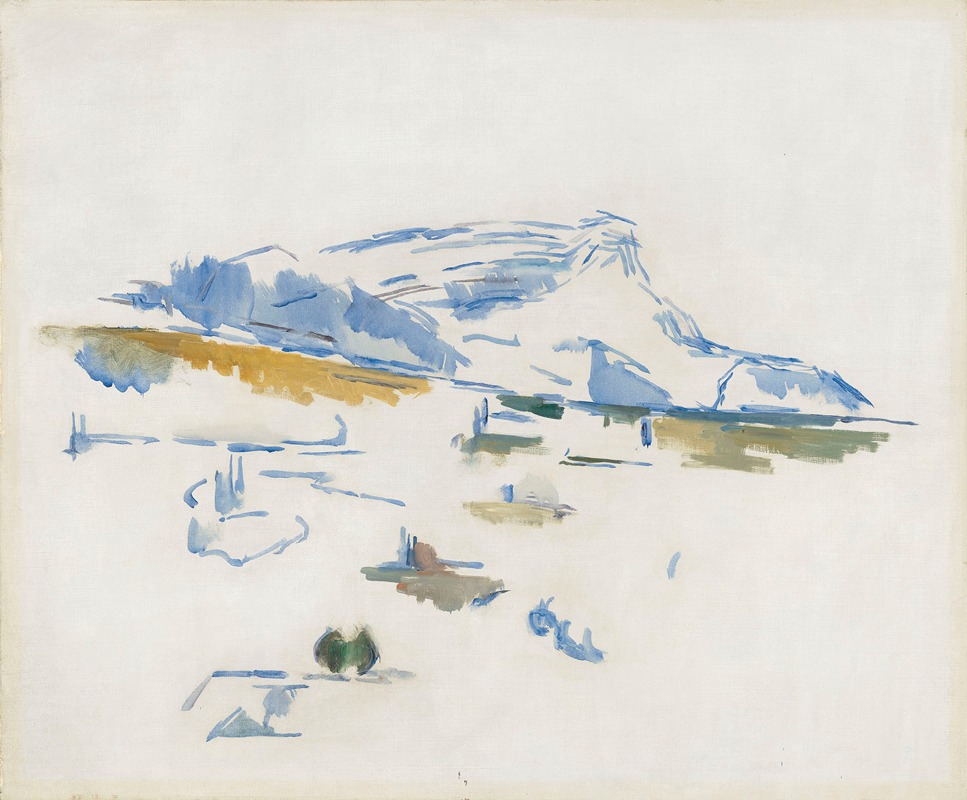
La Montagne Sainte-Victoire vue des Lauves
Paul Cézanne