
Seymour — History & Facts
What if silence could speak through light? In Seymour, the interplay of illumination and shadow invites us into a profound moment of intimate revelation, where the very essence of being is captured in stillness. Look to the left at the figure of Seymour, draped in hues of somber gray and rich black, embodying both elegance and introspection. The soft yet dramatic lighting highlights the contours of his face, casting delicate shadows that reveal a sense of vulnerability. Notice how the background fades into a muted neutrality, allowing Seymour’s presence to dominate the composition; the surrounding darkness cradles him, emphasizing the emotional weight of the moment. Delving deeper, the posture of the subject reflects an internal struggle, caught between acceptance and the ache of unspoken thoughts.
The contrasting shades evoke a complex emotional landscape—the light signifies hope, while the dark hints at the unseen burdens carried. Every brushstroke seems deliberate, suggesting that the silence around him is as profound as the thoughts he withholds, creating a tension between presence and absence. Whistler painted Seymour between 1858 and 1859 during a pivotal time in his artistic journey in Paris. As he navigated the burgeoning Impressionist movement, he sought to distill moments of genuine emotion through innovative approaches to form and light.
This painting is a testament to his evolving style and the desire to capture the essence of human experience amidst the complexities of modern life.
More Artworks by James Abbott McNeill Whistler
Browse all →
Nocturne in Blue and Silver
James Abbott McNeill Whistler
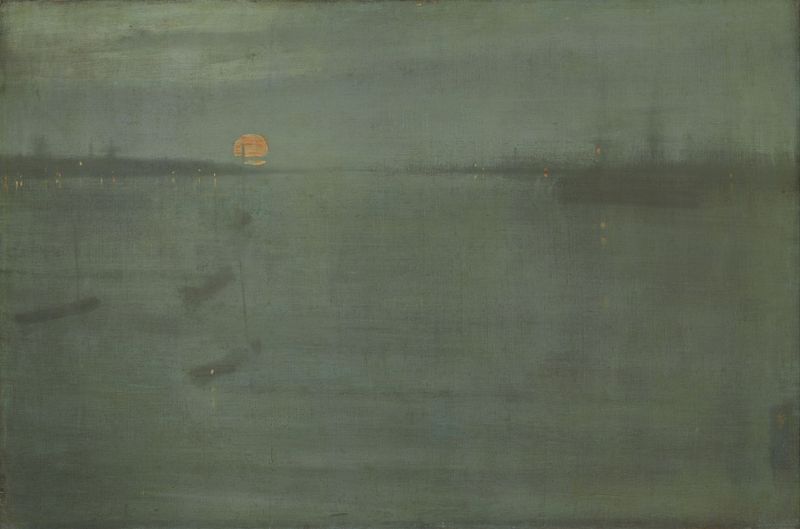
Nocturne: Blue and Gold–Southampton Water
James Abbott McNeill Whistler
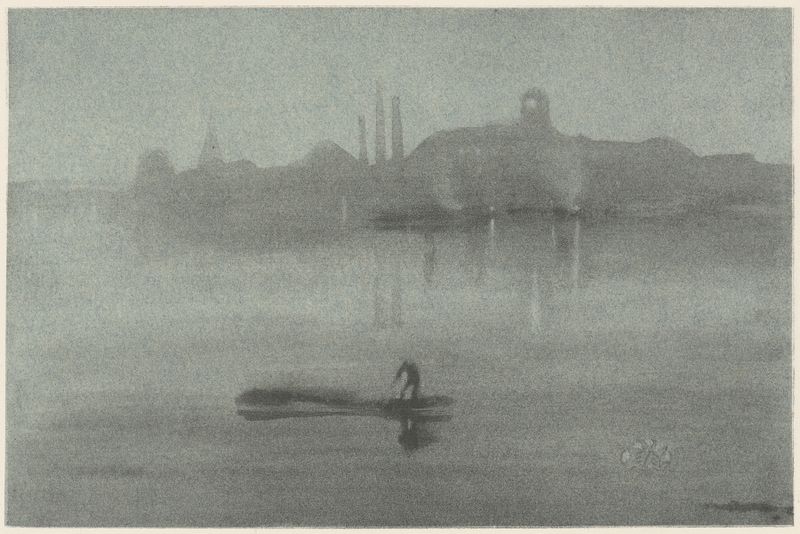
Nocturne
James Abbott McNeill Whistler
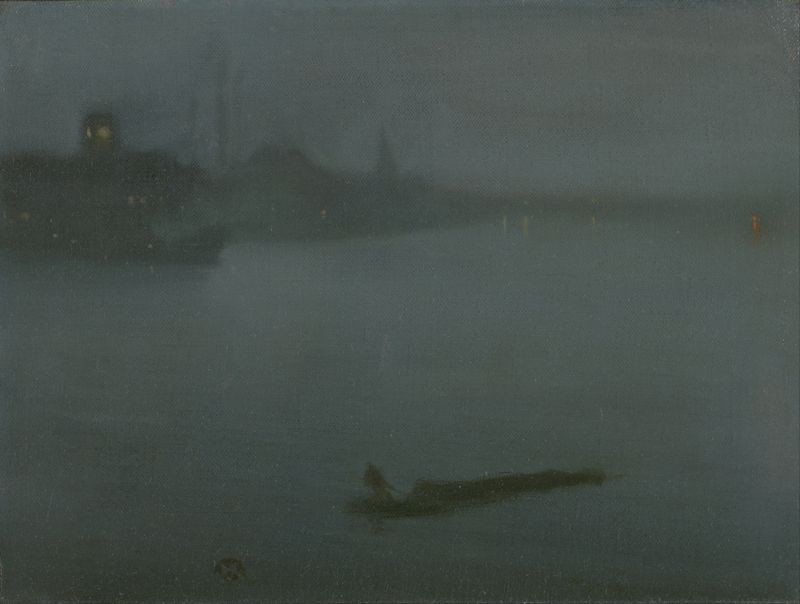
Nocturne in Blue and Silver
James Abbott McNeill Whistler
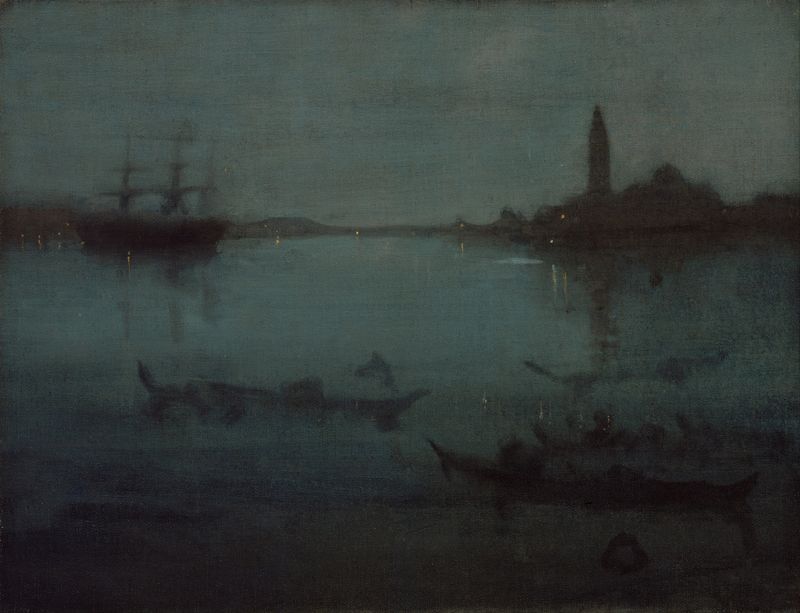
Nocturne in Blue and Silver- The Lagoon, Venice
James Abbott McNeill Whistler
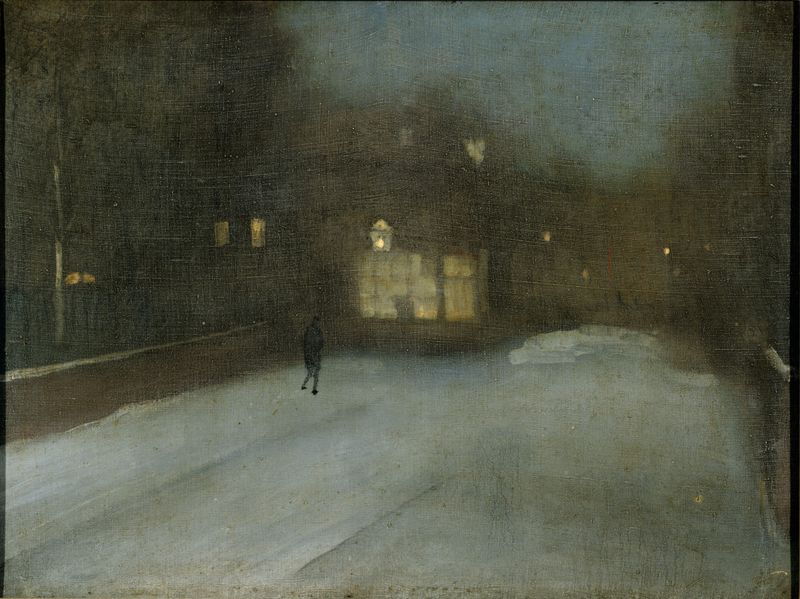
Nocturne in Grey and Gold: Chelsea Snow
James Abbott McNeill Whistler
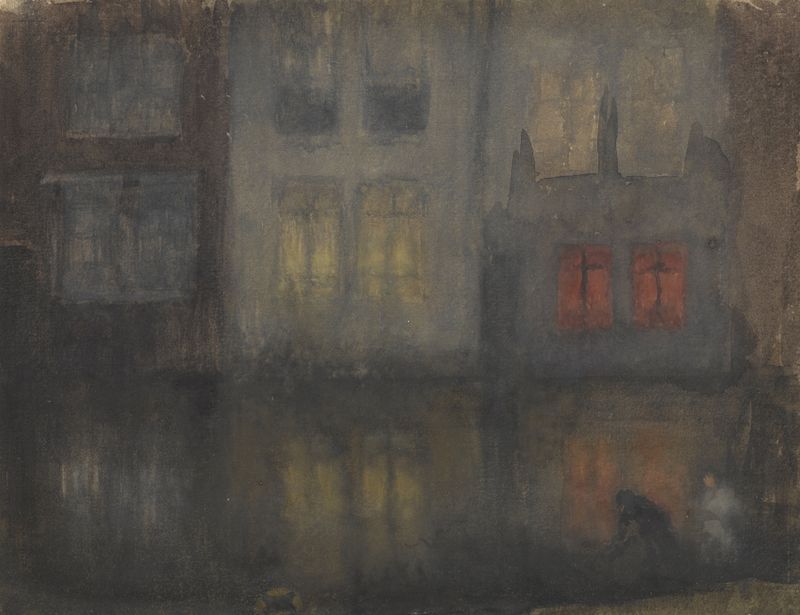
Nocturne: Black and Red—Back Canal, Holland
James Abbott McNeill Whistler
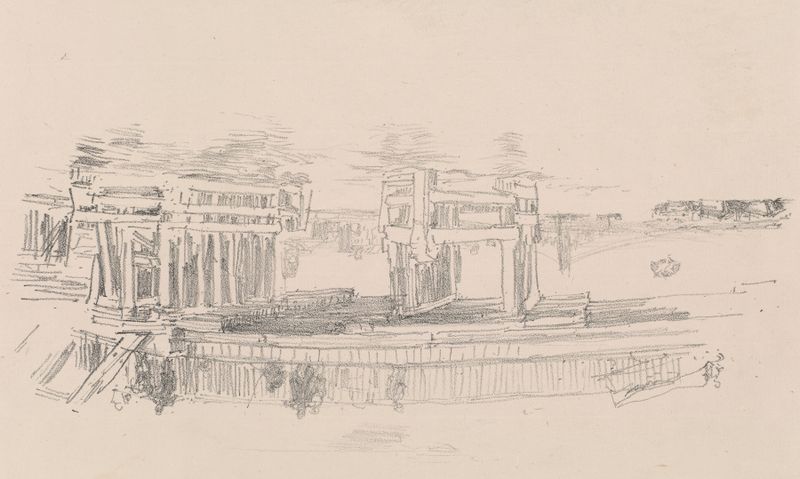
Old Battersea Bridge
James Abbott McNeill Whistler

Nocturne: Blue and Silver–Battersea Reach
James Abbott McNeill Whistler
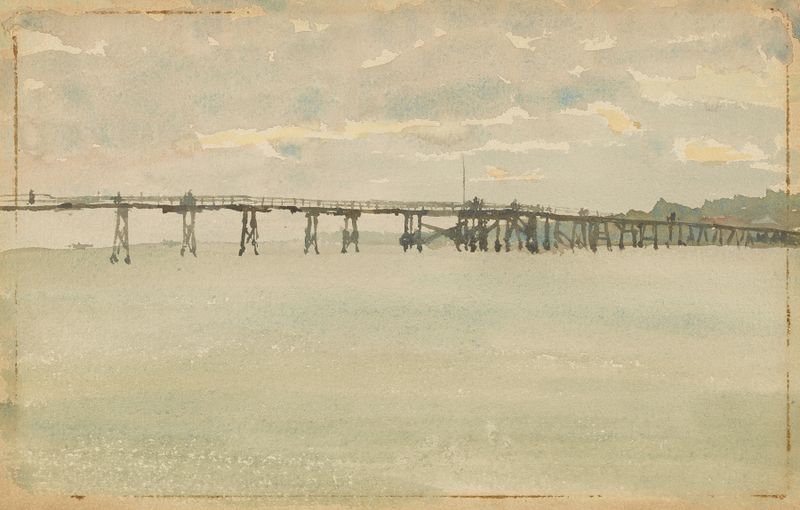
Grey and Silver–Pier, Southend
James Abbott McNeill Whistler
More Portrait Art
Browse all →
Las meninas
Diego Velázquez

Self-portrait with a Bandaged Ear and Pipe
Unidentified artist

Girl with a Pearl Earring
Johannes Vermeer

The Sampling Officials of the Amsterdam Drapers’ Guild, Known as ‘The Syndics’
Rembrandt van Rijn

The Hundred Guilder Print: the man seen on the back in the lower left corner
Rembrandt van Rijn

Portrait of Dr Gachet
Vincent van Gogh