
Shato no yuki (The Inokashira Benten Shrine in snow) — History & Facts
What secret hides in the quiet of the canvas? In a world that often rushes by, the stillness of winter can reveal the fragility of both nature and the human spirit. Look closely at the lower portion of the composition, where delicate snowflakes blanket the rooftops of the Inokashira Benten Shrine. The soft textures of the snow contrast sharply with the understated yet vibrant colors of the wooden structures, creating a harmony that draws the eye. Notice how the pale blues and whites evoke tranquility, while the muted earth tones suggest a deep connection to the land.
The gentle play of light, filtered through the falling snow, casts a serene glow that envelops the scene, inviting viewers to linger. In this artwork, the juxtaposition between the fragile snow and the sturdy shrine encapsulates a moment of vulnerability. The surrounding trees, draped in white, stand as silent witnesses to this ephemeral beauty, hinting at the passage of time and the impermanence of life. This tension between resilience and delicacy resonates deeply, prompting a contemplation of our own fleeting experiences amidst the constancy of nature. Created in 1929, this piece was born during a period of introspection for Kawase Hasui, a leading figure in the shin-hanga (new print) movement, which sought to blend traditional Japanese aesthetics with modern influences.
At this time, Japan was undergoing significant changes, balancing the old with the new. Hasui’s work reflects a longing for nostalgia and a deep appreciation for the natural world, embodying the spirit of an era grappling with transformation while cherishing its cultural roots.
More Artworks by Kawase Hasui
Browse all →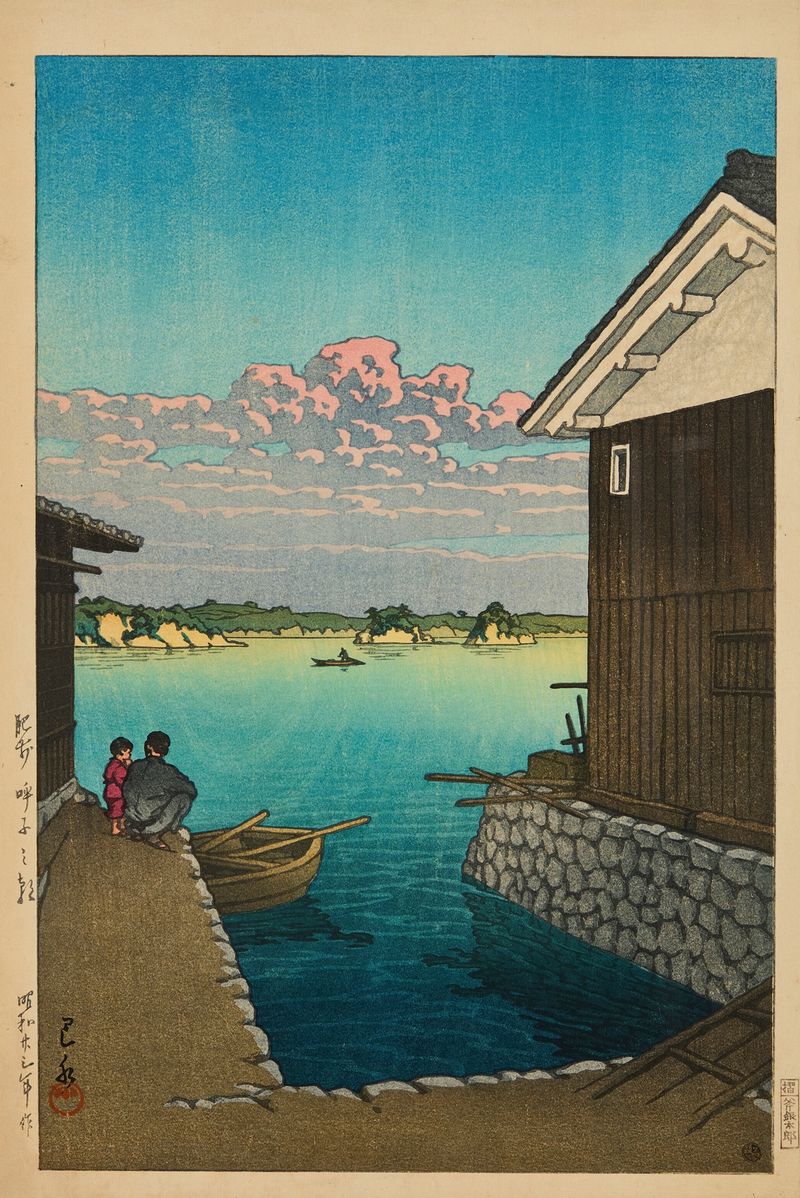
Hizen Yobuko no asa (Morning in Yobuko, Hizen)
Kawase Hasui
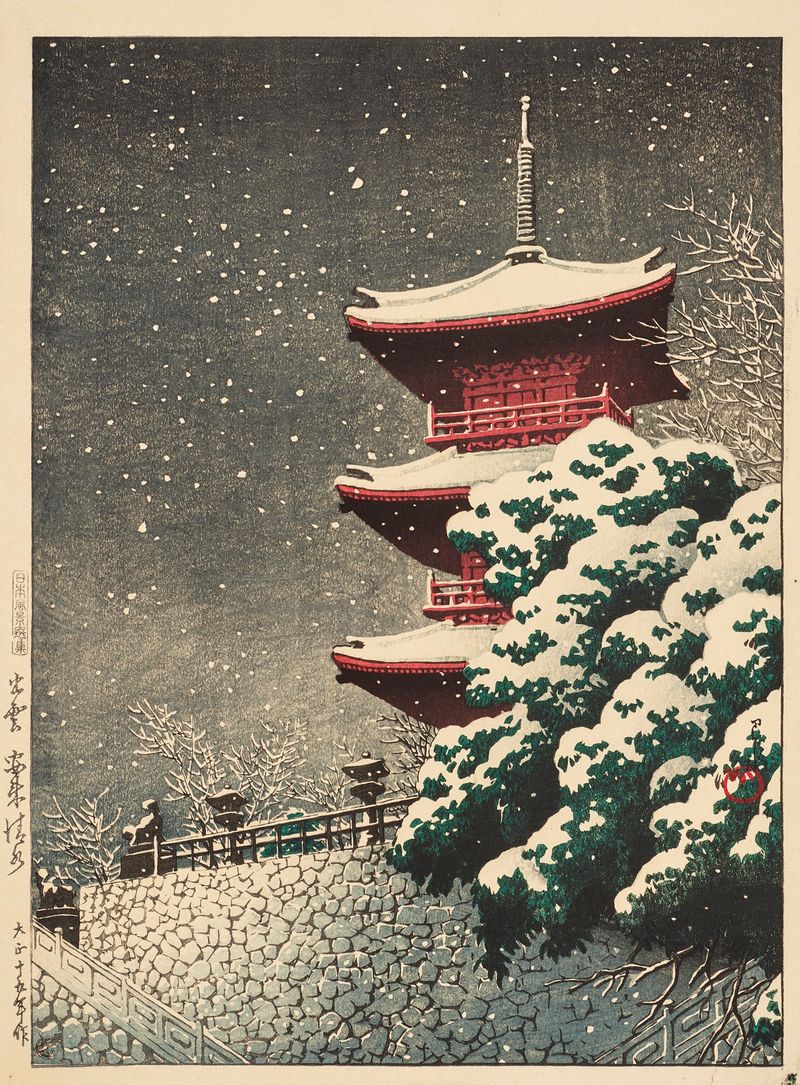
Izumo, Yasugi Kiyomizu (Yasugi Kiyomizu Temple at Izumo)
Kawase Hasui
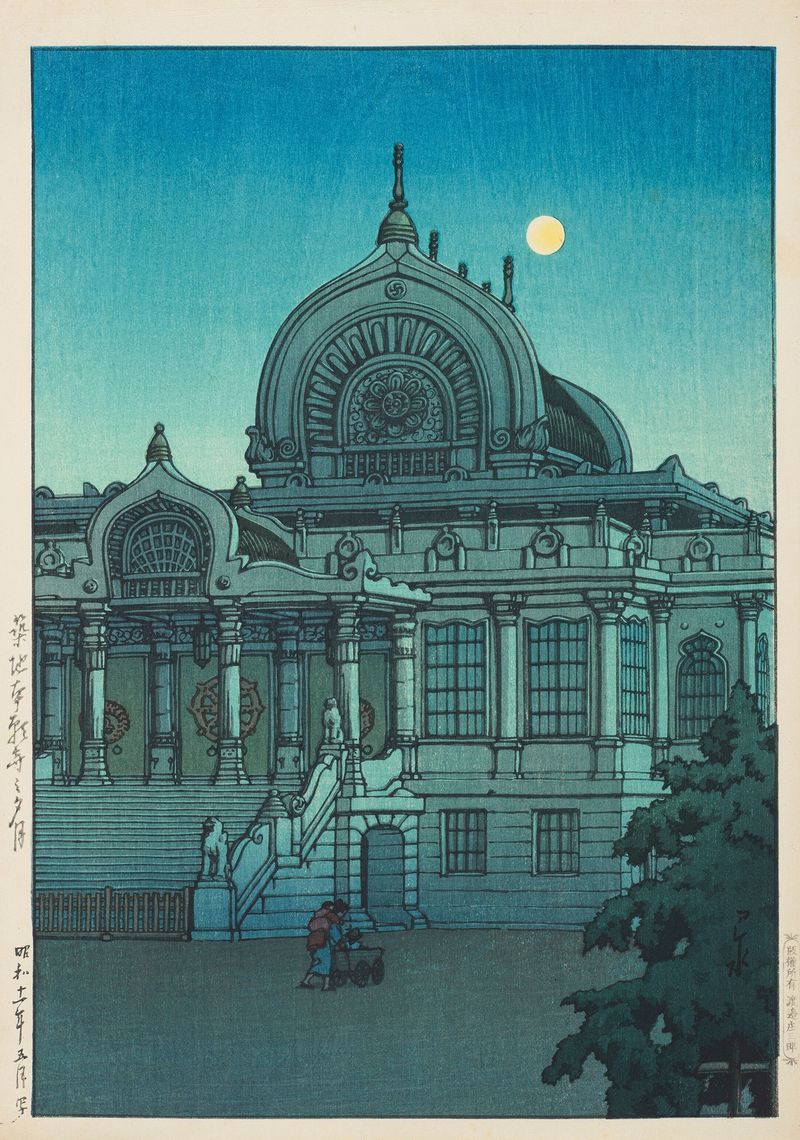
Tsukiji Honganji no yuzuki (Evening moon at Honganji Temple in Tsukiji)
Kawase Hasui
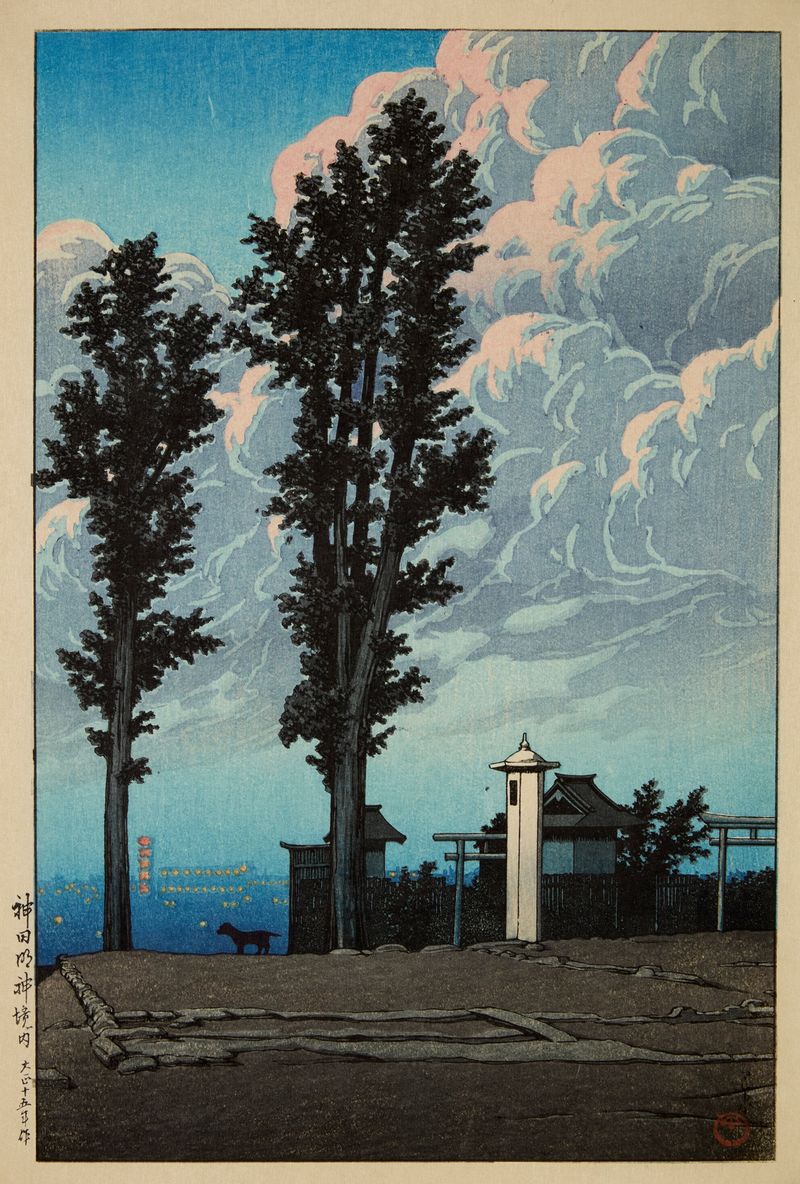
Kanda Myojin keidai (Kanda Myojin Shrine precent)
Kawase Hasui
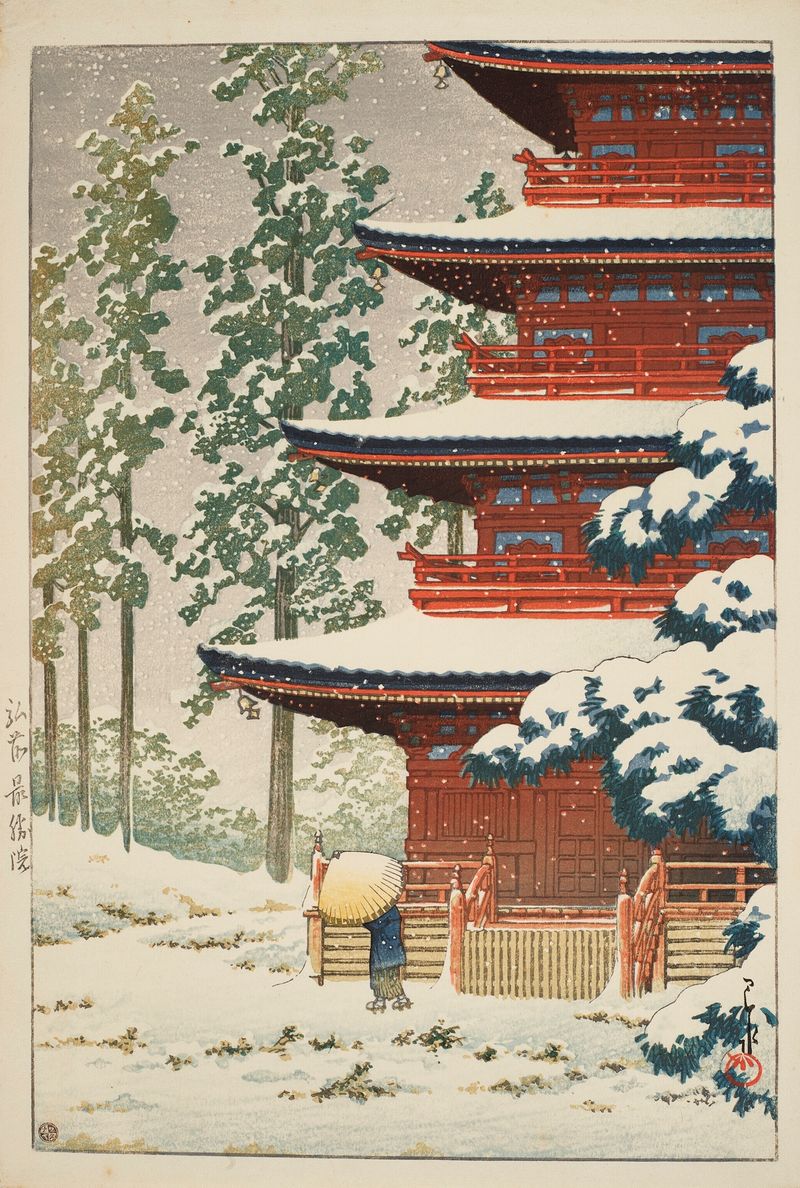
Saisho-in Temple, Hirosaki
Kawase Hasui
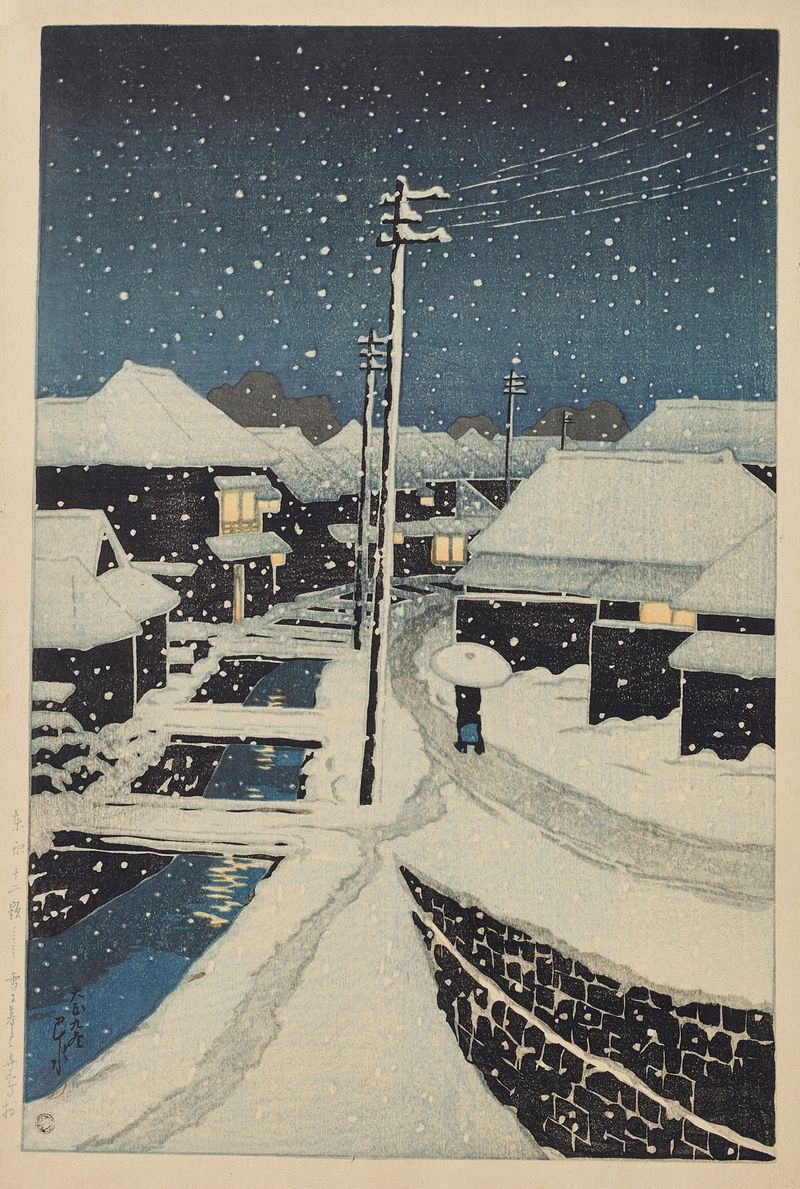
Yuki ni fururu Terajima mura (Evening snow at Terajima Village)
Kawase Hasui
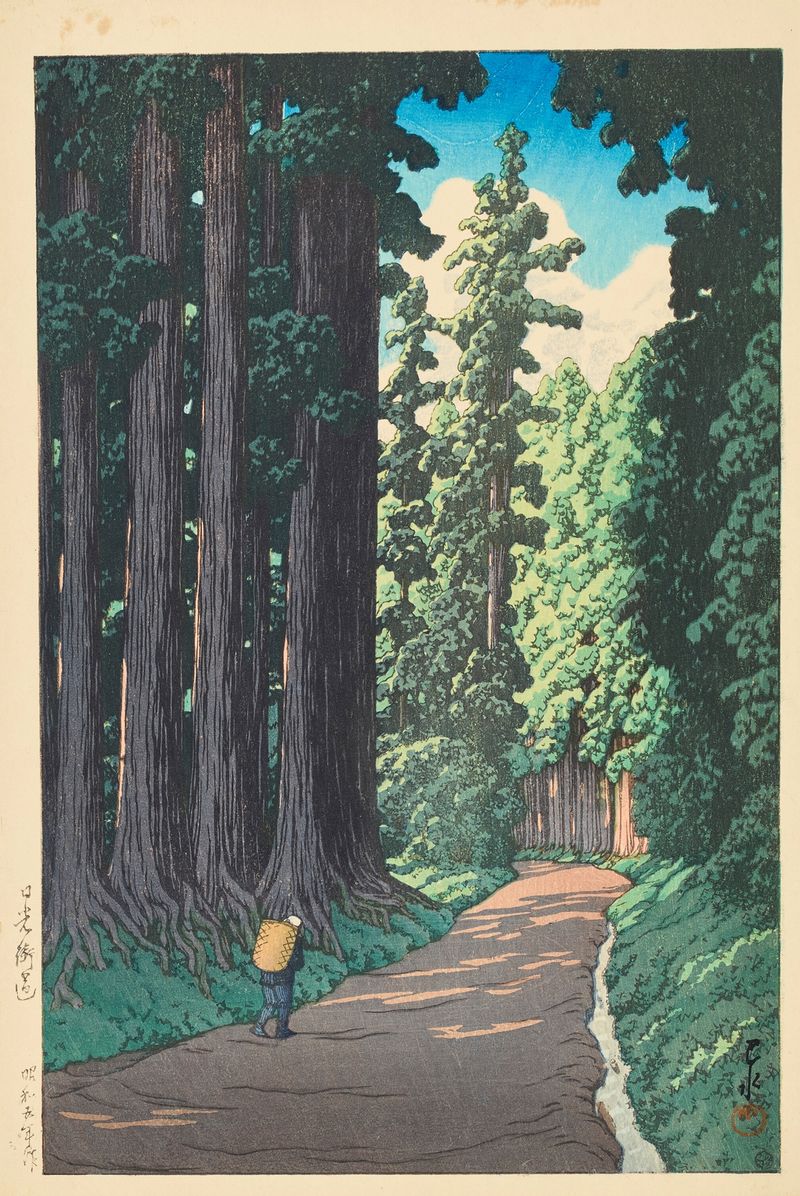
Nikko gaido (The Road to Nikko)
Kawase Hasui
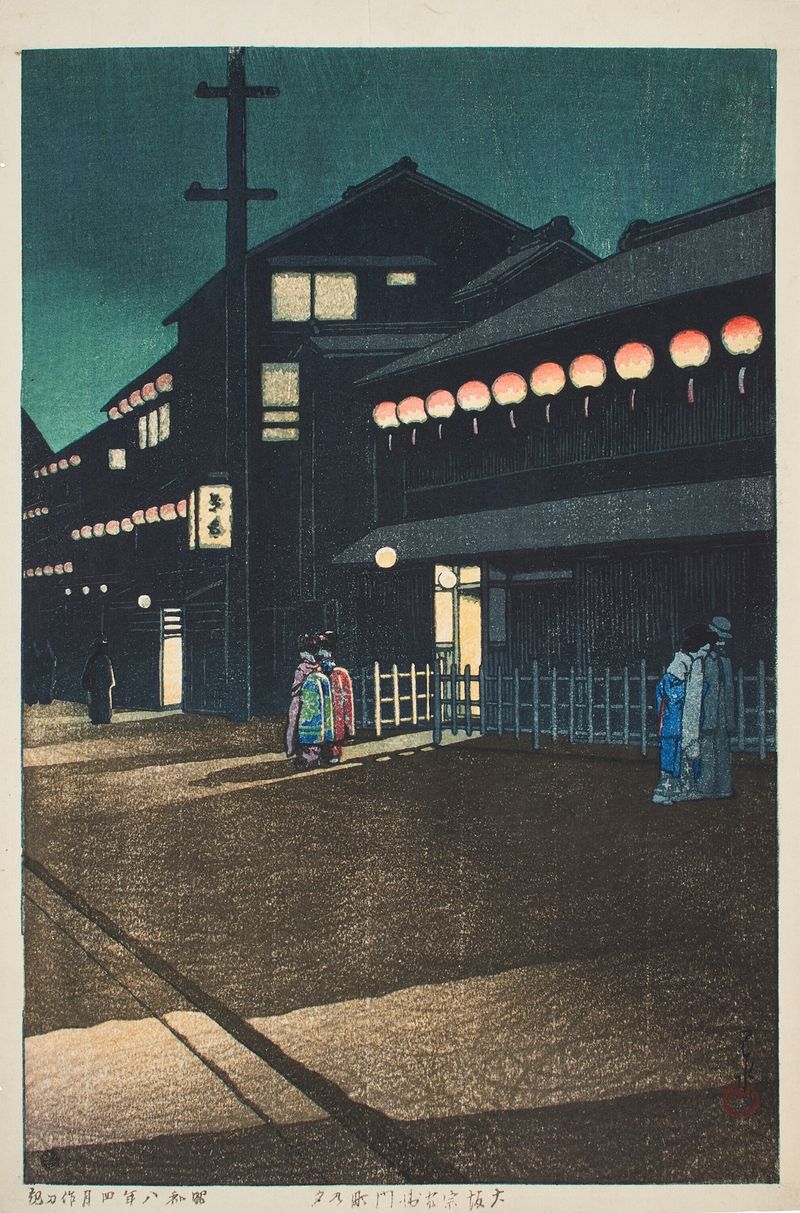
Osaka Soemon-cho no yu (Evening in Soemon-cho, Osaka)
Kawase Hasui
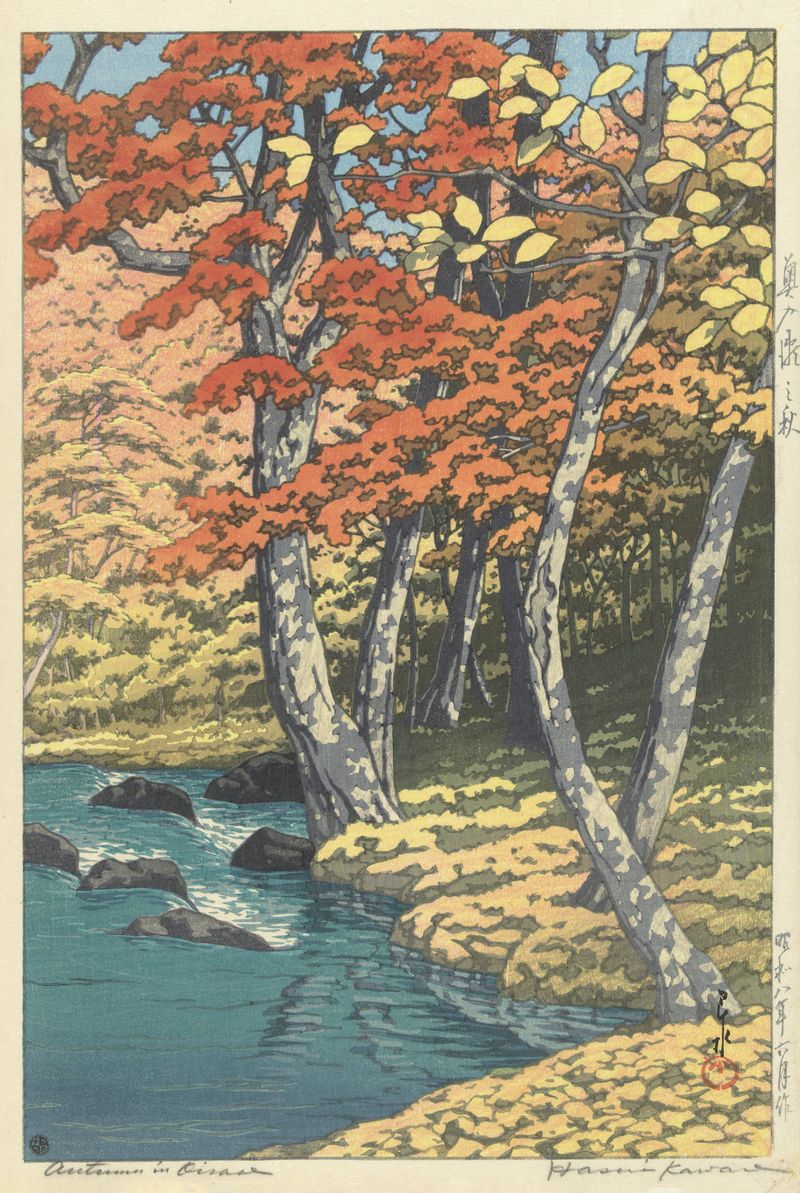
Autumn In Oirase
Kawase Hasui
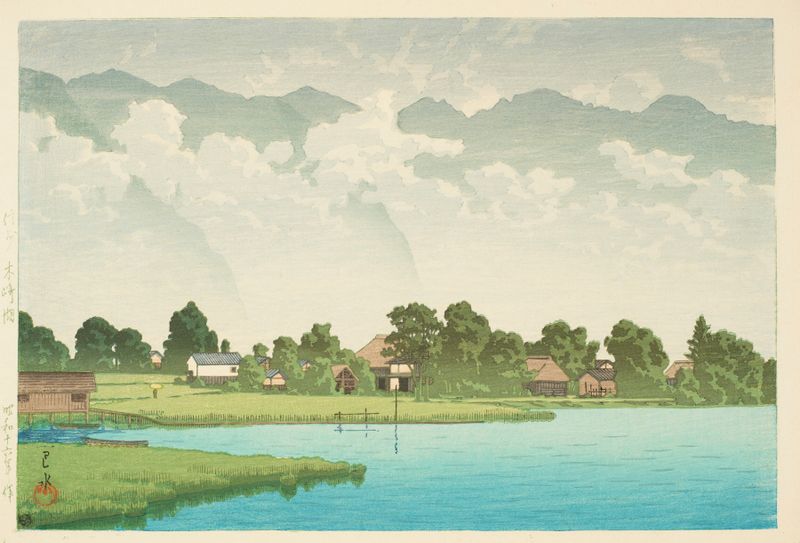
Shinshu Kizakiko (Kizaki Lake in Shinshu)
Kawase Hasui
More Architecture Art
Browse all →
The statue of Liberty
Frédéric Auguste Bartholdi

View of Houses in Delft, Known as ‘The Little Street’
Johannes Vermeer

View of Houses in Delft, Known as ‘The Little Street’
Johannes Vermeer

The Cathedral in Rouen. The portal, Grey Weather
Claude Monet

The yellow house
Vincent van Gogh

The Church in Auvers-sur-Oise, View from the Chevet
Vincent van Gogh