
Sheerness as seen from the Nore — History & Facts
In an era dominated by change, the strokes of a brush become a rebellion against the relentless march of history. Look to the horizon, where the ethereal blend of blues and grays captures the convergence of sea and sky. The brushwork is almost impressionistic, allowing the viewer to feel the wind and water, while the soft light illuminates the edges of the clouds, creating an atmosphere thick with anticipation. Notice how the ships, mere silhouettes against the vastness, seem to drift at the mercy of the elements, their sails caught in a dance with the tempestuous waves below.
The tension resides in the delicate balance between nature’s power and human endeavor. Delve deeper into the layers of this composition: the fading light hints at an approaching storm, a metaphor for the tumultuous social changes stirring across Europe at the time. The ships represent industry and progress, yet their vulnerability speaks to the fragility of human ambition amidst nature's vastness. This duality reflects an internal struggle—between innovation and nostalgia, between the promise of the future and the weight of the past. In 1808, the artist painted this work during a period marked by political unrest and the burgeoning Industrial Revolution.
Living in England, Turner was influenced by the shifting societal landscape, where romanticism met industrial advancement. His series of marine landscapes, including this one, emerged as a powerful commentary on both the beauty and the peril of contemporary life, capturing the essence of a nation grappling with its own identity amid revolutionary changes.
More Artworks by Joseph Mallord William Turner
Browse all →
Dort or Dordrecht- The Dort Packet-Boat from Rotterdam Becalmed
Joseph Mallord William Turner
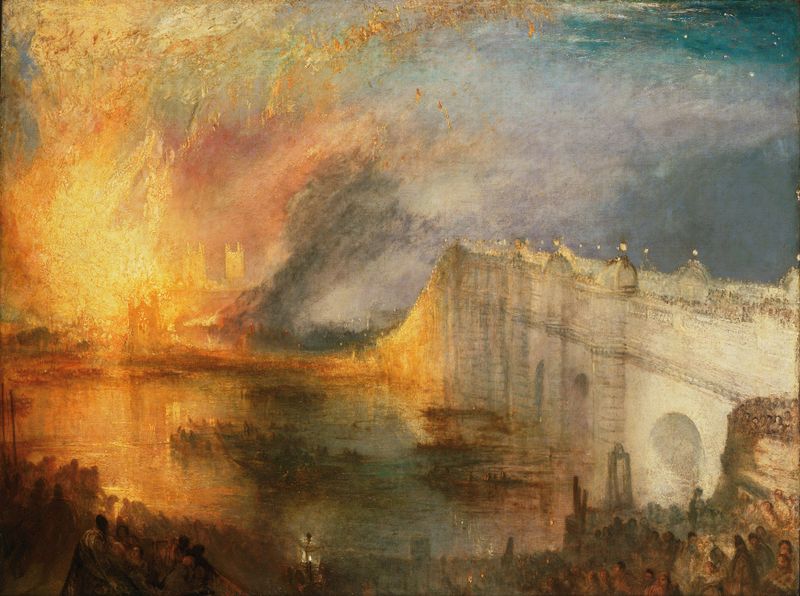
The Burning of the Houses of Lords and Commons, October 16, 1834
Joseph Mallord William Turner
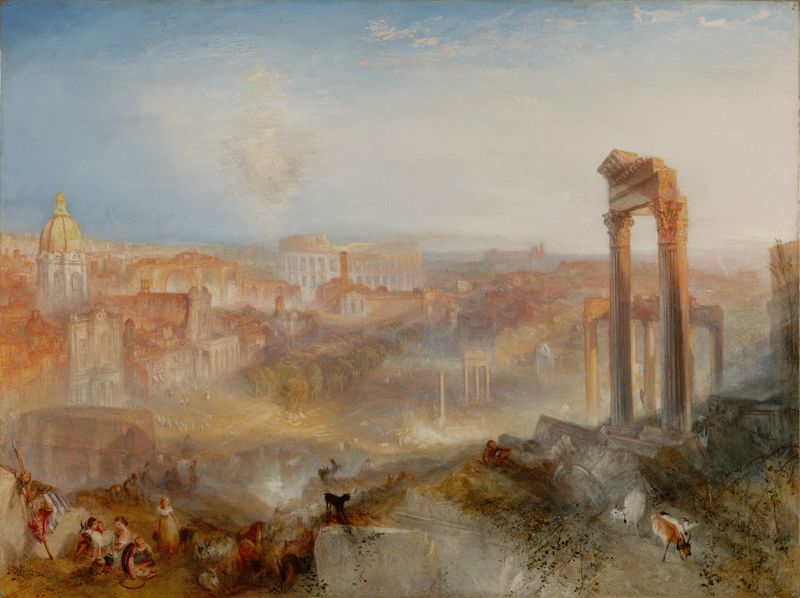
Modern Rome – Campo Vaccino
Joseph Mallord William Turner
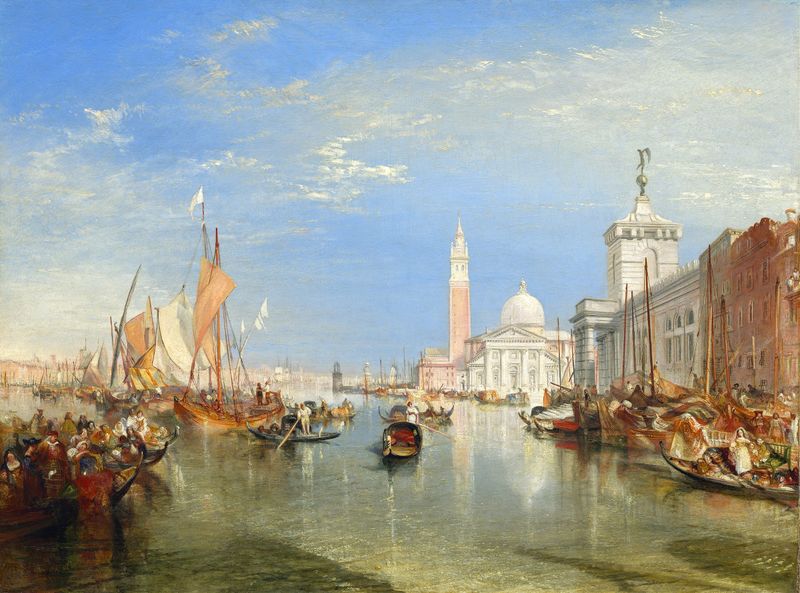
Venice – The Dogana and San Giorgio Maggiore
Joseph Mallord William Turner

The Burning of the Houses of Lords and Commons, 16 October 1834
Joseph Mallord William Turner
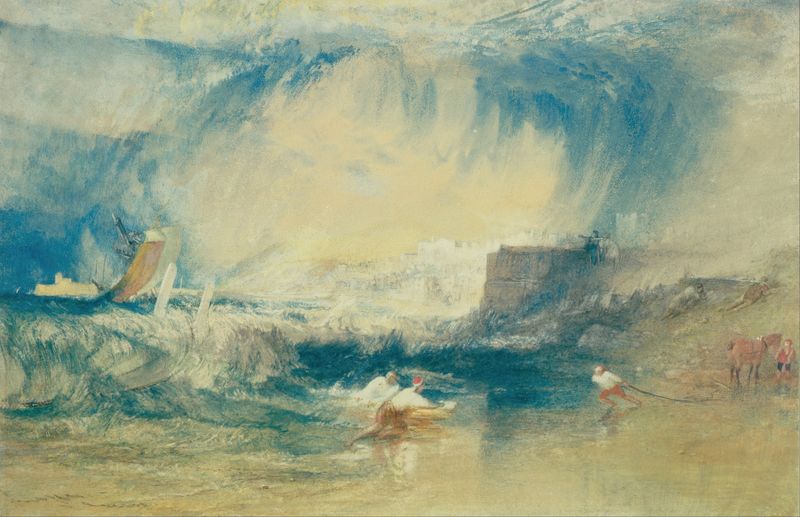
Lyme Regis, Dorsetshire, England
Joseph Mallord William Turner
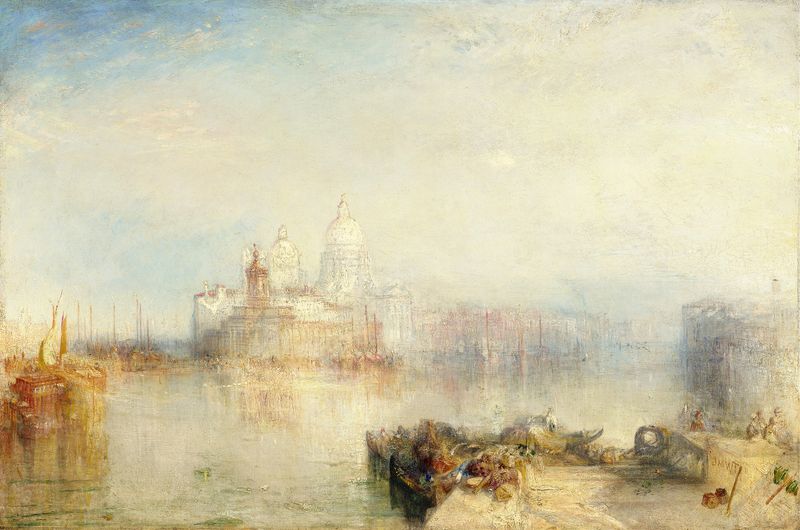
The Dogana and Santa Maria della Salute, Venice
Joseph Mallord William Turner
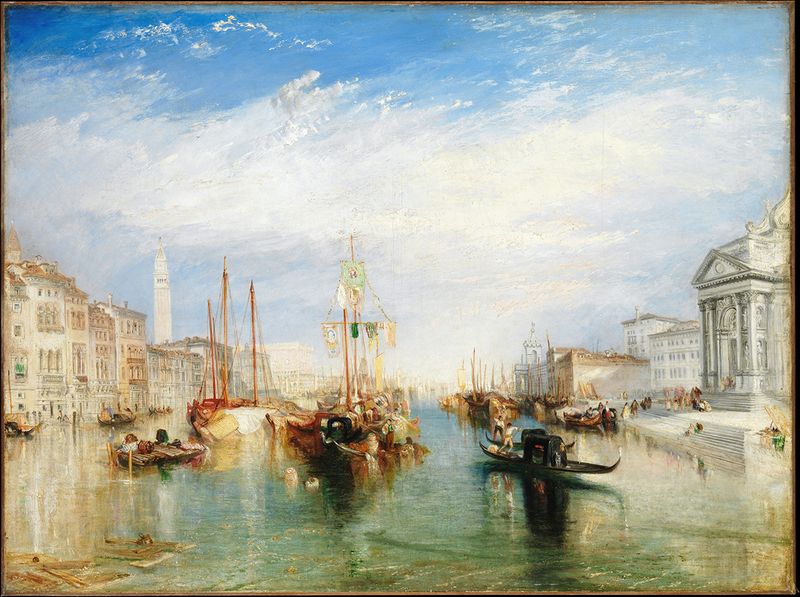
Venice, from the Porch of Madonna della Salute
Joseph Mallord William Turner
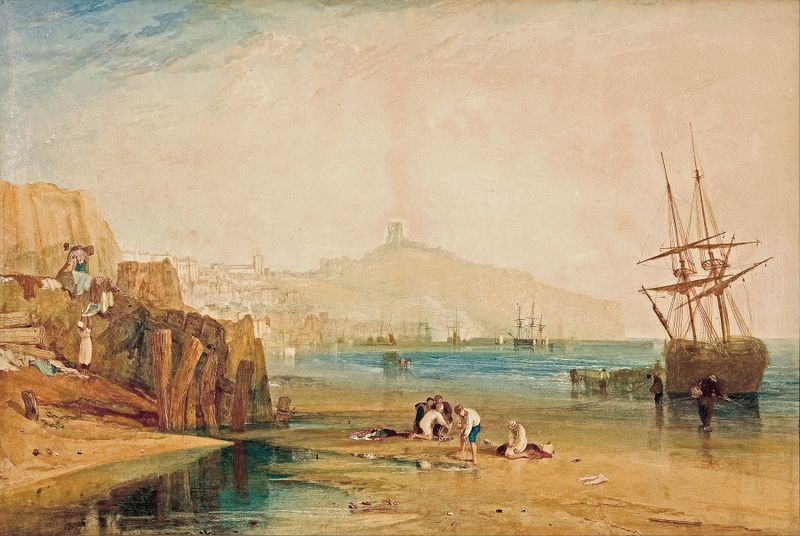
Scarborough town and castle; morning; boys catching crabs
Joseph Mallord William Turner
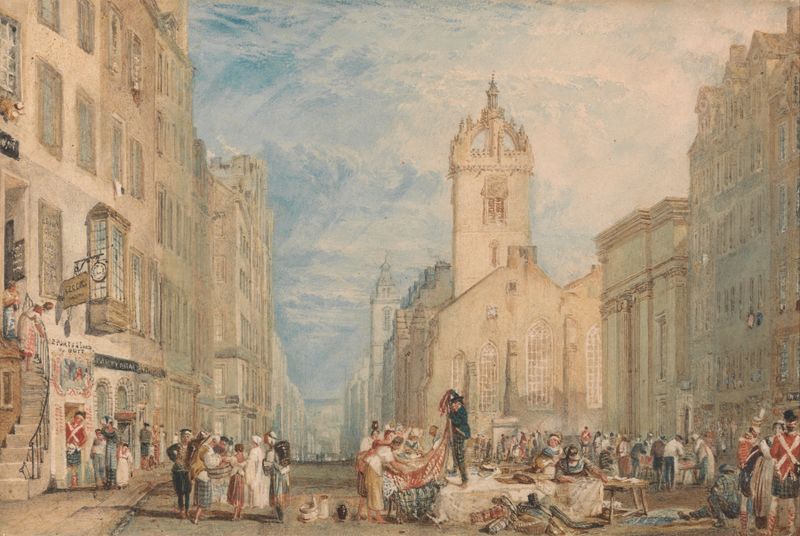
High Street, Edinburgh
Joseph Mallord William Turner




