
Shepherds and Cattle in a Pasture — History & Facts
A shaft of late afternoon light draws the eye to the heart of Shepherds and Cattle in a Pasture, where a man pauses, hand to mouth, as if calling out or perhaps lost in thought. The scene is anchored by a great tree, its branches stretching upward, dividing the tranquil sky from the shaded, lush undergrowth below. Around him, a woman tends a cow and goats graze, their white coats catching the sun; a child stands nearby, half-turned, her blue dress a bright note among the earth tones.
Every detail feels deliberate: the slant of the cattle’s heads, the dapple of sunlight on leaves, the way the landscape recedes into a soft, golden haze. This is not a moment of drama but of quiet occupation, the kind of rural life that 17th-century Dutch painters like Adam Pijnacker returned to again and again, inviting the viewer to linger in its calm. Painted in the 17th century, this work belongs to a world where the Dutch landscape was both subject and symbol—celebrated for its beauty, but also for the prosperity and peace it represented. Scenes like this were prized by collectors who sought reminders of the countryside’s order and abundance, even as cities grew and commerce flourished.
History has kept few traces of this specific painting’s journey, but its presence in the Nationalmuseum today speaks to the enduring appeal of such pastoral visions. The careful balance of light and shadow, the gentle rhythm of figures and animals, all beckon the viewer to step into that sunlit clearing and experience a moment of stillness.
More Artworks by Adam Pijnacker

Italianate River Landscape
Adam Pijnacker
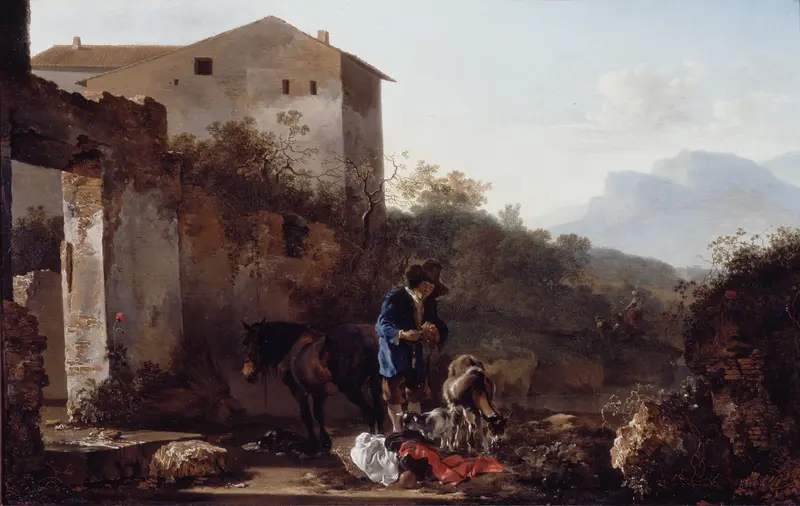
Landscape with a Goatherd
Adam Pijnacker
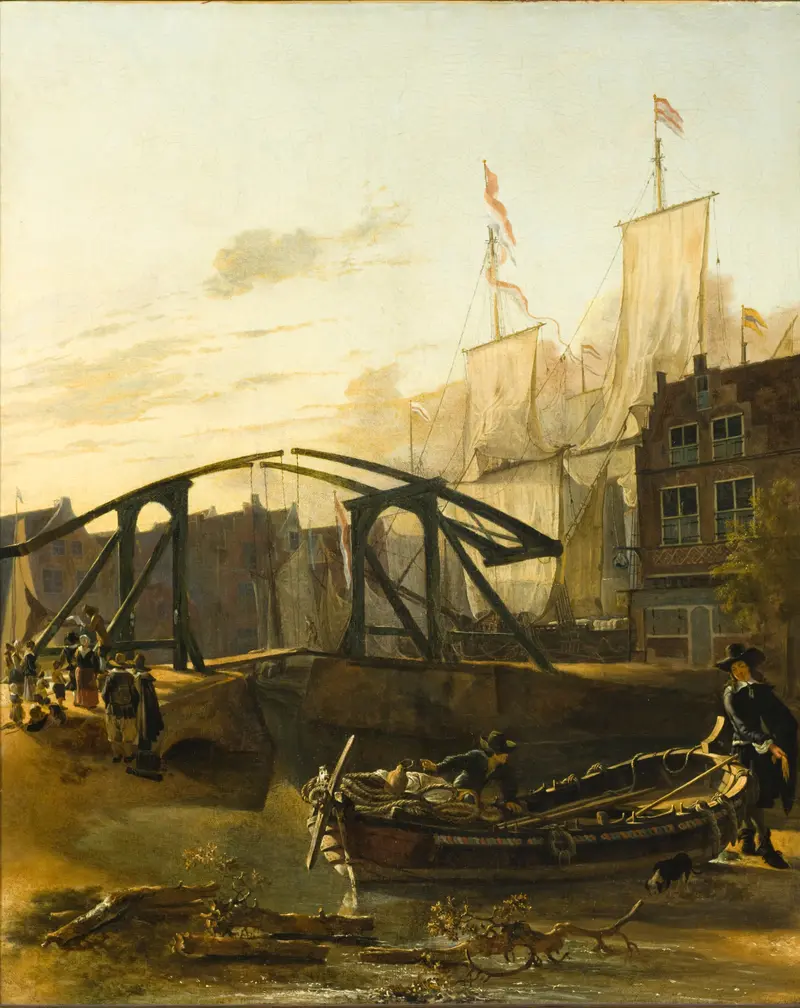
View of a Harbor in Schiedam
Adam Pijnacker
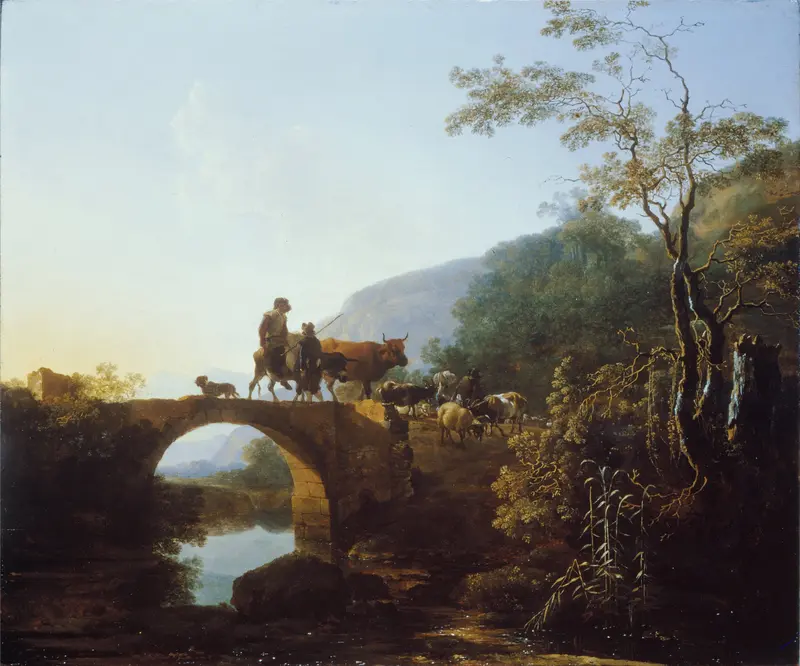
Bridge in an Italian Landscape
Adam Pijnacker
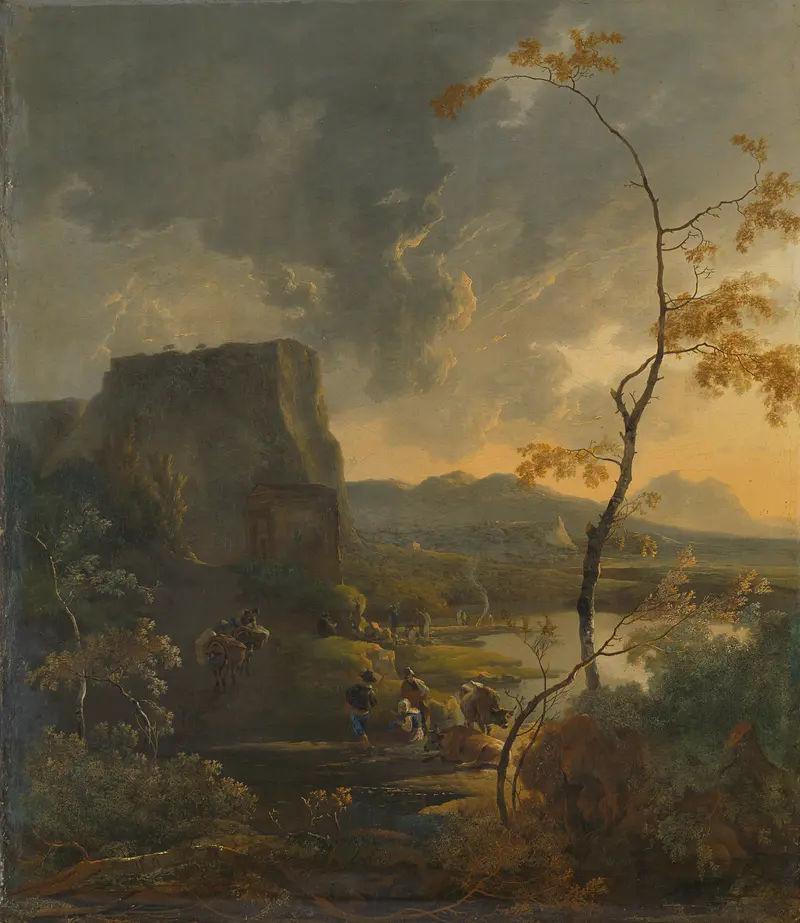
Italian Landscape with Ancient Tempietto
Adam Pijnacker
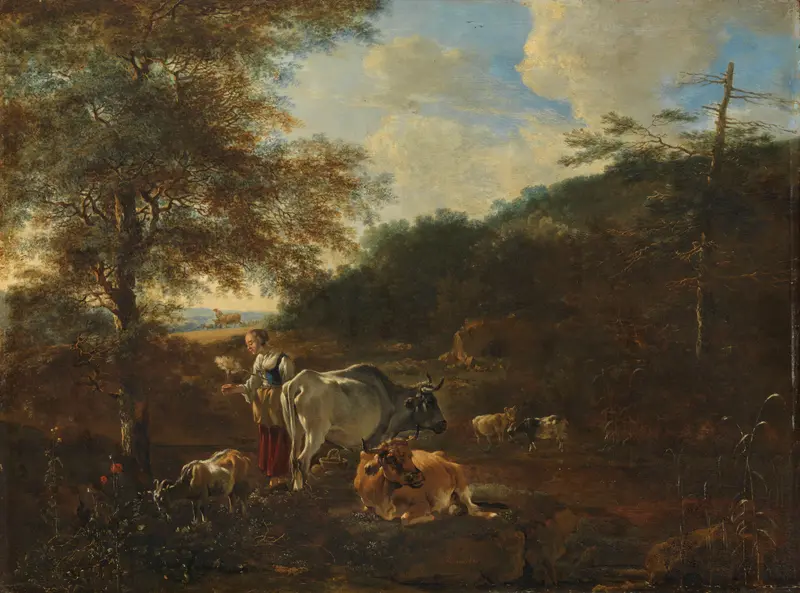
Landscape with cattle
Adam Pijnacker
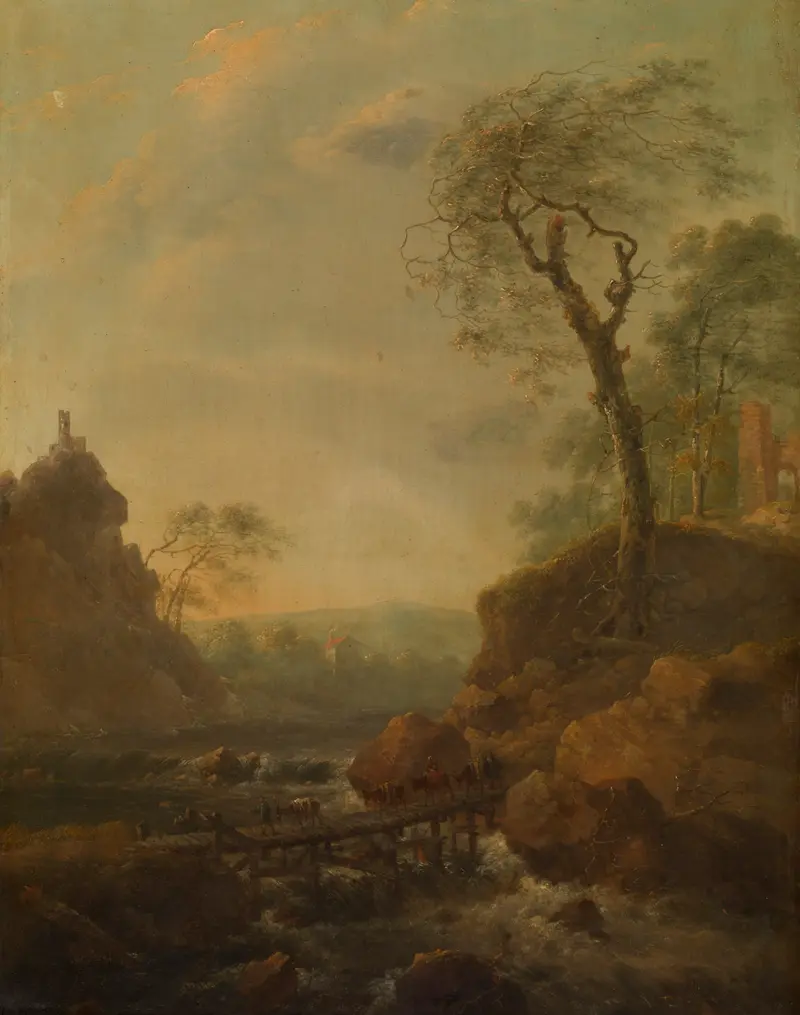
Landscape
Adam Pijnacker
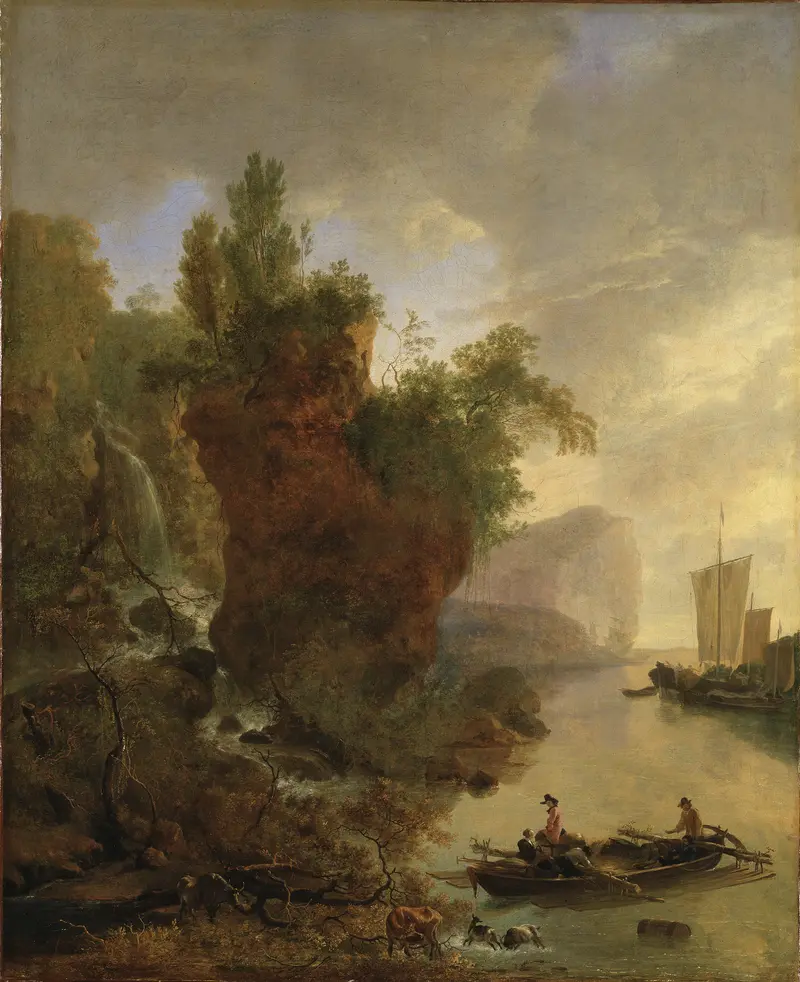
Bay with a Rocky Coast
Adam Pijnacker
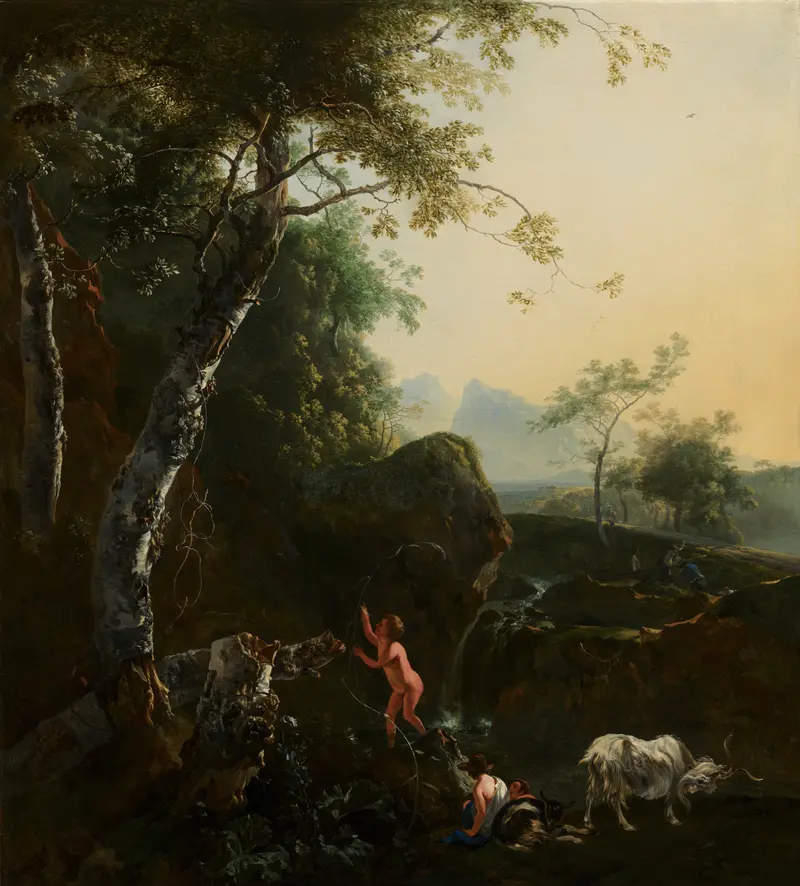
Mountainous Landscape with Waterfall
Adam Pijnacker
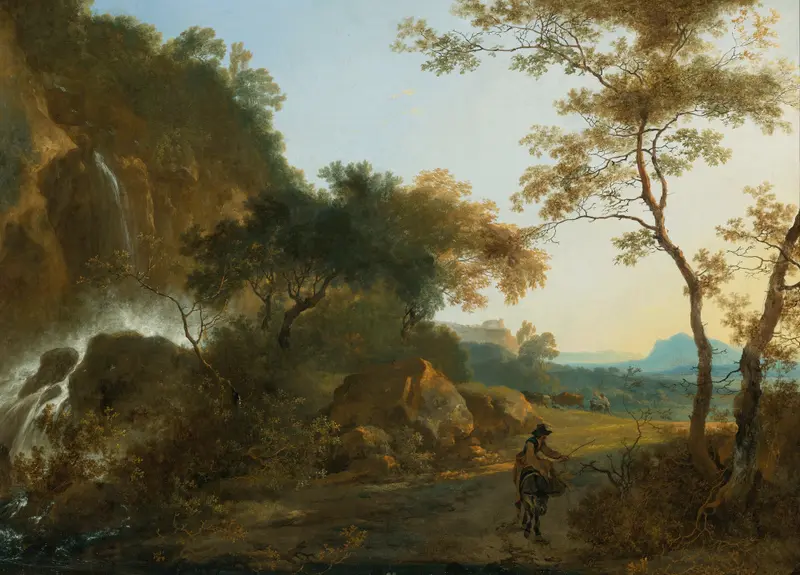
An Italianate Landscape With A Traveller On A Path By A Waterfall
Adam Pijnacker
More Landscape Art

The Starry Night
Vincent van Gogh

View of Delft
Johannes Vermeer

Water Lilies
Claude Monet

The Grand Canal, Venice, looking north-west from the Ca' Corner to the Ca' Contarini degli Scrigni, with the campanile of Santa Maria della Carità
Canaletto

Windsor Castle
Canaletto

The Grand Canal looking North-East from the Palazzo Dolfin-Manin to the Rialto Bridge
Canaletto