
Shinagawa — History & Facts
What if silence could speak through light? In Shinagawa, a serene moment unfolds, whispering the yearnings of a bygone era through its delicate interplay of color and form. Look to the foreground where the winding path meanders gently toward the viewer, inviting exploration. The soft, muted hues of twilight blend harmoniously, creating a tranquil atmosphere that envelops the scene. Notice how the light falls softly on the wet stone, reflecting the last glimmers of daylight, while the silhouetted trees stand as guardians of quietude in the background, their dark forms punctuating the understated palette. Yet, beneath the calm exterior lies an emotional depth.
The contrast between the vibrant sky and the shadowy surroundings evokes a sense of longing, as if the landscape is caught in a moment of transition, both fleeting and eternal. The figures in the distance, small and almost insignificant, hint at the human experience — a poignant reminder of our place within nature’s grand narrative. Each brushstroke carries a weight of nostalgia, resonating with anyone who has felt the pang of yearning for a moment or place long past. In 1931, Kawase Hasui created this work during a time when traditional Japanese art faced the pressures of modernization.
Living in Japan, Hasui was part of the shin-hanga movement, which sought to blend Western techniques with traditional woodblock printing. This artistic evolution mirrored the societal changes of the era, as Japan experienced significant cultural shifts, and Hasui's work became a refuge, capturing the beauty of ephemeral moments in nature and history.
More Artworks by Kawase Hasui
Browse all →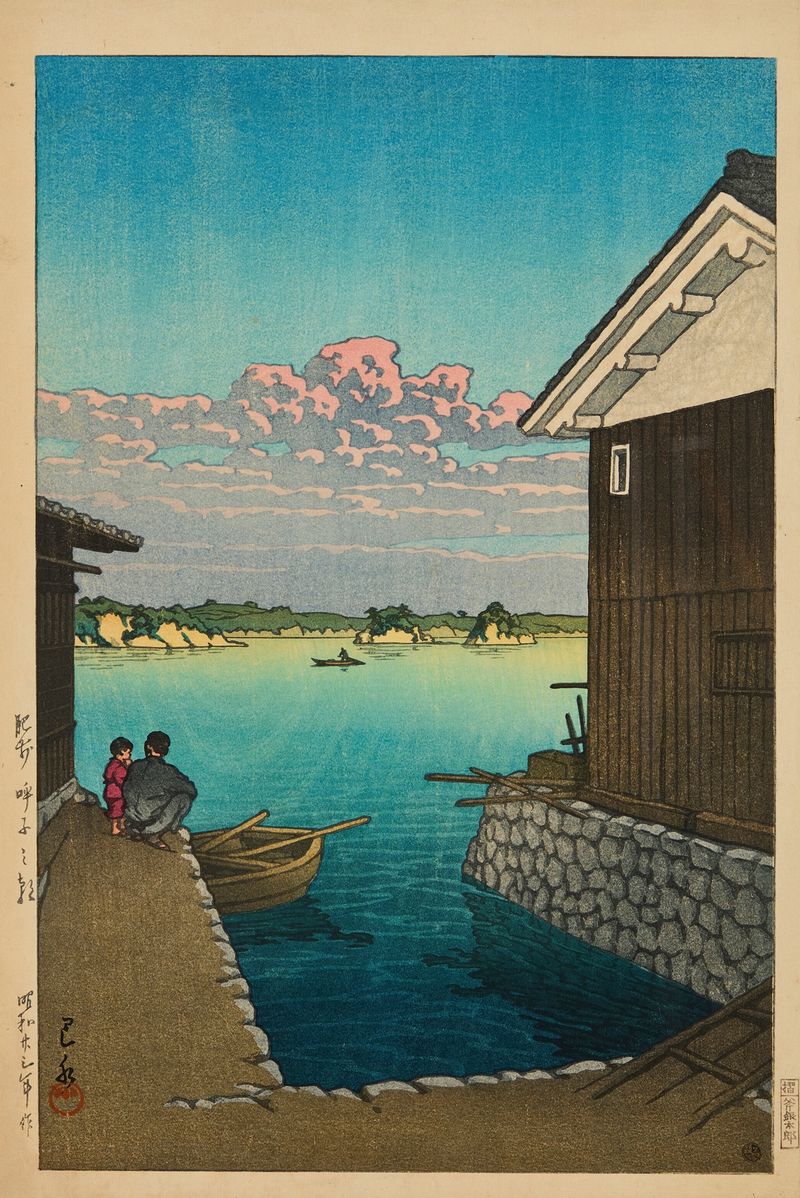
Hizen Yobuko no asa (Morning in Yobuko, Hizen)
Kawase Hasui
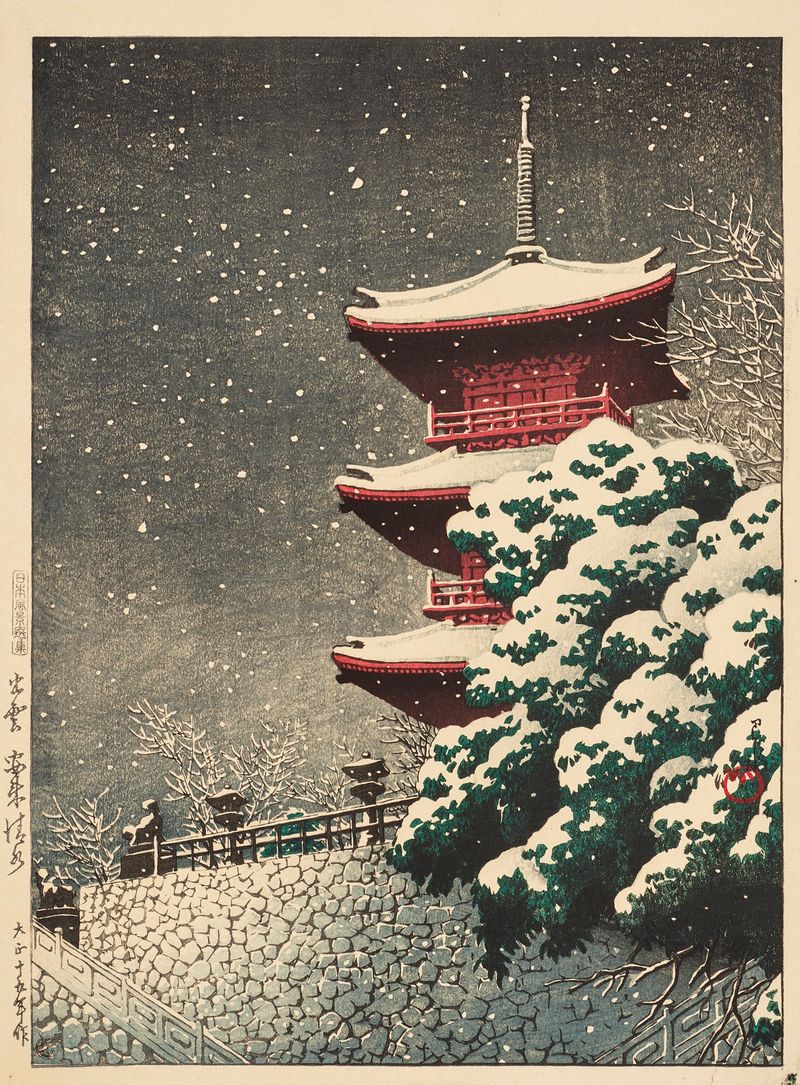
Izumo, Yasugi Kiyomizu (Yasugi Kiyomizu Temple at Izumo)
Kawase Hasui
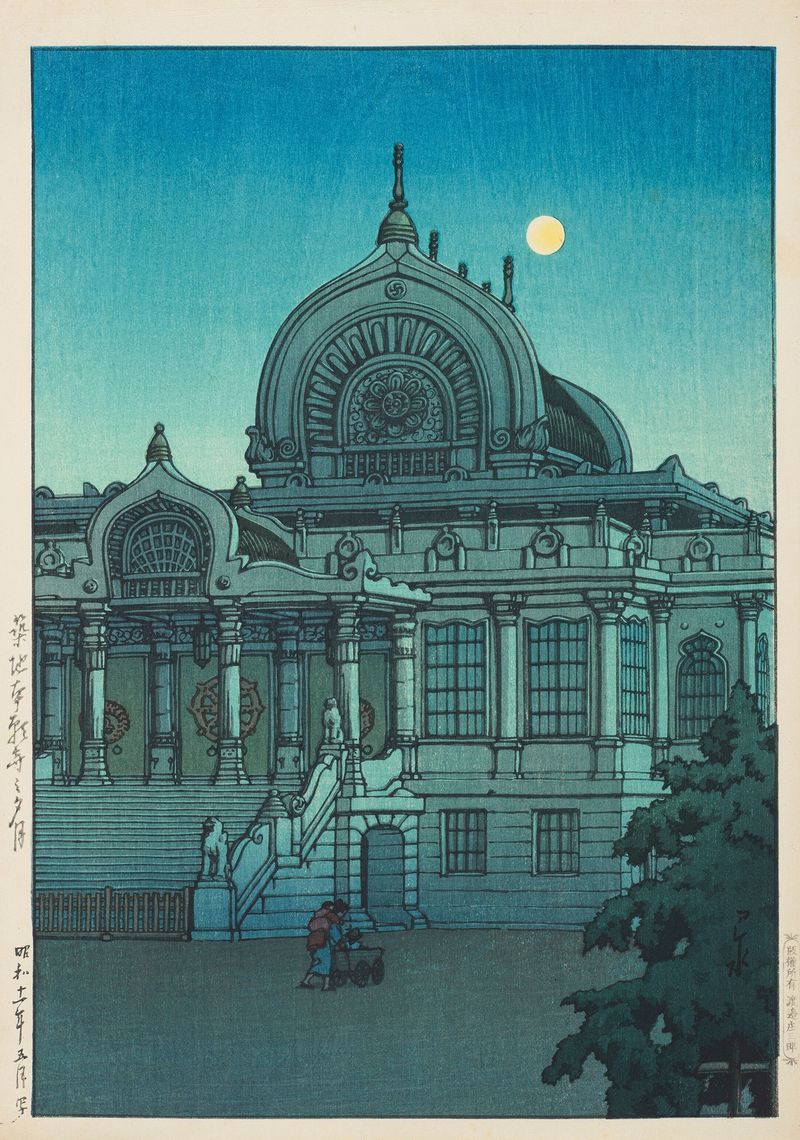
Tsukiji Honganji no yuzuki (Evening moon at Honganji Temple in Tsukiji)
Kawase Hasui
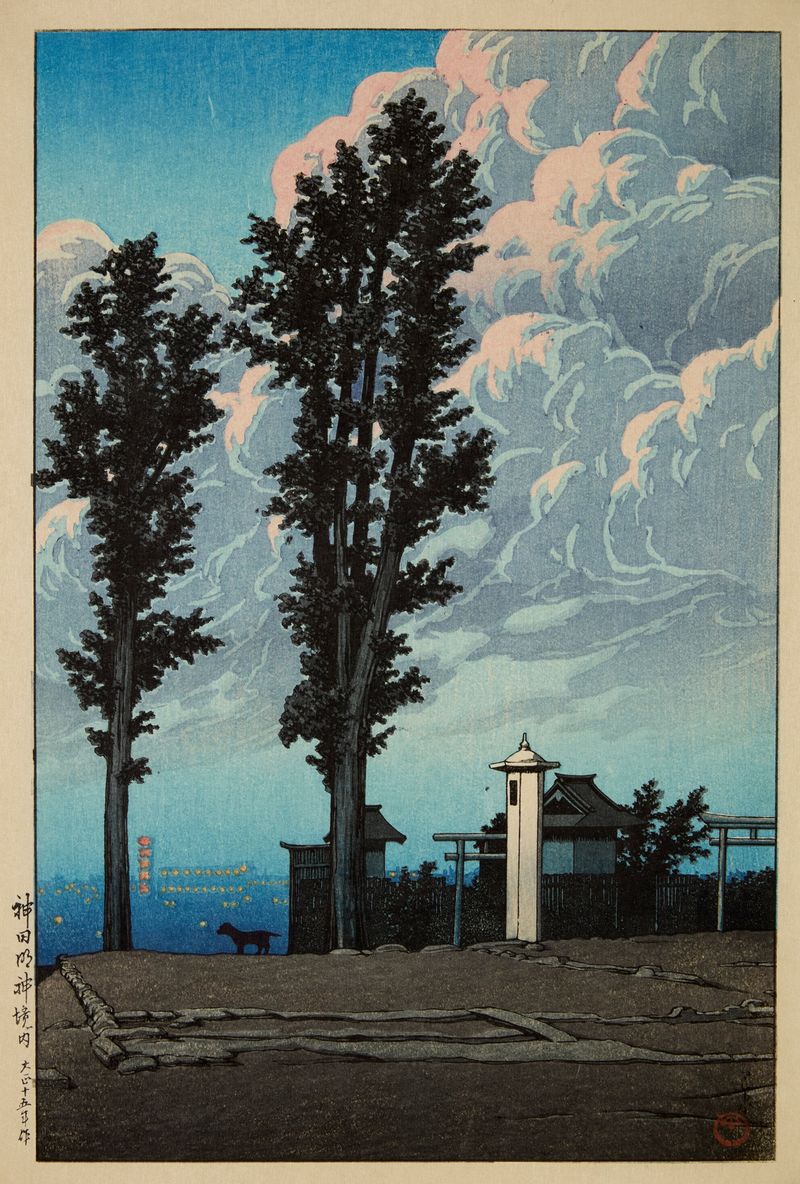
Kanda Myojin keidai (Kanda Myojin Shrine precent)
Kawase Hasui
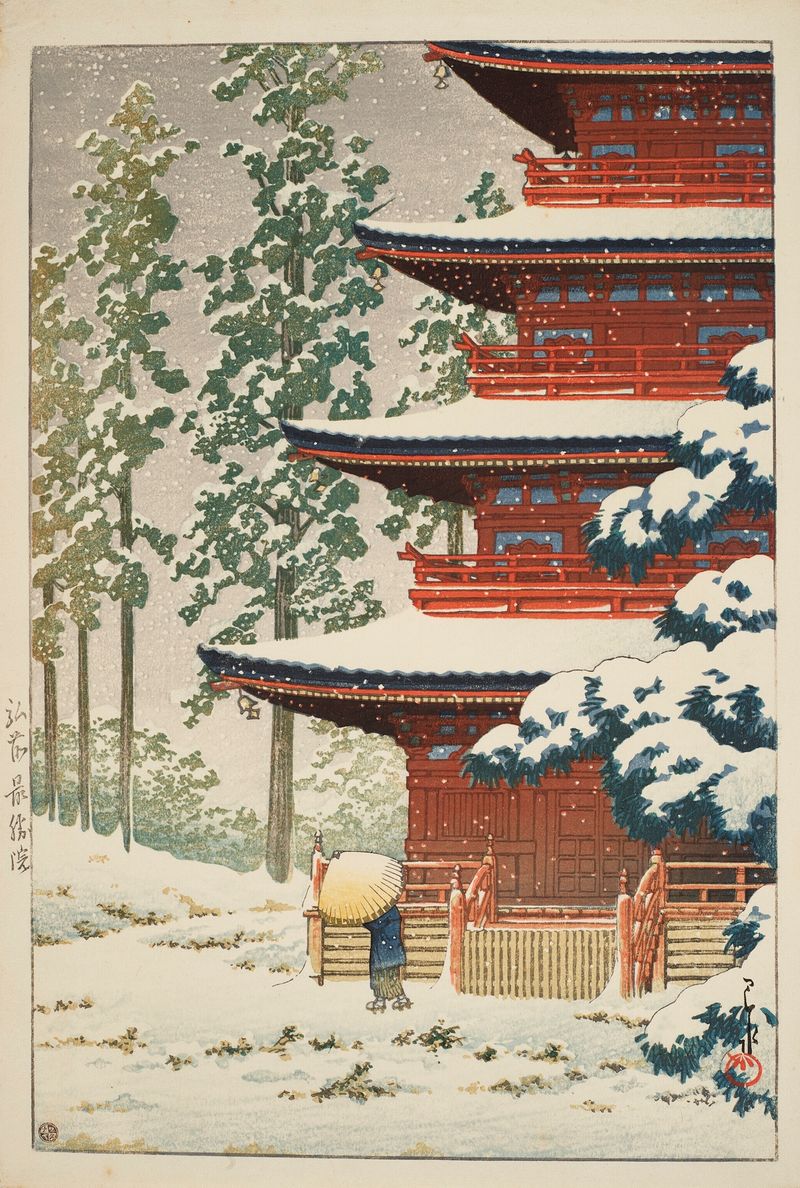
Saisho-in Temple, Hirosaki
Kawase Hasui
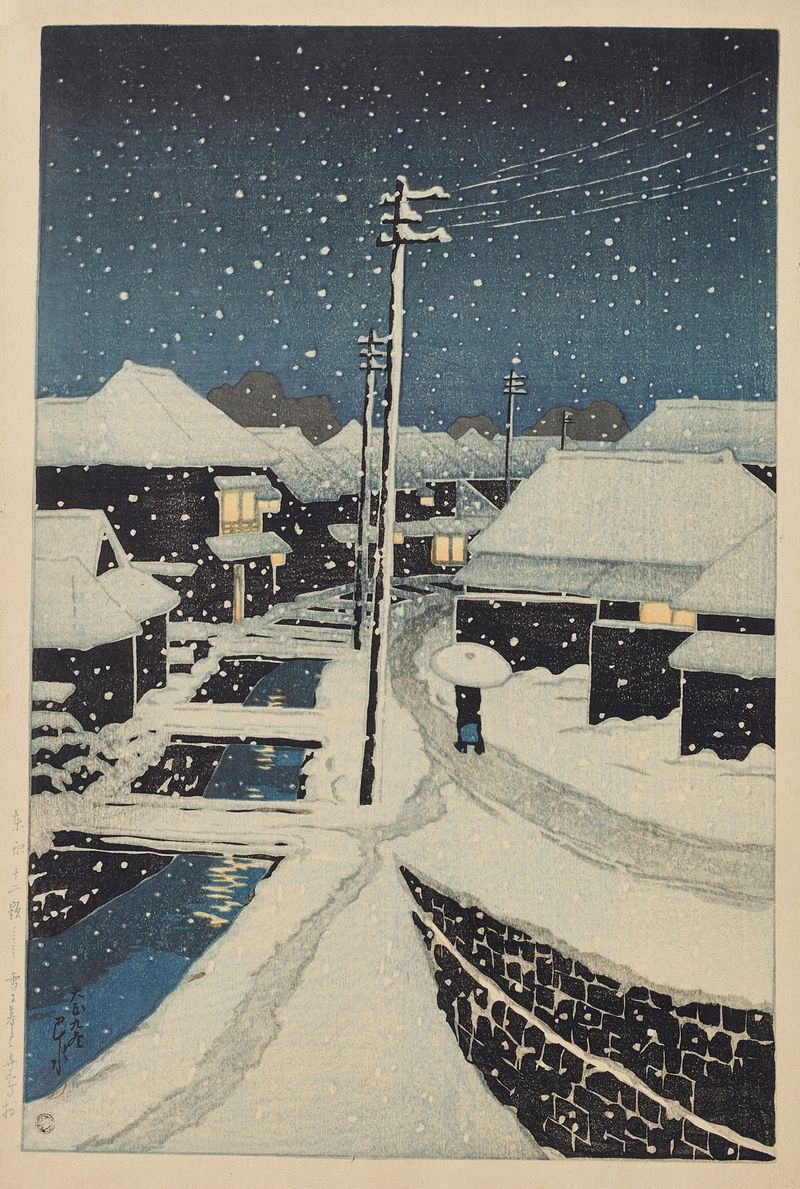
Yuki ni fururu Terajima mura (Evening snow at Terajima Village)
Kawase Hasui
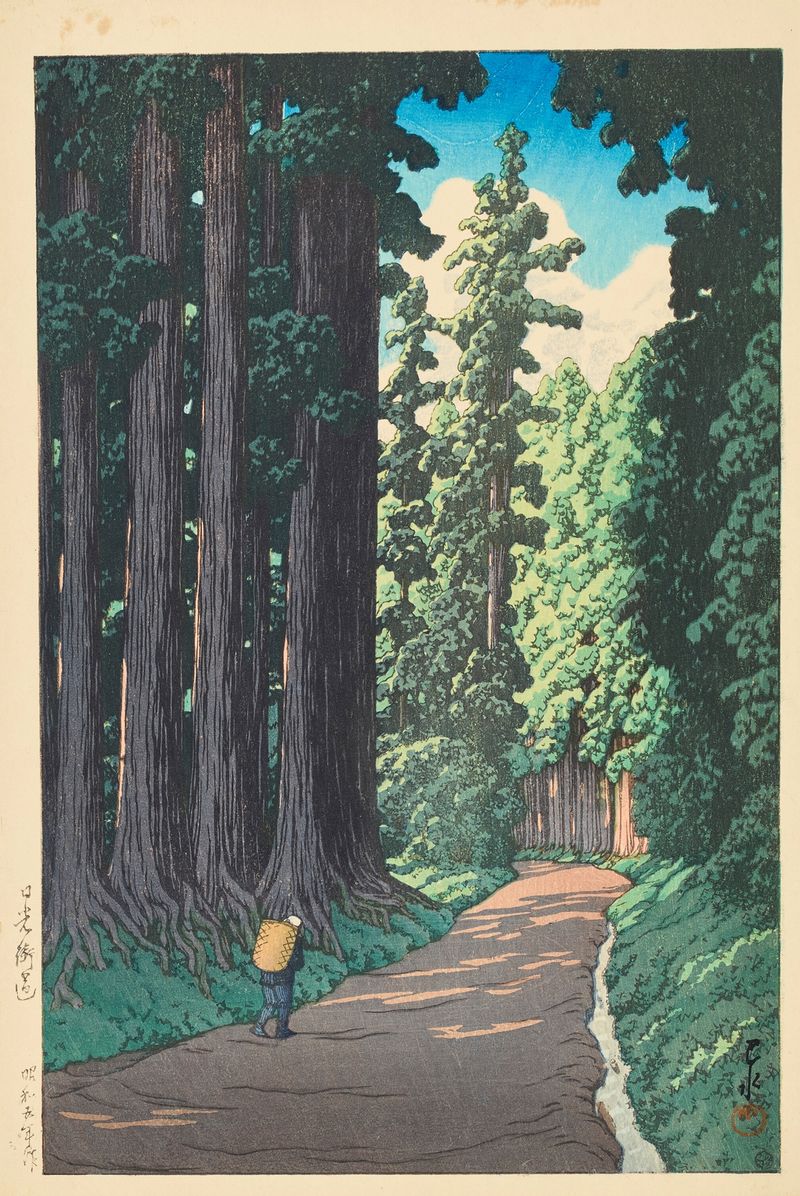
Nikko gaido (The Road to Nikko)
Kawase Hasui
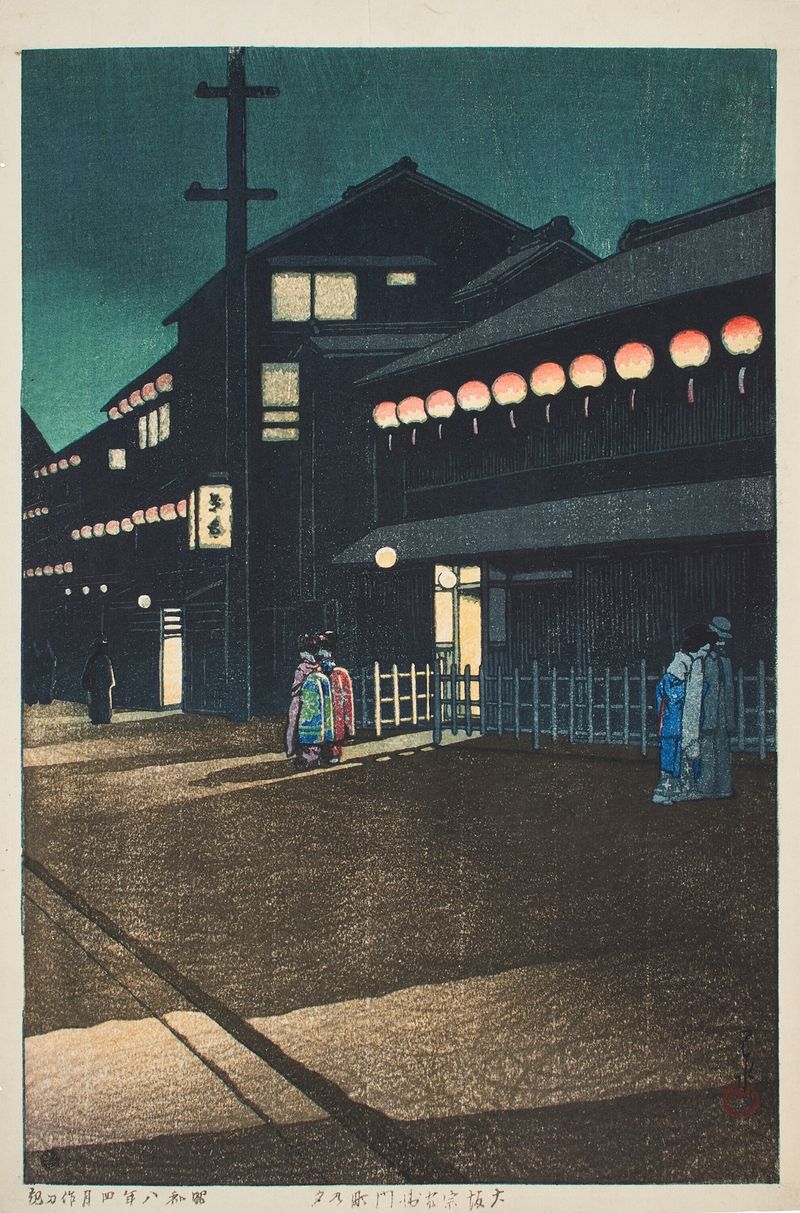
Osaka Soemon-cho no yu (Evening in Soemon-cho, Osaka)
Kawase Hasui
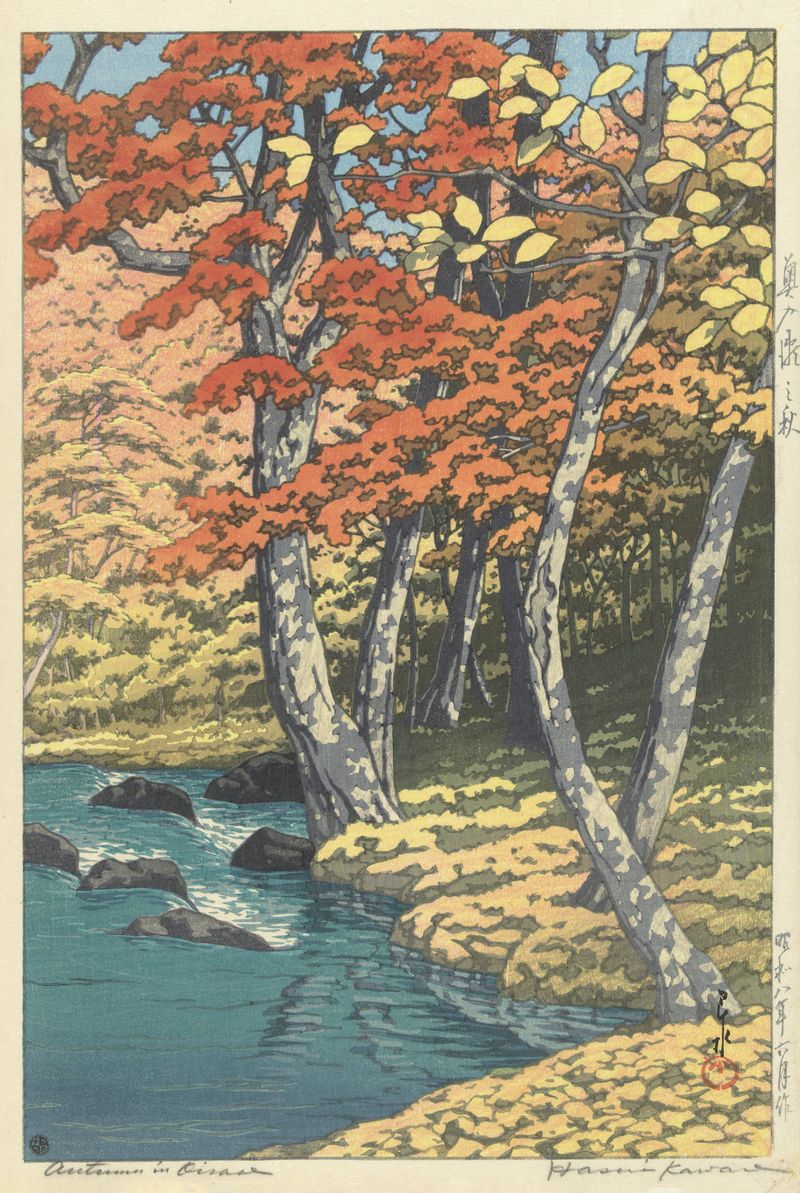
Autumn In Oirase
Kawase Hasui
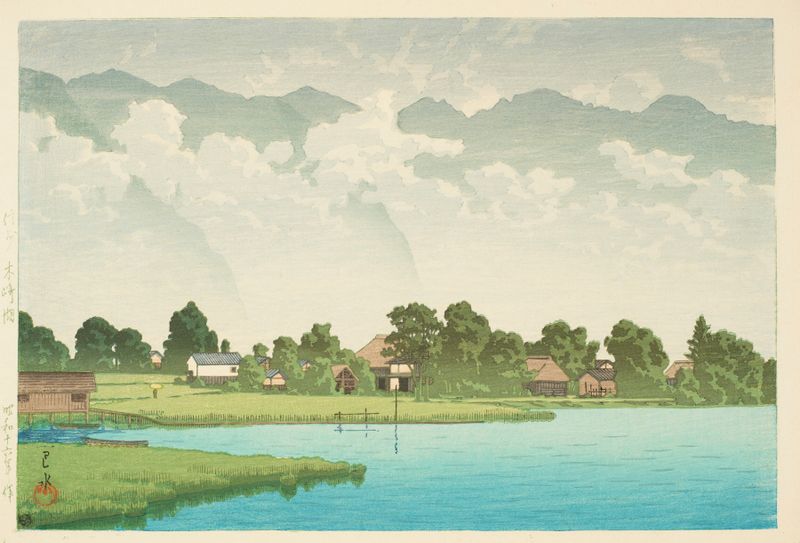
Shinshu Kizakiko (Kizaki Lake in Shinshu)
Kawase Hasui





