
Shinkubo, Hachinohe — History & Facts
In a world where sound often drowns out meaning, there exists a truth captured in stillness. Focus on the gentle curves of the landscape, where muted greens and soft blues intertwine, creating a sense of serenity. The viewer's gaze is drawn to the delicate interplay of light and shadow, particularly the way sunlight filters through the trees, casting intricate patterns on the ground. The composition is masterfully balanced, inviting one to linger and absorb the quiet beauty of this tranquil scene. Within this calmness lies a profound contrast between nature's serenity and the bustling life beyond it.
The solitary figures, almost ghostlike in their stillness, embody introspection amid the vibrancy of their surroundings. Each stroke of the brush carries an emotional weight, whispering untold stories of lives intertwined with the landscape. The subtle hues suggest a narrative of longing and solitude, inviting personal reflection on one's place within the world. Kawase Hasui created this piece in 1933, during a time when Japan was undergoing significant social and political changes.
As part of the shin-hanga movement, which sought to revive traditional woodblock print techniques, he infused his work with a sense of nostalgia and reverence for nature. Amidst the shifting tides of modernity, Hasui's focus on landscapes, such as Shinkubo, Hachinohe, served as both an escape and a reminder of the enduring connection between humanity and the natural world.
More Artworks by Kawase Hasui
Browse all →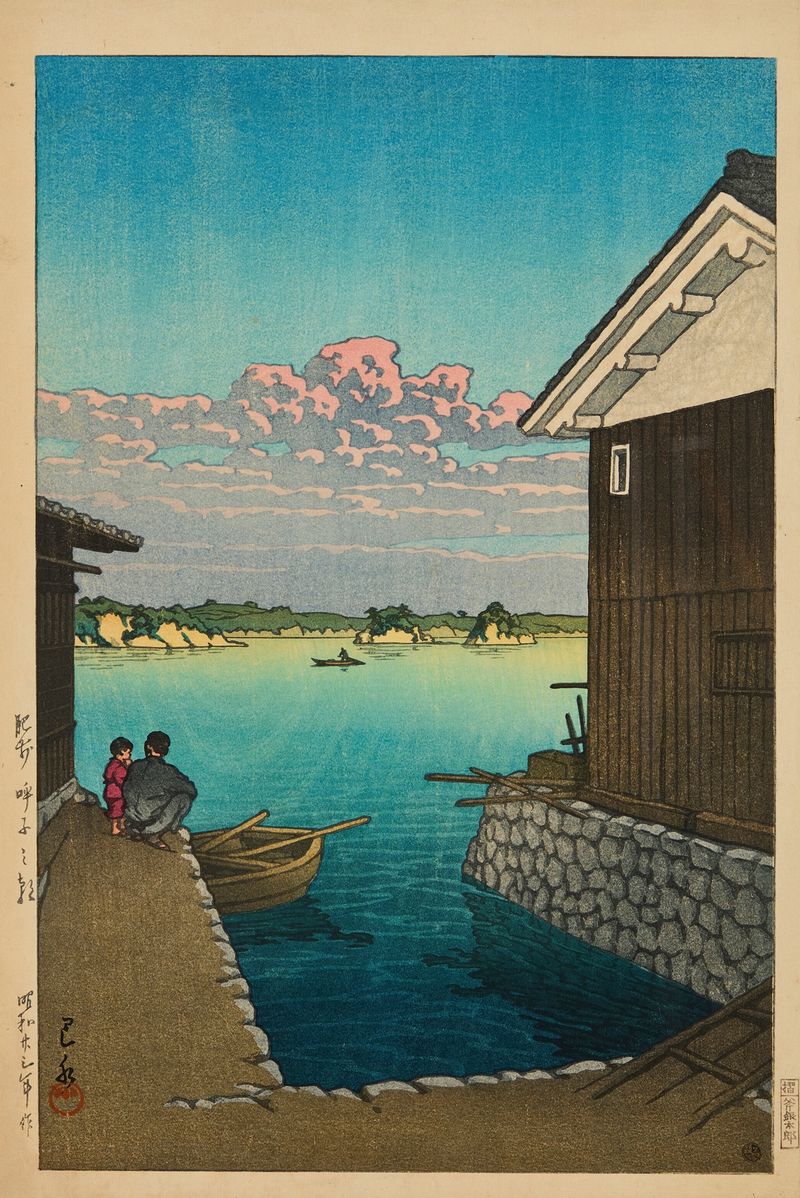
Hizen Yobuko no asa (Morning in Yobuko, Hizen)
Kawase Hasui
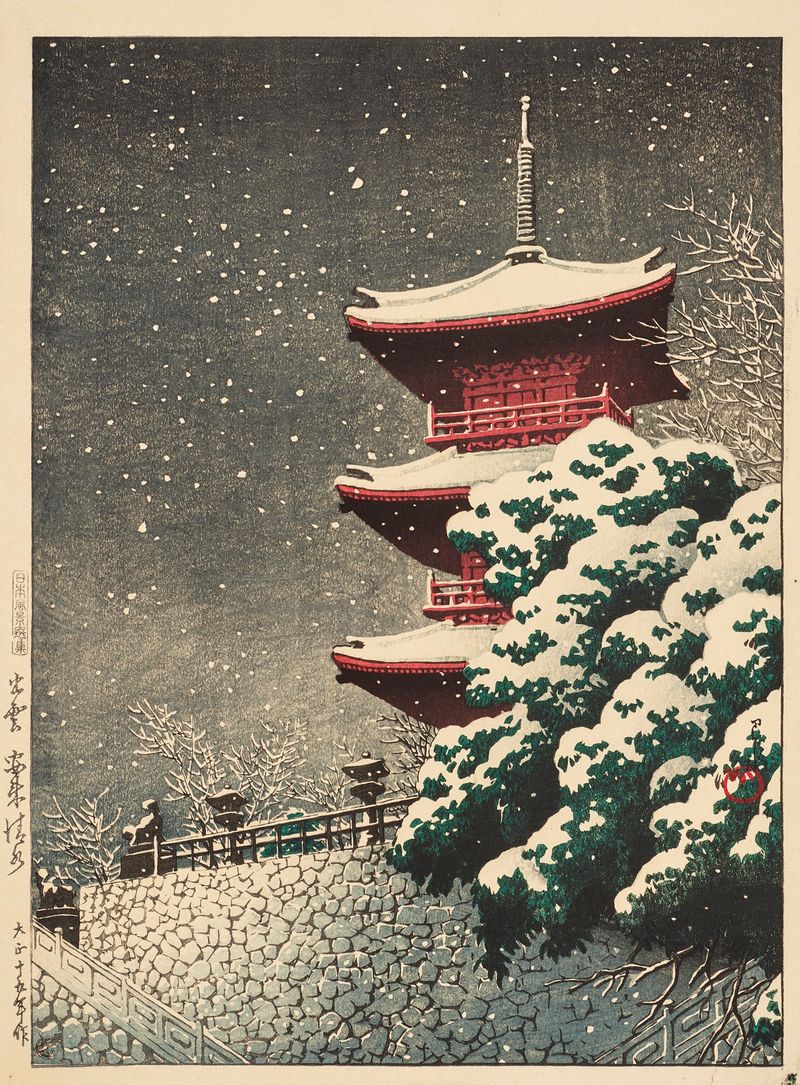
Izumo, Yasugi Kiyomizu (Yasugi Kiyomizu Temple at Izumo)
Kawase Hasui
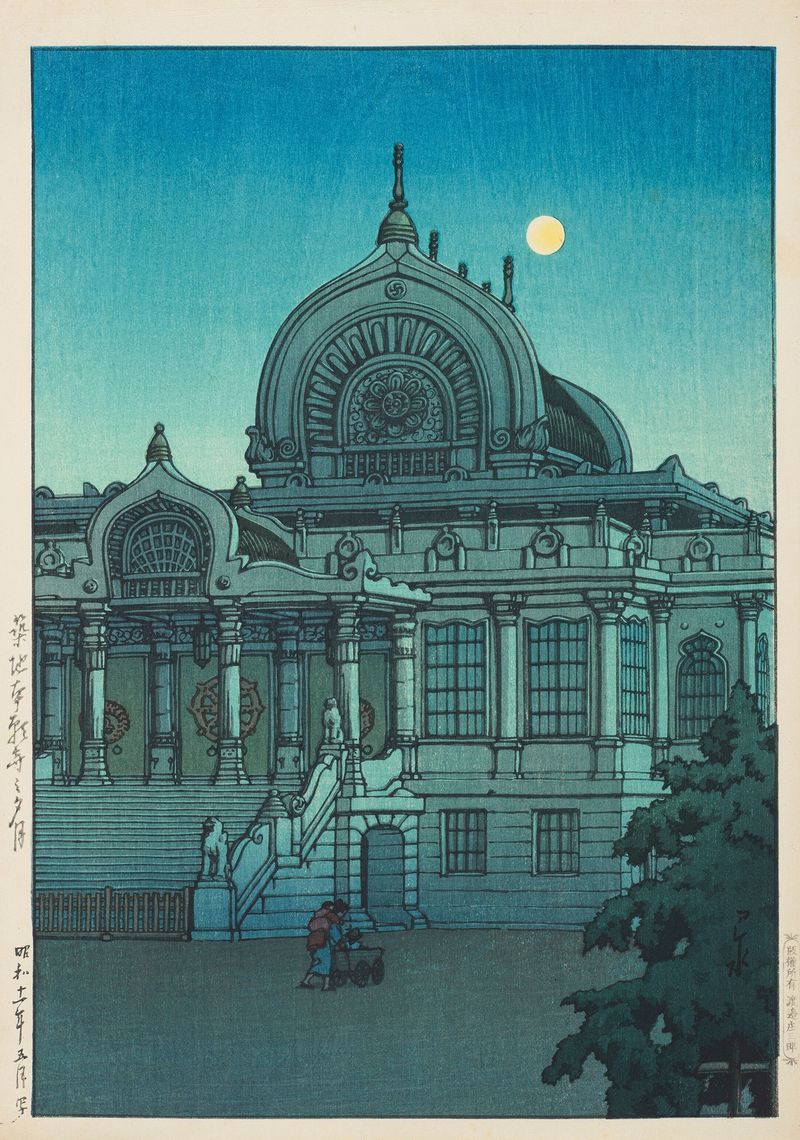
Tsukiji Honganji no yuzuki (Evening moon at Honganji Temple in Tsukiji)
Kawase Hasui
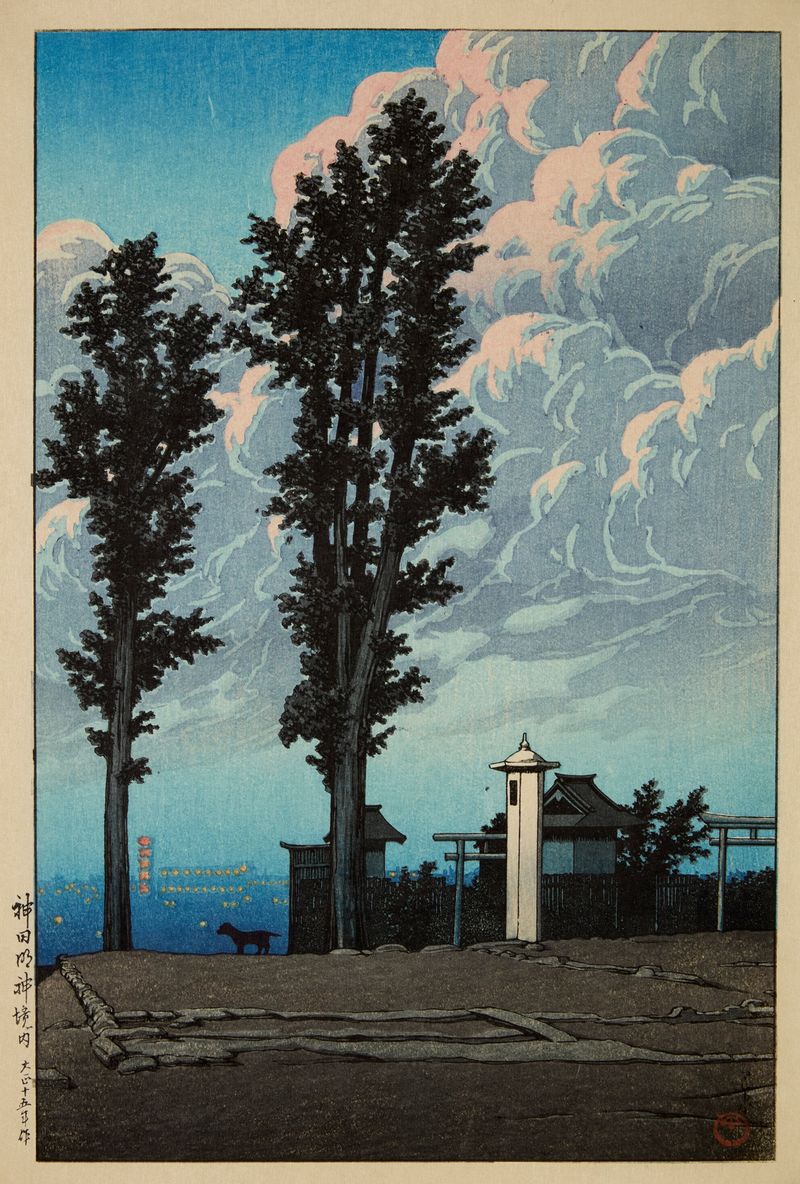
Kanda Myojin keidai (Kanda Myojin Shrine precent)
Kawase Hasui
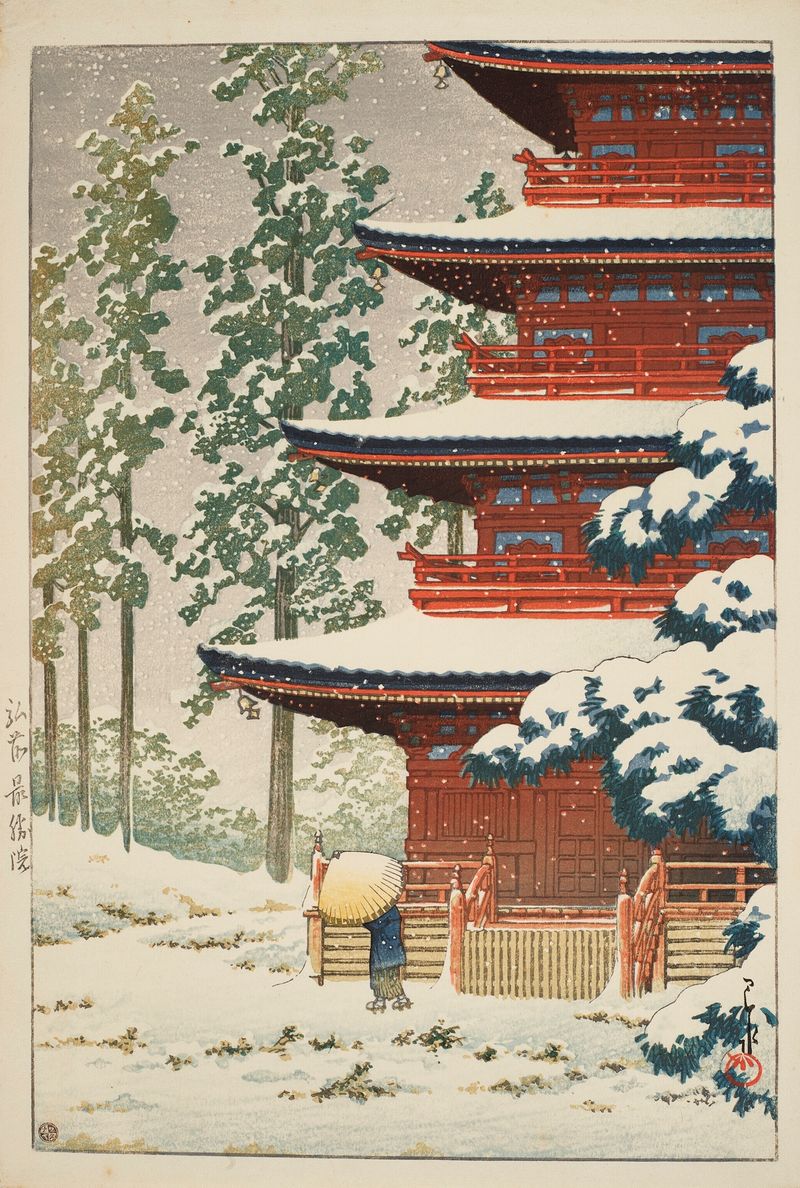
Saisho-in Temple, Hirosaki
Kawase Hasui
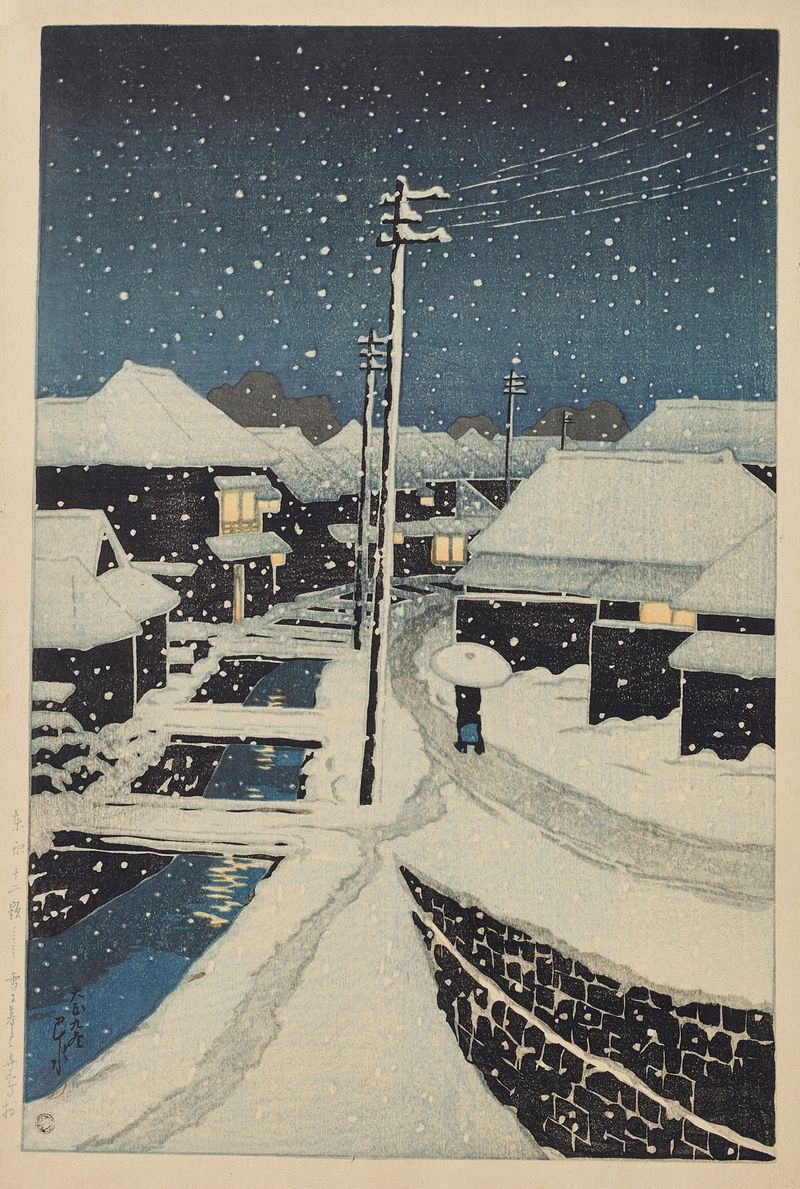
Yuki ni fururu Terajima mura (Evening snow at Terajima Village)
Kawase Hasui
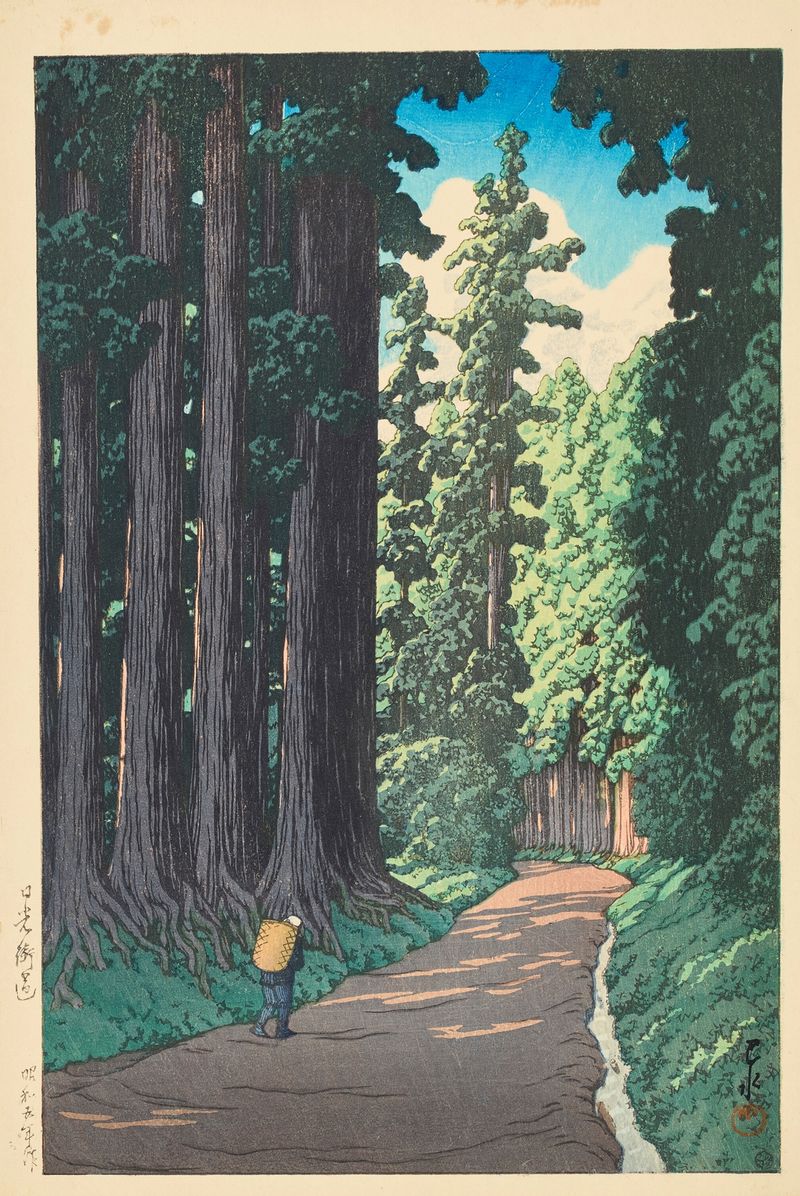
Nikko gaido (The Road to Nikko)
Kawase Hasui
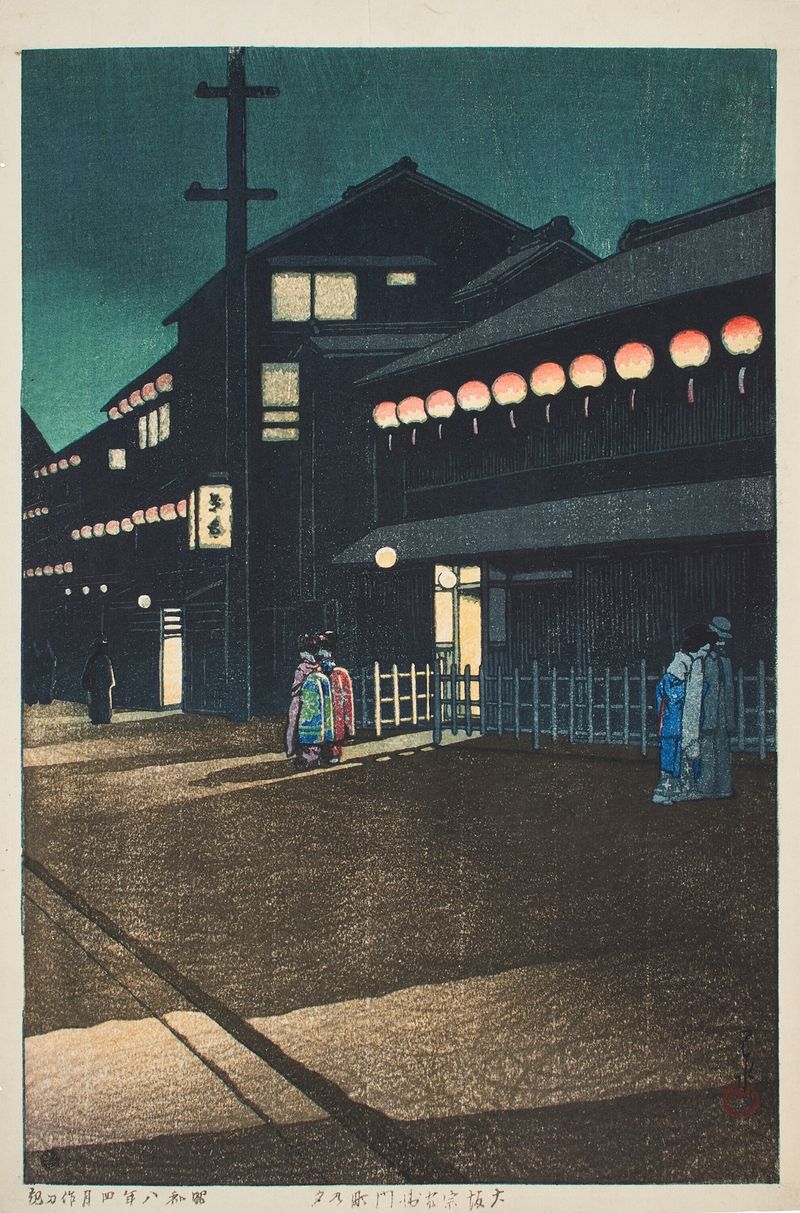
Osaka Soemon-cho no yu (Evening in Soemon-cho, Osaka)
Kawase Hasui
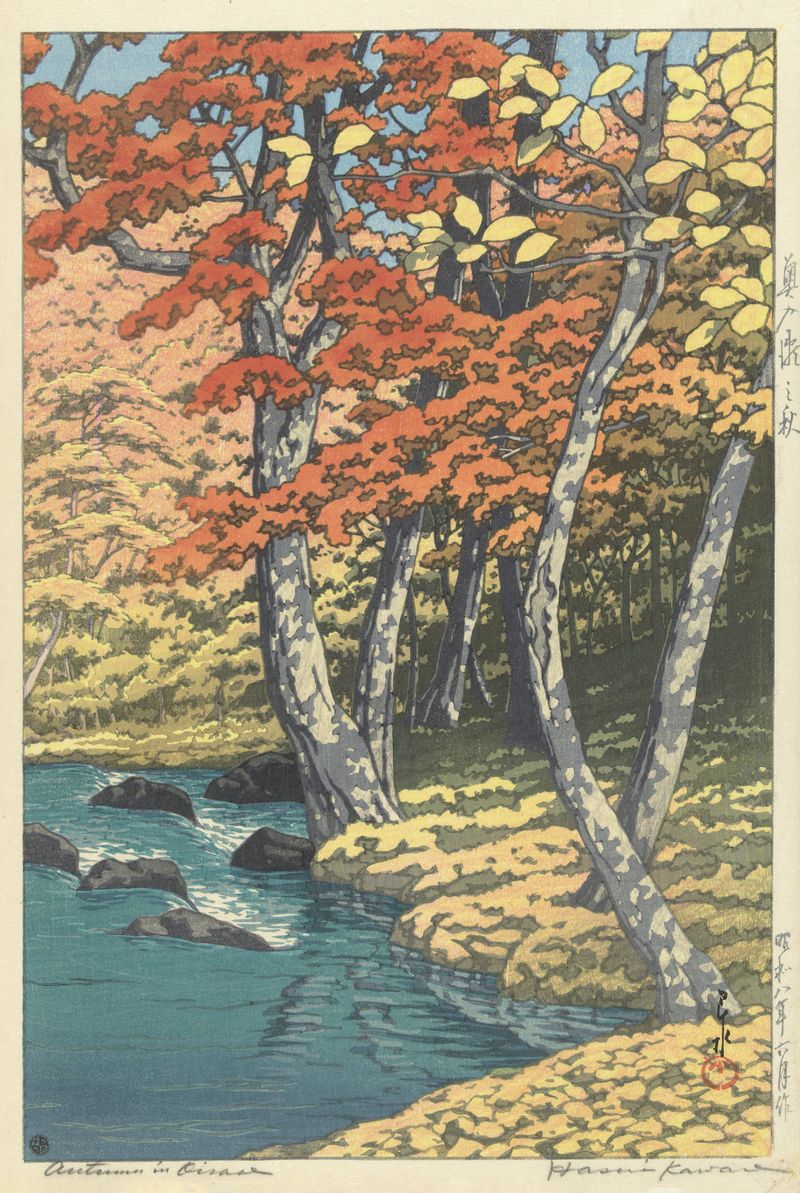
Autumn In Oirase
Kawase Hasui
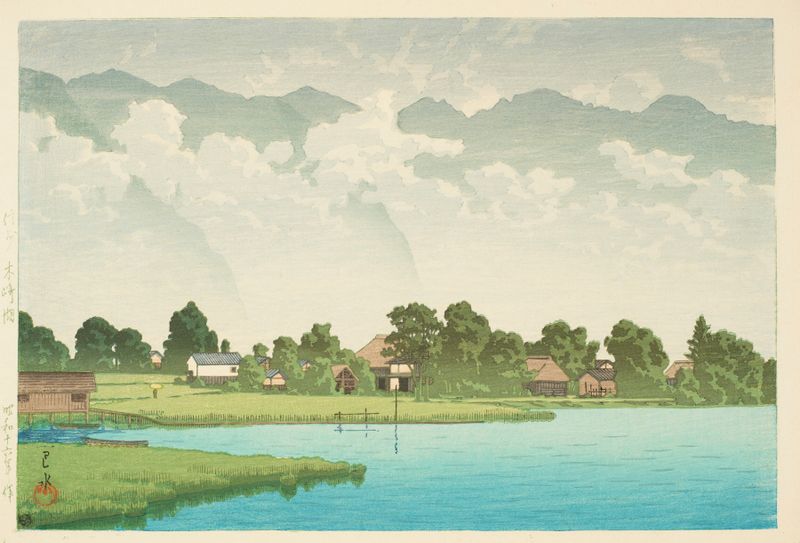
Shinshu Kizakiko (Kizaki Lake in Shinshu)
Kawase Hasui





